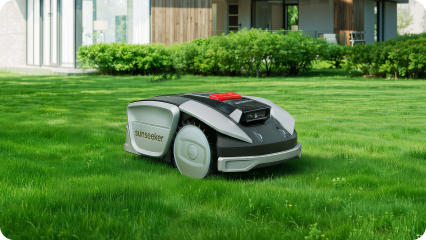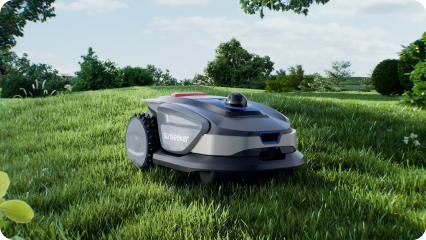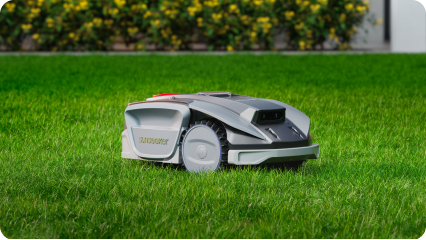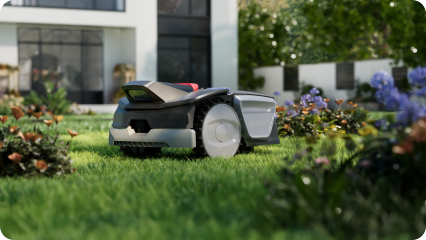
Core Advantages of Robotic Lawn Care
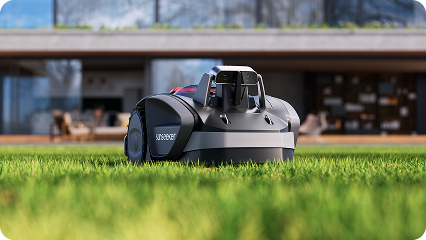
By replacing manual mowing with automated scheduling, a robotic mower frees you from a significant seasonal time commitment, allowing you to reclaim hours for leisure. Its frequent, light mulching cuts strengthen the grass by returning fine clippings as natural fertilizer, promoting a dense, weed-resistant turf that requires no chemical herbicides.
Environmentally, these battery-powered units operate with zero direct emissions and minimal noise, often quieter than a normal conversation, making them a sustainable, neighbor-friendly choice. Some advanced models can even integrate with solar power, further reducing their carbon footprint.
Essential Features for Best Robot Lawn Mowers
To achieve truly hands-free, high-quality results, certain technological capabilities are non-negotiable. The most capable autonomous mowers on the market integrate several core systems:
-
Intelligent Navigation and Obstacle Detection: The system's brain. It uses a combination of technologies like GPS, RTK, LiDAR, or AI vision to map the garden, plan efficient routes, and safely avoid trees, furniture, toys, and garden beds.
-
Precise Cutting and Consistent Coverage: The system's tool. A sharp, balanced cutting disc or blade, combined with smart path planning, ensures every square inch of the lawn is trimmed evenly without missed patches.
-
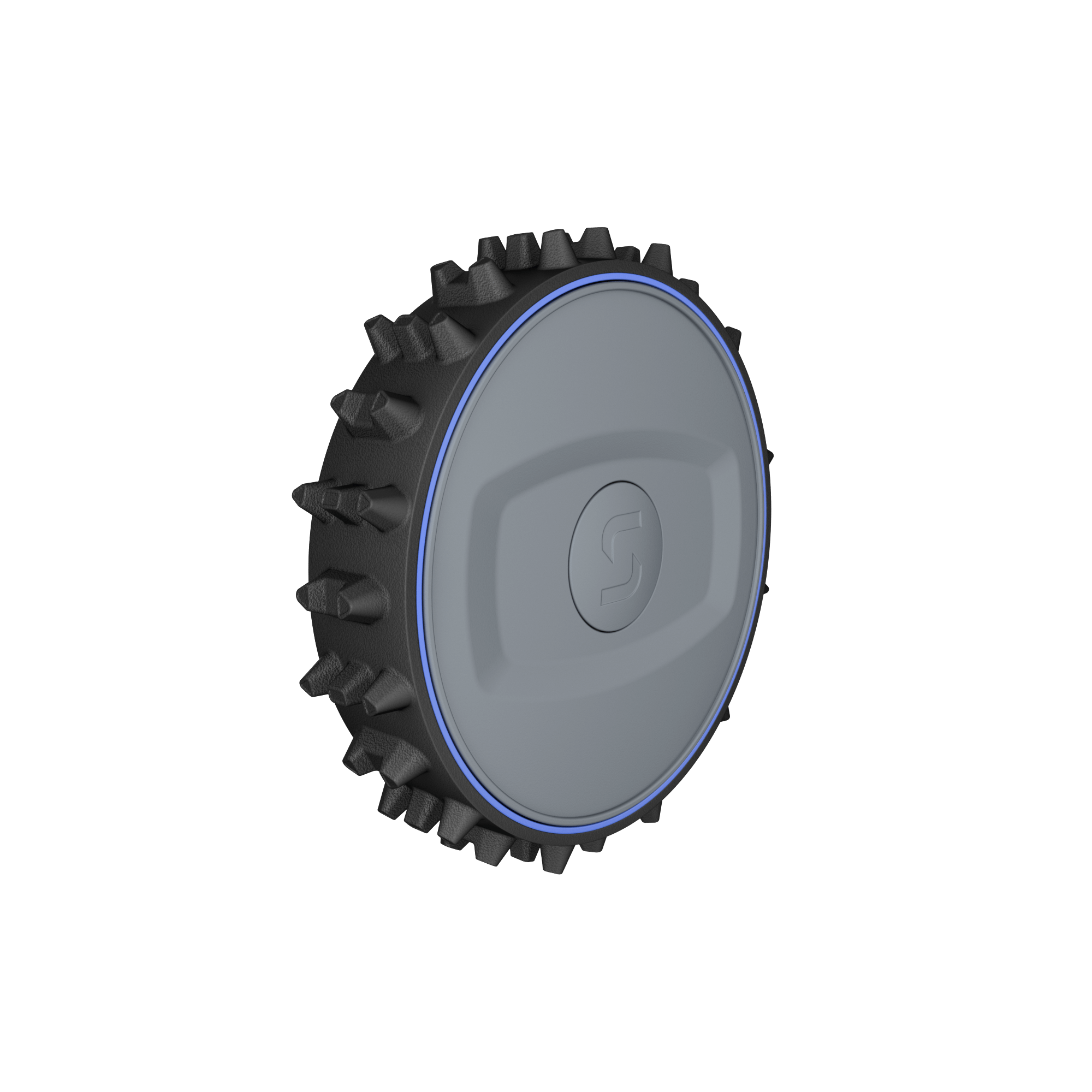
Adaptive Terrain Handling: The system's agility. Motors and wheels capable of handling slopes, uneven ground, and different grass types are crucial for complete and reliable coverage in non-flat gardens.
-
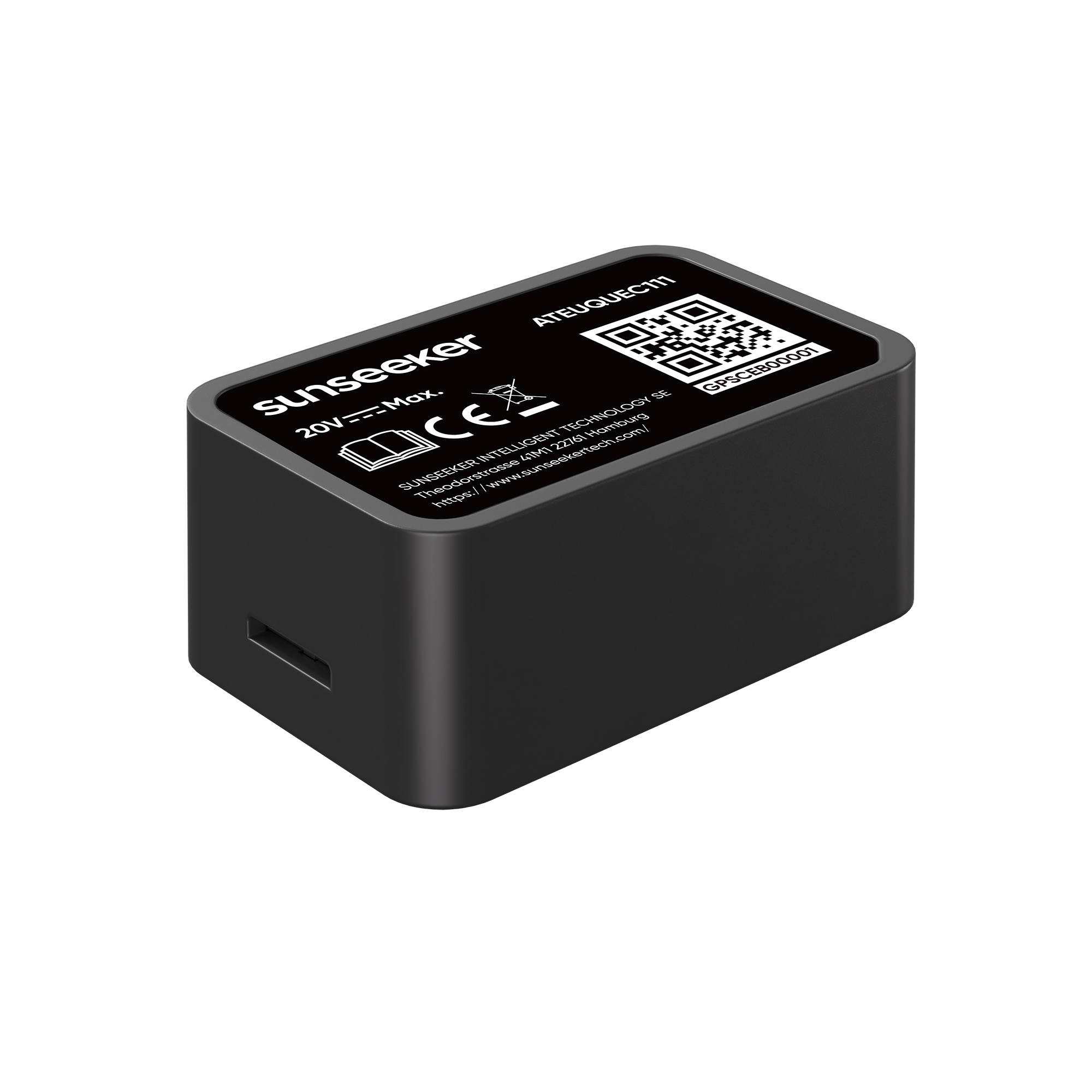
User-Friendly App Control: The system's interface. A smartphone application allows for easy scheduling, adjustment of cutting height, creation of no-go zones, real-time monitoring, and receipt of maintenance alerts.
To see how these features come together in wire-free models and why they are important, continue with our guide: Best Robot Lawn Mowers Without Perimeter Wire for 2026.
Top 5 Robot Mowers for Different Needs
The ideal robot mower is the model whose specifications align perfectly with the specific character of your garden. The following categories highlight top performers tailored for distinct primary needs.
Best for Extra-Large Gardens: Husqvarna Automower® 550 EPOS
Working area capacity: 2.5 acre (10000m²)
Maximum Incline: 45% / 24°
Cutting Height, min-max: 20 - 60 mm
Cutting Width: 36 cm
Typical mow time on one charge: 270 minutes
Typical charging time: 60 minutes
Designed for large estates and wide open grounds, the Husqvarna Automower® 550 EPOS is engineered for demanding, large scale lawn maintenance with minimal supervision. This wire free, satellite guided mower can cover areas of up to 10,000 m² per charge, making it well suited for expansive lawns where accuracy and efficiency are critical.
Its EPOS navigation relies on high precision satellite positioning to create virtual boundaries, removing the need for physical perimeter wires even across extensive landscapes.
Built with commercial grade durability, the mower is designed for long term, intensive use. Its robust cutting system handles fast growing or taller grass with ease and delivers consistent, organized coverage in open spaces.
Best for Complex Terrain: Mammotion Luba 2 AWD 5000X
Working area capacity: 1.25 acre (5000m²)
Maximum Incline: 80% (38.6°)
Cutting Height, min-max: 25 - 70 mm
Cutting Width: 40 cm
Typical mow time on one charge: 190 minutes
Typical charging time: 120 minutes
The Mammotion Luba 2 AWD 5000X is purpose built for large, uneven lawns. Its robust all wheel drive system delivers exceptional traction, allowing it to manage slopes of up to 80 percent (38.6°) with confidence.
Equipped with the UltraSense AI vision system, the mower performs fully automated, high precision mapping while enhancing obstacle detection for safer, more reliable operation. A wide dual disc cutting setup, paired with strong daily mowing output, ensures even and dependable results in challenging terrain.
Smart app based zone control makes managing multiple lawn areas straightforward, while features such as 3D lawn pattern creation add a layer of customization. Together, these capabilities make the Luba 2 AWD a compelling option for large, complex properties.
Best LiDAR Robot Lawn Mower: Ecovacs Goat A3000
Working area capacity: 0.75 acre (3000m²)
Maximum Incline: 50% (27°)
Cutting Height, min-max: 30 - 90 mm
Cutting Width: 33 cm
Typical mow time on one charge: 45 minutes
Typical charging time: 75 minutes
The Ecovacs Goat A3000 relies on a combination of a 360 degree LiDAR unit and an AI powered camera to create highly accurate lawn maps that become more refined with continued use. Setup requires an initial guided walk around the yard to define working boundaries, after which the mower runs independently.
Through the Ecovacs mobile app, users can set schedules, choose from multiple operating modes including automatic, zone based, edge, manual, and enhanced options, and adjust cutting height or mowing direction. Automatic mode handles full lawn coverage, while area mode focuses on selected sections.
With strong efficiency, the A3000 can mow roughly 4,300 square feet per hour on a single charge. Built in rain sensors detect wet conditions and send the mower back to its charging station, protecting the unit and maintaining consistent performance.
Best for Medium-sized Lawn: Sunseeker S4
Working area capacity: 0.25 acre (1000m²)
Maximum Incline: 42% / 22°
Cutting Height, min-max: 20 - 60 mm
Cutting Width: 18 cm
Typical mow time on one charge: 75 minutes
Typical charging time: 90 minutes
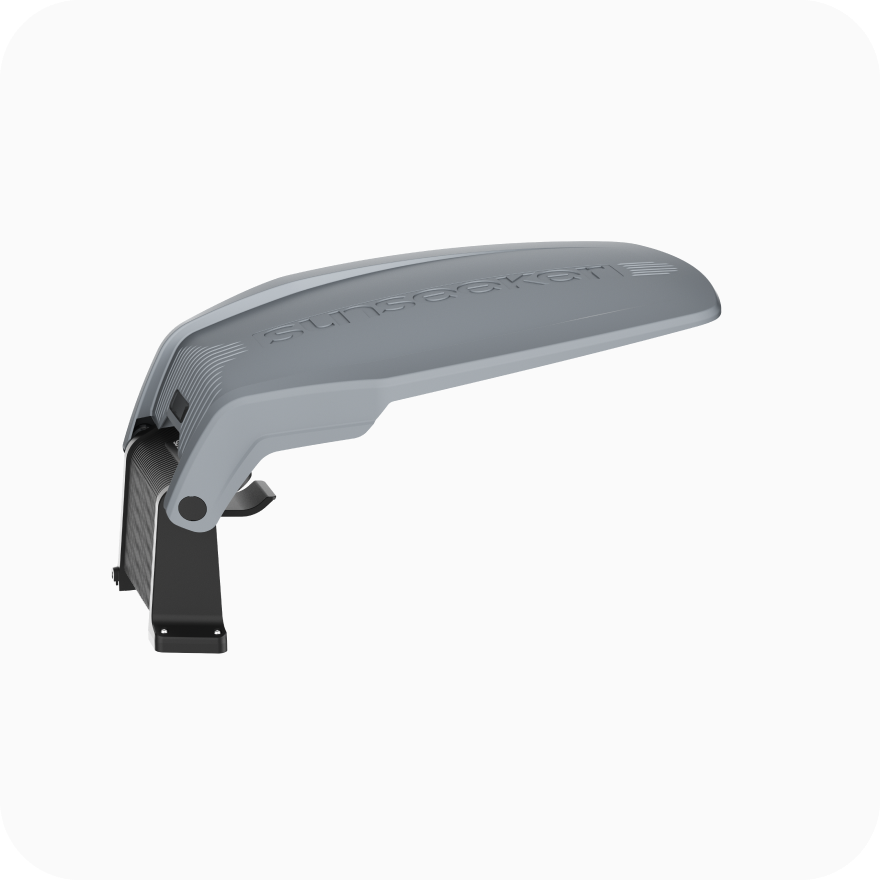
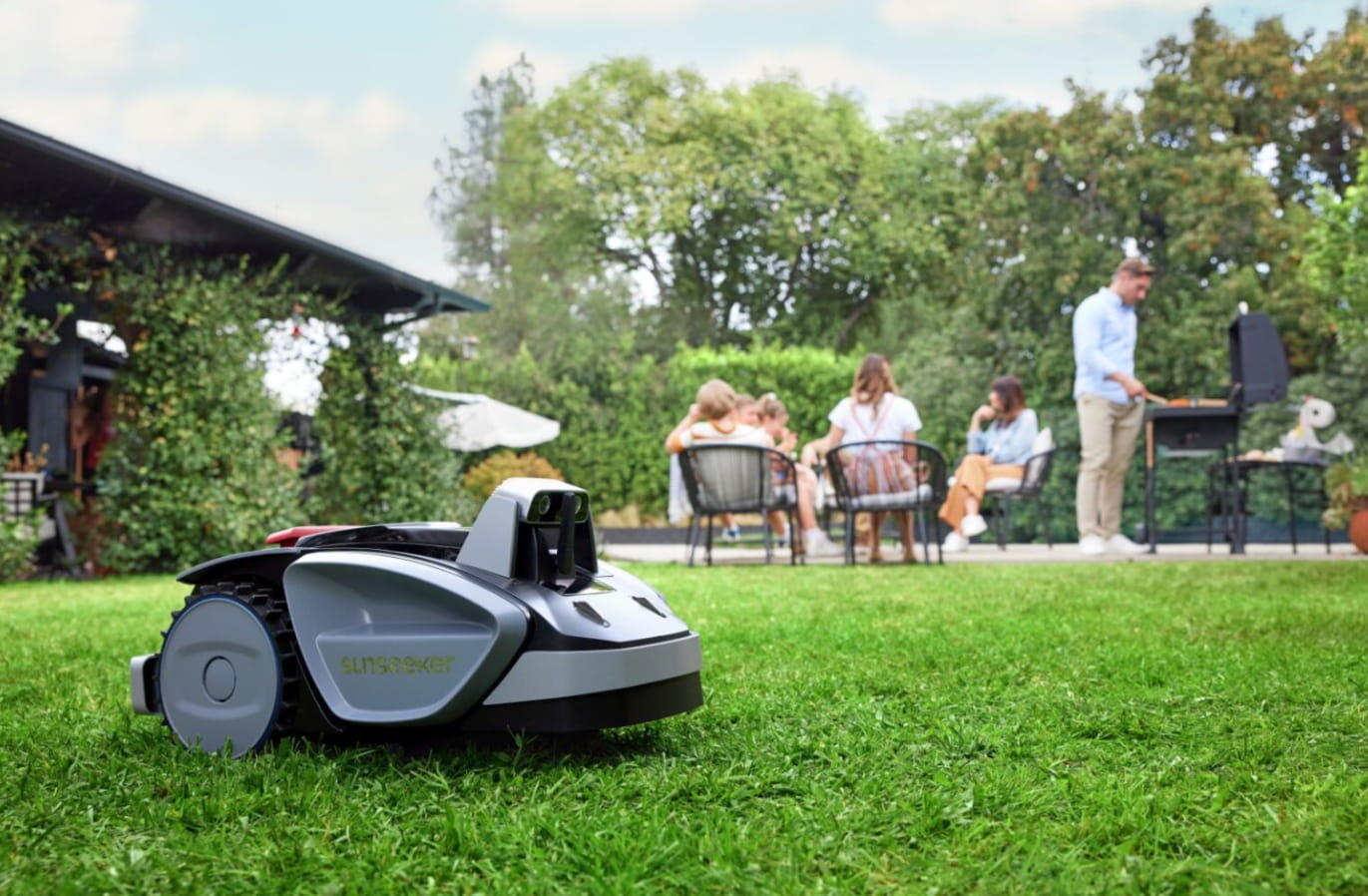
The Sunseeker S4 is built for medium-sized lawns, covering areas up to 1,000 square meters with ease. It features an adaptive mowing mode that fine-tunes routes automatically, helping deliver clean, even results every time. With a low cutting height of just 20 mm, trimming stays precise and consistent.
S4 rear-wheel drive improves grip and control on slopes up to 42 percent, while the wider 18 cm cutting deck increases coverage and efficiency. Setup takes only minutes. No complicated instructions or long installation sessions.
Its navigation combines 3D high-precision LiDAR with AI-assisted visual sensing to detect over 360 obstacles on the fly. Ongoing AI learning improves efficiency, especially in complex layouts. App-based control supports smart scheduling, geofencing, and cloud sync, with both Wi-Fi and Bluetooth built in for easy access and control.
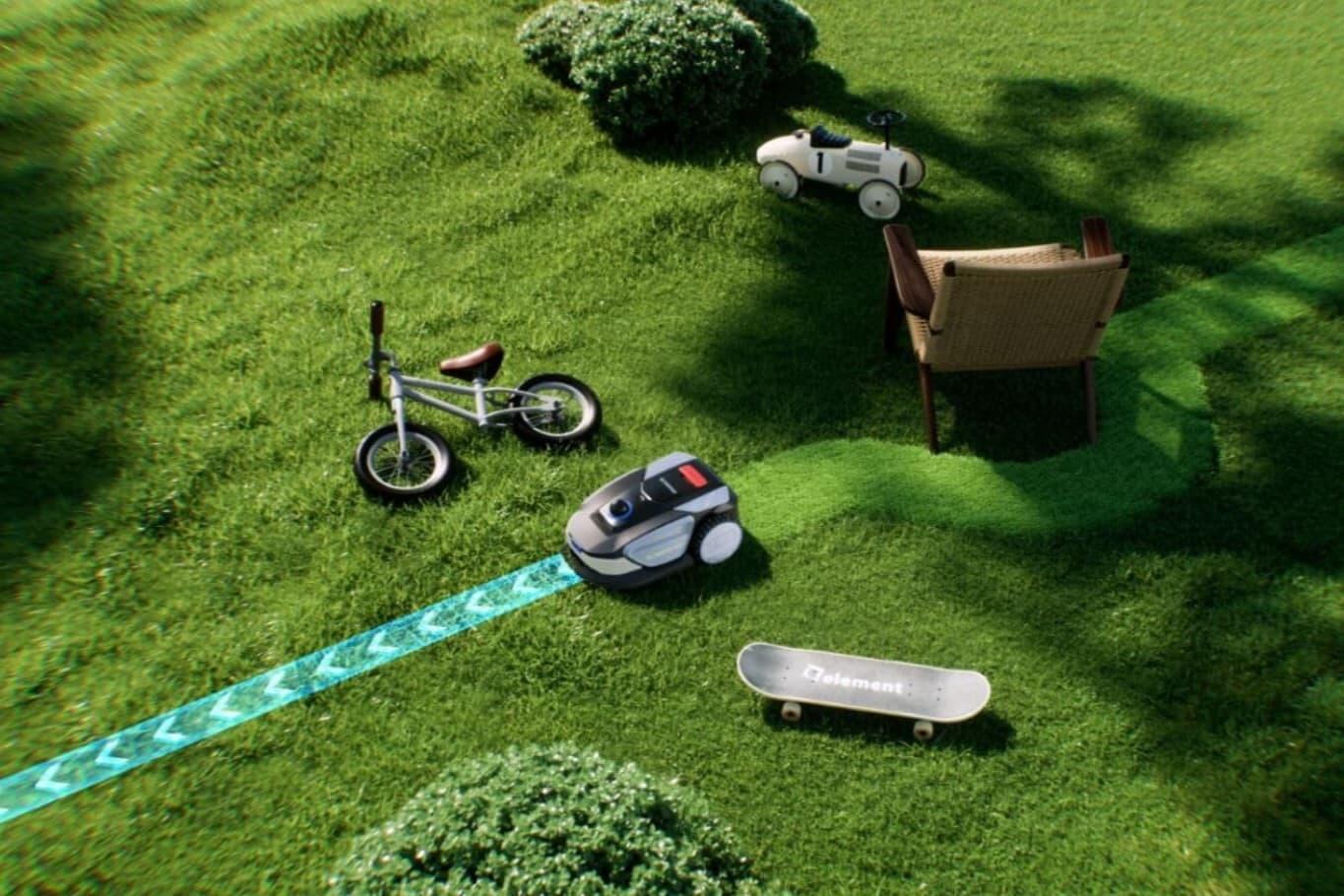
The Sunseeker S4 recognizing and avoiding children's toys
Best for Small Yards: Segway Navimow i105N
Working area capacity: 0.125 acre (500m²)
Maximum Incline: 30% (17°)
Cutting Height, min-max: 50 - 90 mm
Cutting Width: 18 cm
Typical mow time on one charge: 60 minutes
Typical charging time: 90 minutes
The Segway Navimow i105N is designed for small, space-constrained lawns where accurate movement and smooth handling are essential. Its EFLS 2.0 positioning system delivers high-precision navigation, helping the mower pass through narrow corridors and complex garden layouts without leaving uneven areas.
Installation is streamlined with AI-guided mapping and VisionFence visual obstacle detection, allowing the mower to understand its surroundings quickly and operate confidently around everyday yard features. The Segway mobile app supports easy scheduling, zone customization, and live status tracking.
Running at a quiet 58 dB(A), the i105N suits close residential settings well. It also manages slopes up to 30 percent (17°), providing dependable performance on compact lawns with mild elevation changes.
Robot Lawn Mower Comparison Table
|
Model
|
Husqvarna Automower® 550 EPOS
|
Mammotion Luba 2 AWD 5000X
|
Ecovacs Goat A3000
|
Sunseeker S4
|
Segway Navimow i105N
|
|
Working Area
|
2.5 acre
(10000 m²)
|
1.25 acre
(5000 m²)
|
0.75 acre
(3000 m²)
|
0.25 acre
(1000 m²)
|
0.125 acre
(500 m²)
|
|
Max Incline
|
45% (24°)
|
80% (38.6°)
|
50% (27°)
|
44% (22°)
|
30% (17°)
|
|
Cutting Height
|
20 - 60 mm
|
25 - 70 mm
|
30 - 90 mm
|
20 - 60 mm
|
50 - 90 mm
|
|
Cutting Width
|
36 cm
|
40 cm
|
33 cm
|
18 cm
|
18 cm
|
|
Typical Mow Time
|
270 min
|
190 min
|
45 min
|
75 min
|
60 min
|
|
Typical Charge Time
|
60 minutes
|
120 minutes
|
75 minutes
|
90 minutes
|
90 minutes
|
|
Waterproof Rating
|
IPX4
|
IPX6
|
IPX6
|
IPX5
|
IPX5
|
|
Navigation System
|
EPOS (Satellite)
|
NetRTK+Vision
|
LiDAR + AI Vision
|
360° 3D LiDAR + AI Vision
|
EFLS 2.0 (AI-assisted)
|
|
Key Strength
|
Large-area coverage,
wire-free navigation,
Professional durability
|
Extreme slope capability, all-wheel drive,
wide cutting deck
|
LiDAR precision, AI-learning maps,
Rain sensing, auto-dock
|
AllSense™ 3D Fusion
Sensing System, Readygo™ one-click mowing, floating cut system, intuitive app
|
Compact maneuverability, precise navigation in tight spaces, quiet operation
|
(Data sourced from publicly available websites as of 31/12/2025 and provided for reference only)
Simple Installation and Sustainable Maintenance
A common misconception is that robotic mowers involve complex installation and burdensome upkeep. In reality, the process is designed for user-friendliness and long-term simplicity.
Streamlined Setup Process
Modern robot mowers are designed for straightforward installation. GPS models typically require less than an hour: place the charging station, set up the reference station if needed, and walk the mower around your property boundaries using the app.
Boundary wire systems involve laying a perimeter wire, which can take a few hours but is a one time project. Most manufacturers provide detailed tutorials and customer support to guide you through the process.
Optimizing Daily Operation
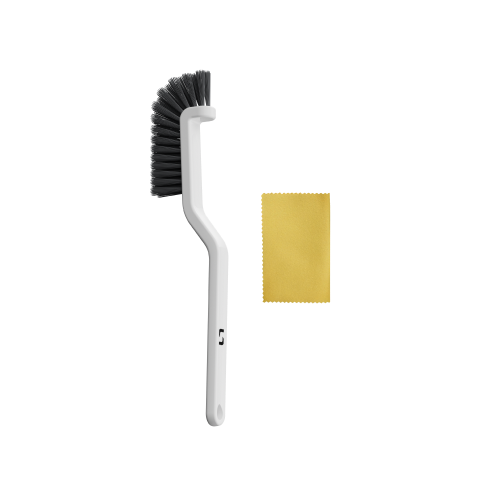
Once operational, intervention is minimal. For optimal performance, schedule mowing sessions during daylight hours, as some navigation systems benefit from clear visual cues. If your system uses a perimeter wire, conduct occasional visual checks to ensure it remains secured and undamaged. Keep the charging station contacts and the mower's docking points clean to maintain reliable automatic charging.
Essential Seasonal Care
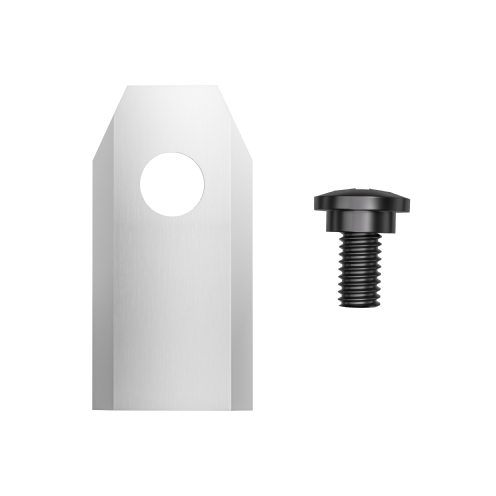
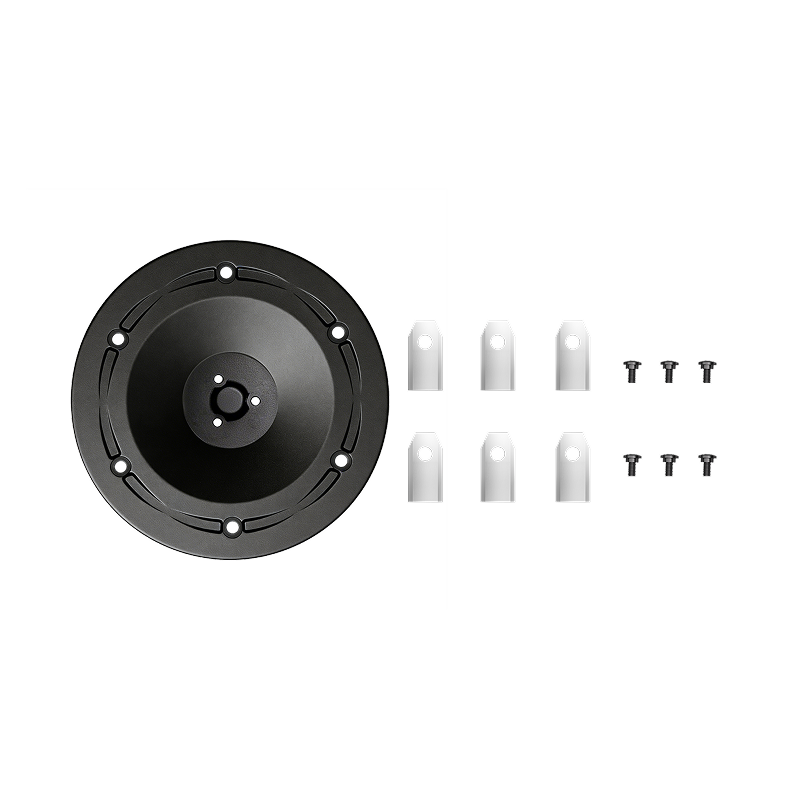
Like any quality garden tool, periodic maintenance ensures longevity and peak performance. At the start of the growing season, inspect the cutting blades for wear and replace them if dull or damaged—this is the most frequent maintenance task. Clean the navigation sensors, wheels, and underside of the mower to prevent grass buildup.
Before winter, or a long period of disuse, give the mower a thorough cleaning, fully charge the battery, and store the unit in a cool, dry place. For models with removable batteries, storing the battery separately indoors is recommended. This simple routine protects your investment for many seasons.
Making Your Ideal Choice
Navigating the available options is straightforward when you methodically assess your own needs against the technology on offer.
Conducting a Honest Garden Assessment
Begin with a detailed evaluation of your property. Accurately measure the total lawn area. Note the presence and severity of any slopes, as this is a critical limiting factor. Identify obstacles: trees, flower beds, ponds, or pathways. Determine if your lawn is a single open space or divided into distinct zones.
Consider your grass type, as some robotic mowers are better suited to certain varieties than others. This objective assessment will immediately filter out models with insufficient area capacity, slope grading, or navigation complexity for your space.
Budget Considerations
Robot mowers typically start around €800 for entry-level options and can exceed €4,000 for high-end, feature-rich systems. Although the upfront cost can feel substantial, the long-term return is clear. Budget-friendly models suit smaller, simple lawns, while higher-priced options justify their cost through advanced navigation, larger coverage, and reduced hands-on management.
Regular mowing expenses drop, many hours of manual work are reclaimed each year, and a consistently well-kept lawn can enhance property appeal.
Planning for Long-Term Use
Consider which features will provide lasting utility. Navigation technology is a key differentiator; wire-free systems using GPS offer greater flexibility if you plan future garden alterations or landscaping projects. The quality and functionality of the companion app will impact your daily experience and its potential integration with evolving smart home ecosystems.
Investigate the brand's reputation for customer support and software updates, as this ensures your device remains functional and secure for years to come.
Conclusion
Robotic lawn mower technology has moved well beyond novelty to become a practical upgrade for modern homes. By combining precise navigation, smart scheduling, and grass-friendly cutting patterns, these machines deliver lawns that look more consistent and often healthier than those maintained by traditional methods. The biggest benefit is time reclaimed, turning lawn care into a background task rather than a weekend chore.
From large open properties to compact urban gardens, there is a robotic mower designed for every challenge. Choosing the right model means investing in convenience, not just equipment. For homeowners seeking a balanced solution for medium-sized lawns, the Sunseeker S4 offers efficient coverage, intelligent navigation, and easy setup, making it a smart step toward effortless lawn care.
FAQs
Can robot mowers cut to the lawn's edge?
Yes, most models can cut close to edges using specialized blades or modes. Performance varies, and some may leave a very narrow strip requiring occasional manual trimming for a perfect finish.
Can robot mowers work without an internet connection?
Yes, routine mowing does not require a constant internet connection. Connectivity is needed primarily for initial setup, remote commands via the app, and receiving software updates, but daily autonomous operation continues offline.
What maintenance do robot mowers require?
Essential maintenance includes regular blade replacement every 1-2 months during peak season and periodic cleaning of the underside, sensors, and charging contacts. Seasonal check-ups and proper winter storage ensure long-term reliability.