You wake up to a free morning, the grass is getting tall, and the mower is ready to go. But the street is still quiet, and starting too early may disturb your neighbors or break a local noise rule. Waiting too long is not always better either, especially if the day turns hot or the grass is still wet from dew.
The best time to mow is not just about the clock. It depends on local rules, neighborhood expectations, weather, and whether the lawn is dry enough for a clean cut. In this guide, we will look at how early you can mow, what time is usually best for lawn health, and how to choose a mowing window that is legal, practical, and neighbor-friendly.
What Time Can You Start Mowing in Most Neighborhoods?
In most neighborhoods, the safest practical start time is usually after 8 a.m. on weekdays and after 9 a.m. on weekends or holidays. If you want the best mix of local-rule compliance, courtesy, and lawn health, mid-morning is often the safest default.
There is no single rule that applies everywhere. Cities, councils, neighborhoods, HOAs, apartment communities, and rental agreements can all set different limits. Weekend and holiday rules are often more restrictive because more people are home, resting, or sleeping later. If your local rule is unclear, treat Saturday, Sunday, and holidays more cautiously than regular weekdays.
Use this order to choose a safe mowing time:
1.Follow any local noise rule first.
2.If your HOA, property manager, or rental agreement is stricter, follow that instead.
3.If no written rule is easy to find, avoid mowing before 8 a.m. on weekdays or 9 a.m. on weekends and holidays.
4.If the grass is still wet with dew, wait until it dries.
5.If the day will be very hot, mow earlier within the allowed window.
Early mowing may be allowed in some places, but it can still feel inconsiderate if homes are close together or your mower is easy to hear indoors. Starting after 9 a.m. on weekends and holidays is usually a safer social choice than starting at sunrise. For most homeowners, the simplest answer is to check the local rule once and make mid-morning your normal mowing time.
Why Local Lawn Mowing Rules Can Vary
Lawn mowing rules vary because mower noise is usually treated as a local nuisance issue, not a national lawn-care standard. The closer people live to each other, the more likely timing rules and neighborhood expectations will matter.
City and County Noise Ordinances
Many cities and counties set quiet hours for residential areas. These rules often limit loud equipment during early morning, late evening, and overnight periods. A common pattern is allowing yard equipment around 7 a.m. or 8 a.m. on weekdays, with later starts on weekends, but the exact time depends on where you live. If the rule includes a sound threshold, it also helps to know how many decibels a lawn mower produces and compare that output with the local limit.
HOA and Community Guidelines
HOAs, condo boards, and planned communities may set rules that are stricter than city ordinances. They may limit mowing to certain hours, restrict contractor work, or treat repeated early mowing as a nuisance issue. If you live in an HOA, the community rule can matter even when local law is more flexible.
The Best Time to Mow for Lawn Health
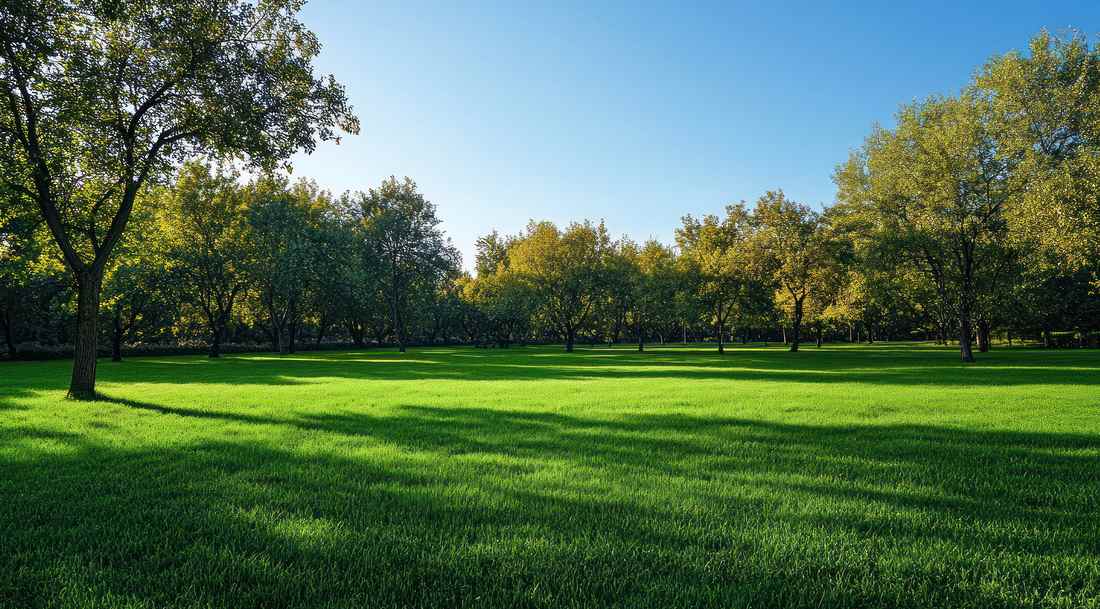
The best time to mow for lawn health is usually mid-morning. By then, overnight dew has often dried, but the day has not yet reached its hottest point. This gives the mower a better chance to cut cleanly and helps reduce stress on the grass.
Start After the Lawn Has Dried
Grass should be reasonably dry before you mow. Wet blades tend to bend instead of standing upright, so the mower may tear or miss parts of the grass instead of cutting evenly. Damp clippings can also clump under the mower deck, leave messy patches behind, and create ruts if the soil is soft.
A simple check is to walk across the lawn. If your shoes come away wet or the grass feels slick, wait longer. A dry lawn usually gives a cleaner cut, smoother discharge, and a neater finish.
Avoid the Hottest Part of the Day
Even if the grass is dry, strong afternoon heat can make mowing harder on the lawn. Freshly cut grass loses moisture more easily, so mowing during peak heat can add extra stress, especially in summer or during dry weather.
If the morning window has passed, do not rush to mow in the hottest part of the afternoon. It is often better to wait until temperatures ease.
Use Early Evening as a Backup Window
Early evening can work when you miss the mid-morning window, as long as the lawn is dry and there is enough daylight to mow safely. This timing avoids the strongest heat while still giving the grass some time to recover before night.
Try not to mow too late, especially if your area has evening noise limits or if dampness starts to return after sunset. The goal is to choose a time when the grass is dry, the heat is manageable, and the mower will not disturb the neighborhood.
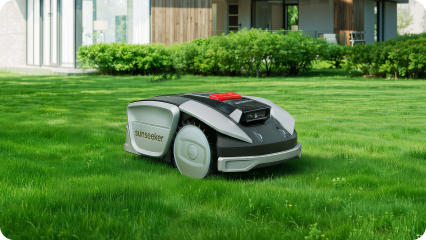
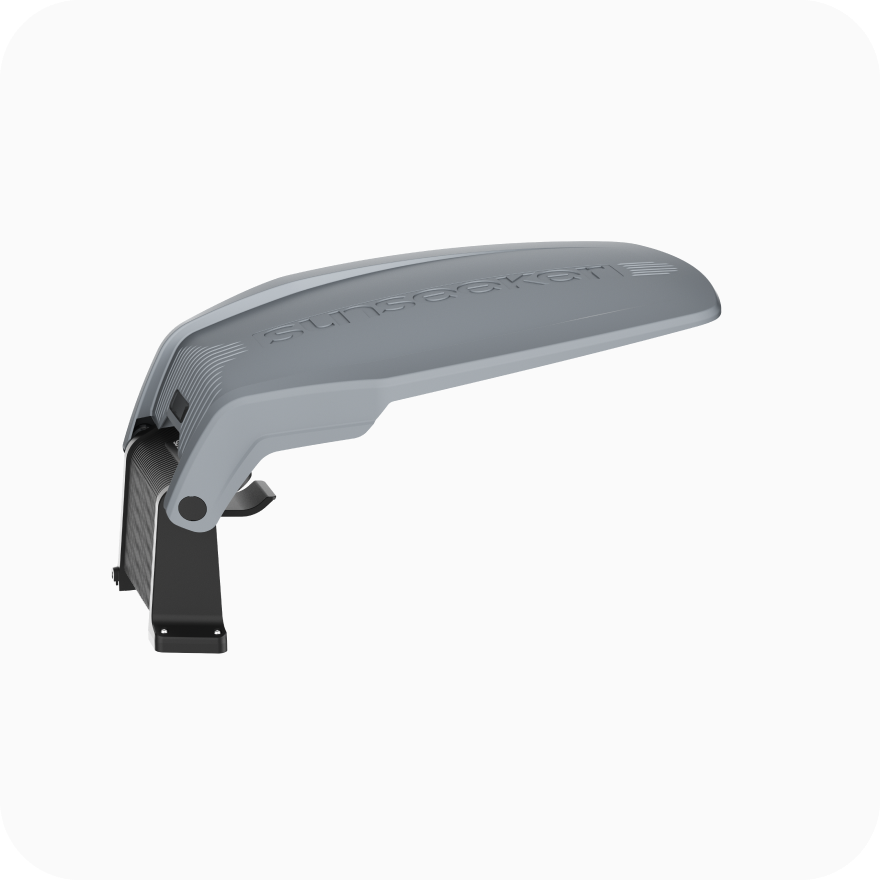
If you often miss that window because of work or other plans, a robot mower can make the routine easier. For example, the Sunseeker S5 can be scheduled through the app, so mowing can happen during a suitable daytime window instead of being pushed into early morning, late evening, or wetter parts of the day.

How to Check the Mowing Rules Where You Live
If you want to stop guessing, check the rule once and save it. Start with the most local authority, then review any private rules tied to your property. To confirm what time you can legally mow your lawn, check the local noise ordinance first, then compare any stricter HOA, rental, or community rules.
Review Local Noise Ordinances
Search your city or county website for terms like “noise ordinance,” “yard equipment,” “power tools,” or “residential noise.” Look for allowed hours, weekend differences, and holiday restrictions. If the rule includes sound limits, the time window is still the safest guide for everyday use.
Check HOA or Rental Rules
If you live in an HOA, condo, townhome community, or rental property, check the governing documents, lease, or resident handbook. Landscaper rules may also apply to residents if they limit equipment noise by time of day.
Ask Your City Office or Neighborhood Association
If the rule is unclear, call the city clerk, code enforcement office, or non-emergency municipal line. In HOA neighborhoods, ask the property manager or board. A short written answer can be helpful if there is ever a dispute.
Conclusion
For most homeowners, the best time to start mowing is after 8 a.m. on weekdays and after 9 a.m. on weekends, unless your local rules say otherwise. Mid-morning is also usually best for the lawn because the grass is drier and the day is not yet at peak heat.
The safest habit is simple: confirm your city, HOA, or rental rule, then choose a mowing window that is legal, dry, and neighbor-friendly. If your schedule often gets in the way, a robot lawn mower can make that routine easier by mowing at a preset time within the allowed window. That way, the lawn stays maintained without pushing the job into early morning, late evening, or other times that may disturb the neighborhood.
FAQ
Is it too early to mow the lawn at 7am?
Sometimes, yes. In many neighborhoods, 7 a.m. is too early from an etiquette standpoint, especially on weekends or when homes are close together. It may also violate local noise rules in some areas. If your ordinance clearly allows it, you still need to consider mower noise, dew on the grass, and nearby neighbors. When unsure, waiting until 8 a.m. or later is safer.
What time can I legally mow my lawn?
The legal mowing time depends on your city, county, HOA, or rental rules. Many places allow yard equipment during daytime hours, often starting around 7 a.m. or 8 a.m. on weekdays and later on weekends. Do not rely on a general rule alone. Check your local noise ordinance and any community rules, then follow whichever standard is stricter.
Can you still cut the grass in October?
Yes, you can usually cut grass in October if it is still growing and the lawn is dry enough to mow cleanly. Many cool-season lawns continue growing into fall. Avoid cutting when the grass is wet, frosted, or dormant. Keep mowing as needed until growth slows, and avoid removing more than about one-third of the grass blade in a single cut.