Maintaining a clean and healthy yard sounds simple, but many homeowners still wonder what time can I legally mow my lawn without causing noise issues or violating local rules. Mowing too early or too late can quickly lead to complaints, even if your intention is just to keep your lawn in good shape.
In this article, we’ll guide you through legal mowing hours and give you some practical tips to help you choose the right time. You’ll also learn how different days affect mowing times and how to easily check your local regulations, so you can take care of your lawn confidently and responsibly.

What Time Can You Mow on Weekdays, Weekends, and Holidays?
There isn’t one nationwide rule for lawn mowing, but most cities follow the local noise ordinances due to the loud sound of some lawn mowers. Here’s a breakdown of mowing times in general:
Weekdays
On weekdays, most cities allow lawn mowing earlier in the day because people are usually active in the morning. If you’re wondering how early can I mow my lawn on a weekday, 8:00 a.m. is a safe and accepted time.
Weekends
How early can you mow your lawn on weekends? A general rule is between 10:00 a.m. and 8:00 p.m. Mowing on weekends usually requires more consideration, as many people prefer to rest longer in the morning. If you’re unsure , waiting until at least 10:00 a.m. is the safest approach. This timing helps you avoid disturbing neighbors who are enjoying their day off.
Holidays
Holidays feel different. People expect a bit more quiet, especially in the morning. Even if mowing is allowed, doing it too early can feel out of place. So if you’re thinking about how early is too early to mow the lawn, anything before 9:00 a.m. is usually pushing it. A later start keeps things respectful.
Why Lawn Mowing Hours Are Regulated?
Governments set regulations for lawn mowing hours to balance personal property maintenance with community comfort. Some lawn mowers can be noisy, which can cause disruption when used at the wrong times. Below are the reasons why mowing hours are regulated:
- Noise Can Interrupt Health and Activities
Loud mowing noises can easily disrupt people living nearby, especially in quiet residential areas. If you use a gas-powered model that generates noise levels between 85 dB and 100 dB, it can interfere with activities such as working from home, studying, or relaxing. Repeated disturbances over time can lead to frustration or anxiety. That’s why understanding how early can you mow your lawn matters for minimizing disturbance and noise pollution.
- Safety Risks in Low Visibility
Mowing very early in the morning or late in the evening can be risky due to limited visibility. Poor lighting makes it harder to see obstacles such as rocks, pet toys, or uneven ground. This can lead to accidents and injuries, both for the person mowing and for anyone nearby.
Best Time to Mow for Optimal Grass Growth
Beyond legal considerations, the timing of lawn care affects its long-term health. Mowing at the wrong time of day can stress your lawn and hinder its growth. That’s why you need to know the best times to mow below:
Morning
The best time to mow is in the morning, between 8:00 a.m. and 10:00 a.m. By this time, the dew has dried, which reduces the risk of the grass clippings sticking together. If you're asking what time can i start mowing my lawn, aim for this morning window and wait until the grass is dry to achieve a cleaner cut and reduce the risk of damage.
Afternoon
Late afternoon, from around 4:00 p.m. to 6:00 p.m., is another good time to mow the lawn. The sun is less intense at this time, which reduces stress on freshly cut grass. However, avoid mowing too late in the day, as the grass needs time to recover before nighttime moisture sets in.
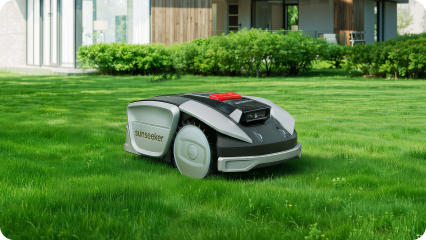
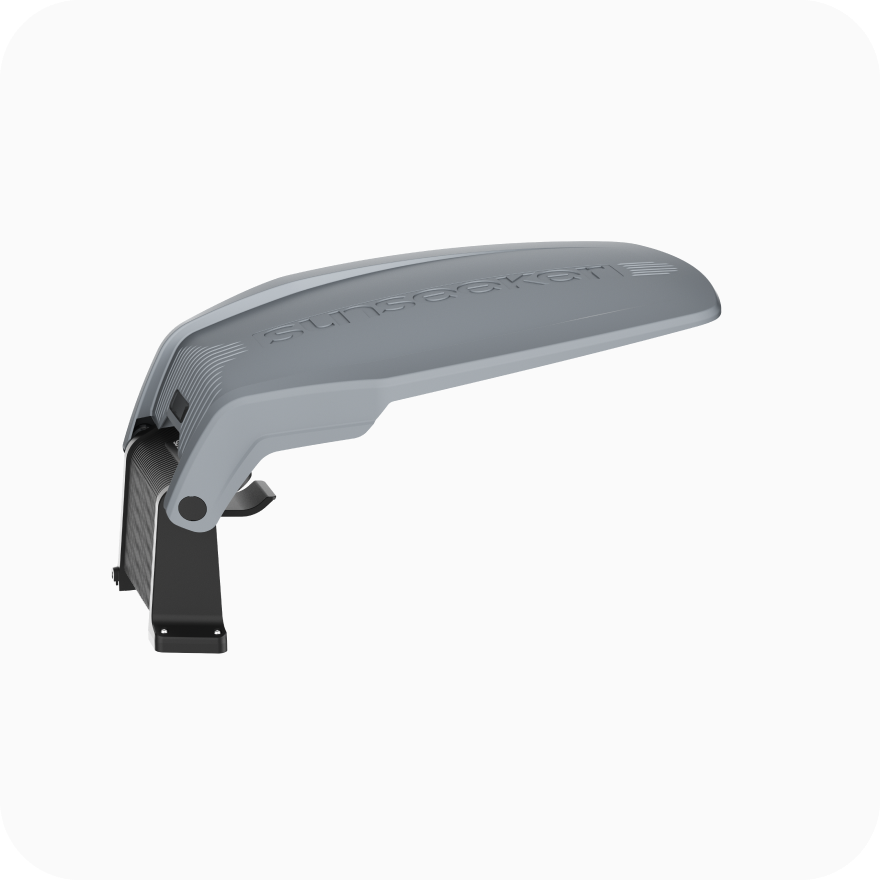
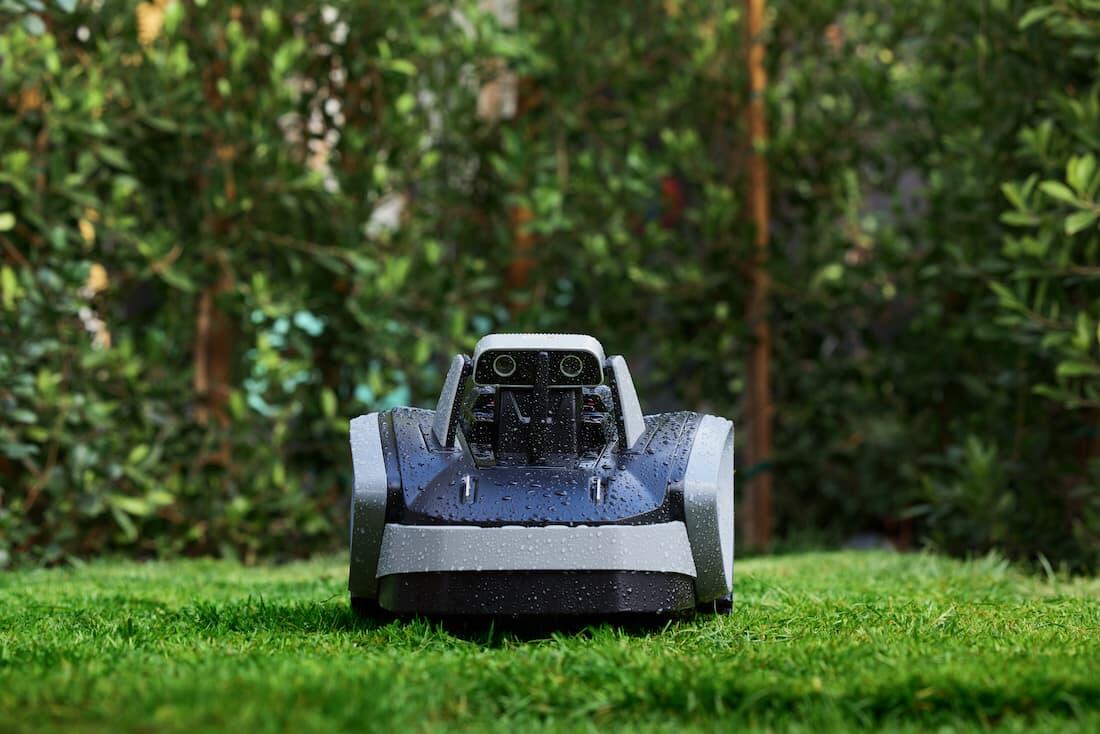
If you can’t mow at the ideal times, a robotic mower like the Sunseeker V3 helps you stay on track. You can schedule it to run when the grass is dry, even if you’re not home. With app control and quiet operation, it keeps a steady mowing routine without disturbing others or relying on your timing.
How to Check Your Local Lawn Mowing Laws
Since mowing regulations vary by city and county, it's important to verify the exact rules in your area by doing the following:
1.Search “[your city] noise ordinance” on Google, then open official sources to find accurate and updated information.
2.Look for sections such as noise, powered equipment, construction hours, or statutory nuisance, then note the allowed mowing times for weekdays, weekends, and holidays.
3.Check your homeowners associations (HOAs) rules separately if you live in one, since these regulations can be stricter than city laws and are still enforceable within your community.
4.Call your city’s code enforcement office if the rules are unclear, and ask them to explain how the ordinance applies to your specific address.
5.Talk to neighbors who have lived in the area longer or join local community groups to understand common practices and avoid unintentionally disturbing others.
How to Mow Your Lawn Without Breaking the Rules?
Following mowing rules doesn’t mean sacrificing convenience. With the right approach and tools below, you can efficiently maintain your lawn while staying within the regulations:
Use a Low-Noise Lawn Mower
Choose a modern, quieter lawn mower to help you mow earlier without disturbing neighbors. If you're wondering how many decibels is a lawn mower, the answer varies considerably by mower type and model. Newer models from Sunseeker V1 are designed with low-noise operation at around 55dB. They offer a quick ReadyGo setup in just one click within 10 minutes and include Vision AI 360+ Obstacle Avoidance technology that maps your lawn and safely navigates around obstacles.
Plan Around the Right Time Window
Try to match your mowing with the most acceptable hours in your area. Even a 30–60 minute delay can make a big difference in how the noise is perceived. Starting slightly later on weekends or holidays helps you stay within expectations without changing your whole routine.
Keep Mowing Sessions Short and Regular
Cutting a little more often reduces how long each session takes. Shorter runs mean less noise at one time, which makes it less noticeable to neighbors and easier to stay within acceptable limits.
Conclusion
So, what time can I legally mow my lawn? In most areas, it’s usually around 8:00 a.m. on weekdays, 10:00 a.m. on weekends. The exact timing can still vary, so checking local guidelines is always a good idea.
A consistent mowing time makes things easier. When it fits both your schedule and the rhythm of your neighborhood, it avoids unnecessary noise issues. Choosing a quieter mower and sticking to reasonable hours helps keep everything smooth, with no complaints and no second guessing.
FAQs
Is 7am too early to mow?
In most cities, 7:00 a.m. may still be too early, even if some local rules allow it. Generally, 8:00 a.m. is a safer and more widely accepted starting time on weekdays. Starting too early may disturb neighbors and lead to complaints, especially in quiet residential areas.
How can you reduce noise while mowing?
To reduce noise while mowing, consider using quieter equipment, such as electric or robotic lawn mowers, instead of gas-powered ones. You can also mow during the late morning or afternoon when ambient noise levels are higher. Keeping your mower well-maintained and following a consistent mowing schedule can help minimize disturbance to your neighbors.
Is it illegal to mow your lawn early in the morning?
The rules vary by city and county, so it depends on your local noise ordinance. Most areas allow mowing from around 8:00 a.m. on weekdays, with later times on weekends and holidays. Mowing before the permitted time can lead to complaints or violations, so it is highly recommended that you check your local regulations.