A lawn may look tired, uneven, or slow to recover even when you mow and water it regularly. Thin soil, minor low spots, compaction, and poor seed contact can all affect how the grass grows. Top dressing offers a practical way to refresh the lawn surface without starting over, but the material, timing, and application depth must be right.
This guide covers what top dressing is for a lawn, why lawns are top dressed, how to choose a suitable mix, the correct steps to follow, and the aftercare needed for smooth, healthy recovery.
What Is Top Dressing a Lawn?
Top dressing a lawn means spreading a thin layer of fine material over existing grass and working it down toward the soil surface. Common materials include screened compost, topsoil, sand, or a blend chosen to match the lawn’s soil and the purpose of the treatment.
For most home lawns, the layer should be about 6 to 13 mm deep. Grass blades must remain visible so they can continue receiving sunlight and growing through the material. Deeper low spots should be repaired gradually rather than covered with one thick application.
Top dressing is different from mulching, filling deep holes, or changing the yard’s overall grade. It should be treated as light surface maintenance, using clean, screened material applied evenly while the grass is actively growing.
Why Do Lawns Need Top Dressing?
Top dressing is useful when a lawn has a shallow surface or upper-soil problem, and most of the grass is still alive. Typically, apply it for a specific purpose rather than treating it as a cure for every lawn issue.
Smooth minor bumps and low spots: A thin, evenly raked layer can soften small surface irregularities and create a more consistent mowing surface. Deep holes, broad depressions, and incorrect drainage slopes need more extensive repair.
Add organic matter: Mature screened compost can improve nutrient and water retention in sandy soil while supporting better structure in heavier ground.
Support overseeding: A light layer improves seed-to-soil contact and helps hold moisture around newly spread seed. Keep the existing grass and seed close to the surface.
Complement core aeration: Top dressing after aeration lets suitable material enter the open holes and supports a longer-lasting improvement in the root zone.
Note: One of the most important lawn care tips here is to address standing water, severe shade, active disease, irrigation faults, and major compaction separately, because top dressing alone will not correct them.
When Should You Top Dress a Lawn?
Top dress when the grass is actively growing and has enough favorable weather left to recover. For cool-season lawns, early fall is usually the best window, with spring as a second option once growth is strong. Warm-season lawns are better treated in late spring or early summer after full green-up.
Choose a mild, dry day. The blades should be dry, while the soil should be slightly moist and firm enough that footprints do not sink. Do not top dress frozen turf, saturated soil, dormant grass, or a lawn already yellowing from stress. If footprints sink in, soil smears onto your shoes, or the material clumps instead of spreading, wait.
What Is the Best Top Dressing Mix for Your Lawn?
For most home lawns, the safest mix is screened compost blended with screened soil or sandy loam. It should run through your fingers easily, with no large wood pieces, stones, trash, or manure smell, and it should spread without clumping. Screened compost adds organic matter, while soil or loam gives the material enough mineral weight to settle evenly.
Use sand with care. Straight sand mainly fits lawns already built on sandy soil profiles or small leveling jobs where drainage is already good. Repeated sand layers over clay or heavy soil can create a perched, layered surface that drains worse instead of better.
Match the mix to the job. For soil improvement, use a compost-rich screened material. For minor leveling, use a soil-sand-compost blend that holds shape but still filters into the canopy. Avoid bargain fill dirt, fresh manure, and anything with visible weed seed or stubborn chunks. If the material smells sour or forms sticky balls, do not spread it.
How Do You Top Dress a Lawn Step by Step?
Follow this order so the material reaches the soil surface instead of sitting on top of tangled grass.
Mow, Dethatch, and Clear Debris
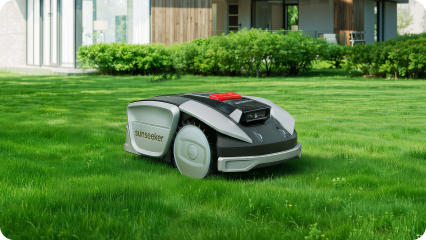
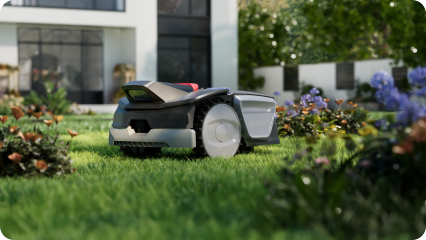
Mow the lawn slightly shorter than usual, but do not scalp it; the grass still needs leaf area to recover. Bag clippings, rake leaves, and remove loose sticks or stones. If thatch is more than 13 mm, dethatch first, then clear the debris. Pause any automatic mowing schedule with your GPS robot mowers until the lawn is watered in and stable underfoot before blades run again after top dressing.
Spread a Thin, Even Layer of Top Dressing
Drop the material in small piles, then spread it with a shovel, compost spreader, or the back of a landscape rake. Aim for 6 to 13 mm over the main lawn surface. Low spots can take a bit more, but the grass tips must stay visible. Stop immediately if the canopy disappears, because buried blades turn yellow fast and may not recover.
Work the Material Into the Grass
Brush the top dressing down through the blades with a leveling rake, stiff broom, drag mat, or the back of a rake. The target is soil contact, not a blanket over the leaves. Work in two directions to break up ridges and piles. If you see mats, clods, or covered crowns, pull material away at once and redistribute it to thinner areas.
Water Lightly and Protect the Lawn
Water lightly after spreading so particles settle and dusty material rinses off the blades. Do not flood the area; runoff will push the mix into low corners and undo your leveling work. Keep foot traffic, pets, and mowing off the lawn until the surface firms up and the grass stands upright again. If heavy rain is in the forecast, wait rather than risk washouts, ruts, and buried turf.
How Do You Care for a Lawn After Top Dressing?
Good aftercare helps the material settle evenly without smothering the grass or forming hard, muddy patches. Keep the surface lightly moist and avoid disturbing it while the turf recovers.
Water lightly after application
Give the lawn a gentle watering the same day to help the material settle. During dry weather, keep the top layer slightly damp for the next few days.
Break up remaining piles
Rake out clumps or thick spots as soon as you see them. Do not leave grass blades buried.
Limit traffic
Keep pets, children, and heavy equipment off the lawn until the surface is stable.
Check after rain
Smooth out ridges or washed material while it is still loose.
Delay extra fertilizer
Feed only when the lawn is already due. Yellow patches usually mean the layer is too thick, so uncover the grass tips and water lightly.
Wait before mowing
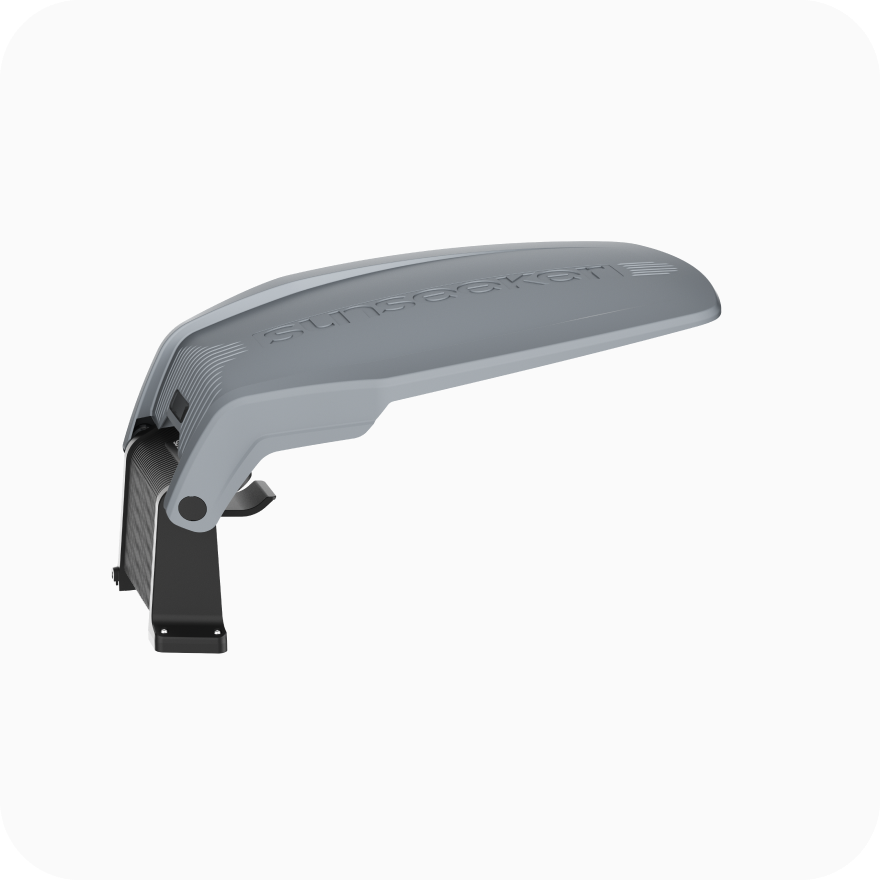
Resume mowing only when the grass is upright, the surface feels firm, and the mower will not collect or smear wet material. For larger or multi-zone lawns, you can use the Sunseeker S5 to set up virtual boundaries and exclude soft patches or newly seeded areas until they recover.
Conclusion
Now you know what top dressing is for a lawn. Top dressing works best when you use the right material, keep the layer thin, and time the job for active growth. It is a useful fix for minor leveling and surface-soil improvement, not a shortcut for drainage, shade, or severe compaction problems.
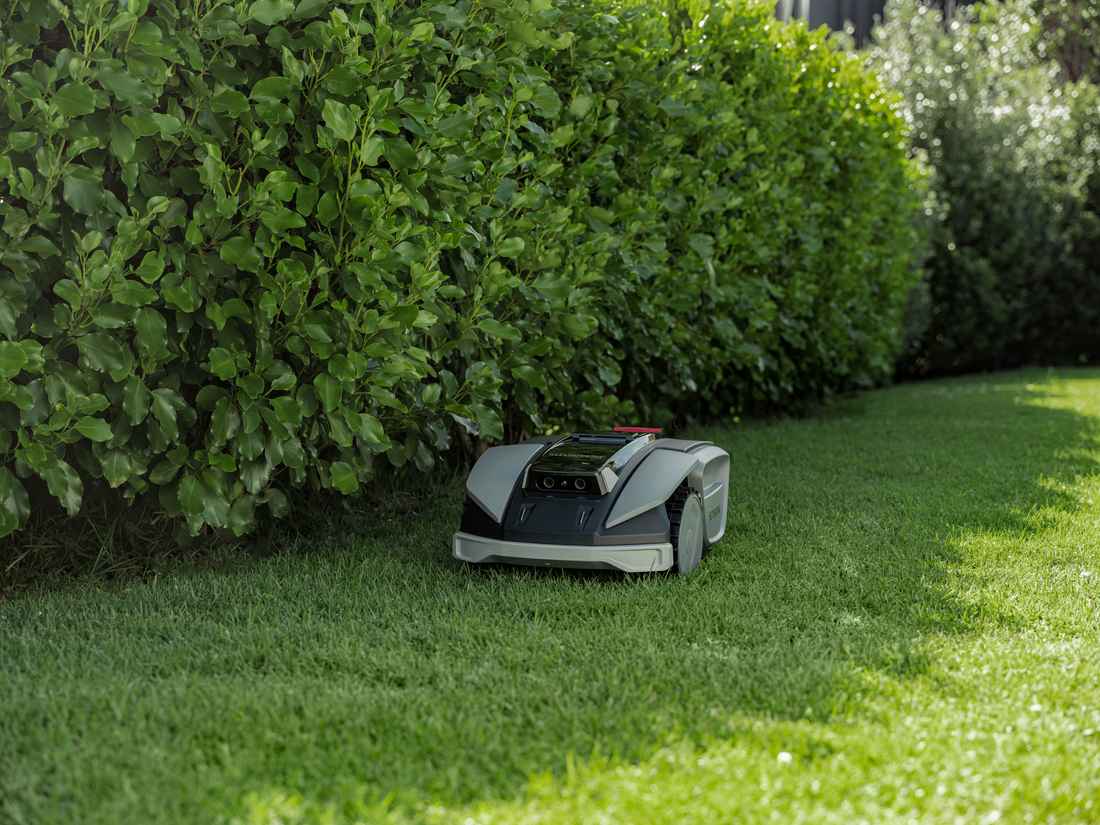
Once your lawn feels firm and the blades stand upright, regular mowing can resume. GPS robot mowers can support frequent, consistent cuts across larger lawns, while temporary no-go zones protect soft or newly seeded areas until the turf is fully established.
Frequently Asked Questions
What time of year should I top dress my lawn?
Top dress during active growth so the grass can recover and grow through the material. Apply it in early fall or spring for cool-season lawns and in late spring or early summer for warm-season lawns. Avoid periods of drought, extreme heat, dormancy, frost, or saturated soil. Aerating beforehand can improve results.
How deep should top dressing be?
Apply about 6 mm for routine soil improvement and no more than 13 mm in one treatment. The grass tips should remain visible above the material. Deeper low spots should be filled gradually over several applications. A thick layer can bury grass crowns, restrict sunlight, and suffocate otherwise healthy turf.
Is it better to top dress lawn with sand or soil?
Use screened topsoil or a soil-compost blend to improve poor soil and fill deeper depressions. Sand is more suitable for smoothing minor unevenness, particularly on sandy lawns. For most residential lawns, a mix matching the existing soil is safest. Avoid adding pure sand to heavy clay, as incompatible layers can cause drainage problems.
Is 10 cm of topsoil enough for grass?
10 cm can support grass, but 15 cm of good-quality topsoil is generally more reliable for deeper roots and better moisture retention. If limited to 10 cm, loosen the compacted soil underneath and blend the two layers slightly. Remove stones, correct drainage problems, and use screened topsoil before seeding or laying sod.