You step outside after a quiet night and notice small pits across the grass. A few may look harmless, but one deep hole near a walkway can quickly become annoying, especially if children, pets, or guests use the yard. The hard part is that the same lawn can show several kinds of holes, and each one points to a different cause.
Many homeowners search what is causing holes in my lawn because the damage appears suddenly and feels hard to trace. The clues are usually right in front of you: loose soil, raised tunnels, torn turf, sinking ground, or muddy spots after rain. The sections below help you match those signs with the most likely cause, then choose a practical repair.

What Causes Holes in Lawn?
The best first step is to inspect the hole before you fill it. Note the diameter, depth, soil mound, surrounding grass condition, and timing. Fresh holes in the morning often suggest overnight wildlife, while soft depressions after rain may point to water movement or soil collapse.
1. Squirrels Digging for Buried Food
Squirrels often leave shallow holes about 3 to 5 cm wide. They may appear in scattered clusters, especially under trees, near bird feeders, or around beds where acorns and seeds fall. These holes are usually neat and not very deep. Remove fallen nuts, clean feeder spills, and lightly tamp loose soil back into place. If grass is thin, add a little topsoil and seed so the patch closes quickly.
2. Birds Pecking for Insects or Grubs
Bird damage can look like many tiny pokes or small open spots across the lawn. Crows, starlings, and other birds often peck where insects are close to the surface. The holes may not be deep, but the turf can look messy if feeding continues. Check the root zone for grubs or larvae. Treat pests only when numbers are high, then rake the surface smooth and reseed bare spots as needed.
3. Skunks or Raccoons Tearing Turf at Night
Skunks and raccoons can create rough, cone-shaped holes or patches of lifted turf while searching for grubs. The damage usually appears overnight and may look worse than bird or squirrel digging. You might see peeled-back grass, scratch marks, or loose chunks of soil. Reduce food sources, secure trash and pet food, and inspect for grubs. After pest pressure drops, press loose turf back down and repair bare areas.
4. Moles Creating Raised Tunnels
Moles do not usually make simple surface holes. They create raised ridges, soft tunnels, and occasional soil mounds as they move underground for worms and insects. The lawn may feel spongy or uneven when you walk across it. Flatten inactive tunnels, monitor fresh runs, and avoid watering too often because moist soil attracts more earthworms and insects. If tunnels spread quickly, use targeted mole control or call a wildlife specialist.
5. Voles Making Small Runways and Openings
Voles leave narrow runways through grass and small openings near mulch beds, shrubs, fences, or thick ground cover. Their damage often becomes more visible after snow melts or after tall grass is cut. Unlike moles, voles eat plant material and can chew roots or crowns. Keep grass trimmed, reduce dense cover near lawn edges, and fill shallow tracks with soil. Reseed thin strips once active movement stops.
6. Grubs and Soil Insects Attracting Digging Animals
Grubs may not create the biggest holes themselves, but they weaken roots and attract animals that dig for them. A lawn with grubs may show brown patches, loose sod, and sudden wildlife activity. Pull gently on damaged grass; if it lifts easily like a loose mat, roots may be eaten. Inspect a 1-square-foot section of soil. If you find several grubs, use an appropriate lawn treatment at the right seasonal timing, then repair the surface.
7. Soil Settling, Buried Debris, or Decaying Roots
Some holes have nothing to do with animals. Old tree roots, buried wood, construction debris, or poorly compacted backfill can break down and leave sunken areas. These holes often look irregular and may return after you top them up. Dig carefully to check for rotten material or voids. Remove debris if possible, refill with quality topsoil in layers, and firm each layer gently so the area stays level after watering.
8. Drainage Problems, Erosion, or Irrigation Leaks
Water can wash soil away and leave holes near downspouts, slopes, low spots, or sprinkler lines. These areas may look muddy after storms, feel soft underfoot, or show exposed roots and thin grass. An irrigation leak can also create a hidden cavity below the turf. Redirect runoff, repair leaking sprinkler parts, and improve drainage before patching. Then add soil, level the surface, and protect new seed until roots hold the area.
How Do You Repair and Prevent Lawn Holes?
Repair works best when you solve the source first, then restore the surface. Filling a hole without checking the cause may hide the problem for a short time, but animals, water, or settling soil can open the same spot again.
Treat the Root Cause
Start by matching the hole pattern to the likely cause. Small scattered pits may need food-source cleanup and light repair. Torn turf may require grub inspection. Raised ridges call for mole monitoring. Soft, sinking areas need a drainage or settling check. Take photos over several days if the pattern is unclear. Fresh holes that grow overnight usually suggest active wildlife, while holes that appear after rain often point to water movement.
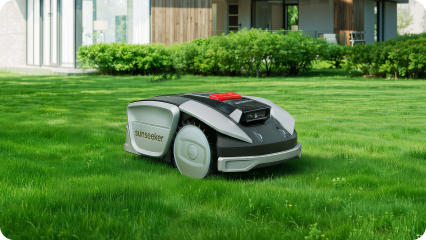
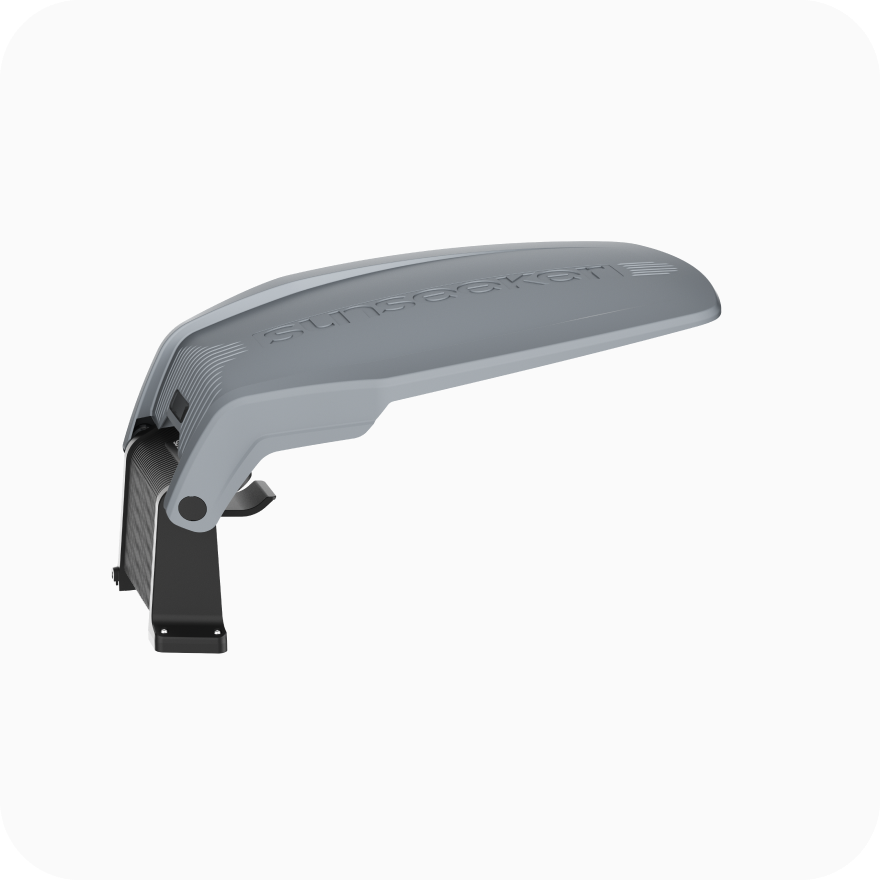
Routine mowing and clear lawn visibility can help you catch new damage early. For smaller yards, the Sunseeker V1 supports wire-free mowing with Vision AI boundary recognition, obstacle avoidance, and app scheduling, so the grass can stay tidy enough for new holes or soft spots to stand out. That makes inspection easier during regular lawn care, especially around edges, beds, and narrow passages.

Fill and Level the Hole
Clear loose debris, rocks, or dead roots before adding soil. Use screened topsoil or a lawn repair soil mix, not heavy clay or pure sand. For holes deeper than 8 cm, add soil in layers and press each layer gently. This reduces later sinking. Bring the final surface level with the surrounding lawn, or leave it just slightly higher if the soil is fluffy. Water lightly to settle it before seeding.
For deeper animal burrows, do not push a mower or walk heavily across the area until you know it is stable. If the hole is near a foundation, walkway, retaining wall, or large tree, inspect more carefully. A small surface opening can hide a larger underground void. In those cases, fill slowly, watch for fresh sinking, and consider professional help if the depression keeps returning.
Reseed or Patch the Damaged Area
After leveling, loosen the top 13 mm of soil and spread grass seed that matches your existing lawn. Press the seed into the soil for good contact, then cover it lightly with compost, straw, or a seed cover product. Keep the area consistently moist until seedlings establish. In warm weather, that may mean light watering once or twice a day for the first week, then less frequent, deeper watering as roots develop.
Sod can be better for larger holes, high-traffic areas, or places where bare soil may wash away before seed germinates. Cut the damaged area into a simple square or rectangle, lay sod on level soil, and press the edges firmly so there are no gaps. Keep foot traffic off the patch for at least two weeks. As part of ongoing care, Robot Lawn Mowers without Perimeter Wires can help maintain a cleaner, more consistent lawn surface once repaired areas are established.
Conclusion
Holes in a lawn can look random, but the pattern usually tells a story. Scattered shallow holes may come from squirrels or birds, torn patches may point to grubs and nighttime wildlife, and soft depressions often suggest water or soil movement. The right fix starts with diagnosis, then moves to filling, leveling, and reseeding. When you keep the lawn visible, healthy, and consistently maintained, small problems are easier to catch before they turn into larger repairs.
FAQs
How do I get rid of holes in my lawn?
Identify the cause before filling the holes. Check for digging animals, grubs, tunnels, drainage issues, and settling soil. Once the source is handled, clear loose debris, refill with screened topsoil, level the surface, and reseed or sod the patch. Keep the repaired area moist until new roots are established.
Why are there holes in my yard all of a sudden?
Sudden holes often come from overnight wildlife, especially skunks, raccoons, squirrels, or birds searching for insects. Heavy rain can also expose weak soil, erosion, or hidden irrigation leaks. Look at the hole shape and timing. Torn grass usually suggests animals, while muddy sinking areas often suggest water or soil movement.
What do you put on lawns to fill holes and even out the ground?
Use screened topsoil or a lawn repair soil mix for most holes. Add it in layers for deeper spots and firm each layer gently. Avoid filling with gravel, heavy clay, or pure sand unless a drainage plan calls for it. After leveling, add matching grass seed or sod to restore the surface.