The same lawn can look neat at one cutting height and stressed at another. When grass is cut too short too often, it loses too much leaf area and becomes less able to handle heat and dry weather. Letting it grow too tall can also leave the lawn uneven and harder to manage.
The best mowing height depends mainly on the grass species and the conditions it is growing in. This blog explains how to choose the right range, when to adjust it during the season, and how often to mow so each cut removes only a small part of the grass blade.
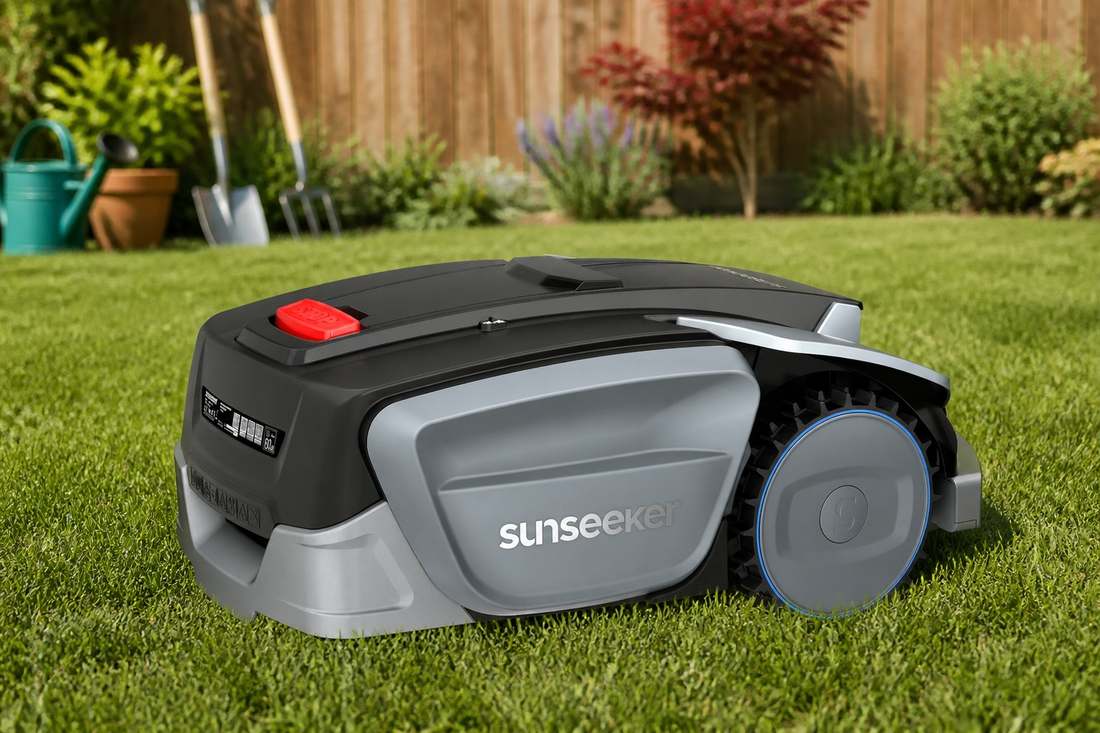
What's the Best Lawn Mowing Height?
There is no single best height for every lawn. Cool-season grasses generally benefit from a taller canopy, while many warm-season grasses tolerate or prefer a shorter cut when they are actively growing.
For many cool-season home lawns, a practical target is around 6-9 cm, especially for tall fescue or mixed lawns. Kentucky bluegrass and fine fescue can often be maintained somewhat lower, around 4-6.5 cm, although a taller setting is useful in summer or shade. Warm-season grasses cover a wider range: bermudagrass and zoysiagrass can be kept around 2-5 cm, centipedegrass around 2.5-5 cm, and St. Augustinegrass commonly around 6.5-10 cm.
Height is only half of the mowing decision. Frequency matters because the plant responds to how much leaf tissue is removed at one time. A useful rule is to avoid cutting off more than about one-third of the existing blade length in a single mowing. If the lawn has become overgrown, reduce it gradually over two or more cuts rather than dropping directly to the normal setting.
What Is the Right Mowing Height for Your Grass Type?
Use the table as a starting range, then stay toward the taller end when the lawn is shaded, drought-stressed, newly recovering, or growing slowly. Local cultivar guidance can refine the setting further.
| Grass type |
Typical mowing height |
| Bahiagrass |
5-10 cm |
| Bermudagrass |
2-5 cm |
| Centipedegrass |
2.5-5 cm |
| Fine fescue |
4-6.5 cm |
| Kentucky bluegrass |
4-6.5 cm |
| St. Augustinegrass |
6.5-10 cm |
| Tall fescue |
6.5-9 cm |
| Zoysiagrass |
2-5 cm |
These are mowing ranges, not fixed numbers that must be held all year. A lawn at the upper end often has more leaf area for photosynthesis and more shade over the soil surface. A lawn at the lower end generally needs more frequent mowing because even a small amount of new growth can exceed the one-third removal guideline.
Why Does Mowing Height Matter for Lawn Health?
Mowing changes the amount of leaf surface the plant can use, so the setting affects more than appearance. A suitable height supports the turf system above and below the soil line.
Taller leaf area supports photosynthesis. More healthy green tissue can produce carbohydrates that help sustain roots, shoots, and recovery after normal wear.
A denser canopy shades the soil. That can reduce light reaching some weed seedlings and slows direct heating and drying of the surface during hot weather.
Correct height reduces scalping risk. Very low cutting can expose stems or crowns, especially on uneven ground, leaving yellow or brown patches that need time to recover.
Height influences rooting and stress tolerance. Repeatedly removing too much foliage can reduce the plant’s energy reserves, making heat, drought, traffic, and disease pressure harder to tolerate.
Consistent height improves mowing quality. When the mower removes a small amount frequently, clippings are shorter, the surface looks more even, and the lawn avoids the shock of an occasional severe cut.
How Should Mowing Height Change With Season and Stress?
Your normal grass-type range is the baseline, but lawn conditions are not constant. Small height adjustments can preserve more leaf area when growth is under pressure and reduce unnecessary stress.
Summer Heat and Drought
Move toward the upper end of the recommended range during sustained heat or dry periods. For example, raising the setting by about 1 cm can leave more leaf area to shade the soil and support the plant. Slow the mowing schedule as growth slows; do not mow merely because a calendar says it is time. If grass is visibly wilted or the soil is very dry, wait until the lawn has recovered enough to stand upright and cut cleanly.
Shade
Grass growing under trees or beside buildings receives less light, so it benefits from keeping more leaf surface. Tall fescue in shade, for example, is commonly kept around 7.5-10 cm rather than pushed to the lowest possible setting. Also reduce traffic in heavily shaded areas because thin turf has less capacity to repair wear.
Recovery From Damage
After heat stress, disease, renovation, or heavy traffic, avoid an aggressive “cleanup” cut. Let new leaf growth rebuild before returning to the normal height. If the lawn is 9 cm tall and your target is 6 cm, cutting directly to 6 cm removes one-third; if it has reached 12 cm, take it down in stages instead of removing half the blade at once.
Final Mows Before Dormancy
Do not automatically scalp the lawn before winter. Continue within the normal species range while active growth slows, then make the final cut when the grass actually needs it. Removing excessive leaf area late in the season does not create a healthier dormant lawn; a normal final height keeps the crown protected without leaving an unusually long, matted canopy.
How Do You Set the Mower to the Right Height?
The number printed beside a mower lever is not always the blade height in centimetres. The reliable approach is to measure the grass after a test pass and adjust from the actual cut.
Start on level ground and set the mower near the middle of the recommended range for your grass. Mow a small area, then measure several freshly cut blades from the soil surface to the leaf tip. Check more than one spot because wheel ruts, slopes, and uneven ground can change the effective height. If the lawn is tall, calculate the next safe cut before lowering the deck again.
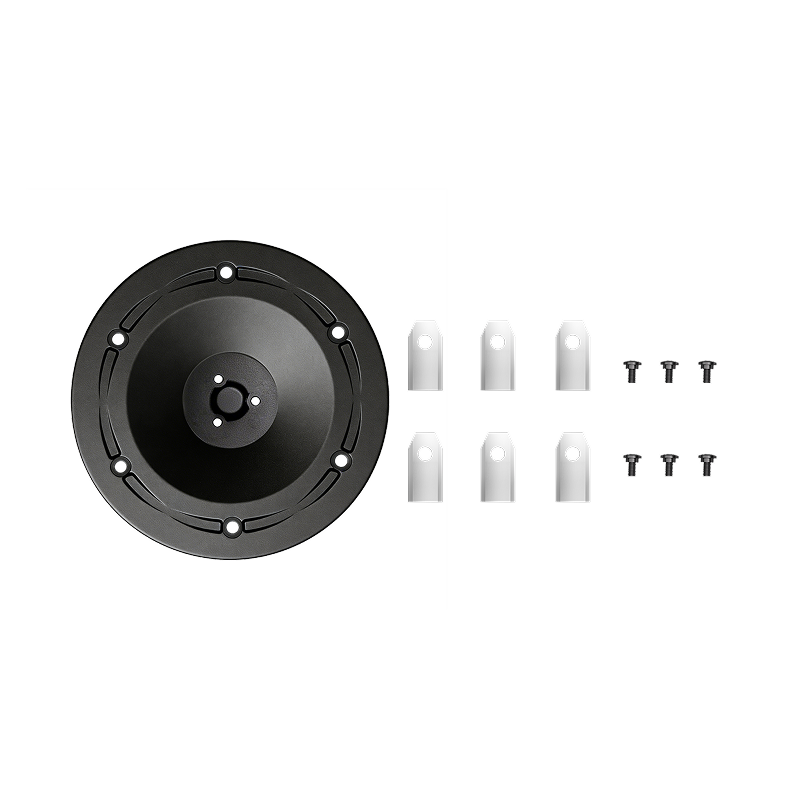
Keep blades sharp enough to leave a clean edge. Shredded, pale tips often indicate dull blades rather than an incorrect height. Also avoid mowing wet turf when possible because wet blades bend, clump, and can produce an uneven result.
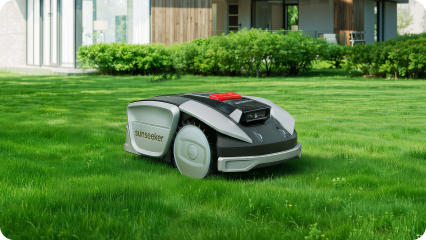
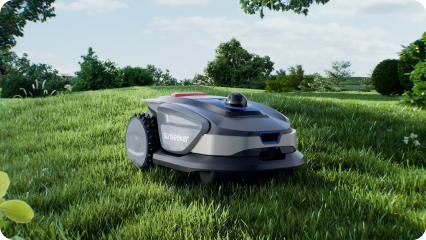
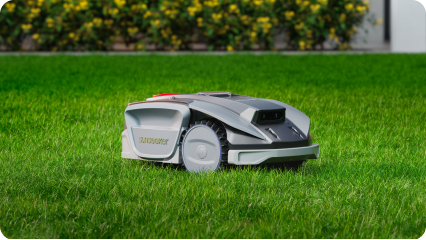
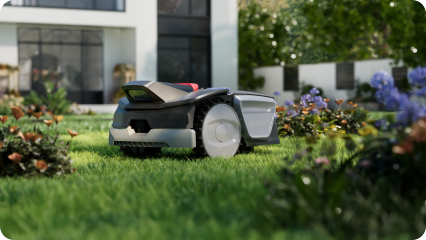
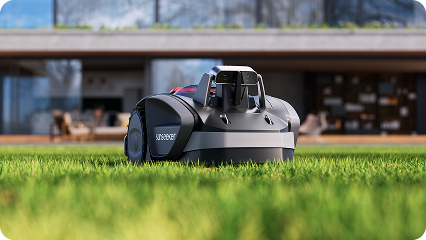
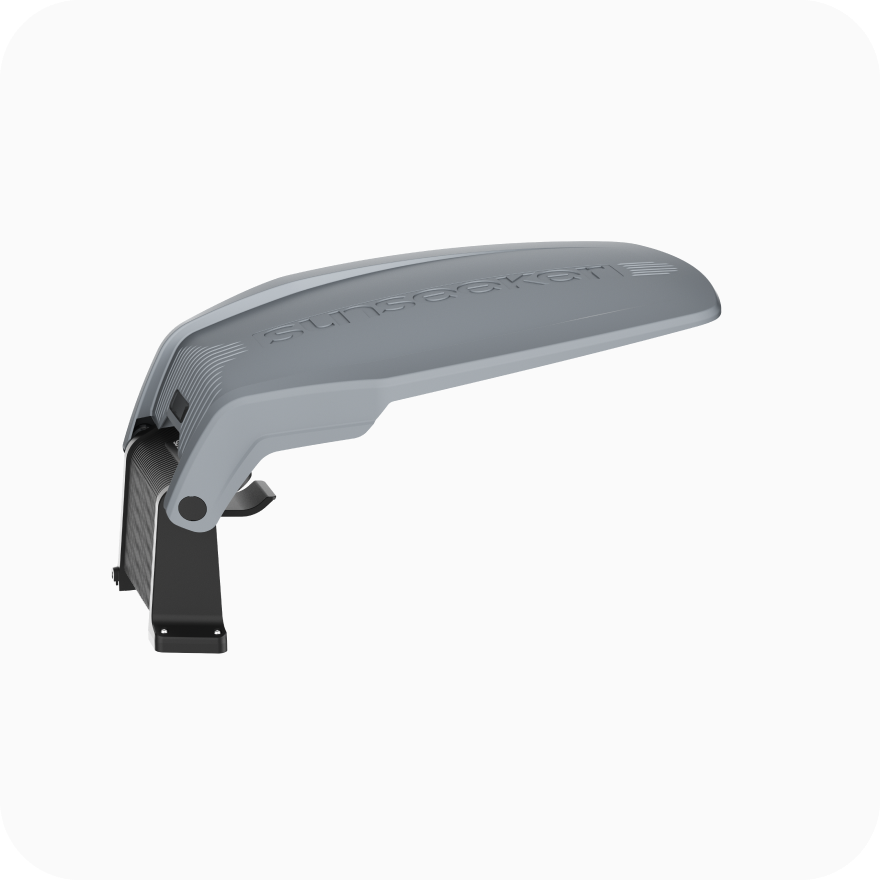
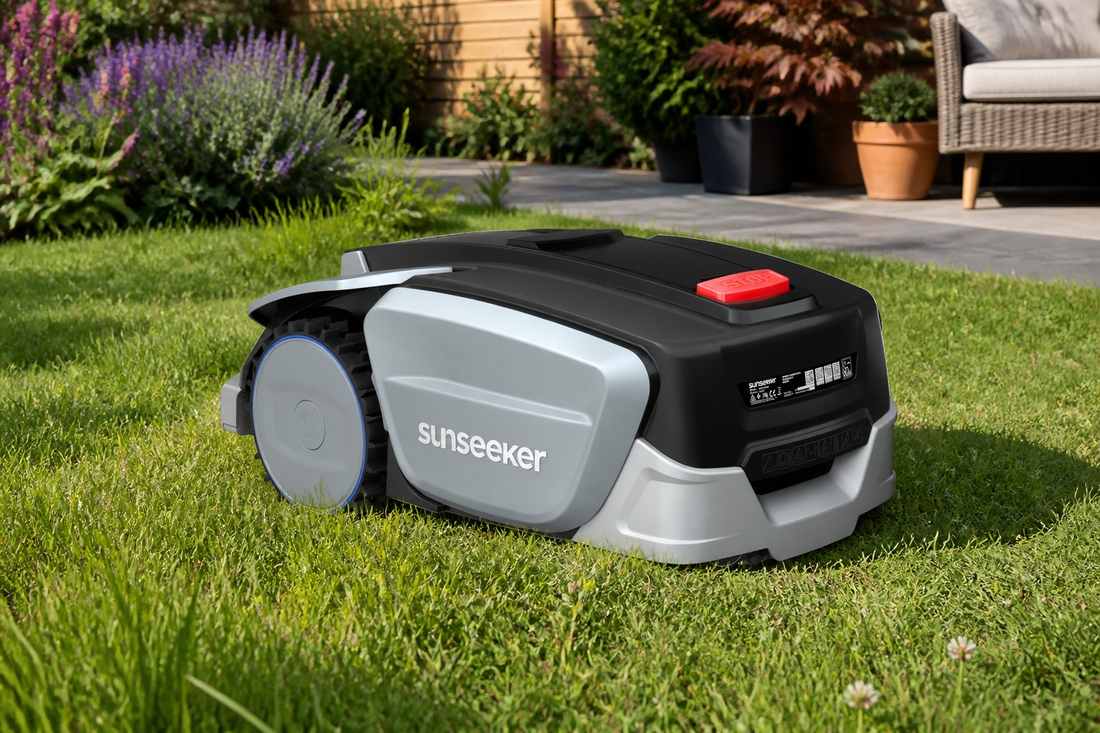
For lawns that fit its 20-60 mm cutting range, the Sunseeker S5 provides a practical way to keep a repeatable setting while its floating cutting system follows uneven ground. Its 20 cm cutting width and planned mowing paths are most useful when the goal is frequent, light cuts rather than letting the lawn grow long between sessions.
What Happens If You Cut Grass Too Short or Leave It Too Tall?
Both extremes can create problems, but they do so for different reasons. The best correction is usually gradual rather than a dramatic reset in one mowing.
Cutting too short can scalp high spots, expose stems, reduce photosynthetic leaf area, and increase stress during hot or dry weather. Repeated close mowing also opens the canopy and may give weeds more opportunities where turf density declines. If a lawn has been scalped, raise the setting, keep normal moisture management, and wait for healthy leaf growth before lowering it again.
Leaving grass far above its recommended range can make the canopy floppy and uneven. When finally cut, the mower may remove too much tissue, leaving pale stems exposed and heavy clippings on the surface. Long grass can also fold over and make it difficult to achieve an even pass. Bring an overgrown lawn down over several mowings, allowing a few days of active growth between cuts when conditions are favorable.
The practical middle ground is a steady mowing rhythm matched to growth. In fast spring growth that may mean cutting every few days; in midsummer stress it may mean much less often. Judge the lawn by blade length and condition, not by a fixed weekly rule.
Conclusion
The answer to what height should i cut my lawn starts with grass type, then moves with heat, shade, and recovery. Keep most home lawns inside their species range, stay taller under stress, and avoid removing more than about one-third at once. A consistent mowing rhythm is easier on turf than occasional severe cuts. For suitable lawns, Robot Lawn Mowers can help maintain frequent, light trimming while you keep the target height aligned with the grass and season.
FAQ
What is the healthiest height to cut grass?
There is no universal height. Tall fescue often performs well around 6.5-9 cm, Kentucky bluegrass around 4-6.5 cm, St. Augustinegrass around 6.5-10 cm, and bermudagrass around 2-5 cm. Use the taller end during heat, drought, or shade and avoid removing more than one-third per cut.
Is 2 inches too low to cut grass?
About 5 cm is appropriate for some grasses, including many bermudagrass, zoysiagrass, and centipedegrass lawns, but it can be too low for tall fescue or St. Augustinegrass. The grass species matters more than the number alone. If you are unsure, identify the turf first and choose a setting inside its recommended range.
Should you mow in 100 degree weather?
Avoid mowing during extreme heat near 38°C if the lawn is wilted, drought-stressed, or the soil is very dry. If mowing is necessary, wait for a cooler part of the day, keep the cut high, remove only a small amount, and make sure the blades are sharp so stressed grass is not torn.