A lawn can stay pale and slow-growing even after fertilizer is applied. In some cases, the problem is not a lack of nutrients but soil that is too acidic for grass roots to use them efficiently. Adding more fertilizer may do little until the pH issue is corrected.
Lime can help when a soil test shows that acidity is the real problem, but it should not be applied as a routine treatment. This blog explains when lime is useful for lawns, how soil pH affects the decision, how much lime may be needed, and when another soil treatment makes more sense.
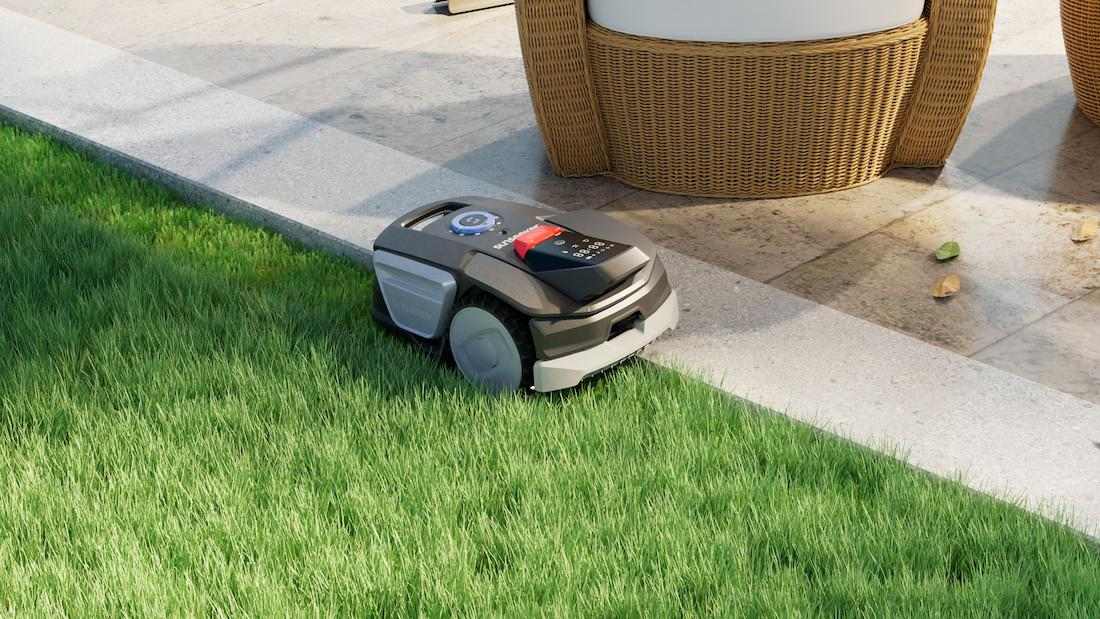
What Does Lime Actually Do to Lawn Soil?
Lime works by neutralizing soil acidity and gradually raising pH. That chemical change can improve the root-zone environment, but the benefit depends on starting pH, soil texture, and the grass you grow.
Raises acidic soil pH. Ground limestone reacts with acidity in the soil, moving pH upward over time rather than changing it immediately after spreading.
Improves nutrient availability when low pH is the limiting factor. Around a suitable pH range, grass can use nutrients such as phosphorus more effectively than it can in strongly acidic soil.
Supplies calcium, and sometimes magnesium. Calcitic limestone is primarily a calcium source; dolomitic limestone also supplies magnesium when a soil test indicates that magnesium is low.
Supports soil biological activity. A less acidic root zone can create better conditions for many soil microorganisms involved in organic matter breakdown and nutrient cycling.
Does not replace fertilizer. Lime contains no meaningful nitrogen boost for turf, so it should not be used as a substitute for a nutrient program or as a quick color treatment.
Most turfgrasses are commonly managed in mildly acidic to near-neutral soil, often around pH 6-7, but species differ. Centipedegrass, for example, prefers more acidic conditions than Kentucky bluegrass. That is why applying lime without knowing the grass and the current soil pH can create a new problem instead of solving one.
How Do You Know If Your Lawn Needs Lime?
Visible symptoms can suggest a soil problem, but they cannot tell you the lime rate. A soil test is the deciding tool because it measures pH and can provide a lime recommendation for the sampled lawn.
Acidic Soil and Nutrient Lockout
When pH is too low for the turf species, nutrient availability and root performance can decline. The lawn may grow weakly even after normal fertilizer applications because the issue is the chemical environment around the roots. Many common lawn grasses are managed around pH 5.5-7.0, but the target should come from species-specific guidance. Centipedegrass is a notable example that often performs well around pH 5.0-6.0 and should not be limed simply because another lawn species would benefit.
Weak Response to Normal Fertilizing
If the lawn receives appropriate nitrogen, water, and mowing yet stays thin or pale, low pH is one possible cause. It is not proof. Compaction, poor drainage, iron chlorosis, disease, shade, or incorrect fertilizer timing can produce similar symptoms. Test the soil before adding lime so you do not raise pH unnecessarily and make iron or manganese less available.
Which Type of Lime Should You Use?
Once a soil test confirms a need, choose a material that supplies the required neutralizing power and spreads evenly. The best type depends mainly on magnesium status and product quality, not on marketing terms.
Calcitic Lime
Calcitic limestone is primarily calcium carbonate. It is the usual choice when the soil needs a pH increase but magnesium is already adequate. Check the label for calcium carbonate equivalent or a similar neutralizing-value measure because two bags of limestone can differ in how much acidity they can neutralize. Finer particles react faster because they expose more surface area to the soil.
Dolomitic Lime
Dolomitic limestone contains both calcium and magnesium carbonates. Use it when the soil test shows low pH and a need for magnesium. Do not choose dolomitic lime automatically on the assumption that “more nutrients” is better. Repeated unnecessary magnesium additions are not a substitute for following the actual test recommendation.
Pelletized or Granular Lime
Pelletized lime is finely ground limestone formed into larger granules with a water-soluble binder. Its main homeowner advantage is handling: pellets flow through common drop or rotary spreaders more easily and create less dust than loose powder. Once wet, the pellets break apart and the limestone particles begin reacting. Pelletized form does not remove the need to compare neutralizing value or follow the soil-test rate.
How Should You Apply Lawn Lime?
Apply lime as a measured soil amendment, not as a routine seasonal product. The objective is uniform coverage at the soil-test rate while keeping excess material off paved areas and sensitive planting beds.
Start with the test rate. As a safety reference, many turf recommendations limit a single established-lawn application to roughly 24 kg per 100 m²; larger requirements are commonly split into later applications rather than dumped on at once.
Measure the lawn area before opening the bag. Multiplying length by width for each section prevents a small yard from receiving a rate intended for a much larger area.
Calibrate the spreader for the product. A useful method is to apply half the required amount in one direction and the other half at right angles, improving coverage uniformity and reducing stripes.
Keep lime off hardscape and ornamental beds. Sweep granules from paths, patios, and driveways, and avoid sending lime into areas where acid-loving plants may be rooted.
Water lightly if the product label calls for it. Moisture helps pelletized products break down and brings fine particles into contact with the soil, but heavy irrigation that creates runoff is unnecessary.
Give the correction time. Surface-applied lime moves slowly, and a meaningful pH change can take several months; some lawn guidance allows 6-12 months for the full reaction, especially when the material is not incorporated.
Autumn is often convenient because cooler conditions and seasonal moisture support gradual movement into the surface soil, but limestone can be applied at other times when the ground is not frozen, snow-covered, or saturated. If the lawn also needs aeration, applying lime around that work can improve contact with the upper root zone.
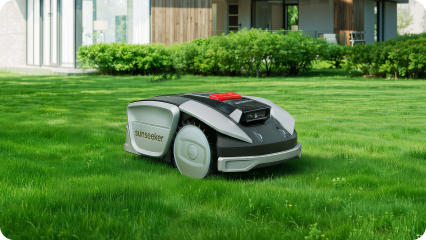
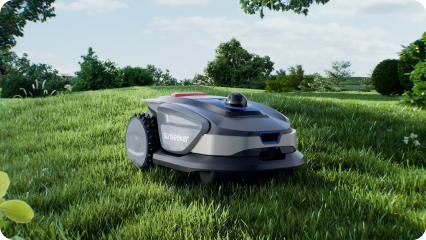
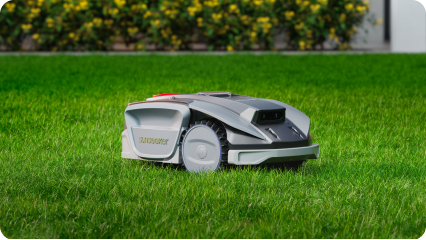
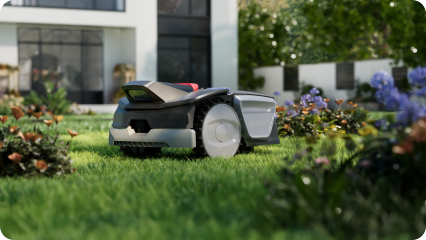
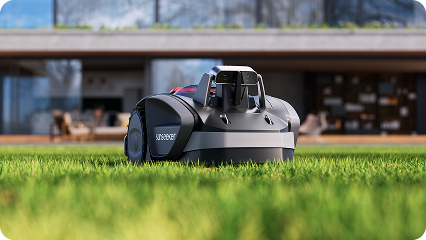
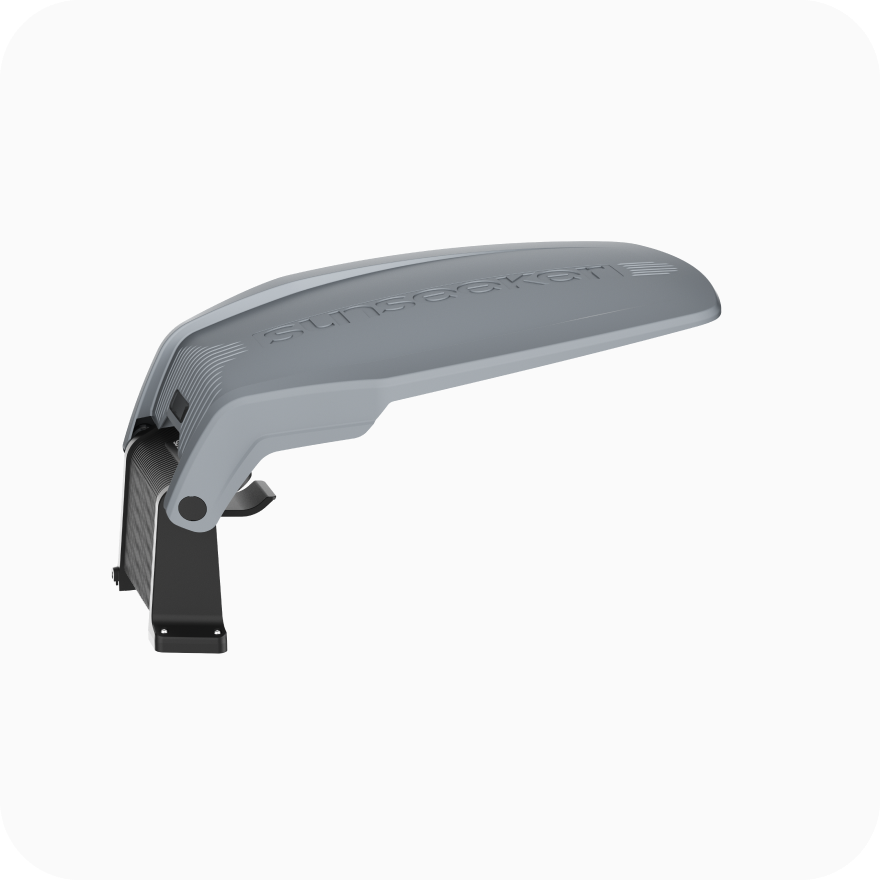
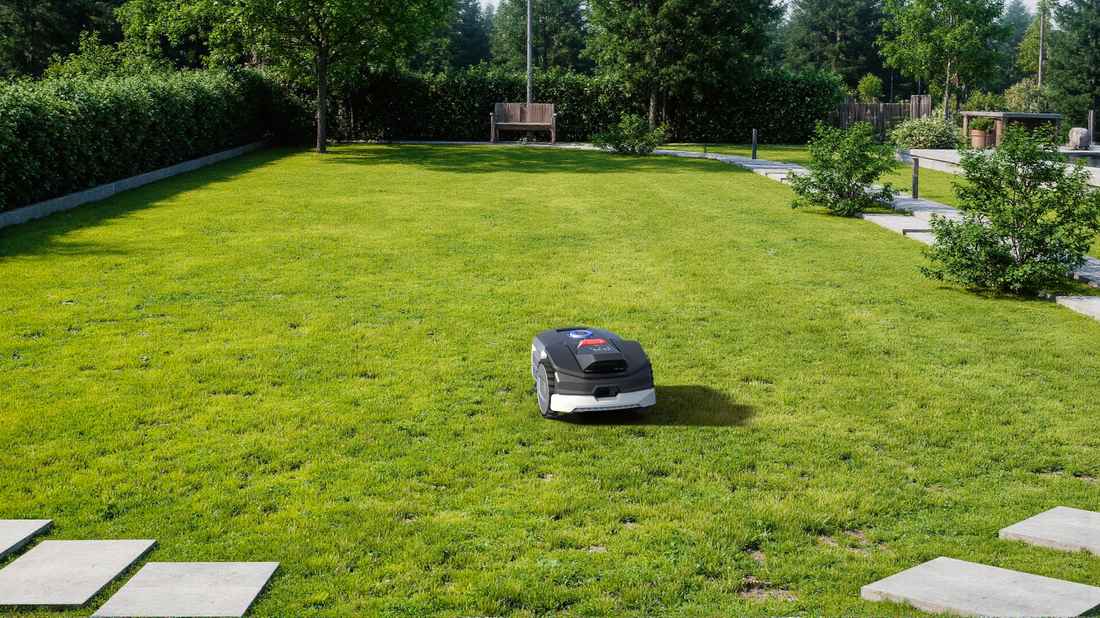
Once granules are watered in and the surface is dry, normal mowing can resume. For a small lawn maintained in the 20-50 mm range, the Sunseeker V1 uses a floating cutting system and a 16 cm cutting width to keep routine trimming consistent without changing the soil treatment itself. Keeping mowing steady after a pH correction helps you judge new growth on a stable maintenance schedule rather than confusing mowing stress with the lime response.
Conclusion
What does lime do for lawns? It raises acidic soil pH and can restore a better nutrient environment when a soil test confirms the need. Test first, choose calcitic or dolomitic limestone according to magnesium status, spread the recommended amount evenly, and expect the reaction to take months rather than days. After the soil correction, consistent mowing, watering, and fertilizing still matter; Robot Lawn Mowers can support the mowing side of that routine while lime addresses the root-zone chemistry.
FAQ
When should I apply lime to my lawn?
Lime can be applied during much of the year when soil is workable, but autumn is often preferred because cooler weather and seasonal moisture allow a gradual reaction. Do not spread it over frozen or snow-covered turf. If your soil test calls for a large amount, split the total into separate applications at the recommended interval.
Can you put too much lime on your lawn?
Yes. Excess lime can push soil pH above the useful range for your grass and reduce availability of micronutrients such as iron and manganese. Avoid guessing. Follow a current soil-test recommendation and the product’s neutralizing value. On established turf, large requirements are commonly divided so one application does not overload the surface.
Will lime make my lawn green?
Lime may improve color and growth if low soil pH was limiting nutrient availability, but it is not a fast greening fertilizer. The pH reaction develops over months, and a lawn with adequate pH will not become greener just because more lime is added. Diagnose nitrogen, iron, drainage, shade, and disease separately.