A lawn may keep its full, healthy growth yet still lose the deep green color you expect. When fertilizer has already been applied and the grass is not thinning, the issue may be less about overall nutrition and more about how well the plant can access iron.
Iron treatments can restore color quickly when iron deficiency is the real cause, but pale grass has several possible triggers. This blog explains how to recognize an iron problem, when foliar or soil-applied iron makes sense, how soil pH affects availability, and when yellowing is more likely linked to nitrogen, moisture, mowing, disease, or seasonal stress.
What Does Iron Do for Grass?
Iron is required in small amounts, but its effect on appearance can be obvious. It supports chlorophyll formation and several plant enzymes, so correcting a real deficiency often changes color faster than it changes growth.
Supports chlorophyll formation. Iron is not itself the chlorophyll molecule, but grass needs available iron to produce chlorophyll and maintain normal green leaf tissue.
Deepens color without a large growth flush. Supplemental iron is commonly used when the goal is greener turf without adding the same shoot growth that a nitrogen application can trigger.
Helps correct iron chlorosis. Deficiency often appears as pale yellow new growth, sometimes with greener veins or striping while older leaves remain less affected.
Acts quickly when applied to foliage. A suitable foliar iron treatment can produce visible greening within about one to two days, although the color response is usually temporary.
Works only when iron availability is the problem. Adding iron will not repair scalping, compaction, drought injury, disease, or a true nitrogen deficiency.
Because iron is a micronutrient, “more” is not automatically better. The right treatment supplies enough available iron to correct color without coating leaves with excessive salts or leaving overspray on concrete, stone, walls, or other surfaces that can develop rust-colored stains.
How Do You Know If Your Lawn Needs Iron?
Start with the pattern of yellowing and the lawn’s overall growth. Iron deficiency has useful clues, but soil pH, moisture, and nutrient history help separate it from other common causes of pale turf.
Pale New Growth
Iron is not readily moved from older leaves into new tissue, so deficiency tends to show first in young leaves. New blades may emerge pale green or yellow while veins remain more green, creating an interveinal or striped appearance. Nitrogen deficiency more often produces a broader, uniform pale color and is commonly noticeable on older tissue first. If the pattern is unclear, test before repeatedly adding either nutrient.
High Soil pH
A lawn can contain plenty of total iron in the soil and still be iron-deficient because the nutrient is chemically unavailable. As soil becomes alkaline, especially above about pH 7-7.5, iron becomes less soluble. Overwatering, poorly drained soil, and free lime can make the problem worse. In high-pH conditions, foliar iron often gives a more reliable short-term color response than ordinary soil-applied iron salts.
Healthy Density but Weak Color
If the turf is dense, growing at a normal rate, and not showing classic drought or disease symptoms, yet color remains weak, iron becomes a more plausible candidate. That is especially true when recent nitrogen was adequate. Adding more nitrogen simply to chase dark color can produce soft, fast growth and more mowing without solving iron availability.
Iron Chlorosis Patterns
Look for chlorosis that follows soil conditions rather than mowing lines. Low spots that stay wet, areas over calcareous fill, or sections with a higher pH can yellow differently from the rest of the lawn. A soil test can confirm pH and help identify conditions that reduce iron availability. If only mower-high spots are pale or brown, scalping is more likely than an iron shortage.
Which Type of Lawn Iron Fits Your Situation?
Iron products differ in how quickly the nutrient reaches leaves and how well it remains available in the soil. Match the form to the problem, pH, and the response you need.
Liquid Iron
Liquid or soluble iron is commonly applied as a foliar spray. Because leaves absorb the nutrient directly, color can improve within one or two days when deficiency is present. The effect is temporary, often around two to four weeks during active growth, so repeated applications may be needed if the underlying pH condition remains. Spray carefully because drift and runoff can stain hardscape.
Granular Iron
Granular lawn fertilizers sometimes include iron, but the amount and chemical form vary. Ordinary inorganic iron that reaches alkaline soil may quickly convert to forms the grass cannot absorb, so a soil application can give a weaker color response than a foliar treatment. Granules are convenient for broad coverage, but the label should state the iron source and application rate rather than relying on the percentage alone.
Chelated Iron
Chelated iron binds the nutrient to an organic molecule that helps keep it available under conditions that would otherwise tie it up. Different chelates remain stable over different pH ranges, so the product must match your soil. In strongly alkaline soil, a chelate designed for higher pH is more useful than a general-purpose form. Apply soil-directed chelates into the root zone and water them in as the label instructs.
How Should You Apply Iron Without Burning Grass or Staining Hardscape?
Safe application is mostly about rate, coverage, and placement. Iron can be very effective at low amounts, but overlapping sprays or stray product on pavement can turn a simple color treatment into a cleanup problem.
Confirm the diagnosis first. Check recent nitrogen use, irrigation, mowing injury, and soil pH so you are not treating yellow grass for the wrong cause.
Follow the product label exactly. For soluble ferrous products, turf guidance often uses small foliar doses; one extension reference converts to roughly 60-120 g of product per 100 m² as a typical corrective range, depending on formulation.
Apply evenly and avoid overlap. Double coverage can cause very dark, grey, or blackened leaf tissue even when a single pass would have produced a normal green response.
Keep spray off concrete, stone, walls, fences, and painted surfaces. Iron salts can leave persistent rust-colored stains, so use shields near edges and rinse accidental contact immediately according to the product label.
Choose a calm, moderate period. Avoid spraying drought-wilted turf or during extreme heat, and do not apply just before heavy rain that can wash a foliar treatment off the leaves.
Evaluate the response before repeating. Foliar greening may appear within 24-48 hours and often lasts two to four weeks; if the lawn repeatedly fades, investigate pH, drainage, or other root-zone causes rather than escalating the dose.
Do not mix iron casually with herbicides, fertilizers, or other lawn chemicals. Tank compatibility, water pH, and label restrictions vary by product. If the directions do not explicitly allow a combination, apply separately. Wear the protective equipment specified on the label and clean the sprayer before iron residue dries inside nozzles or on exterior surfaces.
When Is Iron Not the Right Fix?
Iron is useful for a specific color and deficiency problem, not as a universal treatment for weak turf. If the lawn is thin, damaged, or growing poorly, solve the underlying stress before adding more micronutrient.
Uniform yellowing with slow growth can point to nitrogen deficiency. Brown or pale strips that follow mowing contours can indicate scalping or dull blades. Persistent wet areas may have poor root function, and high phosphorus can also contribute to iron chlorosis in some turf. Disease, herbicide injury, compaction, and drought each require different corrections.
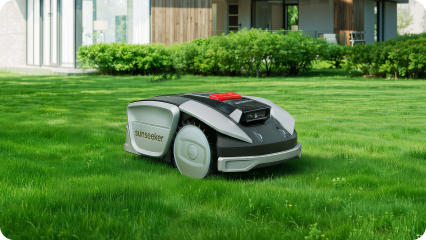
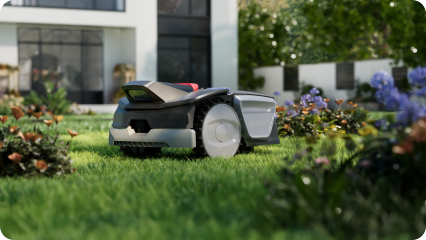
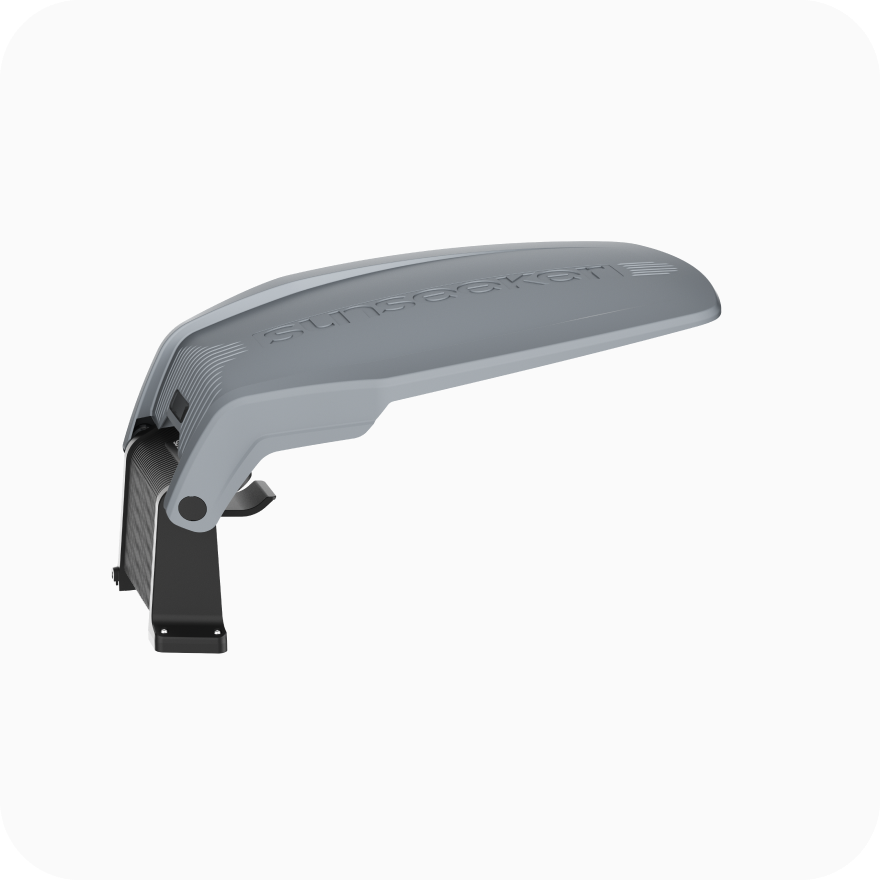
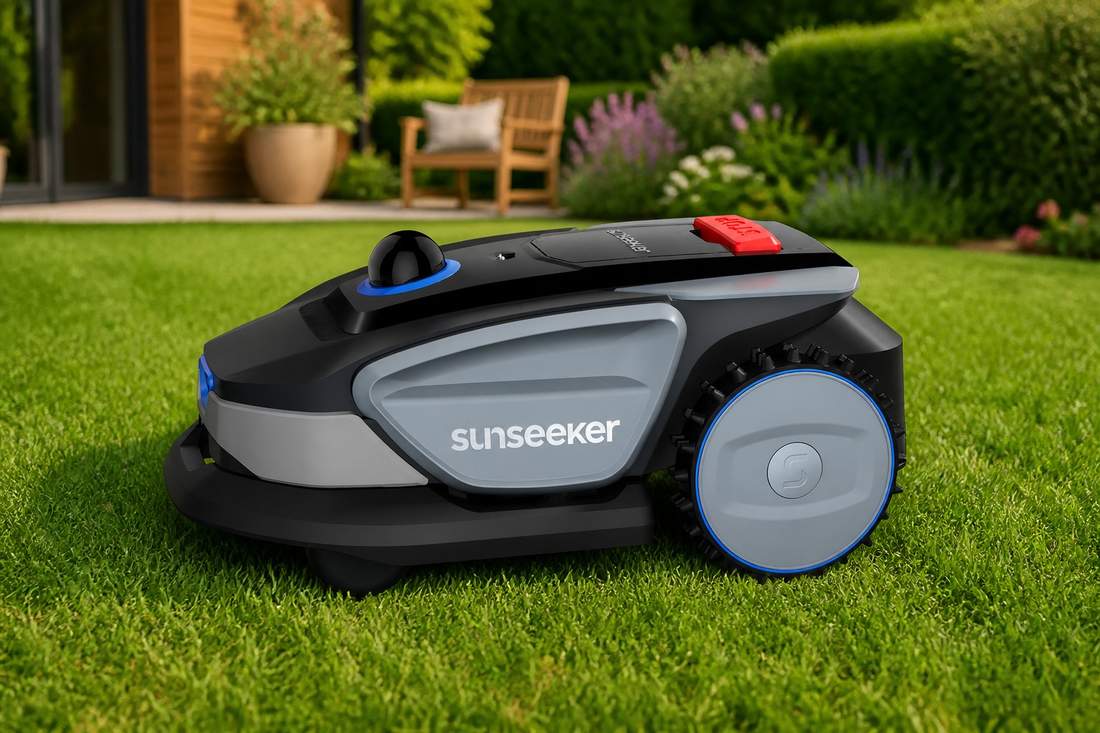
Mowing setup deserves special attention because scalping can resemble nutrient stress. The Sunseeker S4 uses a floating cutting system and a 20-60 mm adjustment range, which can help maintain a repeatable cut on lawns suited to that height range. Its value here is consistent mowing, not treating chlorosis: if the grass is pale because too much leaf tissue is being removed, correcting the cut is more appropriate than adding iron.
If a soil test shows very high pH, repeatedly spraying iron may provide temporary color without changing the root-zone limitation. Improve irrigation and drainage where needed, avoid unnecessary lime, and select an iron form appropriate for the measured pH. A recurring deficiency is a reason to diagnose the soil system, not a reason to keep increasing application rates.
Conclusion
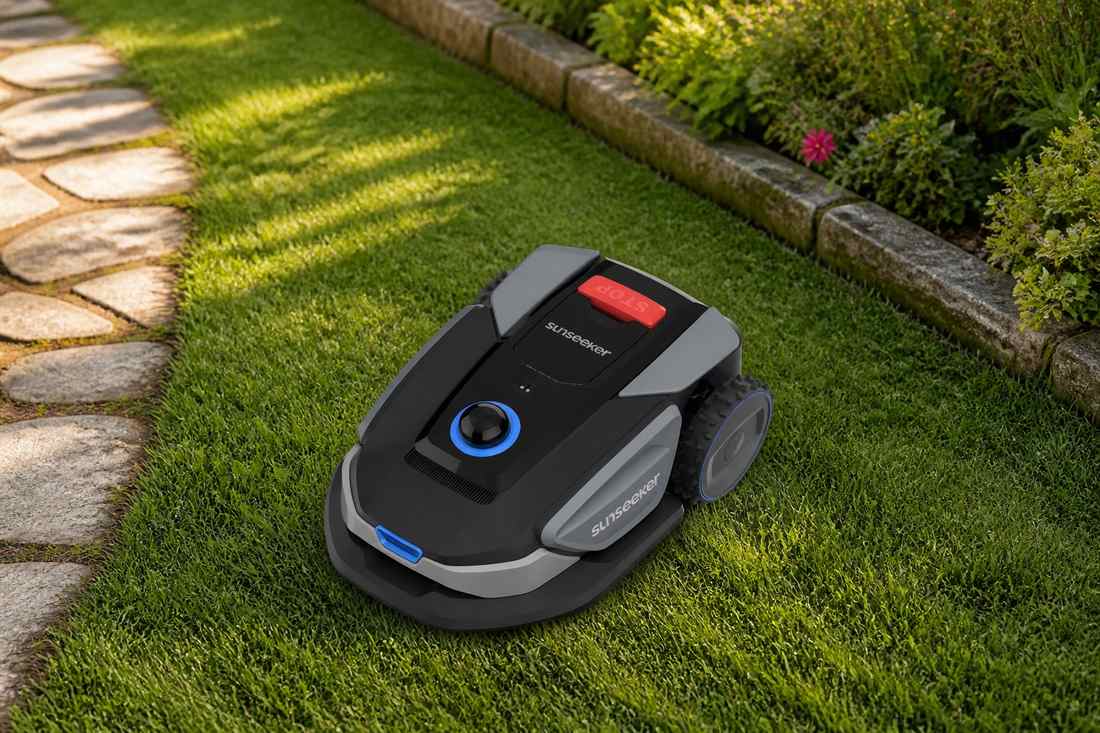
What does iron do for lawns? It supports chlorophyll formation and can restore deeper green color when iron availability is limiting. Look for pale new growth, consider soil pH and moisture, then choose a foliar, granular, or chelated product that fits the situation. Apply lightly and protect hardscape from staining. Once nutrition and soil conditions are correct, consistent cutting from tools such as GPS Robot Mowers helps preserve the even appearance that iron alone cannot create.
FAQ
How long does it take for iron to work on a lawn?
A foliar iron treatment can produce visible greening in about one to two days when iron deficiency is the cause. The effect is temporary, commonly around two to four weeks during active growth. Soil-applied products may respond more slowly and can be less effective in alkaline soil if the iron form becomes unavailable.
When should I apply iron to my lawn?
Apply iron while the grass is actively growing and not severely drought- or heat-stressed. A calm, moderate day reduces drift and leaf stress. Follow the product label for watering and mowing intervals. If high pH repeatedly causes chlorosis, spring applications may be useful, but the underlying soil condition should also be addressed.
Can you put too much iron on your lawn?
Yes. Excess iron, especially from overlapping liquid sprays, can turn turf unusually dark, grey, or black and may injure leaves. It can also stain concrete, stone, paint, and other hard surfaces. Measure the lawn area, calibrate the applicator, follow the label rate, and wait for the response before considering another treatment.