You walk across the lawn after watering and one section suddenly shifts under your feet like a waterbed. The grass may still look healthy from above, but the soft, swollen surface tells a different story. Pressing the area may even force water toward the edge, making it clear that something unusual is happening beneath the turf.
A lawn bubble is usually a sign rather than the whole problem. This guide explains what can cause the ground to lift, how to tell trapped water from irrigation or drainage trouble, and what to check before disturbing the grass. Finding the source first makes the repair much easier.
What Does a Lawn Bubble Look and Feel Like?
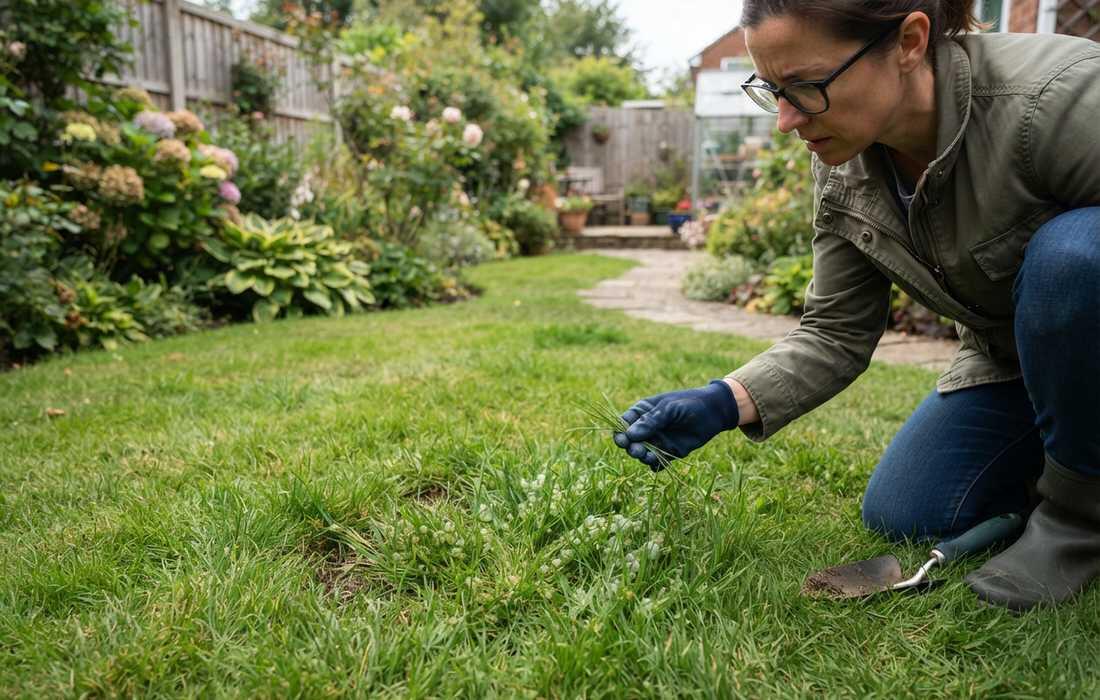
A lawn bubble usually appears as a raised, rounded, or uneven patch of turf that looks swollen compared with the surrounding ground. The grass often remains intact across the top, so the area may resemble a soft mound forming beneath the sod.
When lightly pressed, the surface can feel soft, spongy, or unusually springy. In some cases, the turf shifts or ripples because water is trapped beneath it. Water may also seep from the edge of the raised area, a seam in the sod, or a nearby sprinkler head.
Unlike tree roots, compacted soil, or mole tunnels, which usually feel firm or lumpy, a water-filled lawn bubble tends to feel more fluid and unstable. It may also become more noticeable during or shortly after irrigation as additional water collects below the turf.
What Are the Most Common Causes of Lawn Bubbles?
A raised patch points to water beneath the turf, but the visible swelling does not reveal where that water came from. Moisture patterns and site history help narrow the cause.
Irrigation Leaks
A cracked lateral pipe, loose fitting, damaged riser, or valve that does not close can discharge water below sod. Swelling during one irrigation zone, persistent wetness in dry weather, or a mound beside a head suggests a leak. Check the water meter with all fixtures and irrigation controls off; unexplained movement warrants professional testing. Place straight-sided cans in the zone for 15 minutes to reveal uneven output.
Trapped Water Under Turf
New sod can act like a flexible membrane before its roots knit firmly into the soil. Heavy rain or excessive irrigation may travel downhill, enter through a seam, and collect beneath a low section. That is how lawn bubbles form even when no pipe is broken. Recently laid turf, smooth compacted subsoil, and overlapping sod edges increase the risk because water has an easy entry route but few exits.
Poor Drainage
A low spot, blocked drain, compacted swale, or downspout can concentrate more water than soil absorbs. Watch during rain: runoff crossing paving, pooling beyond 24 hours, or repeatedly following one channel indicates poor drainage. Clay drains slowly, but grade, surface sealing, and concentrated inflow also matter.
Compacted or Poorly Prepared Soil
Sod over construction fill, hardpan, debris, or a sealed surface may root only in its thin soil layer. Water can then move laterally between the sod and the subsoil instead of soaking downward. To check for possible compaction, push a screwdriver or soil probe into moist ground outside the bubble and compare the resistance with nearby healthy areas. Unusually strong resistance may indicate compacted soil, but a soil probe or professional assessment can provide a more reliable diagnosis. Core aeration can help an established lawn during active growth, while severe subgrade defects may require lifting the turf and rebuilding the soil profile.
Loosened Turf From Pest Activity
White grubs feed on roots, leaving turf easy to roll back. Animals can also create channels or separate sod from soil. Lift a small edge flap and inspect the upper 5 to 8 cm. C-shaped cream larvae with brown heads indicate grubs; identify the pest and consult local treatment thresholds before applying insecticide. Pest damage can create space for water, but the water source still needs repair.
How Do You Troubleshoot a Lawn Bubble Step by Step?
Careful diagnosis prevents unnecessary cutting and reduces the chance of striking hidden lines. Observe how the bubble responds with irrigation off before disturbing the sod or changing the grade.
Step 1. Stop Irrigation and Keep Traffic Off the Area
Turn off the affected zone. If water continues, close the irrigation isolation valve; use the property shutoff only when necessary. Keep people, pets, and equipment away, and flag the soft perimeter. Wait 30 to 60 minutes. Continued swelling after irrigation is off can indicate a pressurized leak or another active source.
Step 2. Check for Leaks and Standing Water
Run each zone briefly while watching from firm ground. Look for expansion, weak spray, muddy flow, hissing, or water between heads. Check downspouts, drains, valve boxes, and grade. Do not dig until buried electric, gas, communication, and irrigation lines are located. Sewage odor, gray residue, or water near a utility trench or foundation requires professional help.
Step 3. Release Trapped Water Carefully
For a small, confirmed clean-water pocket with the supply off, start at the lowest edge. Lift an existing seam with a flat spade or make one short slit parallel to the roots, then drain slowly. Do not stab the center with a fork or rod; it can cut tubing and roots. Direct released water to a permitted permeable area, away from property, streets, and foundations.
Step 4. Re-Level the Soil and Repair the Turf
Fold the sod back far enough to remove silt, stones, or debris. Loosen only the compacted surface, then add compatible screened topsoil in thin lifts and tamp each lift lightly. Restore a smooth grade that sheds water away from buildings without creating a new basin. Relay viable sod, press the roots into contact, and water just enough to settle it. Keep traffic off for about 10 to 14 days, or until gentle lifting meets root resistance; replace torn or sour-smelling sod.
When Does a Lawn Bubble Point to a Bigger Drainage or Irrigation Problem?
A single pocket after exceptional rain may settle after drainage and a localized repair. Repetition, active flow, or damage beyond the lifted turf calls for a broader investigation.
Arrange irrigation service when the mound enlarges whenever one zone runs, the controller is off but the area stays wet, pressure falls at nearby heads, or the water meter records use with every indoor fixture closed. A technician can isolate valves and pressure-test lateral lines rather than opening the whole yard. Seek drainage or landscape grading help when puddles remain longer than 24 to 48 hours after normal rain, several bubbles follow the same contour, or runoff repeatedly arrives from a roof, driveway, slope, or neighboring lot.
Prompt action matters near foundations, retaining walls, septic components, electrical equipment, sinkholes, or public utility corridors. Sudden soil movement, a sulfur or sewage odor, cloudy discharge, or a depression that keeps expanding is not a routine sod repair. Keep clear of the area and contact the relevant utility, plumber, drainage contractor, or local authority.
How Can You Prevent Lawn Bubbles From Returning?
Prevention starts after the leak or drainage defect is corrected and the soil is firm again. Use the following checks to keep water moving through the root zone instead of beneath the turf.
- Audit irrigation each spring and midsummer. Run zones one at a time, clean clogged nozzles, straighten tilted heads, and repair wet valve boxes. Use catch cans for 15 minutes to spot uneven output.
- Water according to soil moisture and weather, not a fixed daily habit. Many established lawns perform well with roughly 25 mm of total water per week during active growth, including rain, applied in fewer deep sessions where local rules and soil infiltration allow.
- Redirect concentrated flow. Extend downspouts to an approved outlet, keep drain grates clear, and correct shallow depressions. Maintain a visible fall away from structures; major grading changes should be designed around local drainage requirements.
- Protect the soil structure. Avoid mowing or hauling loads over saturated turf. Core-aerate compacted established lawns during their active growing season and topdress only with material compatible with the existing soil.
- Prepare sod carefully. Loosen and grade the top 10 to 15 cm where site conditions permit, remove construction debris, firm the surface without sealing it, stagger seams, and maintain full soil contact during establishment.
- Inspect for root loss. Tug gently at thinning patches, identify grubs or burrowing pests, and use local pest-management thresholds before treatment. Healthy roots hold the turf in place and reduce space where water can collect.
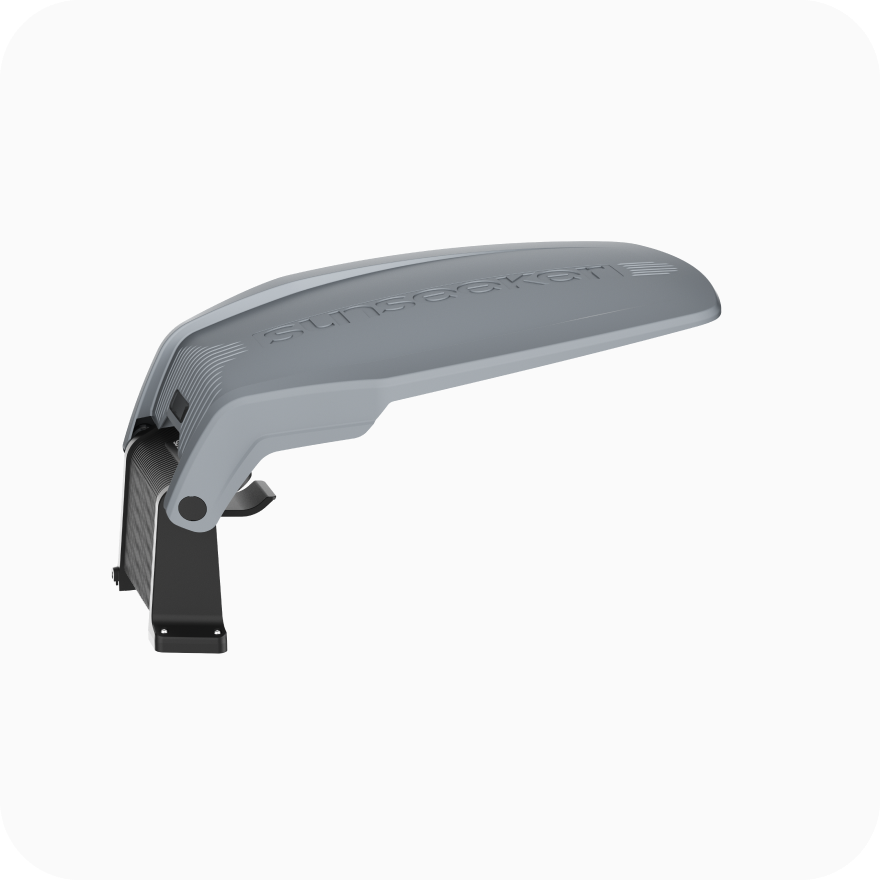
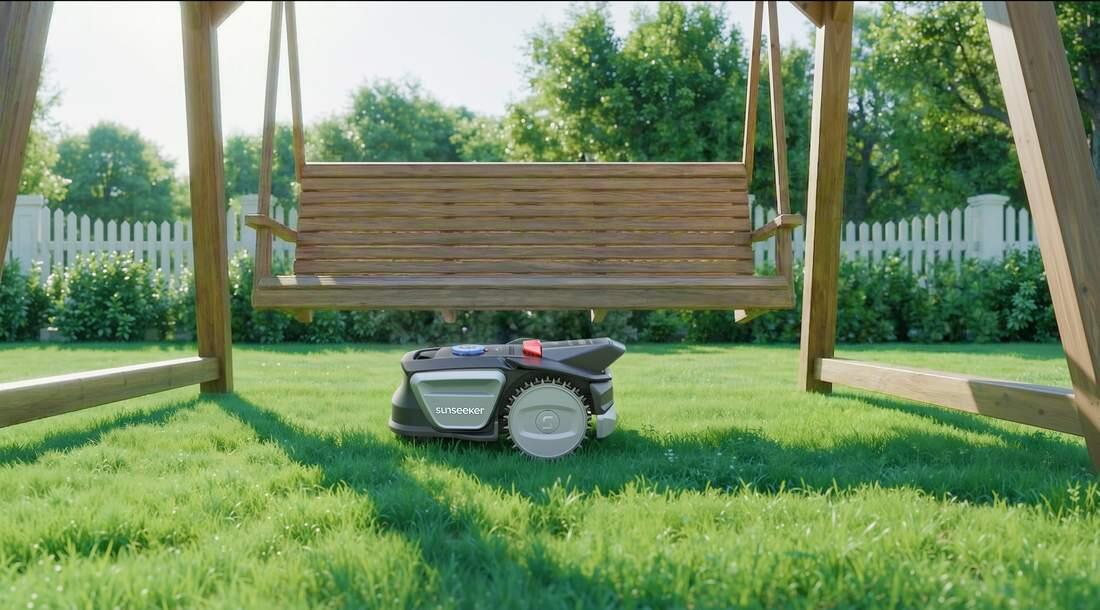
Once repaired turf has rooted and the ground is stable, the Sunseeker V1 can support consistent maintenance in a small garden. Its Vision AI recognizes grass boundaries without a buried perimeter wire, while the floating cutting system follows normal surface variation for an even cut. Scheduling should begin only after the repaired area is firm enough for regular mowing.
Conclusion
A lawn bubble needs more than a quick surface fix. Turn off the irrigation, keep traffic off the soft area, and find where the water is entering before repairing the turf. If the swelling keeps returning, check for a leak or drainage problem so the same spot does not fail again. Give the soil time to settle and firm up before mowing. Once the lawn is stable and growing normally, Sunseeker’s GPS Robot Mowers can help with regular upkeep on established grass.
FAQs
What are the early signs of grubs in your lawn?
Early signs include irregular yellow or brown patches, turf that wilts despite adequate moisture, increased bird or animal digging, and grass that pulls up with little resistance. Inspect the upper 5 to 8 cm of soil at the edge of active damage. Count and identify larvae, then compare the result with local pest-management guidance before choosing treatment.
How do you flatten a bumpy lawn?
For shallow unevenness under about 1 cm, brush a thin layer of compatible topsoil or compost into low areas while grass is actively growing; keep leaf tips exposed. Lift and relay sod over deeper isolated hollows. Correct drainage, roots, burrows, or settling first. Heavy rolling can compact wet soil and should not be the default fix.
How does a lawn bubble happen?
A lawn bubble happens when water enters the narrow space between turf and the soil below, then cannot drain or soak in quickly. Leaking irrigation, heavy watering, runoff, compacted soil, or poorly rooted sod may create the pocket. Pressure lifts the flexible grass layer, producing a soft mound that shifts when touched.