You mow on schedule, but the lawn still looks rough. The grass tips look pale or torn, clumps are left across the yard, and the bagger keeps clogging before the job is done. In many cases, the problem is not the mower itself but the blade under the deck. Different lawn mower blade types are designed for different jobs, from clean side discharge to mulching and bagging.
Once you understand how each blade works, it becomes much easier to choose the right one for your grass, mowing routine, and clipping plan. In this guide, we will cover the main types of lawn mower blades, how they work, when to use each one, and how to choose the best option for your mower and lawn.
Why Lawn Mower Blade Type Matters
Choose the blade by deciding what you need the mower to do most: discharge clippings, mulch them finely, lift them into a bag, or reduce deck wear in sandy conditions. Blade type changes airflow, clipping movement, cut finish, and mower load.
A simple rule works for most lawns:
- Choose a standard blade for reliable side discharge and general cutting.
- Choose a mulching blade if you mow often and want clippings returned to the lawn.
- Choose a high-lift or bagging blade if clean collection is the priority.
- Choose a low-lift blade for sandy, dusty, or dry conditions where too much suction can pull grit into the deck.
- Choose a specialty or shredding blade only when conditions justify it, such as light leaf cover or coarse clippings.
Blade type also affects cut quality. A sharp, correctly matched blade slices grass cleanly; the wrong blade can tear it, leaving white or brown tips within 24–48 hours. It may also overload the mower, reduce runtime on battery models, or leave clumps when the grass is damp.
Main Types of Lawn Mower Blades
The main types of lawn mower blades differ mostly by lift, cutting-edge shape, and how they move clippings under the deck. Use these categories to narrow your choice before checking fit.
Standard Blades
Standard blades, often called 2-in-1 blades, are the default option for many walk-behind and riding mowers. They cut grass and discharge it through the side or rear chute. Choose them for average lawns where you mow every 5–7 days during active growth and do not need heavy bagging or fine mulching.
Mulching Blades
Mulching blades have more curved surfaces and extra cutting edges that keep clippings circulating longer under the deck. They work best when you remove no more than one-third of the grass height per mow. If grass gets too tall, they can leave clumps instead of fine particles.
High-lift Blades
High-lift blades create stronger upward airflow. That helps stand grass upright before cutting and moves clippings efficiently into a bagger or chute. They are useful for thick turf and collection, but they can pull more dust and debris into the deck, especially in dry or sandy areas.
Low-lift Blades
Low-lift blades create less suction. They are better suited to dry, sandy, or dusty yards because they reduce grit movement under the deck. They usually bag less effectively than high-lift blades, but they can reduce wear in abrasive conditions.
Gator and Shredding Blades
Gator-style and shredding blades use angled teeth or raised serrated sections to cut clippings and leaves into smaller pieces. They are useful for light leaf cover or coarse grass, but they still work best with frequent mowing.
Bagging Blades
Bagging blades are designed to move clippings into a collection system. Some overlap with high-lift designs, but the main goal is steady airflow into the bag. Choose them if you collect clippings regularly, especially around patios, pools, or formal turf.
Sand and Specialty Blades
Sand blades and other specialty blades are made for unusual conditions, such as abrasive soil, commercial use, or specific deck designs. They are not automatic upgrades for a typical yard. Use them only when your conditions or mower manual support that choice.
Robotic Mower Blades
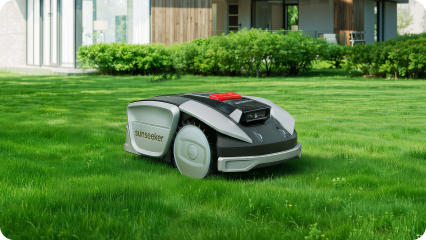
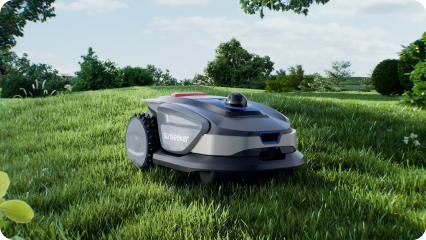
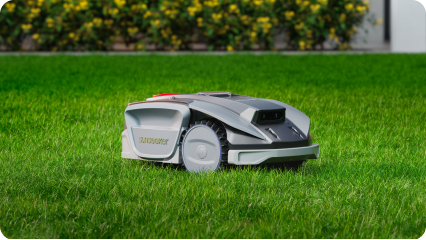
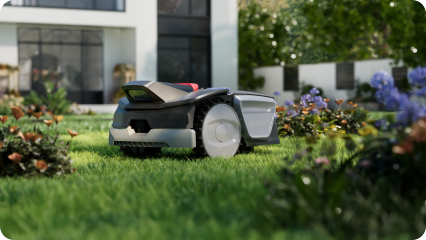
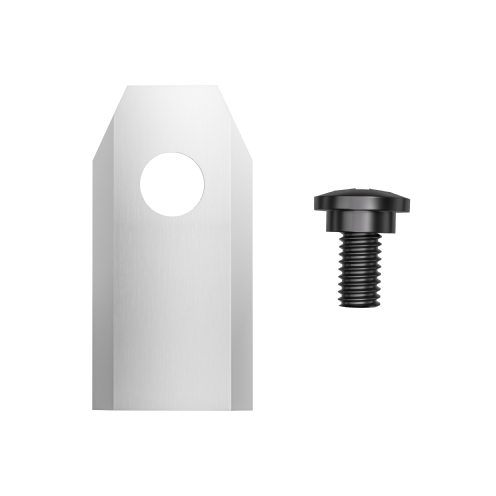
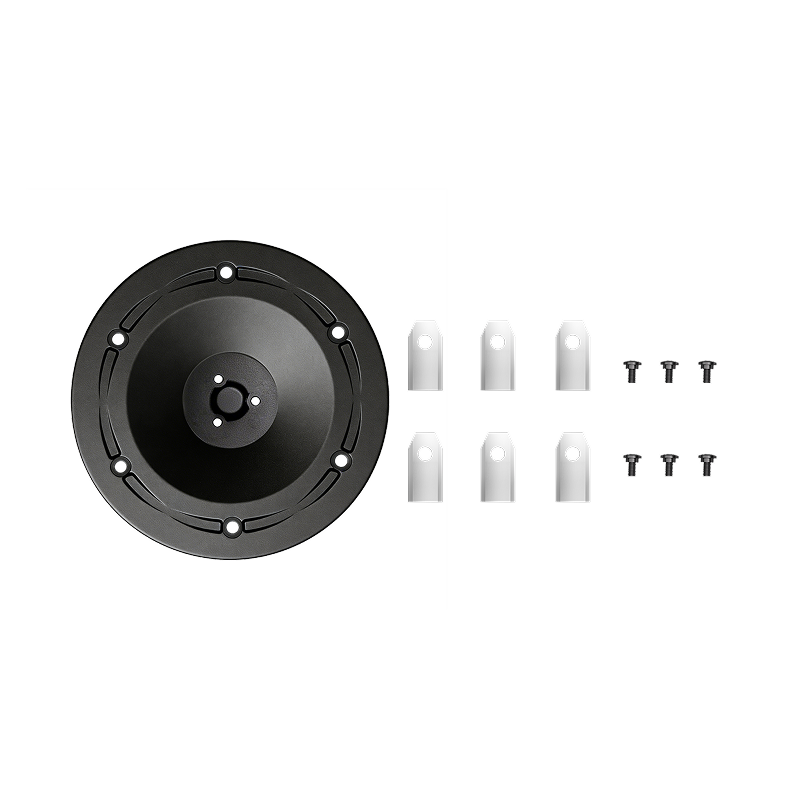
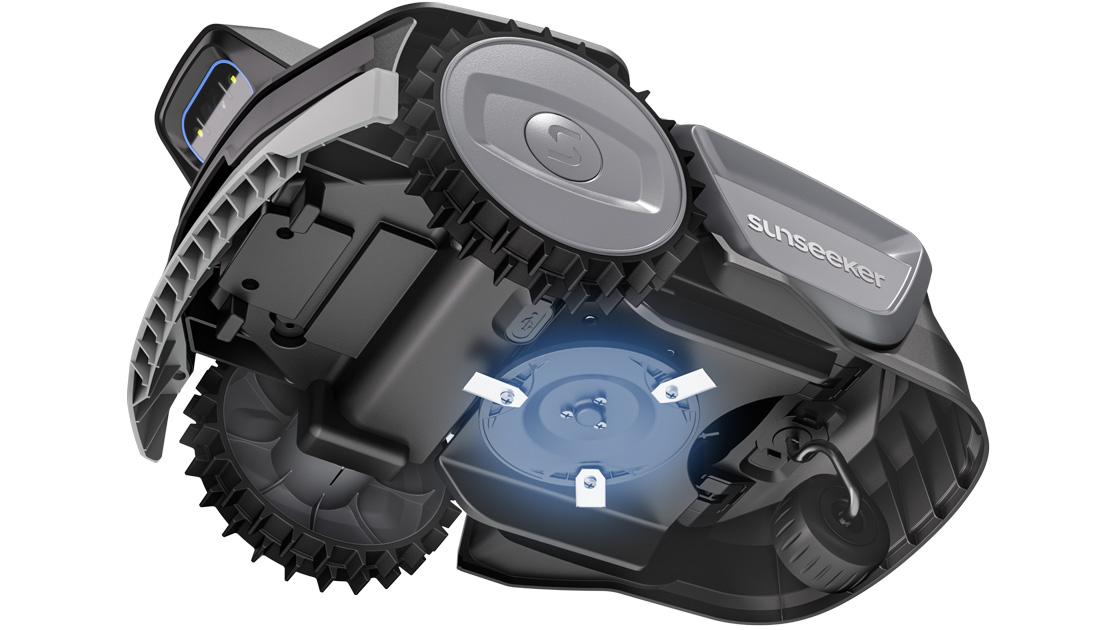
Robotic mower blades are different from traditional long mower blades. Most robot lawn mowers use small, replaceable pivoting blades that trim grass little by little during frequent mowing, rather than lifting, bagging, or heavily mulching clippings in one pass. They are designed for maintenance cutting, so sharpness and timely replacement matter more than choosing between high-lift or low-lift designs.
How to Choose the Right Blade for Your Lawn
Once you know the blade categories, choose based on the job your lawn asks the mower to do most often. Grass condition and clipping management should lead the decision.
Match the Blade to Your Grass and Yard Conditions
For thick, upright turf, a higher-lift blade can improve the finished look. For thin, dry, or sandy lawns, a low-lift blade is often easier on the mower. If your yard includes frequent leaves or coarse stems, a shredding or mulching design may help, but only when the debris is light enough to process.
Consider Mowing Frequency and Clipping Management
If you mow weekly during peak growth, mulching can work well. If you often wait 10–14 days between cuts, bagging or side discharge is usually more forgiving. Avoid cutting more than one-third of the grass blade at once; for example, trim 11.5 cm grass down to about 7.5 cm, not 5 cm.
Choose Based on Cutting, Bagging, or Mulching Goals
For the cleanest collection, use a bagging or high-lift blade. For nutrient recycling and fewer bags, choose a mulching blade. For simple, reliable cutting with fewer demands on the mower, use a standard blade. In most cases, the clipping destination should decide the blade style.
Balance Price, Durability, and Cut Quality
Cheaper blades can work if they fit correctly and hold an edge, but inspect build quality and reviews for premature bending. A blade that stays sharp longer may save time and frustration if you mow frequently or cover a larger yard.
How to Confirm Blade Fit Before Buying
Blade style only matters if the blade fits the mower safely. Confirm the physical match before you buy, especially when replacing an older blade without the original packaging.
Measure Blade Length and Width
Remove the old blade and measure from cutting tip to cutting tip diagonally, not just across one edge. Most replacement blades need to match the original length closely, often within about 0.3 cm. Also check blade width and thickness so the blade clears the deck and mounts securely.
Check the Center Hole and Mounting Pattern
Look at the center hole shape: round, star, bow-tie, or another pattern. Some blades also use side holes or pins. A blade that is the right length but has the wrong mounting pattern is not safe to modify or force onto the spindle.
Match the Blade to Your Mower Model
Use the mower model number and the original blade part number when possible. Deck size alone is not enough because two mowers with the same cutting width can use different blade lengths, offsets, and mounting patterns. If the manual specifies a blade type, follow it.
Blade Maintenance: Sharpening, Balancing, and Replacement
Even the best blade will give poor results if it is dull, bent, or out of balance. A simple maintenance routine helps keep the cut clean, protects the mower, and makes each pass more efficient.
Learn how to sharpen lawn mower blades at the right time; a good rule is every 20-25 mowing hours, or sooner after a strike against sticks, gravel, roots, or edging stones.
Check the blade balance before reinstalling. After sharpening, use a blade balancer or hang the blade from its center hole. If one side drops, remove a small amount of metal from the heavier side. An unbalanced blade can cause vibration, stress the spindle, loosen bolts, and leave an uneven cut.
If a blade is cracked, bent, deeply gouged, badly rusted, or worn thin, replacing a mower blade is safer than continuing to use or reshape the damaged part.
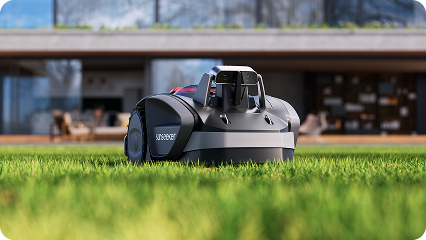
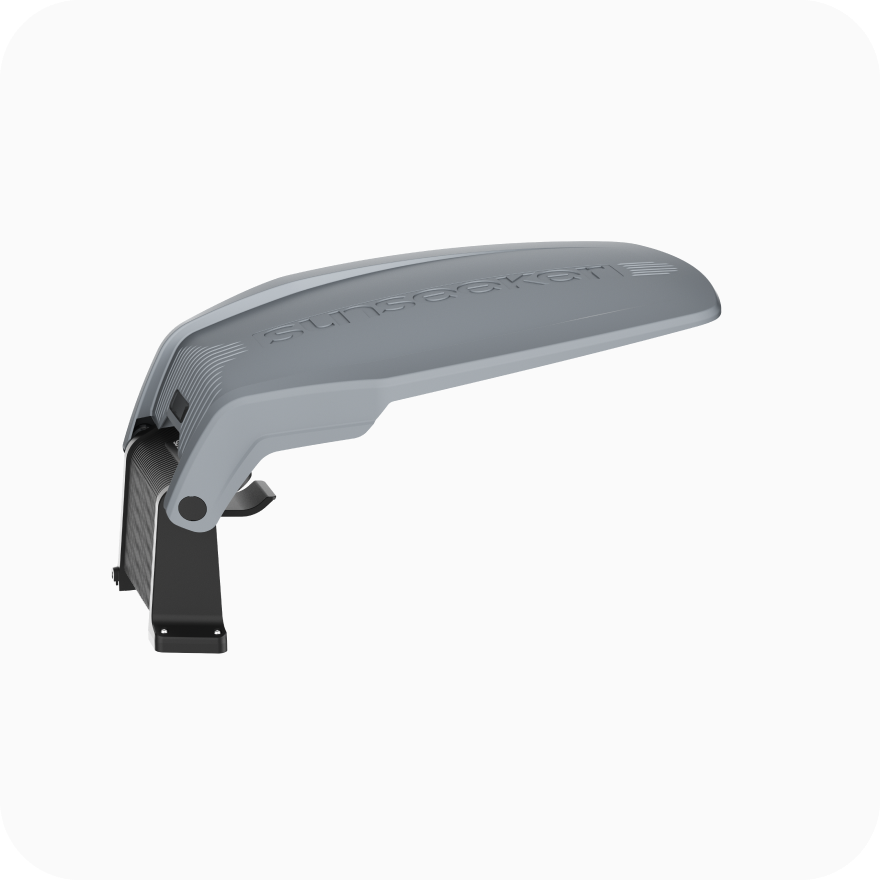
The Sunseeker V1, for example, comes with replaceable blades and spare blades in the box, making it easier to keep the cut clean instead of pushing worn blades too far. Since the V1 is designed for small gardens with a 16 cm cutting width, 20–50 mm cutting height, and lightweight 6.7 kg body, keeping its blades sharp and undamaged is especially important for steady, even mowing. Always use compatible replacement blades and follow the manual before changing them.
Conclusion
The right blade starts with your mowing goal. Use standard blades for everyday discharge, mulching blades for frequent clipping recycling, high-lift or bagging blades for collection, and low-lift blades for sandy or dusty lawns. Then confirm the blade’s length, mounting pattern, and mower compatibility before buying. In many cases, a sharp, balanced, correctly fitted blade will improve cut quality more than switching to a more aggressive blade style.
FAQ
What are different types of lawn mower blades?
Common lawn mower blade types include standard blades, mulching blades, high-lift blades, low-lift blades, bagging blades, gator-style shredding blades, and specialty blades for sandy or abrasive conditions. Standard blades suit general mowing, mulching blades recut clippings, and high-lift or bagging blades improve collection. The best choice depends on your mower design, grass conditions, and whether you discharge, mulch, or bag clippings.
What not to do while mowing grass?
Do not mow with a dull blade, cut wet grass when avoidable, remove too much height at once, or mow over rocks, toys, hoses, and sticks. Avoid cutting more than one-third of the grass blade in a single pass. Also, do not change or inspect blades while the mower is connected to power. These mistakes can damage grass, reduce cut quality, and create safety risks.
What mower blade gives the best cut?
The best cut usually comes from a sharp, balanced blade that matches your mower and lawn conditions. For thick grass and bagging, a high-lift blade can leave a cleaner finish. For frequent mowing, a mulching blade can work very well. However, blade condition often matters more than blade style: a dull premium blade will cut worse than a sharp standard blade.