Thanksgiving already gives a host plenty to manage: a crowded kitchen, arriving guests, serving dishes, leftovers, and a house that rarely stays as tidy as it looked an hour earlier. A gift lands best when it does not ask for immediate attention on top of all that.
The most thoughtful choices are often things the host can enjoy tomorrow, use at the next gathering, or keep for a quieter moment after everyone has gone home. The point is not to match the scale of the meal. It is to notice the person behind it.

8 Thanksgiving Gifts Worth Giving This Year
A useful Thanksgiving gift does not need to sit on the table that night. In fact, many of the best ones work because the host can set them aside, finish dinner, and come back to them later.
1. Coffee or Tea for the Next Morning
Thanksgiving morning is busy, but the morning after can be wonderfully slow. A bag of good coffee, a small-batch roast from a local shop, or a tea the host would not normally buy for themselves gives them something to enjoy once the dishwasher is finally empty.
Choose around what they already drink rather than turning the gift into a tasting challenge. Whole beans are great for someone who owns a grinder; ground coffee is easier for a casual coffee drinker. Tea works the same way: a familiar style in a nicer version usually feels more considerate than an unusual blend that needs explanation.
2. A Breakfast Treat They Can Enjoy Later
A breakfast gift solves a very specific post-Thanksgiving problem: nobody wants to cook another elaborate meal first thing Friday morning. A good loaf, pastries, granola, pancake mix, preserves, or a box from a favorite bakery can wait until the house is quieter.
The key is that it should not compete for oven or refrigerator space while dinner is still being made. Shelf-stable or already-baked items are easier to receive, and a simple note that says it is for tomorrow removes any pressure to put it out with dessert.
3. A Pantry Upgrade They Wouldn’t Usually Buy
A very good olive oil, maple syrup, vanilla, finishing salt, preserves, or another pantry staple can feel special without becoming clutter. These are everyday ingredients in a version someone may admire at the store but skip because the regular bottle already does the job.
This works best when the gift fits how the person actually cooks. The home baker may appreciate vanilla or good cocoa; the person who hosts often may get more use from olive oil, olives, or a distinctive condiment. Useful does not have to mean ordinary when the upgrade is something they will keep reaching for.
4. A Candle or Small Comfort for the Home
After a house has spent a day full of food smells, conversation, coats, and dishes, a small comfort can be more appealing than another decorative object. A candle, soft hand towel, hand soap, or another modest home item gives the host something pleasant to use after the gathering rather than during it.
Scent is personal, so keep candles relatively easygoing unless you know exactly what they like. The same rule applies to decor: neutral in this context does not have to mean beige; it simply means choosing something that can enter the home without forcing the recipient to redesign a shelf around it.
5. Something Useful for Their Next Dinner Party
People who host regularly often appreciate the small things that make the next gathering easier: good cocktail napkins, a serving spoon, a small board, a set of place-card holders, trivets, or a compact serving piece. These gifts acknowledge something they enjoy doing without creating work for the party already in progress.
Look at what they actually use when you visit. Someone who serves snacks on simple wooden boards may love another well-made board; someone with a carefully matched formal table may be harder to shop for. The closer the gift is to their existing habits, the less likely it is to become one more item stored above the refrigerator.
6. A Local Treat With a Story Behind It
A jar from a nearby farm, coffee from a neighborhood roaster, chocolate made in your town, or a specialty food from where you grew up can carry more personality than a generic gift basket. It gives the host something consumable and a reason you chose that particular thing.
The story does not need to be dramatic. 'This is from the bakery near my house' or 'We always buy this when we visit home' is enough. A small gift becomes memorable when it connects the recipient to a place, habit, or person rather than simply filling a category called host gift.
7. A Gift Tied to Something You Enjoy Together
Sometimes the most personal gift points toward the next time you will see each other. A book you can trade thoughts on, a puzzle for the next family weekend, tickets for a future outing, or ingredients for a meal you have talked about making together all shift the focus from the object to the relationship.
Keep the commitment light unless you know they want the plan. A gift card to a favorite movie theater is easier to enjoy than tickets for a fixed date if schedules are complicated. The best version creates an opening for another shared moment without quietly assigning homework.
8. A Home or Yard Upgrade They’ve Already Been Talking About
A bigger home or yard gift can be genuinely thoughtful when it is not a surprise. If a partner, parent, or close family member has repeatedly talked about replacing an appliance, simplifying a chore, or improving a part of the yard, contributing to that upgrade can be more useful than another small item chosen only because the holiday calls for a gift.
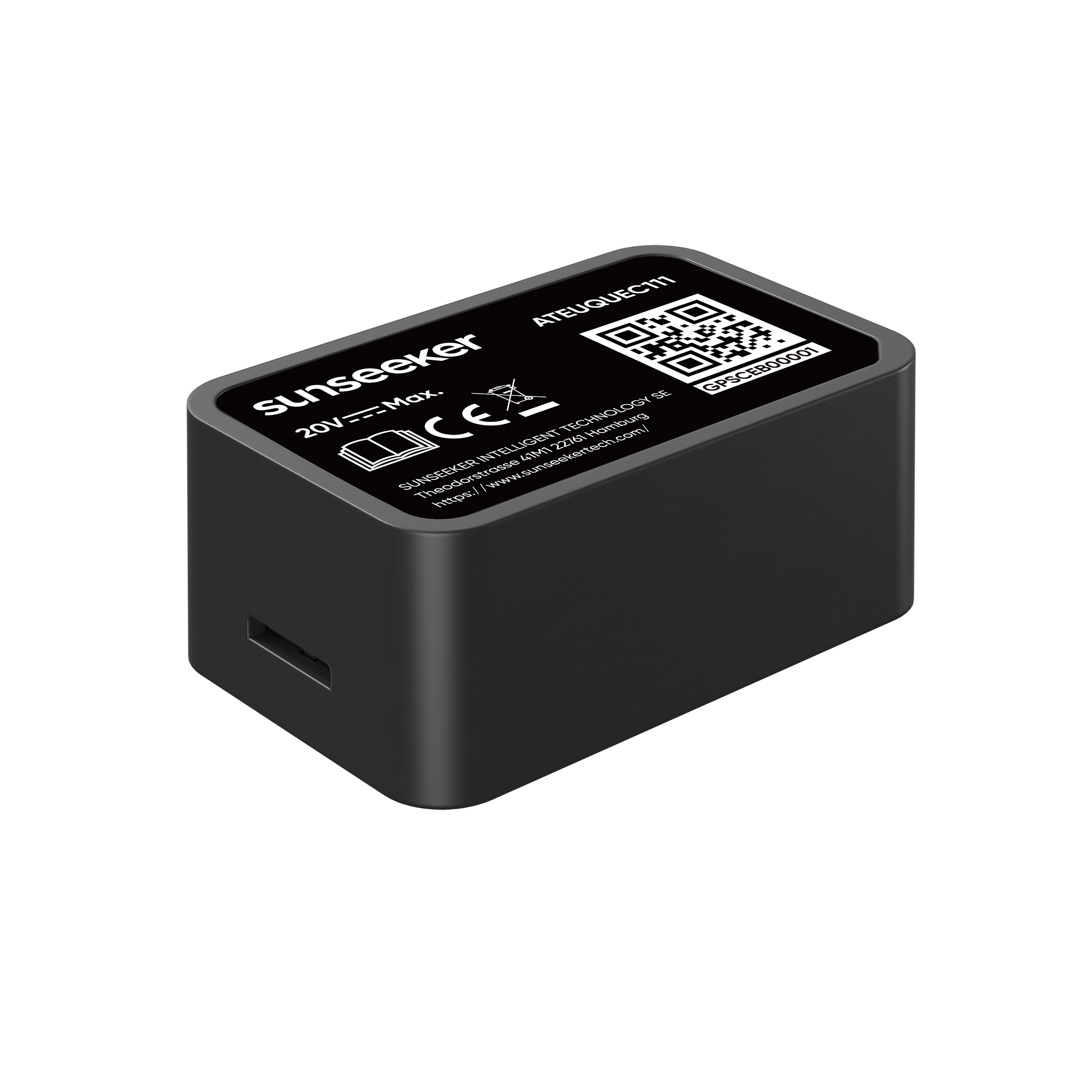
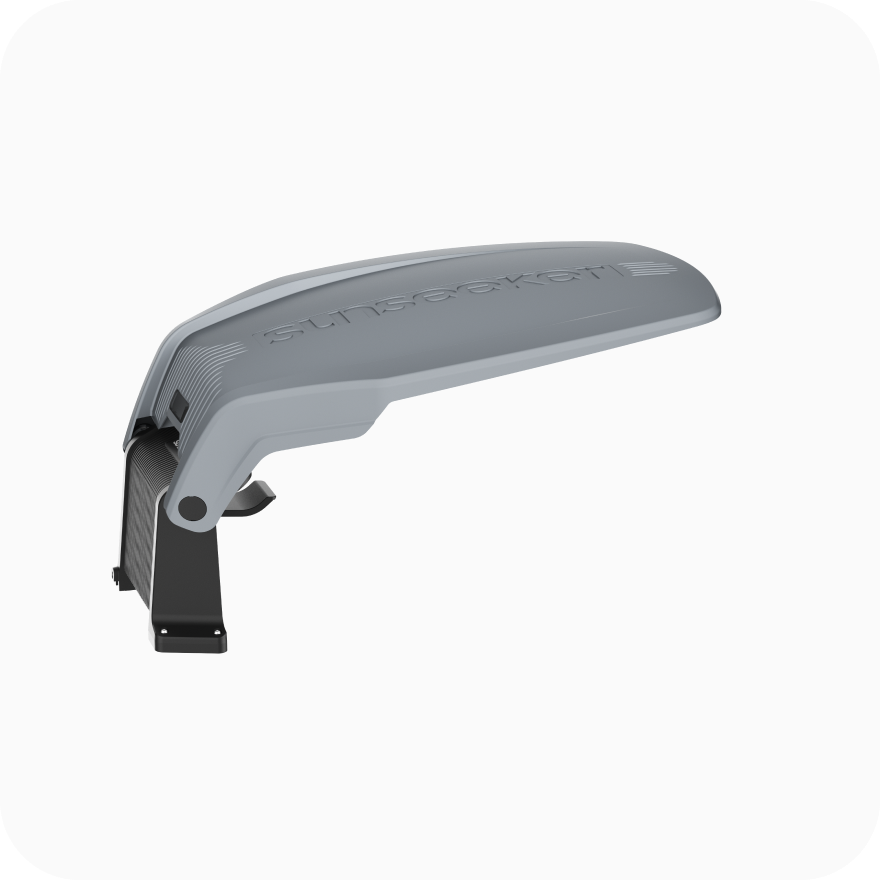
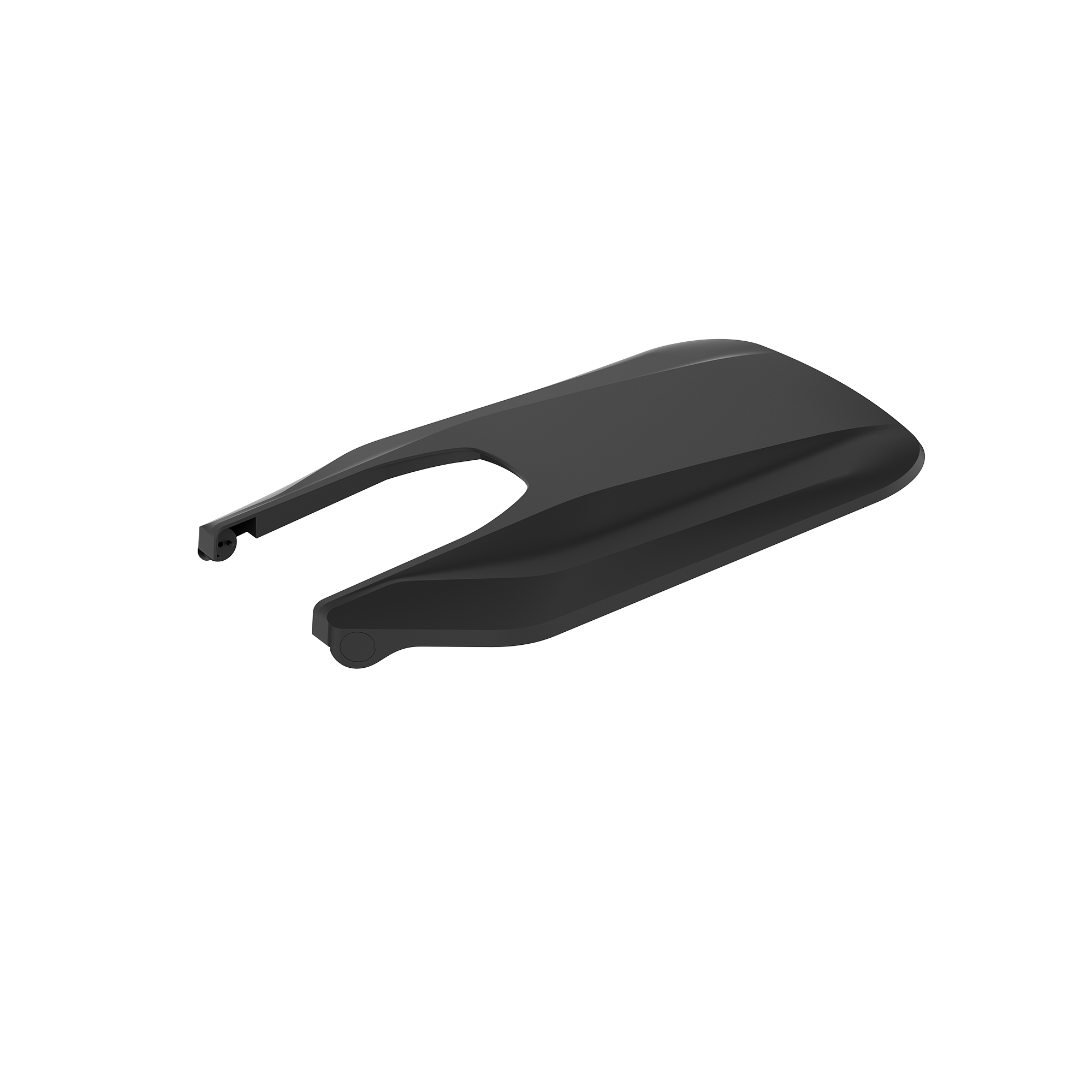
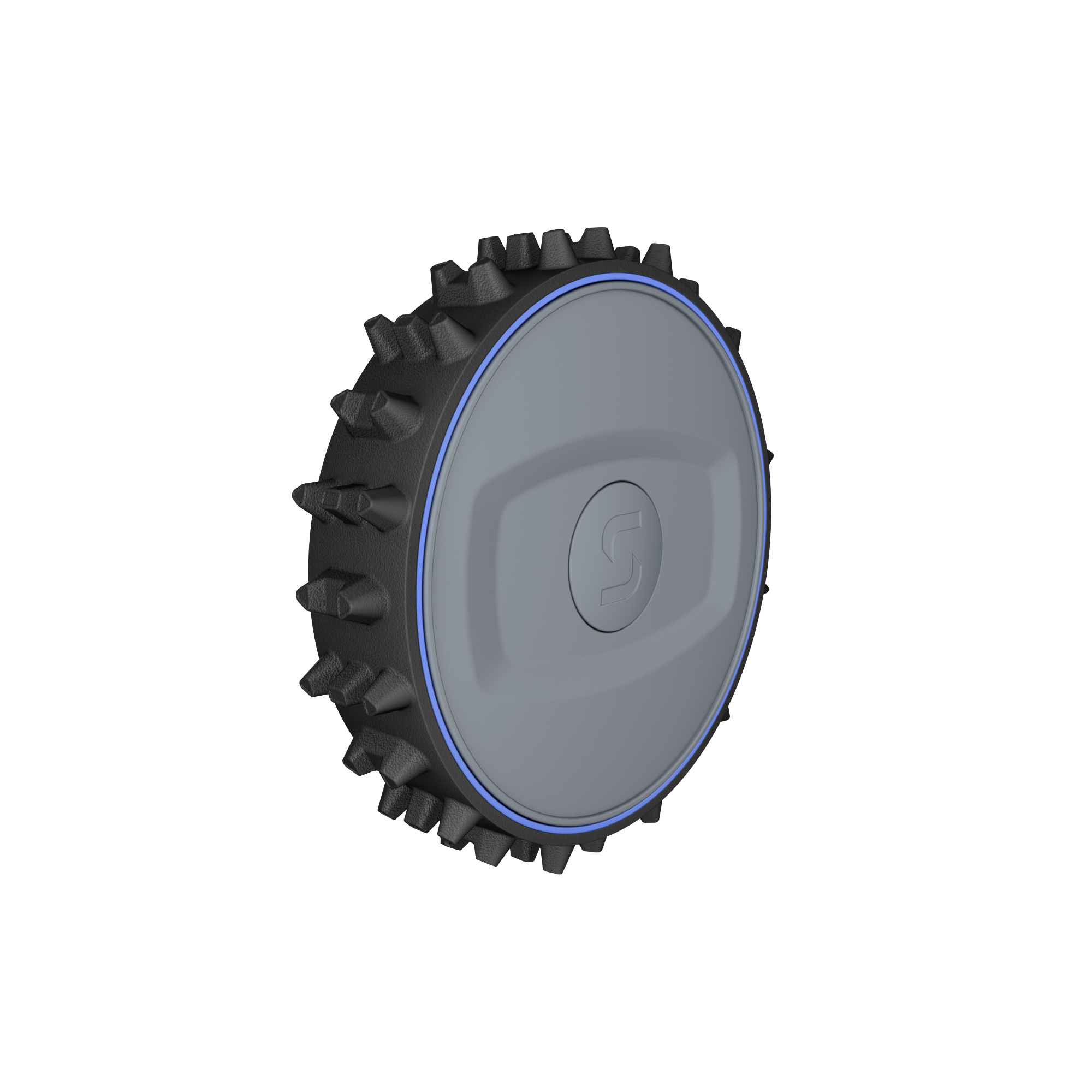
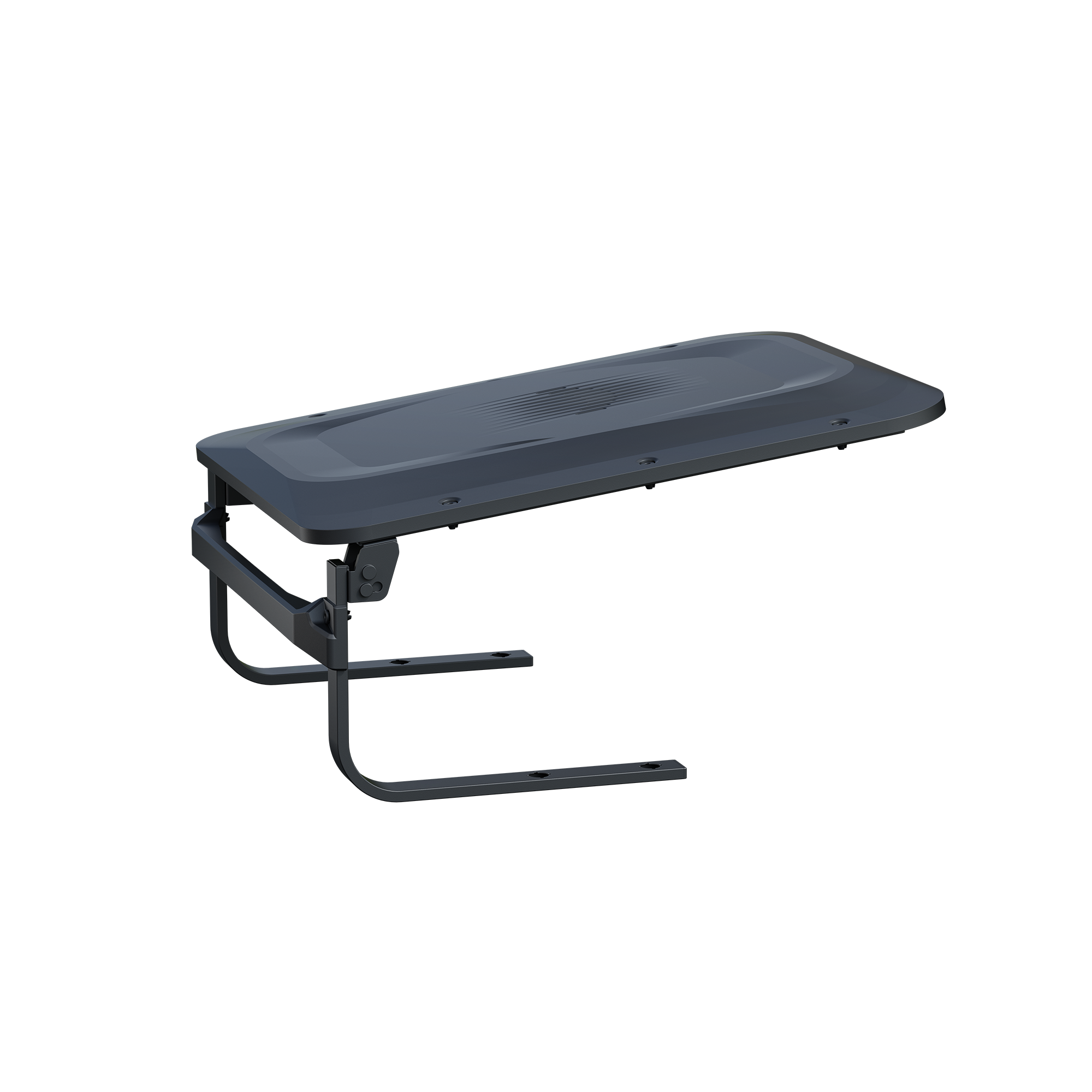
For someone who has already been looking for a way to spend less time mowing, the Sunseeker S4 is one example of a gift that solves a recurring job rather than adding another possession. Its wire-free setup, automatic 3D mapping, planned mowing routes, and obstacle sensing are relevant because the value is in reducing repeated lawn work. This is the kind of gift to discuss first, measure for, and choose together - not something to wheel into the driveway as a Thanksgiving surprise.

When a Bigger Thanksgiving Gift Actually Makes Sense
Traditional host gifts are small and easy to receive, and that is still the right default for most Thanksgiving invitations. A larger gift belongs to a different situation: you know the person well, the purchase solves a need they have already mentioned, and the cost will not create awkwardness or an unspoken expectation to reciprocate.
It can also work as a group gift. Siblings might split a home upgrade for a parent, or several family members might contribute to something that removes a recurring chore. If lawn care has been part of that conversation, comparing Robot Lawn Mowers together is more considerate than choosing a model based only on price or novelty. Lawn size, slopes, passages, obstacles, setup preferences, and where the charging station can sit all affect what will actually fit the property.
The useful test is simple: would this still be a good purchase if Thanksgiving were not happening? If the answer is yes and the recipient has already shown real interest, the holiday can be a nice moment to give it. If the holiday is the only reason the idea exists, keep the gift smaller.
What Not to Hand a Busy Thanksgiving Host
A host gift should be easy to receive while the front door is opening, timers are going off, and someone is asking where to put their coat. A few classic gifts become less thoughtful when they create a job that has to happen immediately.
Flowers That Need Arranging
A bouquet is lovely; a bouquet that arrives wrapped in paper and needs trimming, a vase, fresh water, and counter space can become another task at the busiest point of the day. If you want to bring flowers, choose a small arrangement already in a vase or send them before or after Thanksgiving.
That keeps the gesture without handing the host scissors and stems while they are checking the turkey. It also lets the flowers function as a gift rather than an emergency centerpiece they now feel obliged to display.
Food That Needs Oven or Refrigerator Space
A surprise casserole, frozen dessert, or dish that needs twenty minutes at a specific oven temperature may be delicious and still be badly timed. Thanksgiving kitchens run on planned oven slots, crowded refrigerators, and serving dishes that already have assignments.
Bring food for the meal only when the host expects it. For a gift, shelf-stable treats, something already baked, or a clearly labeled item for another day is easier to absorb into a packed kitchen without forcing a last-minute rearrangement.
Wine You Expect Them to Open
Wine can be an easy host gift when the host drinks it, but once you hand over the bottle, let it be theirs. They may already have bottles chosen for dinner, may want to save yours, or may simply have enough open on the table.
If you specifically want to share a bottle that evening, ask before you arrive rather than presenting it as a gift and then waiting for a corkscrew. A gift should not arrive with instructions for how or when the recipient must use it.
Thanksgiving Gifts Don’t Need to Be Big
The easiest gifts to remember are often the ones that fit neatly into someone’s life: coffee for tomorrow morning, a pantry treat they will actually use, something tied to a shared habit, or a larger upgrade they have already chosen for themselves. Thanksgiving provides the occasion, but thoughtfulness comes from noticing what would feel good after the door closes and the hosting is done.