You have just finished fertilizing the lawn when the weather starts to change. Rain is moving in, the sprinkler is set for tomorrow, and either choice feels risky: water at the wrong time and part of the treatment may be lost, but wait too long and dry fertilizer can remain on the grass longer than intended.
The right timing depends on what was applied, how the soil handles water, and what the weather is likely to do next. This guide explains should you water after fertilizing lawn, how much moisture is appropriate, and when normal mowing and lawn use can resume. That makes the next watering decision much easier.
Should You Water Right After Fertilizing?
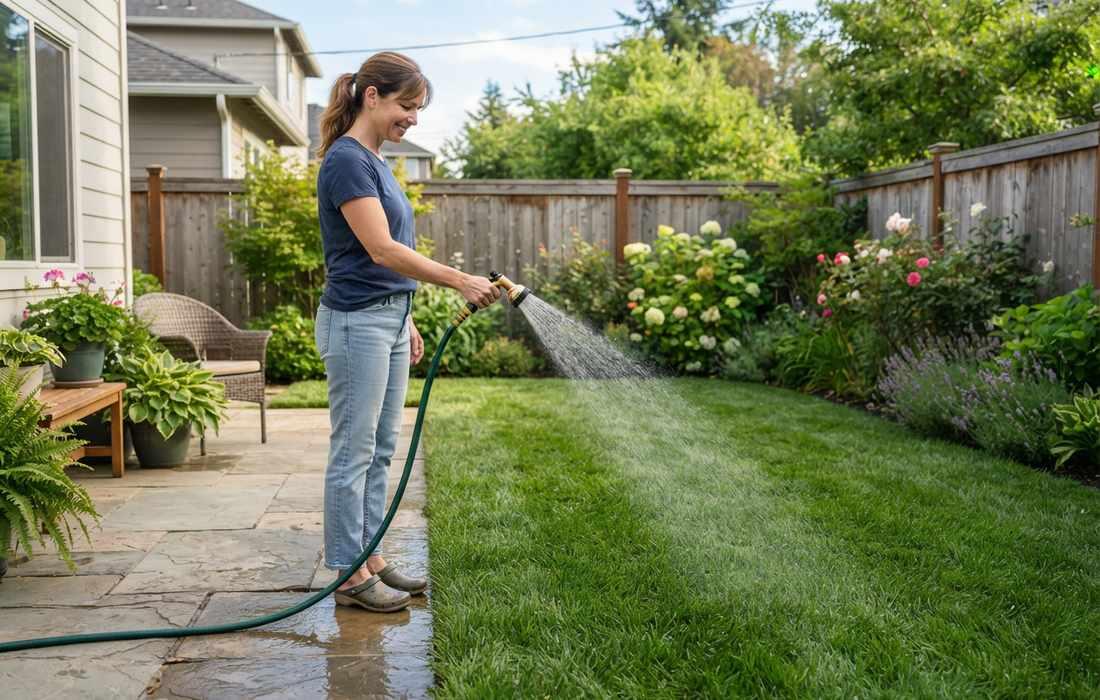
In many cases, yes, but “right after” does not mean the same thing for every product. Read the application and irrigation statements on the label before turning on a sprinkler.
For a plain dry granular fertilizer, light irrigation after spreading dissolves the granules, rinses material off leaves, and begins moving nutrients into the surface soil. Apply it to dry grass, sweep stray granules off pavement, then provide roughly 6 mm of water within 24 hours if the label does not specify another amount. Irrigate sooner during warm, dry weather, especially when granules remain on leaf blades.
Do not automatically water a liquid foliar fertilizer or a fertilizer combined with herbicide. Those products may need several rain-free hours so active ingredients can remain on foliage. If the bag or bottle says “do not water for 24 hours,” follow that statement. Delaying longer than the label allows can also be a mistake, since some granular products need moisture to activate and concentrated salts may stress dry turf.
How Does Fertilizer Type Change the Watering Timing?
Watering needs depend on whether nutrients must move into the soil, remain on the leaves, or activate another ingredient. Product directions reveal which of these actions matters most.
Granular Fertilizer
Standard granular fertilizer is intended to reach the soil. After an even application to dry turf, use about 6 mm of irrigation to wash particles off the leaves and start dissolving them. If the forecast calls for a gentle, dependable 6 mm of rain within the next 12 to 24 hours, irrigation may be unnecessary. A thunderstorm is a poor substitute because intense rainfall can move granules into drains, beds, or low spots. Slow-release granules still need initial moisture, although their nutrients are released over a longer period.
Liquid Fertilizer
Liquid products can be foliar-fed, soil-applied, or a blend of both. A foliar formula commonly needs 2 to 4 dry hours, and some labels require a longer interval. Soil-directed liquids may call for immediate light irrigation. Spray in calm conditions, keep people and pets away for the stated reentry period, and never infer timing from the word “liquid” alone. If rain arrives before the minimum drying period, do not reapply automatically; contact the manufacturer or follow the label’s retreatment guidance.
Weed-and-Feed Products
These products combine fertilizer with an herbicide, so the weed-control instructions usually set the schedule. Many granular post-emergent products are applied when weeds are slightly damp so particles stick to leaves, followed by a dry period of about 24 hours before irrigation. Pre-emergent products often need water to move the herbicide into the top layer of soil. Other formulas differ. Confirm the target weeds, application moisture, rain-free window, and first watering on the specific label.
Starter Fertilizer
Starter fertilizer changes the timing because it is usually applied during seed or sod establishment, when both nutrients and developing roots need prompt moisture. Water gently immediately after application to move the fertilizer into the upper soil without causing runoff or displacing seed. For seeded lawns, moisten the top 3 to 5 cm of soil, then use short, frequent watering sessions to keep the surface consistently damp. For new sod, irrigate deeply enough to wet the soil beneath the roots without creating puddles. After the first watering, follow the seed or sod establishment schedule rather than a standard fertilizer-watering routine.
How Much Water Should You Apply After Fertilizing?
The useful target is measured water depth, not a universal sprinkler runtime. Output varies greatly among spray heads, rotors, hoses, and soil types.
For ordinary granular fertilizer, about 6 mm is generally enough to rinse granules from blades and begin dissolving them. Place several straight-sided cans across the zone, run irrigation for 15 minutes, and average the collected depth. If the average is 3 mm, run the zone for about 30 minutes to deliver 6 mm. If it collects 6 mm in 15 minutes, stop at 15 minutes. This catch-can check gives a practical answer to how long to water lawn after fertilizer on your own system.
Water slowly enough to avoid runoff. Split the runtime into two or three shorter cycles with 30 to 60 minutes between them on clay, slopes, or compacted ground. Stop if water reaches pavement or pools. The first irrigation is not an invitation to saturate the full root zone: excessive water can carry mobile nitrogen below shallow roots or into surface water. Count rainfall toward the target and follow stricter label or local water-quality rules.
What Conditions Should Change Your Watering Plan?
Even the correct amount of water can cause problems if the ground is saturated, compacted, sloped, or under drought stress. Soil condition and weather should guide any adjustment.
Heavy Rain in the Forecast
Postpone fertilizing when heavy rain is likely within 24 to 48 hours. A light, steady shower may activate plain granular fertilizer, but intense rain can transport nutrients before they enter the soil. Avoid applying to saturated or frozen ground. If fertilizer is already down and a storm approaches, sweep all pavement clean and do not add irrigation. Afterward, inspect for piles or streaks; do not add more product just because some may have moved.
Dry or Drought-Stressed Turf
Fertilizer salts can injure grass that lacks sufficient moisture or is dormant. Restore normal soil moisture first and wait until the lawn is actively growing. In hot conditions, irrigate early in the morning and avoid fertilizing near the day’s peak heat. If local restrictions limit watering, delay the application. A deep green response is not worth forcing growth when roots cannot support it.
Clay, Slopes, or Runoff-Prone Areas
Fine-textured and compacted soils accept water slowly, while slopes shorten the time before flow begins. Use cycle-and-soak irrigation, reduce sprinkler precipitation rate where possible, and keep fertilizer at least the locally required distance from drains and water. Correct tilted heads and blocked nozzles before treatment. On a steep or eroded site, stabilize the surface and improve drainage before adding nutrients.
When Can You Mow or Use the Lawn Again?
The lawn needs enough time for the treatment to settle and the surface to become safe and firm. Product directions and site conditions take priority over a fixed clock.
Mow before fertilizing when practical, then wait until granules have been watered in and the grass is fully dry—often 24 to 48 hours—before mowing again. Waiting prevents the mower from collecting undissolved granules and avoids wheel marks in moist soil. Keep children and pets off treated turf until it is dry and until any longer label reentry interval has passed. For weed-and-feed, delay mowing for the label’s stated period so herbicide remains on the target leaves.
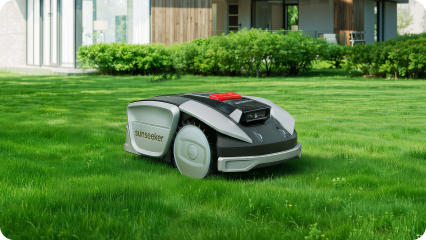
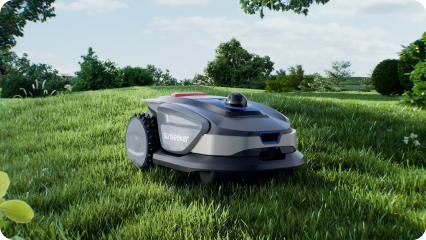
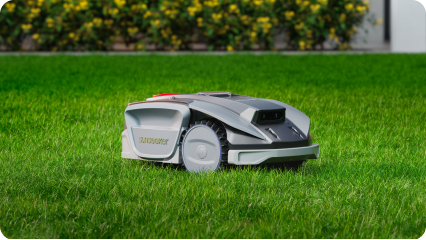
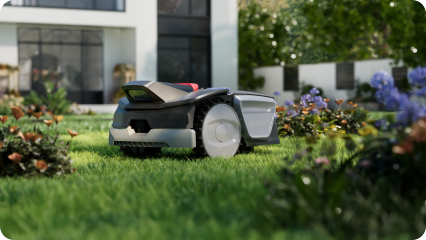
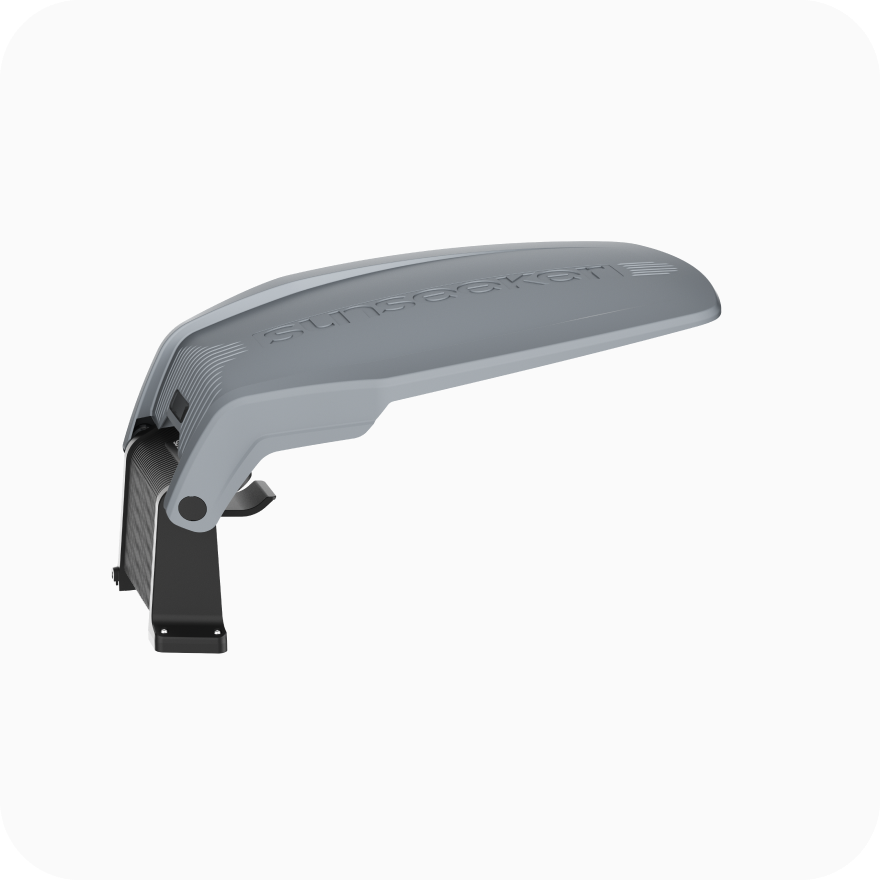
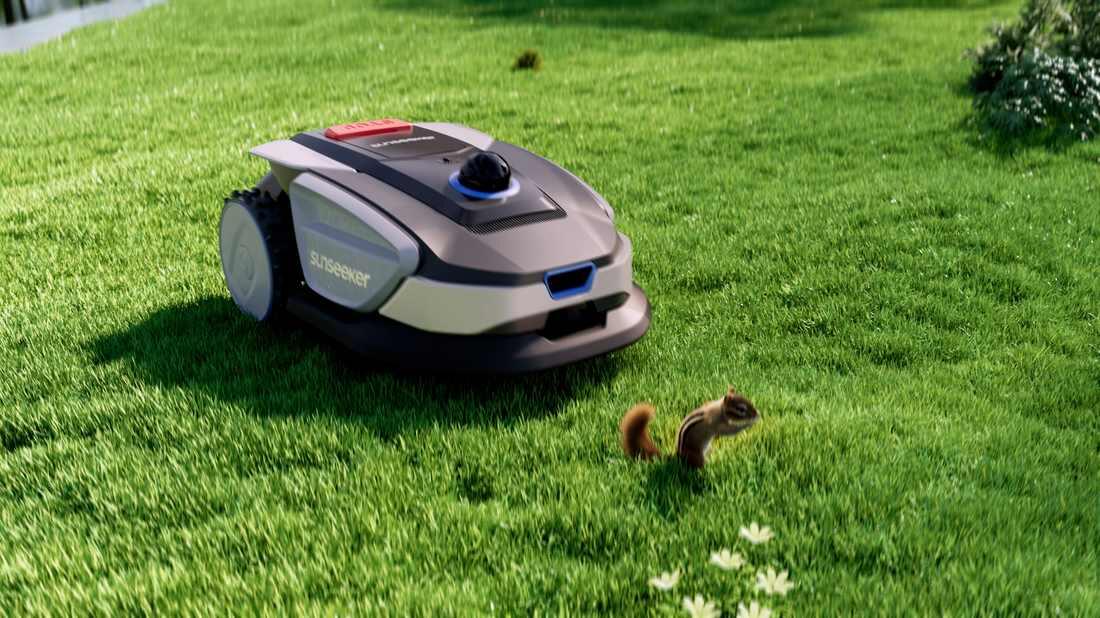
Once the fertilizer is watered in, the turf is dry, and growth is active, regular mowing can resume. The Sunseeker S4 supports planned maintenance with intelligent path planning and a floating cutting system that follows ordinary surface variation. Scheduling it after the waiting period helps maintain an established lawn at a consistent height without driving over wet ground.
Conclusion
Good fertilizing results need the right amount of moisture at the right time. Granular fertilizer usually needs light watering, while liquid and weed-and-feed products may need a dry period first. Water carefully so nutrients reach the soil without washing away, and wait until the grass dries before mowing.
After regular mowing resumes, Robot Mowers with Mulching Blades can keep the lawn neatly trimmed while returning fine clippings to the grass. Always follow the product label and adjust your routine when lawn conditions change.
FAQs
How soon should I water my lawn after fertilizing?
Water plain granular fertilizer within 24 hours, using about 6 mm unless the label states otherwise. In warm, dry conditions, irrigate soon after application. Liquid foliar fertilizer or weed-and-feed may require 2 to 24 dry hours first. Read the exact label before deciding, because its instructions override general timing.
What happens if you don't water your grass after fertilizing?
Unwatered granules may remain on leaves, dissolve unevenly in dew, or fail to reach the soil promptly. That can produce a weak response, streaking, or leaf scorch during dry weather. Some slow-release material may simply wait for rain. Herbicide combinations are different, since an intentional dry interval may be required before watering.
How long can fertilizer sit without rain?
Plain granular fertilizer can often wait up to 24 hours for irrigation, but heat, damp leaves, and product chemistry alter the risk. Do not leave it indefinitely during dry weather. If the label calls for immediate watering, irrigate promptly. If rain is delayed, apply the specified amount rather than adding more fertilizer.