Thanksgiving can arrive while one lawn is still growing and another has already gone quiet for winter. That is why the holiday itself is a poor mowing deadline. The better clues are grass growth, soil condition, frost, fallen leaves, and the height you have been maintaining through fall.
If the lawn is still actively growing and the ground is dry enough to mow cleanly, one more cut may be useful. If growth has stopped, the grass is frosty, or the soil is saturated, mowing just to make the yard look freshly cut can do more harm than good.
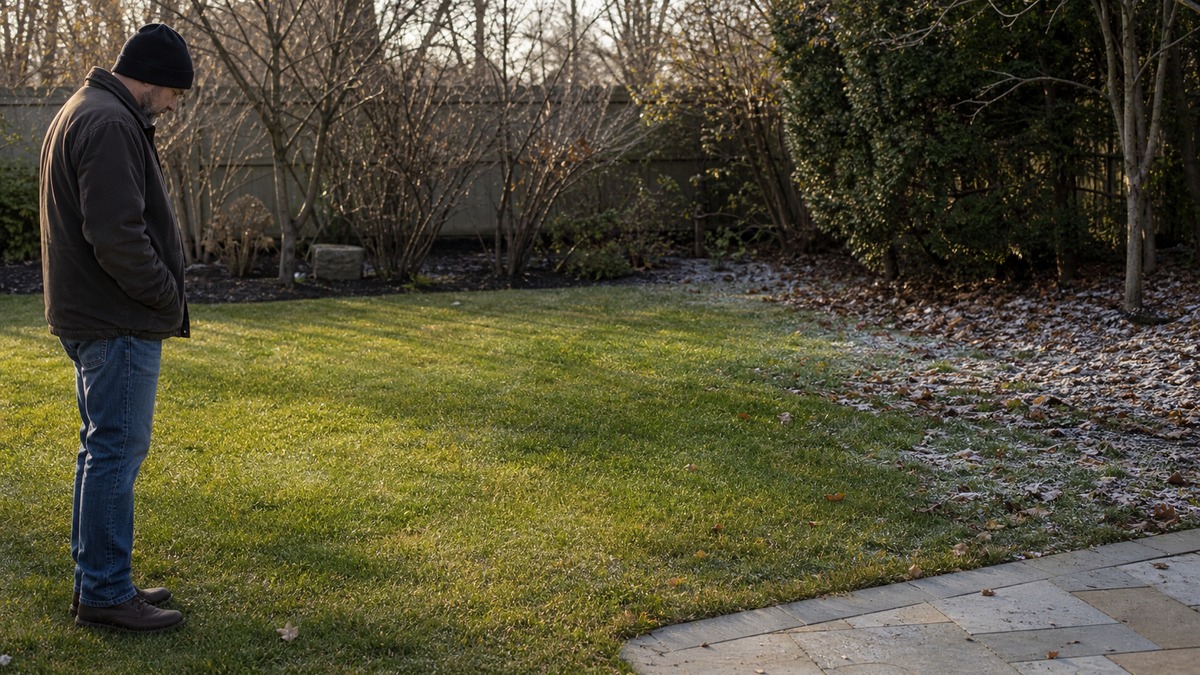
Should You Mow Your Lawn Before Thanksgiving?
Mow before Thanksgiving only if the grass is still growing and the lawn can handle traffic without rutting or tearing. In many colder regions, cool-season grasses slow sharply by late fall. Kentucky bluegrass typically stops leaf growth once daytime highs are consistently below about 10°C, though the timing shifts with location and weather.
That makes a simple visual check more useful than the holiday date. If the lawn has gained noticeable height since the last cut, the blades are upright, and the ground is firm and dry, a final mow can tidy the lawn and help prevent long grass from matting under winter weather. If the height has barely changed for a week or two, there is little reason to run the mower again.
Warm-season lawns need a different read. Bermudagrass, zoysiagrass, and similar grasses may already be entering dormancy by late November in many regions. Once the lawn has stopped active growth, mowing should stop as well. A brown or tan dormant lawn does not need a cosmetic Thanksgiving cut.
When Should You Stop Mowing Your Lawn for Winter?
The best stopping point is when active growth ends, not when a particular month appears on the calendar. The same practical rule applies across cool-season lawns: keep mowing while the grass is growing, then put the mower away once growth has stopped.
For cool-season turf, that often lines up with colder late-fall weather. In northern climates, growth may end around late October or November. Farther south, the season can stretch longer. A mild spell can also produce a little extra growth after you thought mowing was finished, so watch the lawn rather than assuming one final date works every year.
There is no benefit in forcing a last cut on frozen or waterlogged ground. Frost makes grass blades brittle, while wet soil is easier to compact and mark with wheels. If Thanksgiving week arrives with soggy ground or repeated frosty mornings, leaving the grass alone is usually the cleaner choice.
How Short Should You Mow Your Lawn in Late Fall?
Late fall is a poor time for an aggressive scalp. For many cool-season lawns, a final height around 5 to 8 cm is a practical reference range, but the right target still follows the grass species and local climate. Kentucky bluegrass is often kept around 6 to 8 cm in fall, while some lawns can be moved gradually toward roughly 5 to 6 cm before winter.
The useful takeaway is the same: finish the season a little shorter than summer height if that suits your grass, but do not cut below its healthy range. Removing too much leaf at once reduces the turf's ability to store energy and can expose crowns to stress. Keep the one-third rule in mind and lower height gradually if you have been mowing high through summer.
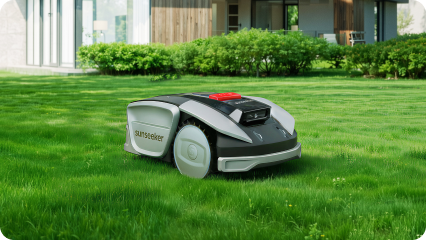
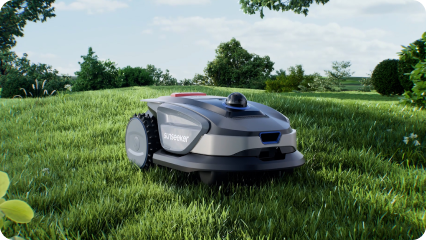
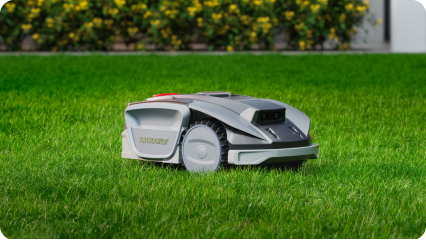
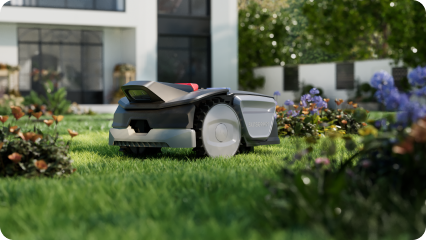
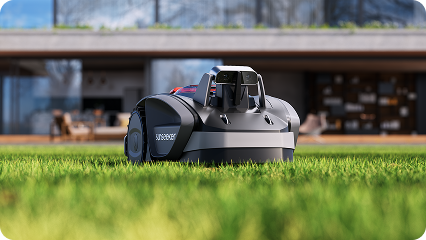
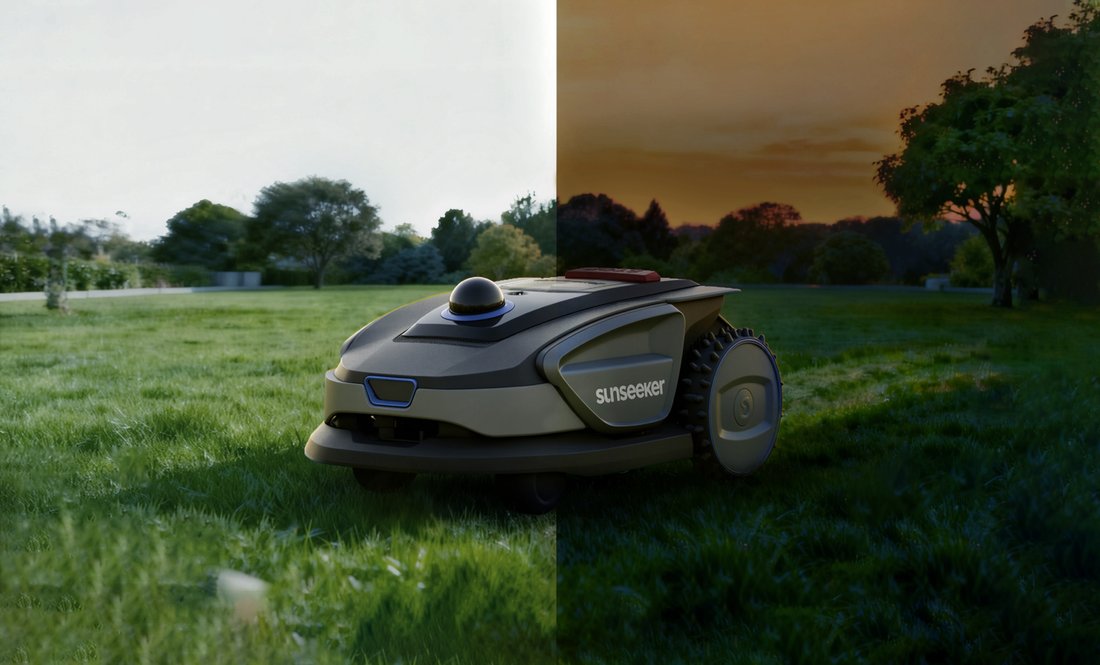
If the lawn is still growing regularly in late fall, Robot Lawn Mowers can keep cutting tied to actual growth rather than a fixed weekend routine. The seasonal rule still stays the same: reduce or pause the schedule as growth slows, and do not send a mower onto frosty or saturated turf.
What Should You Do Before and After the Final Mow?
The final cut works best as part of a small late-fall cleanup, not as a stand-alone job. A few checks around weather, leaves, and irrigation can leave the lawn in better shape without turning Thanksgiving week into a major yard project.
Avoid Mowing Wet or Frosty Grass
Wait until frost has melted and the blades are dry. Mowing frozen grass can crack or bruise leaf tissue, while wet grass tends to bend, clump, and cut unevenly. Soft soil also increases the chance of wheel ruts and compaction, especially in low spots that stay damp after rain.
A dry afternoon is often a better late-fall mowing window than a cold morning. If the lawn never firms up between rain events, skip the cut. A slightly untidy lawn is easier to recover from than torn turf and compressed soil going into winter.
Clear Fallen Leaves and Lawn Debris
Do not leave a thick leaf layer sitting on the grass for winter. When leaves cover most of the turf, they block light and trap moisture. Thin, dry leaves can often be chopped finely with a mower so the pieces fall between the grass blades; heavier layers should be collected or moved to beds and compost.
Clear sticks, toys, hoses, and other debris before the last cut as well. This is especially useful if you use a robotic mower, because the lawn should be clear enough for a consistent mowing path rather than asking the machine to work through a seasonal mess.
Adjust Watering Before Winter
A lawn growing slowly in cool weather does not need the same irrigation schedule it used in summer. Reduce watering as temperatures fall and rainfall increases, but do not let actively growing cool-season turf sit in prolonged drought if the fall is unusually dry.
In regions with freezing winters, the irrigation system itself also needs attention. Shut down and winterize lines before hard freezes can damage exposed components. The grass may be nearly done for the year, but water left in irrigation equipment can still create an expensive spring repair.
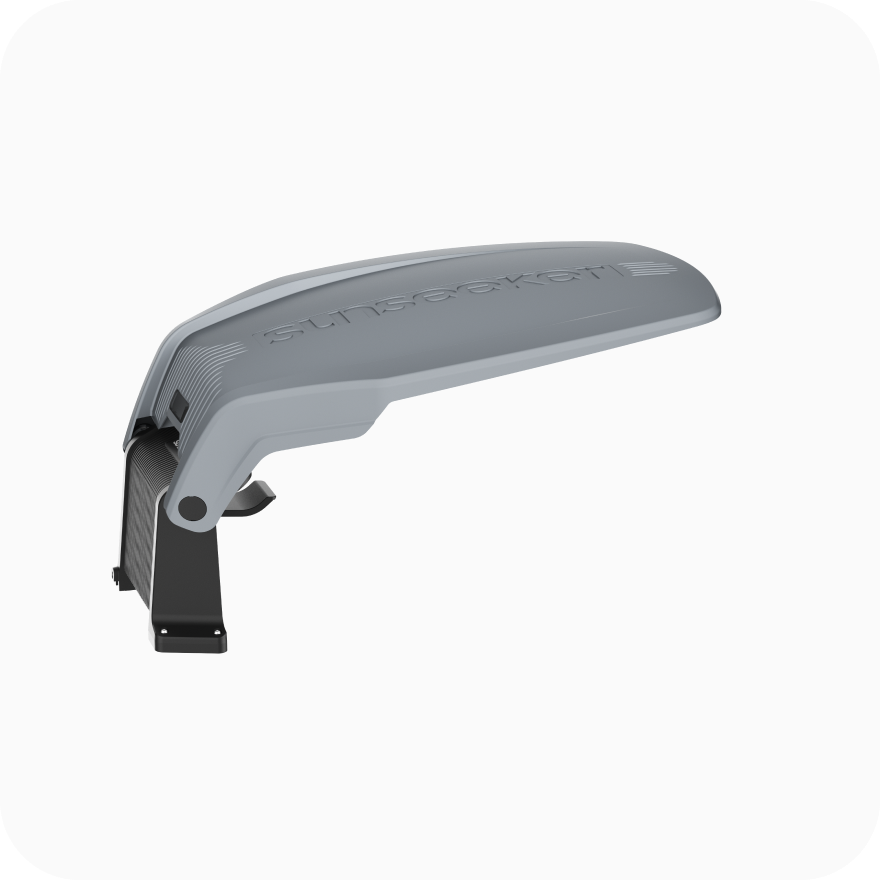
For lawns that remain active late into the season, the Sunseeker S4 can keep routine cuts consistent with automatic 3D mapping, planned routes, multi-zone management, and edge-cutting options. Once growth stops, stop the mowing schedule too.
Conclusion
You do not need to mow just because Thanksgiving is approaching. Give the lawn one more cut if it is still growing, the grass is dry, and the soil is firm. If growth has stopped or frost and wet weather have taken over, leave it alone.
Keep the final cut modest, clear heavy leaves, reduce watering as the season closes, and let winter dormancy look like winter dormancy. The goal is a lawn that enters winter without unnecessary stress, not a holiday-perfect finish.
FAQs
Should I Bag or Mulch Leaves?
Mulch thin, dry leaf layers if the mower can chop them finely enough to fall between the grass blades. If leaves are thick enough to hide the lawn, collect them instead; a heavy mat can block light, trap moisture, and smother turf over winter.
Do I Need to Fertilize Every Fall?
No. Fall fertilization should follow your grass type, region, and local timing guidance. Some cool-season programs use late-fall nitrogen, while warm-season grasses may need to avoid late nitrogen as dormancy approaches. Use local turf guidance or a soil test rather than fertilizing simply because mowing is ending.
What Happens If I Skip Winter Lawn Care?
Skipping winter care will not automatically damage a dormant, clean lawn. The main risks are heavy leaves, matted turf, and frozen irrigation lines. Fix those actual problems and leave the rest alone.