You finish mowing, step back, and something still feels off. The grass is the same height, but the walkway has shaggy strips, the driveway edge looks fuzzy, and loose clippings are sitting right where the clean lines should be. These small details can make the difference between a lawn that looks freshly cared for and one that looks a little rushed.
That is why the order of mowing and edging matters more than many people think. Doing the right task first can help you get cleaner borders, manage clippings better, and avoid extra cleanup at the end. In this guide, we will look at whether it is better to edge before or after mowing, when each order makes sense, and how to get a neater finish with less backtracking.
Should You Edge or Mow First?
For most lawns, mow first, then edge, then clean up. Mowing first sets an even lawn height, so you can cut the edge against the finished surface instead of guessing where the grass will sit afterward. It also makes the true border easier to see along concrete, pavers, and beds.
This default order works well because it:
- Gives you a consistent grass height before you define the edge
- Keeps the mower from softening a freshly cut line
- Leaves all clippings and debris for one final cleanup pass
The result is usually a sharper edge with less rework. If you edge first, the mower can throw loose grass back onto sidewalks or drag clippings across the line you just cleaned.
Why the Order Matters for Lawn Appearance and Cleanup
The order matters because mowing changes how the edge looks. Before mowing, grass often leans over sidewalks or beds, which can make the border seem wider and rougher than it really is. If you are unsure how to edge a lawn cleanly, mowing first exposes the true border and shows where the edging blade should run.
Cleanup is the other big reason. Mowing spreads fine clippings across the lawn and sometimes onto hard surfaces. Edging adds heavier strips, loose runners, and soil crumbs along the border. If you mow, edge, and then blow or sweep once, you remove both types of debris in a single pass.
A clean edge also depends more on consistency than depth. Grass beside a crisp vertical line looks neater than grass beside a rough, uneven trench. Keeping the order simple helps you get that consistent result without working the same area twice.
The Best Mowing, Edging, and Cleanup Workflow
A simple workflow keeps the lawn surface, border, and hardscape looking finished without extra passes: mow first, define the edge second, then clear the debris.
Step 1: Mow to Set an Even Lawn Height
Mow the main lawn first. Set the mower to the height your grass type needs and avoid removing too much at once. Overlap your passes slightly so you do not leave raised strips. If possible, mow parallel to long straight edges like sidewalks and driveways; that makes the border easier to judge later. If the grass is wet enough to clump, wait until it dries.
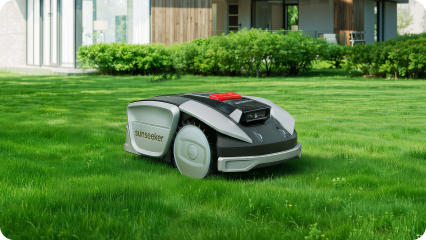
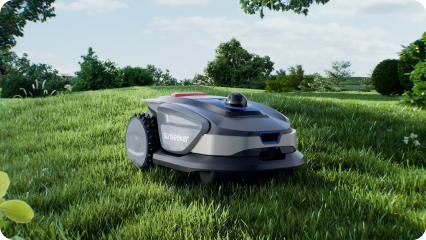
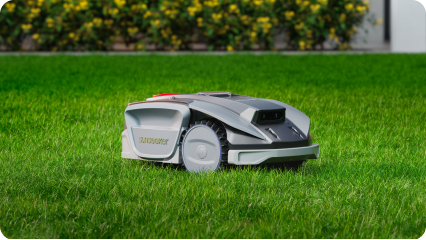
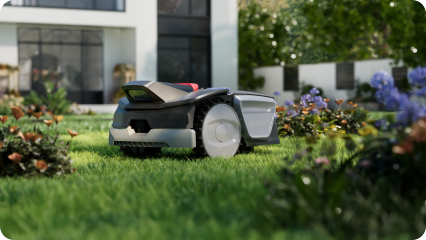
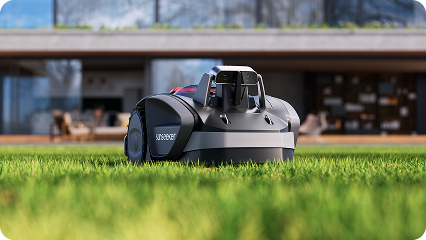
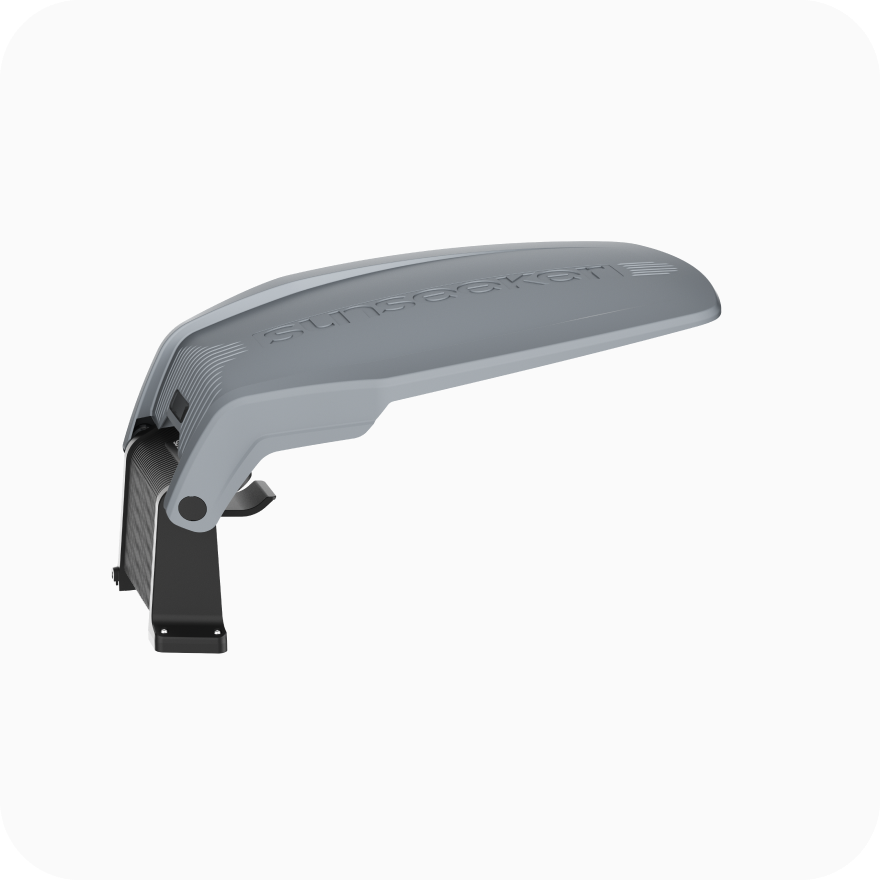
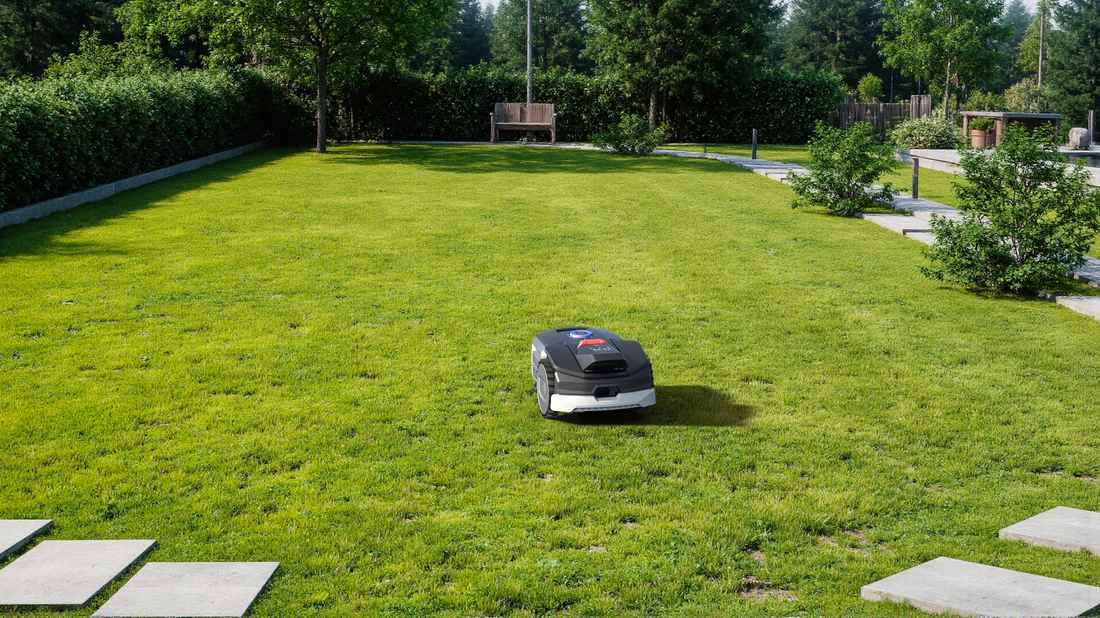
For small gardens, a wire-free robotic mower can make this first step easier to keep consistent. The Sunseeker V1 is designed for lawns up to 300 m² and uses Vision AI to recognize grass and non-grass areas without a boundary wire. Its 16 cm cutting width, 20–50 mm manual cutting height, and floating cut system help it handle regular mowing on smaller lawns, while features like app scheduling, rain detection, and automatic return when the battery is low make it useful for keeping the lawn surface tidy before you move on to edging.
Step 2: Edge Along Walkways, Driveways, and Beds
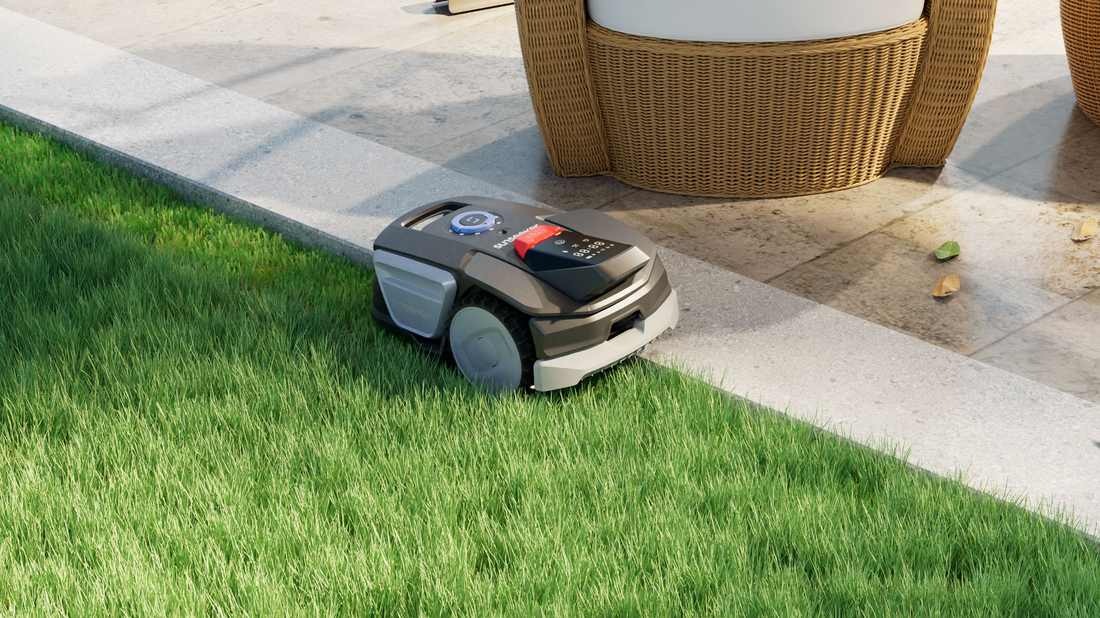
Edge after mowing, following the hard boundary rather than the grass line. When learning how to mow grass around pavers, keep the mower wheels on stable ground, avoid scalping the border, and finish with a vertical edging pass along the hard surface.
Along garden beds, use a lighter touch. The goal is a clean separation, not a deep trench that exposes roots or throws mulch into the grass. On maintained edges, a shallow, consistent cut is usually enough.
Step 3: Blow or Sweep Clippings for a Finished Look
Clean up last. Blow clippings off sidewalks, driveways, patios, and curbs back onto the lawn if they are light and dry. Sweep or collect them if they are thick, wet, or mixed with soil.
Try to keep debris out of storm drains, gutters, and planting beds. This final pass is what makes the edge stand out instead of getting lost in leftover clippings.
When Edging Before Mowing Makes More Sense
Edging first makes sense when the border is too overgrown to guide the mower safely or accurately. If grass has crept well over a sidewalk, driveway, or curb, exposing the edge first helps you see the hard boundary before mowing near it.
Use edging first when:
- The walkway or driveway line is hidden by runners or thick overgrowth
- You are reclaiming an edge that has been ignored for a while
- The mower wheel needs a visible hard edge to avoid scalping or dropping off the border
- Tall perimeter growth may be hiding rocks, roots, or uneven concrete
In these cases, edge first, mow carefully, and expect a heavier cleanup. The mower may scatter loosened grass and soil, so the border often needs more attention afterward.
Common Mistakes That Make Lawn Edges Look Messy
Messy edges usually come from rushing or cutting too aggressively. A clean edge is controlled and repeatable, not extra deep or extra wide.
Avoid these common mistakes:
1.Cutting too deep: routine edges usually need only a shallow cut. Deep trenches expose roots, dry out the edge, and collect debris.
2.Tilting the trimmer head: this creates a sloped, fuzzy border instead of a clean vertical line.
3.Edging wet soil: damp edges crumble and smear more easily.
4.Skipping cleanup: even a straight edge looks messy if clippings and soil stay on the pavement.
5.Scalping the border: dropping mower wheels too low near concrete can leave yellow or bare strips.
6.Changing the line each time: widening the edge little by little eats into the lawn.
If an edge looks uneven, avoid fixing it by shaving it wider in one session. It usually looks better if you correct the line gradually over the next few mowing cycles.
Conclusion
For the cleanest lawn, mow first, edge second, and clean up last. That order sets the grass height before you define the border and leaves all clippings for one final pass. If you use a robot lawn mower for regular maintenance, you may still need to edge manually from time to time, especially along paths, fences, flower beds, and tight corners where the mower may not cut as closely. Edge before mowing only when the boundary is hidden, overgrown, or unsafe to mow against.
A neat lawn edge does not come from cutting deeper or working harder. It comes from using the right sequence, following the same line, and finishing with a quick cleanup that lets the border stand out.
FAQ
How deep should lawn edging go?
For most lawn edges, edging should go about 5 to 7.5 cm deep. This is deep enough to cut a clean vertical line and separate the grass from paths, driveways, or garden beds, without disturbing too much soil. For softer garden-bed edges, stay closer to 5 cm.
What is the 3 inch edging rule?
The 3 inch (7.5 cm) edging rule means cutting a clean, narrow vertical edge about 3 inches deep along the border of your lawn. This depth is usually enough to separate grass from walkways, driveways, or garden beds without disturbing too much soil. It helps the lawn edge stay defined and easier to maintain.
How many times should you edge your lawn?
Most lawns only need edging about once every 2 to 4 weeks during the growing season. Fast-growing grass, rainy weather, or high-visibility areas near driveways and walkways may need edging more often. In slower growth periods, you can edge less often and simply tidy up when the border starts looking uneven or overgrown.