Snow has melted, the grass is waking up, and compacted areas may still hold water or show every footprint. That can make aeration feel like an obvious spring chore. But working the lawn while the soil is still too wet can do more harm than waiting, especially when summer heat is only a few weeks away.
For anyone asking should I aerate my lawn in the spring, the decision comes down to lawn condition, grass type, soil readiness, and what other treatments are planned. This guide helps you judge the right window and recognize when delaying aeration is the better choice. Timing matters more than the calendar.
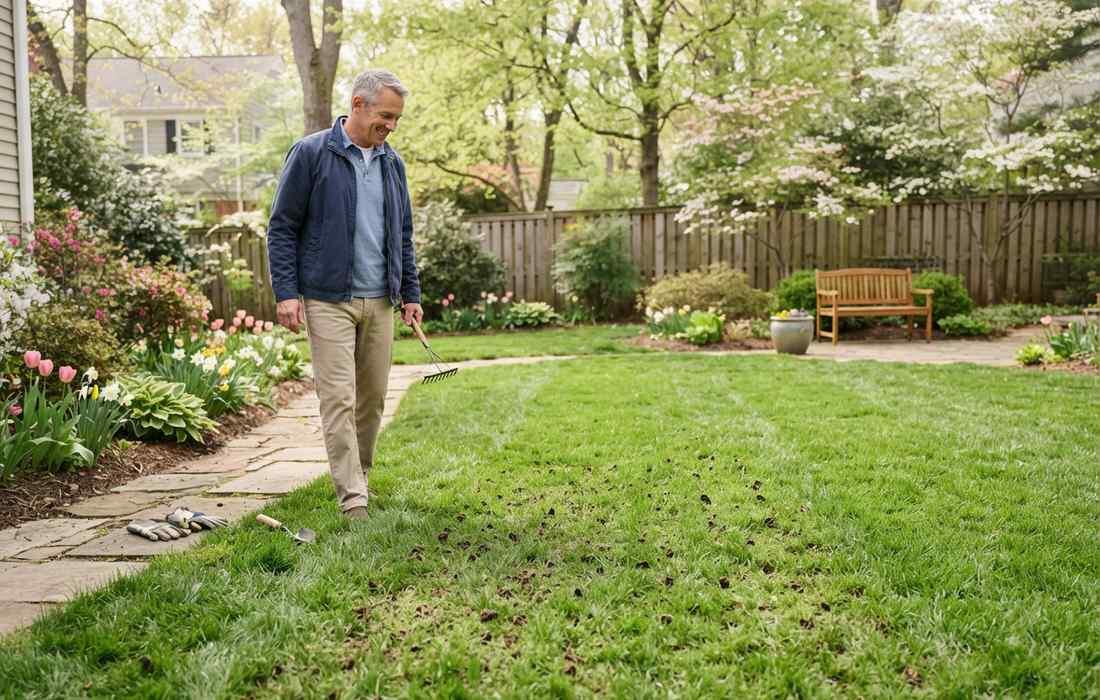
Is Spring the Right Time to Aerate Your Lawn?
Spring is a conditional aeration window, not an automatic annual appointment. The lawn should show a real compaction or infiltration problem and be growing strongly enough to close the holes within a few weeks.
Core aeration removes plugs about 5 to 8 cm deep, opening temporary channels for air and water. It helps traffic areas, clay soil, and poor infiltration. If a screwdriver enters moist soil easily and water soaks in normally, aeration may provide little benefit.
Spring timing also competes with crabgrass prevention. A core aerator can break the herbicide barrier created by some pre-emergent products. If weed control is a priority, aerate before applying the product or confirm the allowed sequence and waiting interval on its label. In northern cool-season lawns, late August through early October often gives better recovery and seeding conditions than spring.
How Does Grass Type Change the Best Aeration Timing?
Growth rate matters more than the calendar because aeration wounds close fastest while grass is actively producing roots and shoots. The ideal window therefore shifts with the lawn’s seasonal growth pattern.
Cool-Season Grass
Kentucky bluegrass, perennial ryegrass, and fescues grow most actively in spring and fall. If your question is can I aerate my lawn in the spring, the practical answer is yes after the ground drains and regular mowing begins, especially on seriously compacted turf. However, spring holes may encourage weeds, and seedlings face summer heat. Routine aeration is usually better in late summer or early fall, when recovery conditions last longer.
Warm-Season Grass
Bermudagrass, zoysiagrass, centipedegrass, and St. Augustinegrass should be aerated after full green-up, commonly from late spring into early summer. In many southern areas this means May through August. Do not aerate dormant or partly green turf. Finish with several weeks available for recovery before drought, extreme heat, or fall dormancy.
What Signs Show Your Lawn Needs Aeration Now?
Poor drainage, thinning grass, and hard ground can have several causes, but a repeated pattern across busy areas often points to restricted soil. Simple field checks can separate compaction from other problems.
Hard or Compacted Soil
Push a long screwdriver or soil probe about 8 to 10 cm into moist—not saturated—soil, comparing trafficked areas with healthier parts of the lawn. Stronger resistance, poor infiltration, sparse growth, or dense, plate-like soil supports a compaction diagnosis. Some construction sites have only a shallow layer of topsoil over dense subsoil, but the actual depth should be confirmed with a soil sample. Core aeration may provide modest surface relief without rebuilding the soil profile.
Standing Water or Slow Infiltration
Puddles that remain for hours after moderate rain can indicate sealed or compacted surface soil. First rule out clogged drains, low grading, irrigation leaks, and saturated subsoil. Pour 25 mm of water into a simple test ring and compare absorption in healthy and affected areas. Aeration may improve a compacted surface, but persistent water that follows every storm needs drainage or grading correction rather than repeated passes with an aerator.
Heavy Traffic Areas
Paths between gates, play zones, pet routes, and mower turning points often become harder and thinner than the rest of the lawn. If footprints remain after the soil is moist but not saturated, roots may lack pore space. Aerate these areas with two perpendicular passes while giving healthy, low-traffic turf one pass or none. Then reduce repeated pressure by rotating access routes and avoiding vehicles on wet soil.
Shallow Roots and Thin Turf
Remove a soil plug and examine the root zone. Roots concentrated in the top 3 to 5 cm may reflect compaction, shallow irrigation, excess thatch, poor soil depth, disease, or unsuitable mowing. Aeration helps only the physical restriction. Thatch over about 1.3 cm may require a separate dethatching decision. Diagnose pests and disease before assuming holes will restore density.
What Are the Risks of Aerating in Spring?
Cool-season grass may be growing in spring, yet disturbed soil also creates openings for weeds and exposes tender roots to approaching heat. The risk rises as the recovery window becomes shorter.
Weed Germination
Exposed soil and open canopy space can create sites for crabgrass and broadleaf weeds. Spring seeding also limits herbicide choices because many pre-emergents prevent desirable grass seed from establishing. If aeration is necessary, improve turf density through correct mowing and irrigation rather than leaving holes beside thin grass. Follow label-specific seeding intervals; do not use a generic wait time for every herbicide.
Disrupting Pre-Emergent Control
Pre-emergent herbicides form a treated zone near the soil surface. Pulling cores after application may create untreated channels or redistribute the barrier, reducing control. Plan aeration first, then apply pre-emergent according to the label after the soil surface settles. If treatment has already been made, contact the manufacturer or a local turf-care adviser before aerating. The active ingredient and formulation determine the correct sequence.
Smearing Wet Soil
An aerator used on saturated clay can polish the sides of holes instead of creating crumbly channels. Heavy equipment also leaves ruts and compacts deeper soil. Test moisture by squeezing a handful from 8 cm deep: it should hold together but crumble when pressed, not release water or form a slick ribbon. If plugs stick heavily to the tines or footsteps sink, wait several dry days and test again.
Slow Recovery Before Summer Heat
Cool-season grass aerated late in spring may have only a short period before high temperatures slow growth. Open areas can dry faster, and newly seeded roots may not tolerate drought. Allow roughly four to six weeks of active growth before expected summer stress. If that window is missing and compaction is not severe, postpone the job to late summer or early fall and manage traffic and irrigation carefully until then.
How Do You Aerate in Spring If the Lawn Really Needs It?
Urgent compaction can justify spring work, but success depends on creating clean cores without damaging wet soil or interfering with lawn treatments. Careful preparation keeps the limited recovery window usable.
Step 1. Confirm Active Growth and Soil Moisture
Mow once or twice after green-up so the grass is clearly growing. Irrigate lightly one or two days before aeration only if the soil is dry. The target is moisture to about 8 cm without mud. Push a screwdriver into several spots and squeeze a soil sample. Delay if the soil is frozen, saturated, or slick, or if hot weather is expected before the turf can recover.
Step 2. Mark Sprinklers and Shallow Utilities
Flag every sprinkler head, valve box, drain, invisible-fence wire, landscape-light cable, and shallow irrigation line. Call the local utility-marking service before work where required; it locates public utilities, not every private line. Measure the tine depth and keep a generous buffer around marked objects. Clear stones, toys, branches, and hose fittings so the machine can travel safely without striking hidden hardware.
Step 3. Core Aerate the Compacted Areas
Use a hollow-tine core aerator that removes plugs 5 to 8 cm deep where soil depth allows. Make one pass over the lawn and a second perpendicular pass over compacted paths. Aim for holes roughly 5 to 8 cm apart in problem areas. Leave the cores on the surface; after drying, they break down through mowing and rain. Avoid repeated turns in one spot, which can tear turf.
Step 4. Water and Plan Seeding or Feeding Carefully
Water only enough to keep the root zone appropriately moist after aeration. Apply fertilizer from a soil-test recommendation, not because holes are present. If overseeding cool-season turf, use seed suited to the site and maintain the shallow seedbed moisture required for germination. Confirm that any herbicide schedule permits seeding. Resume routine mowing after the surface is firm and seedlings, if present, meet the first-mow readiness test.
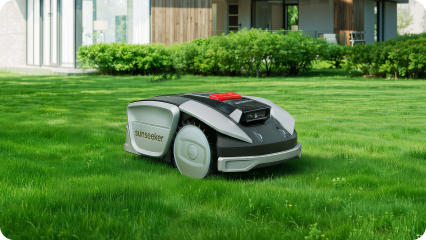
Once the lawn is established and recovered, the Sunseeker V1 supports regular maintenance on suitable lawns. Let cores dry and the surface firm before scheduling it; consistent light mowing then helps maintain density.

Conclusion
Spring aeration makes sense when the soil is compacted and the grass has enough active growth ahead to recover. Cool-season lawns may need early treatment in problem areas, while warm-season grass should be fully green before aeration. Work only when the soil is moist but not wet, and plan around any pre-emergent treatment. After the lawn has recovered and normal mowing returns, Sunseeker’s Robot Mowers with Mulching Blades can help keep established turf evenly trimmed with regular light cuts.
FAQs
Is spring a good time to aerate a lawn?
It can be. The query should i aerate my lawn in spring has a conditional answer: cool-season grass can be treated after drainage and active growth begin, but late summer or early fall is usually better. Aerate warm-season grass after full green-up. Delay when soil is saturated, seedlings are fragile, or recovery weather is too short.
Should I aerate before or after pre-emergent?
Aerate before applying pre-emergent whenever possible. Core removal after treatment can break the herbicide barrier and open channels for weeds. Apply the product after aeration according to its label. If pre-emergent is already down, do not assume a universal waiting period; check the active ingredient’s label or ask the manufacturer or a local turf-care adviser.
How often should you aerate your lawn?
Heavily used clay lawns may benefit once a year during active growth. Moderate compaction may require aeration every two or three years, while loose sandy soil with good infiltration may rarely need it. Use screwdriver resistance, infiltration, root depth, and traffic patterns rather than a fixed calendar. Avoid aerating a healthy lawn simply because a service is scheduled.