Keeping a lawn green, thick, and free of weeds involves more than simply mowing and fertilizing on a regular schedule. The order in which you perform these tasks matters, especially when using weed and feed products. Many homeowners wonder about weed and feed before or after mowing and whether the timing affects the product’s performance. The answer is yes. Applying weed and feed at the right stage can improve weed control and help your lawn absorb nutrients more effectively.
On the other hand, poor timing may reduce results and place unnecessary stress on the grass. In this article, we’ll break down when to mow, when to apply weed and feed, and how long to wait between each step to help your lawn recover properly and maintain healthy growth.

What Is Weed and Feed and Why Does Product Type Matter?
Weed and feed is a lawn care product that combines herbicides for weed control with fertilizer that supports healthy grass growth. The herbicide targets common weeds such as dandelions and clover, while the fertilizer provides nutrients like nitrogen, phosphorus, and potassium to strengthen the lawn. A thicker, healthier lawn can naturally help prevent future weed growth.
The type of weed and feed you choose can affect both results and application timing:
- Granular vs. Liquid: Granular products are better for large areas and long-term feeding, while liquid formulas provide faster results and are useful for spot treatments.
- Pre-Emergent vs. Post-Emergent: Pre-emergent products prevent weed seeds from germinating, while post-emergent products kill weeds that are already growing.
- Slow-Release vs. Quick-Release: Slow-release fertilizers provide steady nutrition, while quick-release options deliver faster greening.
Understanding your product type is important when deciding should you mow before weed and feed, as application and mowing recommendations can vary by formula.
Should You Mow Before or After Applying Weed and Feed?
In most cases, you should mow your lawn 2–3 days before applying weed and feed, then wait several days after application before mowing again. This timing is important because many homeowners are unsure whether to mow before or after weed and feed. Mowing beforehand generally helps prepare the lawn so the herbicide and fertilizer can work more effectively.
Why mow before applying weed and feed?
- Improves weed control: Mowing a few days in advance allows weeds to recover and develop fresh leaf growth, giving the herbicide more surface area to absorb into the plant.
- Enhances fertilizer coverage: Shorter grass helps the fertilizer reach the soil more evenly, ensuring nutrients are distributed throughout the lawn rather than getting trapped on long grass blades.
- Reduces the risk of fertilizer burn: Freshly mowed lawns are less likely to experience concentrated fertilizer buildup, which can stress or damage grass.
- Maximizes product effectiveness: Mowing too close to application can reduce herbicide absorption, while proper spacing gives the weed and feed enough time to deliver the best results.
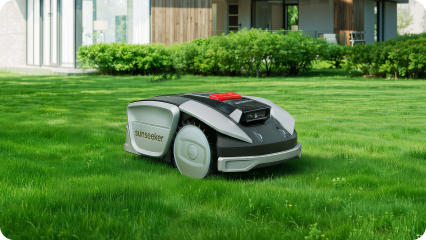
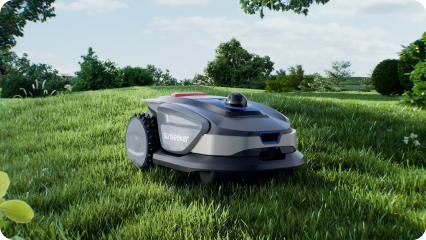
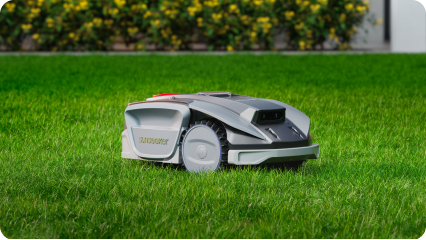
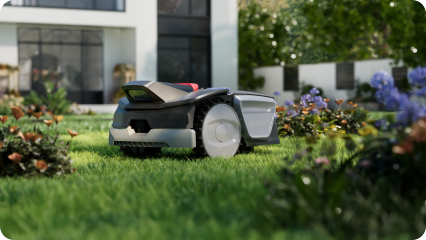
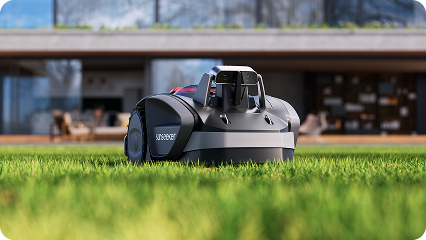
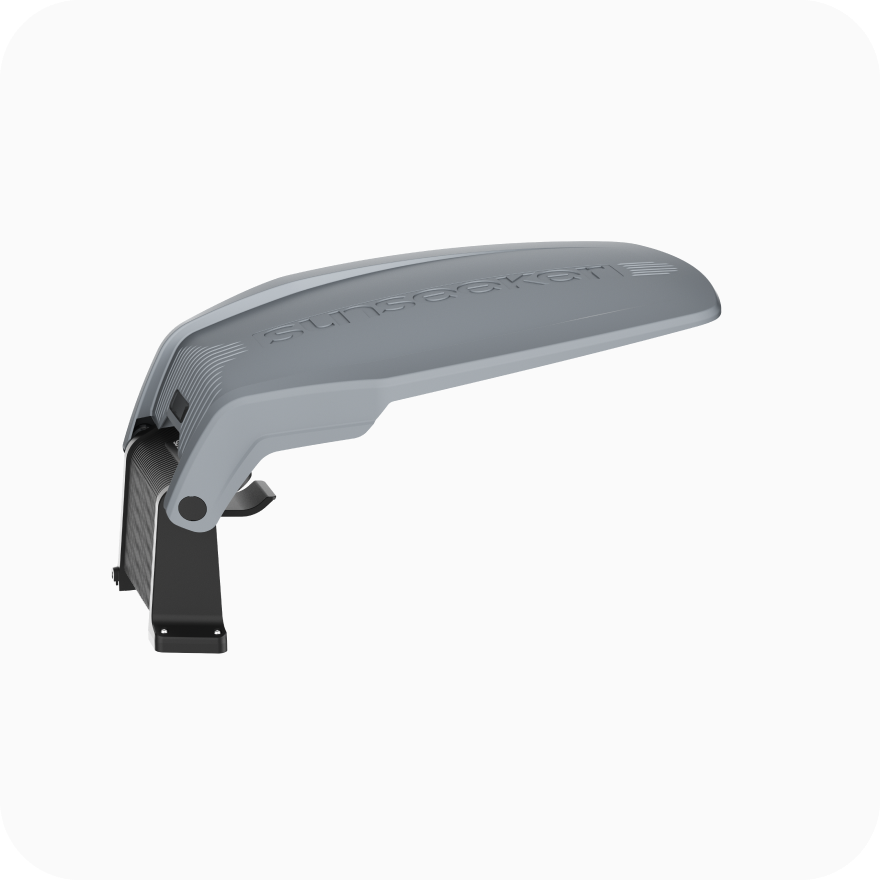
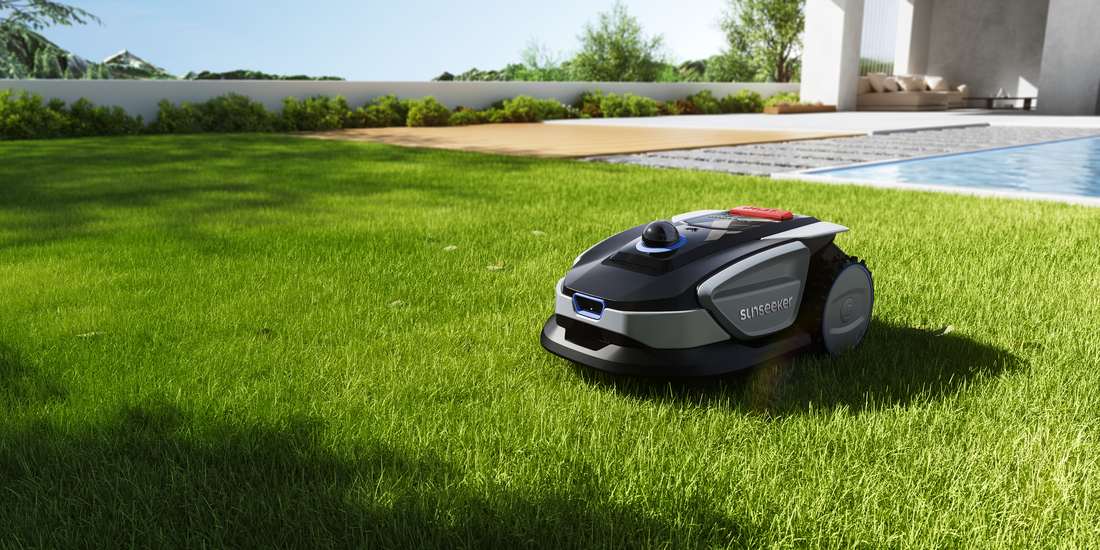
For homeowners who want to simplify lawn preparation, robotic mowers can help maintain a consistent mowing schedule before weed and feed applications. The Sunseeker S4 features wire-free installation, LiDAR-guided navigation, and AI-powered obstacle avoidance, making it ideal for effortless lawn maintenance on properties up to 1,000 m².
How Long Should You Wait Between Mowing and Weed and Feed?
Mow the lawn a few days before treatment, then delay mowing after fertilizing with a weed-and-feed product for at least 2 days. Mowing too soon can remove treated weed leaves before the herbicide has been fully absorbed, reducing the product's effectiveness. Leaving enough time between mowing and treatment helps the weed control and fertilizer work more effectively.
Why Is Mowing Right After Weed and Feed a Bad Idea?
Mowing immediately after applying weed and feed can reduce the product’s effectiveness. Both the herbicide and fertilizer need time to settle, absorb, and begin working within the weeds and grass. Cutting the lawn too soon may remove treated weed leaves and disrupt nutrient uptake before the treatment has fully taken effect. This can weaken weed control, limit fertilization benefits, and place additional stress on the lawn.
How to Apply Weed and Feed the Right Way
Applying weed and feed correctly is just as important as choosing the right product. Following the proper steps can improve weed control, maximize nutrient absorption, and help you achieve a healthier lawn with fewer applications.
1.Prepare the lawn.If you're asking, should I mow the lawn before weed and feed, the answer is yes. Mow your lawn 1–2 days before application and remove excess debris or clippings as part of the preparation before applying weed and feed.
2.Apply under the right conditions. Spread weed and feed when the grass is slightly damp from dew or recent watering, but avoid applying if heavy rain is expected within 24 hours. Season and active growth still determine when to weed and feed a lawn; this damp-surface check only helps you choose the right day within that broader application window.
3.Use a spreader for even coverage.Apply the product with a rotary or broadcast spreader, following the manufacturer's recommended settings. Slightly overlap each pass to prevent missed spots.
4.Wait before watering.Allow the product to remain on the lawn for about 48 hours, then water lightly to help move the fertilizer into the soil.
5.Reapply if needed.Depending on your region and weed pressure, a second application may be beneficial later in the season.
Conclusion
When it comes to weed and feed before or after mowing, timing can make a significant difference in the health and appearance of your lawn. In most cases, mowing a few days before application and waiting at least two days before mowing again afterward allows the herbicide and fertilizer to work as intended.
Pairing the right mowing schedule with the appropriate weed and feed product can improve weed control, enhance nutrient absorption, and promote stronger grass growth. By following these best practices, you can maximize the effectiveness of each application and maintain a greener, healthier, and more weed-resistant lawn after each treatment.
FAQs
What is the best time to apply weed and feed?
For best results, apply weed and feed during spring or fall when grass is actively growing and weeds are easier to control. Aim for temperatures between 16°C to 32°C, as these conditions help the lawn absorb nutrients effectively while allowing herbicides to work properly. The exact timing may vary depending on your grass type and local climate.
Is September too late for weed and feed?
No, September is not too late to apply weed and feed. In fact, early fall is one of the best times to control perennial weeds such as dandelions and clover while strengthening your lawn before winter. Apply during mild weather, avoid rainy days, and wait at least 24 hours before mowing to ensure the treatment works effectively.
Why can't you weed and feed after mowing?
You should avoid applying weed and feed immediately after mowing because freshly cut weeds have less leaf surface to absorb the herbicide. This can reduce the product’s effectiveness. For best results, wait 1–2 days after mowing before applying weed and feed, then avoid mowing again for 2–3 days so the treatment has time to work throughout the weeds.