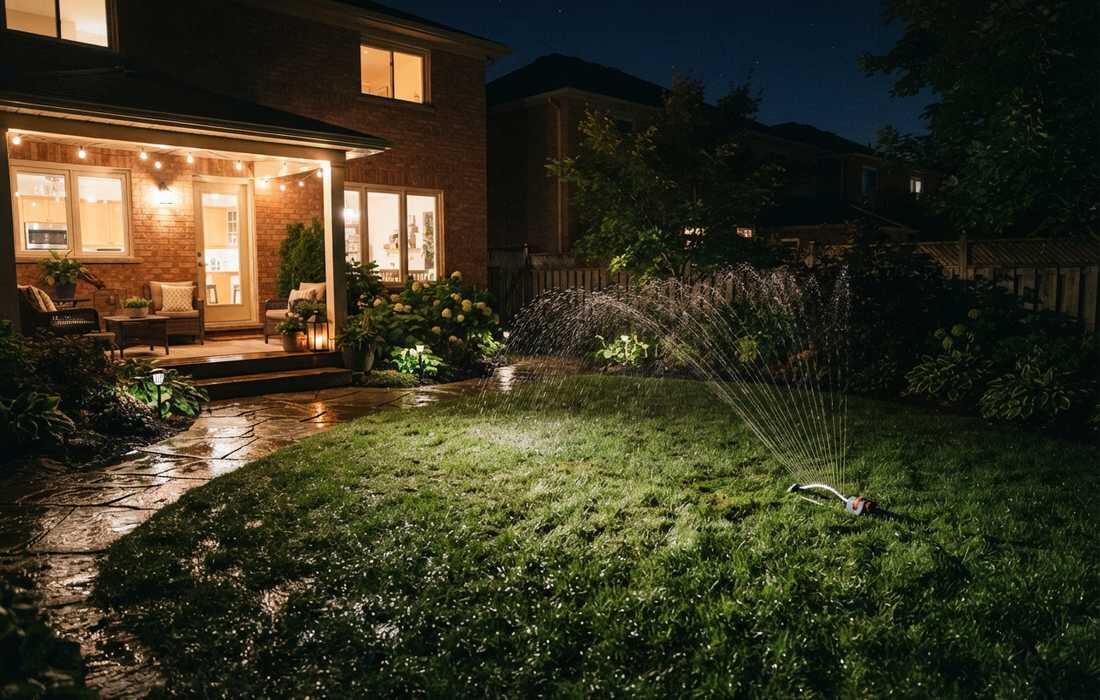
The sprinklers come on after dinner, the air is cooler, and very little water seems to disappear in the heat. By sunrise, though, the grass may still be wet. A schedule that looks efficient can keep the lawn damp for much longer than expected, especially where airflow is limited or drainage is slow.
So, is watering your lawn at night bad, and is it bad to water lawn at night in every situation? The answer depends on how long moisture remains, how deeply the soil is watered, and what conditions follow overnight. This guide helps you judge when nighttime watering is acceptable and when shifting the schedule is safer. The real issue is how long the lawn stays wet.
Why Can Night Watering Cause Lawn Problems?
Night irrigation becomes risky when wet grass stays cool for hours and excess water cannot drain or soak in. The length of the damp period matters more than the clock.
Longer Leaf Wetness
Dew naturally forms overnight. An evening sprinkler can wet grass several hours before dew begins, extending a damp period until well after sunrise. That matters most in humid, still weather, under dense shade, or in a thick canopy with little airflow. Early-morning irrigation overlaps with natural dew and gives sunlight time to dry the blades. If you must irrigate overnight, schedule the last zone to finish near dawn instead of starting at sunset.
Higher Fungal Disease Pressure
Many turf fungi infect more readily when susceptible grass stays wet and temperatures suit the pathogen. Dollar spot may show as tan patches 5 to 15 cm wide, while brown patch often forms larger irregular or circular areas. Water does not create a pathogen, and a single late cycle rarely ruins healthy turf. Repeated long wet periods, excess nitrogen, compacted soil, and poor airflow can combine to raise pressure. Confirm symptoms before applying fungicide because drought, insects, and mower injury can look similar.
Shallow Watering Habits
Short nightly cycles may dampen only the upper 2.5 cm of soil. Roots then receive little reason to explore deeper layers, and the surface remains continually moist. Established turf usually performs better when each irrigation wets roughly 15 cm of soil and the next cycle waits until the lawn begins to need water. Use a soil probe after watering rather than trusting a controller’s minute setting. Sprinkler type, pressure, and soil texture change the amount delivered per minute.
Poor Drainage and Runoff
At night, runoff is easy to miss. Water may cross a sidewalk, collect beside a foundation, or pool in low spots for hours. Clay and compacted soil accept water slowly, while slopes shed it quickly. Divide the required irrigation into two or three shorter cycles with 30 to 60 minutes of soak time between them. Repair depressions, compacted paths, and blocked drains if puddles remain after ordinary rainfall; changing the clock cannot correct a grading problem.
Are There Times When Night Watering Is Acceptable?
Night irrigation can be reasonable when local conditions or watering rules leave few alternatives. The safest plan keeps the root-zone benefit while shortening unnecessary leaf wetness.
In hot, arid regions, overnight irrigation can reduce evaporation, and some local turf-care guidance recommends dark-hour schedules. A well-designed system that applies water evenly, avoids runoff, and finishes near dawn may work without persistent disease. Drip or subsurface irrigation also leaves foliage drier than overhead spray. Night watering may be necessary during municipal time restrictions, after sod installation under a prescribed establishment plan, or when an irrigation system needs many hours to complete several zones.
Check the forecast first. Skip a programmed cycle before meaningful rain, during strong wind, or when soil is already saturated. Avoid a sunset start during warm, humid, windless weather if the blades will remain wet all night. The question can I water my lawn at night is best answered with local humidity, disease history, and irrigation method in mind. One carefully measured overnight cycle is different from a light spray every evening.
What Is the Best Time to Water Your Lawn?
For most home lawns, early morning provides the most reliable balance between low evaporation and timely leaf drying. A practical target is 5–9 a.m., adjusted for sunrise, irrigation restrictions, and the number of zones.
Starting before sunrise lets water enter the soil while temperatures and wind are usually low. After sunrise, leaves dry instead of remaining wet through another night. Midday irrigation loses more water to evaporation and wind, though a brief cooling syringe may be used by turf professionals under specific heat-stress conditions. Evening watering is less efficient than morning for disease management because it extends leaf wetness. If someone asks is it bad to water lawn during day, the main drawback is water loss, not instant grass damage; avoid the hottest, windiest hours and calibrate the system.
Do not turn a time window into a rigid daily habit. Established lawns may need about 25 mm of total water per week, including rainfall, but climate, grass species, season, shade, and soil change that figure. Irrigate when blades fold, color becomes dull, or footprints remain visible after walking. Newly seeded areas and fresh sod require a separate, more frequent establishment schedule until roots develop.
How Should You Water to Reach the Root Zone Without Keeping Grass Wet?
Root-zone watering requires enough moisture to penetrate deeply while giving the grass surface time to dry. The useful measure is soil moisture depth, supported by even coverage and suitable spacing.
Water Deeply
Apply enough water to moisten approximately 15 cm of soil on an established lawn. Place several straight-sided cans across one zone, run it for 15 minutes, and measure the average depth. If the cans collect 6 mm, that zone needs about 60 minutes to apply 25 mm under the same conditions. Stop sooner if runoff begins. Afterward, push a screwdriver or soil probe into the ground and note the depth where resistance increases.
Reduce Frequency
Let the upper soil begin to dry before irrigating again. Many established lawns are adequately served by one or two watering days per week, but sandy soil, extreme heat, shallow roots, or local restrictions may require a different pattern. The search is it bad to water your lawn at night often reflects a schedule problem more than a clock problem: five-minute daily cycles keep leaves damp while failing to recharge the root zone. Use visible stress and an 8 to 15 cm moisture check to guide the next cycle.
Adjust for Soil Type
Sandy soil absorbs water quickly but stores less, so divide the weekly amount into somewhat more frequent applications. Clay stores more water but may accept it slowly; use cycle-and-soak irrigation to prevent runoff. Loam usually handles longer cycles well. On slopes, shorten each run and repeat after a soak interval. In shade, reduce total water because evaporation is slower. Never assume every zone needs identical minutes when exposure, soil, and sprinkler type differ.
Check Sprinkler Coverage
Set six or more catch cans in a zone and compare their depths after 15 minutes. A can receiving half the zone average identifies a dry area; one collecting twice the average signals overlap or a misdirected head. Clean clogged nozzles, straighten tilted heads, and keep spray off pavement.
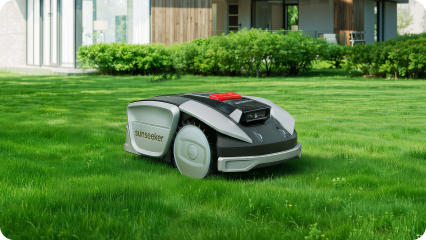
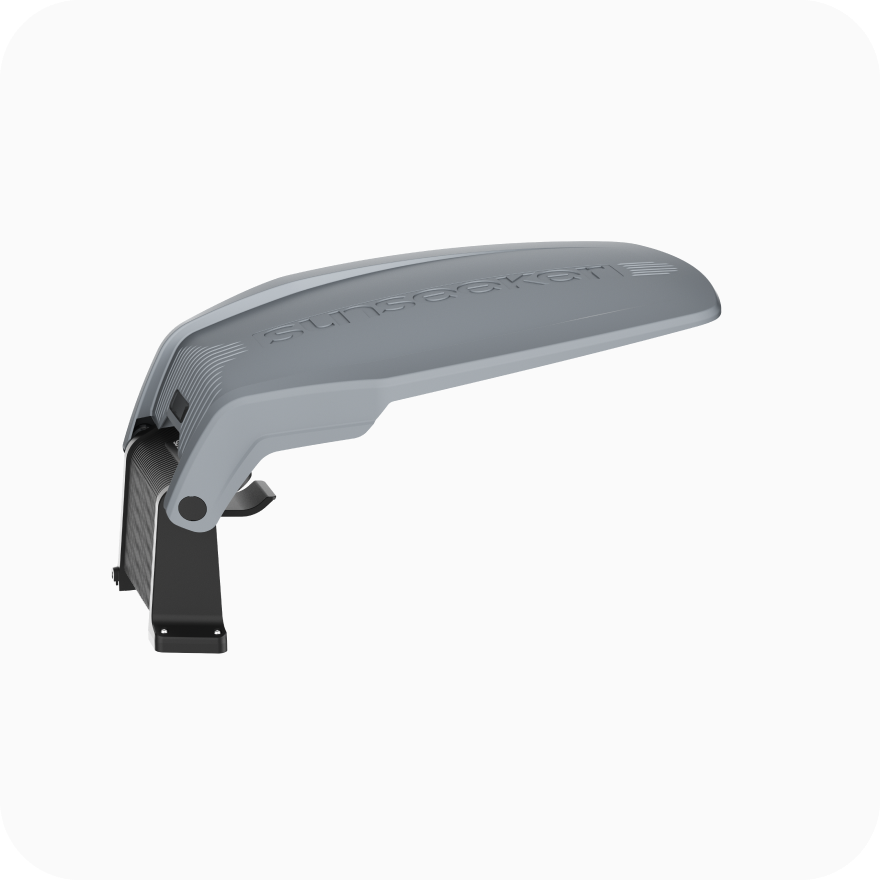
Once the turf is dry and established, the Sunseeker S4 can support scheduled routine mowing without perimeter wires. Its app-based zone management and path planning can help coordinate mowing for dry periods after irrigation, preserving a consistent maintenance rhythm.

How Can You Tell If Your Current Schedule Is Causing Problems?
Night watering becomes a problem when the lawn stays wet for too long after irrigation. The easiest way to spot this is to check the grass first thing in the morning and again a few hours later.
If the blades are still wet well into the morning, especially on cool or humid days, your watering time may be extending leaf wetness longer than necessary. Mushrooms, algae, soft ground, musty thatch, or recurring patches in the same areas can also be signs that the lawn is staying too damp overnight.
Pay attention to uneven areas too. A dry strip beside soggy grass usually suggests poor sprinkler coverage, while widespread morning wetness points more toward timing or run time. If this happens regularly, moving irrigation to the early morning is usually a better option than continuing to water at night.
Conclusion
Early morning is generally the better time to water, giving grass a chance to dry as the day warms. Night watering may still be practical in dry climates or under local watering restrictions, but avoid soaking the lawn too often or leaving water to pool. Give the soil enough moisture to reach the roots, then wait until it begins to dry before watering again. After the grass surface has dried, Sunseeker’s Robot Lawn Mowers without Perimeter Wires can support regular mowing on established lawns.
FAQs
Is it better to water your lawn in the morning or at night?
Early morning is usually better. Irrigating around 5–9 a.m. limits evaporation and lets grass blades dry after sunrise. Night watering can work in dry climates or under local restrictions when the system is calibrated and finishes near dawn. Avoid habitual sunset watering during warm, humid, still weather, especially on lawns with recurring fungal disease.
Can watering at night cause fungus?
It can increase disease pressure because overhead irrigation may extend the hours leaves remain wet. Moisture alone does not guarantee infection; a susceptible grass, an active pathogen, and suitable temperature are also needed. Reduce risk with early-morning timing, deeper and less frequent irrigation, better drainage, balanced nitrogen, and a confirmed diagnosis before fungicide use.
How late is too late to water a lawn?
There is no universal cutoff, but starting at sunset is often less desirable because foliage may stay wet all night. If overnight irrigation is necessary, calculate the full system runtime and schedule it to finish close to dawn. For example, a three-hour program could begin around 2 a.m. to end at 5 a.m., subject to local rules and sunrise.