A few scattered leaves may vanish after a pass with the mower, while a thicker layer can still be lying across the grass the next morning. Both situations involve the same fallen leaves, but treating them the same way can either save useful material or leave parts of the lawn shaded and flattened.
That is why is leaf mulch good for lawn does not have one answer for every yard. This guide helps you judge when mowing leaves into the turf makes sense, when the layer has become too heavy, and when raking or composting is the better choice. Once the amount of leaf cover is clear, the decision becomes much simpler.

When Is Leaf Mulch Good for Grass?
Leaf mulch works best when the lawn is actively growing, the leaves are dry enough to shred, and the finished layer stays loose inside the canopy. The amount matters more than the mere presence of leaves.
Mow frequently during leaf fall instead of waiting for a weekend-sized pile. After mowing, at least half of the green lawn surface should remain visible; if less than 50% can be seen, collect some material. Small fragments roughly 2 cm across or smaller usually settle more easily than whole leaves. The lawn should not look matted, slippery, or uniformly brown after the pass. This practical visibility test accounts for differences in leaf shape, mower performance, grass density, and moisture.
Healthy, established turf can process modest leaf inputs during cool autumn weather. A sparse lawn, fresh seedbed, dormant warm-season grass, or site with recurring snow mold needs greater caution. If people ask is mulching leaves good for lawn care, the clearest answer is yes when shredding is regular and coverage remains light. It is not a license to leave every leaf where it falls.
What Benefits Can Shredded Leaves Add to the Lawn?
Shredded leaves act as a modest soil amendment rather than a complete lawn treatment. Their main value comes from returning plant material gradually without creating extra collection and disposal work.
Organic Matter
As shredded leaves break down, they add organic material back into the soil. This can gradually improve soil structure and help the surface hold moisture more evenly. Smaller pieces decompose faster than whole leaves, so they are less likely to sit on top of the grass for long periods.
Nutrient Recycling
Leaves contain small amounts of nutrients such as nitrogen, phosphorus, and potassium. As they decompose, some of those nutrients return to the soil instead of being removed with bagged leaves. The amount varies, though, so shredded leaves should not be treated as a replacement for regular lawn fertilization.
Soil Moisture Retention
A light layer of leaf fragments can help slow moisture loss from exposed soil, especially in thin areas of the lawn. Too much material can have the opposite effect by trapping excess moisture around the grass, so the turf should remain clearly visible after mulching.
Less Fall Yard Waste
Mulching leaves into the lawn reduces the amount you need to rake, bag, and haul away. During heavy leaf fall, you can mulch lighter layers and collect the excess for compost or garden beds. This keeps the lawn manageable without letting a thick leaf mat build up.
When Can Leaf Mulch Hurt Your Lawn?
Leaf mulch becomes a problem when there is too much of it, it stays wet, or the grass underneath is already struggling. If the lawn is disappearing under the leaves, it is usually time to remove some.
Thick or Wet Leaf Mats
Wet leaves can stick together and form a dense layer over the grass. This blocks light, reduces airflow, and keeps the surface damp for too long. If the leaves are around 8 to 10 cm deep or you can barely see the grass, remove most of them before mowing. Let the remaining layer dry, then shred it in lighter passes.
Diseased or Stressed Turf
A weak lawn has less room for error. Grass already affected by disease, drought, pests, or recent damage can struggle even more if leaf fragments trap moisture or shade the blades. In these areas, clear away most of the leaves until the turf is growing normally again.
If the fallen leaves themselves show signs of tree disease, it may also be better to collect and dispose of them rather than mulch them back into the lawn.
Slow-Decomposing Leaf Loads
Some thick or leathery leaves break down much more slowly than lighter leaves. Oak, magnolia, large stems, and seed pods may still be visible long after mowing and can build up if too much is left behind.
Make another pass if the pieces are still large, and collect anything that remains coarse or forms clumps. Before winter, the grass should still be easy to see through the shredded material rather than buried under it.
How Do You Mulch Leaves Into the Lawn Properly?
Good results come from processing small amounts while both leaves and soil are dry enough for mowing. The finished surface should still show upright grass through loose, evenly scattered fragments.
Step 1. Mow Dry Leaves Before They Pile Up
Begin when leaves lightly cover the lawn and grass is dry. Check for stones, branches, toys, and hidden edging before mowing. Set the deck at the normal healthy height for the grass; do not scalp turf to reach leaf fragments. Mow every three to seven days during steady leaf fall, with timing based on accumulation rather than the calendar. Avoid frozen, saturated, or slippery ground because wheel traffic can rut soil and wet leaves shred poorly.
Step 2. Shred Them Until the Grass Remains Visible
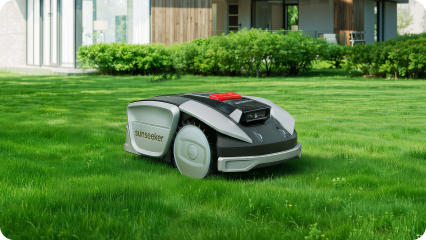
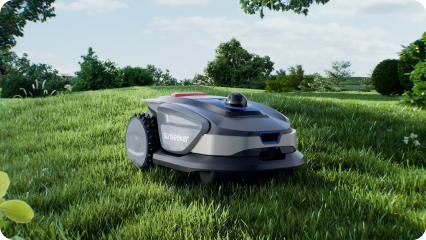
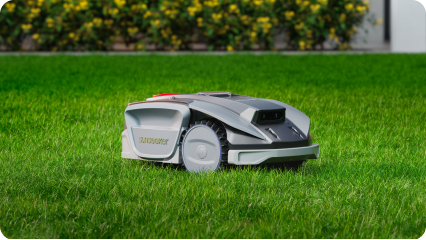
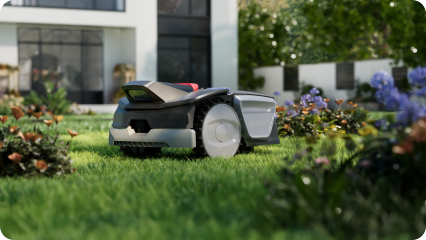
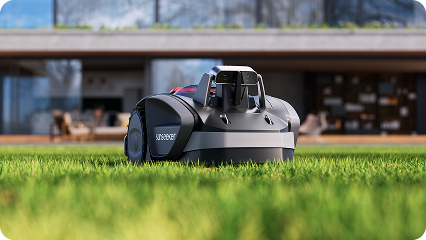
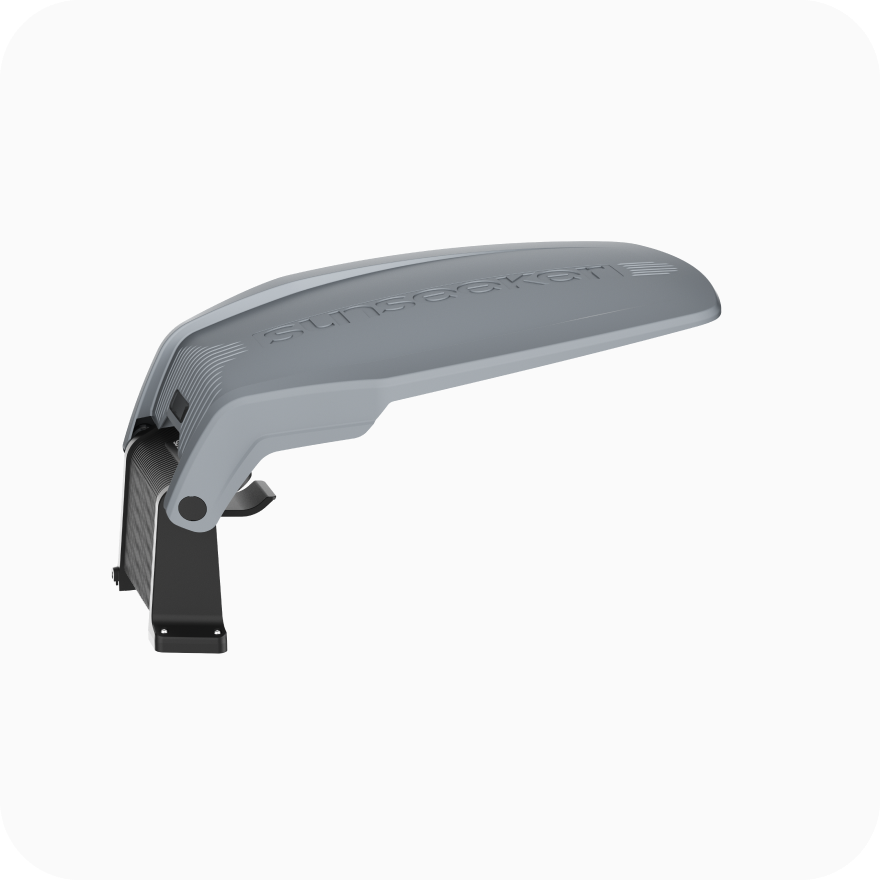
Use a mulching setting or discharge leaves inward for a second pass. Cross the first route at a different angle so fragments are cut again, then apply the 50% visibility check. On an established lawn with light, dry leaf scatter, the Sunseeker S5 supports consistent routine mowing through planned paths, while rain detection helps keep scheduled work aligned with suitable surface conditions. Its wire-free setup is useful for maintaining defined lawn areas as leaves arrive gradually.

Step 3. Make a Second Pass or Remove Excess
If broad pieces remain on top, allow them to dry and make another pass. Stop when the mower begins pushing a wave of leaves, the discharge clumps, or the canopy becomes hidden. Rake or bag the excess for compost rather than forcing the full load into the turf. A catcher can remove the coarsest pieces while smaller fragments remain. Check corners, fence lines, shrubs, and low spots separately because wind often concentrates leaves there after the main lawn looks clear.
Leaf Mulching vs. Raking: Which Should You Choose?
You do not have to use the same method across the whole yard. The better choice comes down to how many leaves have fallen, how wet they are, and whether the grass underneath is still healthy and visible.
Mulching works well when the leaves are dry, scattered, and light enough for the mower to break into small pieces. It is especially practical on established lawns where regular mowing prevents leaves from building up.
Raking or collecting is better when leaves are wet, around 8 to 10 cm deep, or forming mats that cover the grass. It is also safer for newly seeded, stressed, or diseased turf, where extra material can block light and hold too much moisture.
If you are wondering is mulching grass good for your lawn, the same basic rule applies to grass clippings: short, evenly spread material can usually stay, while thick clumps should be removed. Leaf fragments are similar. Mulching is useful when the material settles between the grass blades, but collection is the better choice once the lawn starts disappearing underneath it.
Conclusion
Finely shredded, dry leaves can be useful when they form only a light layer and the grass stays clearly visible. Mow often enough to keep leaves from building up, and remove wet mats or heavy patches before they block light and air. Small amounts added over time can support the soil without smothering the turf. After the surface is clear and normal mowing continues, Sunseeker’s Robot Lawn Mowers without Perimeter Wires can help maintain established lawns with regular trimming.
FAQs
What are the disadvantages of leaf mulch?
Excess leaf mulch can block light, flatten grass, retain too much moisture, slow spring green-up, and create favorable conditions for snow mold. Wet leaves may also become slippery and difficult to shred. Reduce these risks by mowing dry leaves frequently, keeping at least 50% of the green canopy visible, and composting material that remains coarse or clumped.
When should you not mulch your lawn?
Do not mulch when leaves are wet, piled around 8 to 10 cm deep, or hiding most of the grass. Collection is also safer on newly seeded, dormant, severely stressed, or actively diseased turf, and when sanitation is advised for infected tree leaves. Delay mowing on saturated or frozen soil so traffic does not compact or tear the lawn.
Will grass grow through mulched leaves?
Grass can grow through small, loose fragments that settle below the blade tips. It may struggle beneath intact or matted leaves that exclude light and air. After mowing, confirm that at least half the green lawn remains visible and inspect again after rain. If pieces bind into a sheet or grass stays flattened, rake and compost the excess.