A dog may cross a freshly fertilized lawn without any obvious problem, while a ripped bag of fertilizer or spilled granules creates a much more direct exposure. The level of concern changes with the product, the amount involved, and whether the dog simply walked through the area or actually licked or swallowed the material.
So, is lawn fertilizer bad for dogs? The useful answer depends on how the exposure happened. This guide explains which situations are more serious, what to do after skin contact or ingestion, and how to use lawn fertilizer more safely around pets. Knowing the exposure type helps you respond more calmly and appropriately.
Can Lawn Fertilizer Harm Dogs?
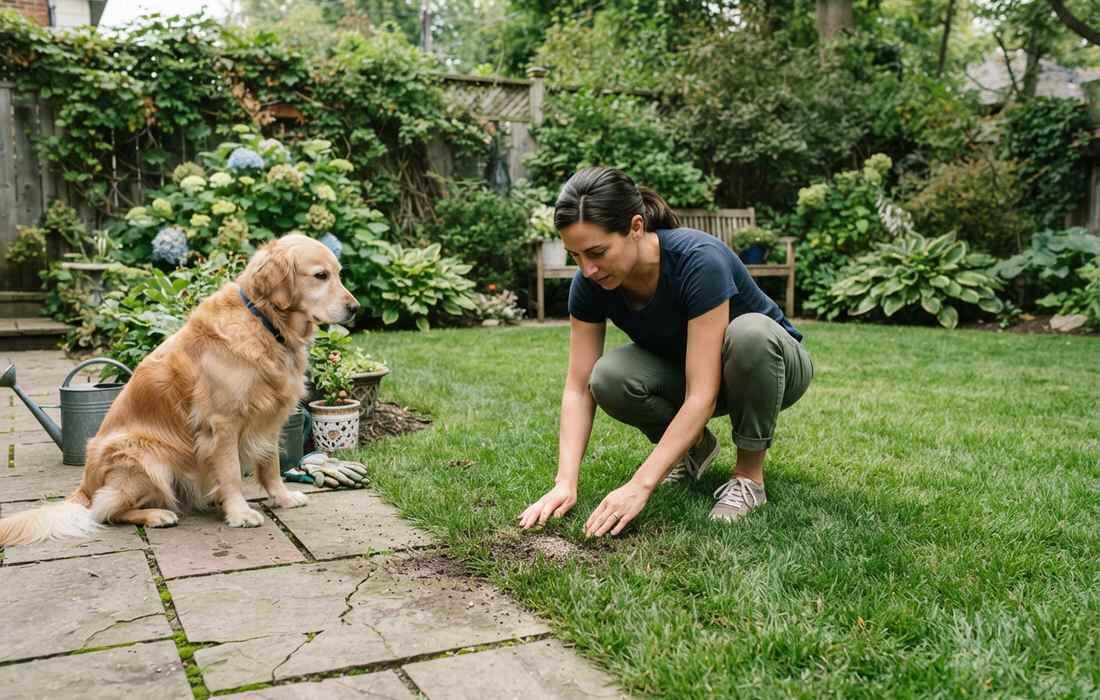
Yes, fertilizer can harm dogs, but risk varies widely. Concentrated ingestion deserves more concern than incidental contact with a correctly treated lawn after the required re-entry period.
Basic lawn fertilizers commonly supply nitrogen, phosphorus, and potassium, sometimes with iron and other micronutrients. A small lick may cause drooling, nausea, vomiting, or diarrhea because these materials irritate the gastrointestinal tract. A larger ingestion can produce more severe illness, and additives may change the toxic effects. Small dogs and puppies can receive a larger dose relative to body weight from the same amount.
The question is lawn fertilizer harmful to dogs cannot be answered by the word “fertilizer” alone. Plain plant nutrients, weed-and-feed, insect-control combinations, and bone-meal fertilizer are not equivalent. Read the active ingredients, guaranteed analysis, precautions, first-aid section, and pet re-entry directions. Keep the package or a clear label photo because a veterinarian needs the exact formulation.
Which Fertilizer Exposures Create the Most Risk?
Risk rises sharply when a dog reaches concentrated product or encounters formulas containing pesticides or attractive animal-based ingredients. The exposure route and exact label provide the clearest basis for judging urgency.
Eating Granules or Spilled Product
A dog that eats from an open bag or licks a spill may ingest far more product than one that mouths a few granules. Remove access and estimate the amount without delaying a call. Do not offer food, induce vomiting, or give a home remedy unless a veterinary professional directs it. Concentrated exposure can cause persistent vomiting, diarrhea, abdominal pain, weakness, or mineral-specific effects.
Licking Residue From Paws or Fur
Dogs groom themselves, so material collected on wet paws can become an oral exposure. Granules may lodge between pads, while liquid spray can coat legs or belly hair. Prevent licking and check the label’s decontamination advice. For many surface contacts, gentle rinsing with lukewarm water is reasonable, but a corrosive or pesticide-containing product may require specific instructions. Wear gloves, keep rinse water away from the dog’s face, and dry the coat afterward.
Products With Added Weed or Insect Control
Combination products may contain herbicides or insecticides with hazards and re-entry directions that differ from plain fertilizer. The fertilizer number on the front of the bag does not describe those additives. Look for active ingredient names and any pesticide registration or approval number required in your market. Keep pets, bowls, toys, bedding, and chew items out of the application area. Never assume “weed and feed” is safe after a generic number of hours; the label controls.
Meal-Based Organic Fertilizers
Bone meal, blood meal, fish meal, feather meal, and similar ingredients may smell like food to a dog. Ingestion can cause gastrointestinal upset, and a large amount may form a dense mass that contributes to intestinal blockage or pancreatitis. “Organic” describes ingredient origin or production standards, not pet edibility. Store opened bags in a rigid, latched container and clean spills completely. Compost that contains moldy food also presents separate toxin risks.
What Should You Do If Your Dog Contacts or Eats Fertilizer?
Immediate priorities are stopping further contact, preventing grooming, and identifying the exact product. Accurate details about the dog, formulation, amount, and symptoms help professionals choose the safest response.
Step 1. Move Your Dog Away From the Treated Area
Leash or carry the dog to a clean, ventilated space and prevent access to the bag, spill, lawn, vomit, or contaminated toys. Keep other pets away as well. If powder is airborne, avoid breathing it and move upwind. Check the mouth and paws visually without forcing the dog’s jaw open. Note the exposure time and any immediate coughing, drooling, vomiting, imbalance, or breathing difficulty.
Step 2. Check the Product Label and Exposure Route
Photograph the entire front and back label. Record the product name, active ingredients, nutrient analysis, pesticide registration or approval number if present, amount missing, contact time, and the dog’s weight. Note if the dog ate granules, drank liquid, inhaled dust, or walked through residue. Do not rely on package color because similarly named products can contain different ingredients.
Step 3. Rinse Paws or Fur When Appropriate
For uncomplicated external residue, prevent grooming and rinse affected paws or fur with plenty of lukewarm water; mild dish soap may be used if a veterinary professional or label advises it. Avoid the eyes, nose, and mouth, and do not use solvents. If material entered the eyes, begin gentle water flushing and call for instructions. Skip washing if the dog is weak, trembling, having trouble breathing, or may be injured—seek urgent care instead.
Step 4. Contact a Veterinarian or Pet Poison Service When Needed
Call promptly after known ingestion, exposure to a concentrated spill, or contact with a fertilizer-pesticide combination. Contact a veterinarian, emergency veterinary clinic, or local animal poison service and follow their instructions. Bring the package or clear label photos to the clinic. Never induce vomiting unless specifically directed, because the correct response depends on the formulation and the dog’s condition.
Which Symptoms Need Prompt Veterinary Advice?
Do not wait for several signs to appear after a meaningful exposure. A single severe symptom, a worsening pattern, or uncertainty about the product is enough reason to call.
Seek prompt veterinary advice for repeated vomiting or diarrhea, marked drooling, abdominal pain, refusal to eat, weakness, unusual posture, unsteady walking, tremors, pale or muddy-colored gums, collapse, seizures, or any breathing difficulty. Eye pain, persistent coughing, and skin irritation that continues after rinsing also require guidance. Puppies, elderly dogs, dogs with kidney or gastrointestinal disease, and small dogs may need a lower threshold for evaluation.
Keep a symptom timeline and retain vomited material until a professional says it is unnecessary. A dog may appear normal soon after exposure, yet some ingredients or large meal-based ingestions cause delayed problems. Online lists cannot calculate a safe dose. Concentration, amount, body weight, elapsed time, and current signs require professional assessment.
How Long Should Dogs Stay Off Fertilized Grass?
Use the product label as the final authority because re-entry instructions vary. Drying, watering-in requirements, granule dissolution, and added pesticides can all change the interval.
For a liquid lawn product, many labels require people and pets to stay away during application and until the spray has dried completely. Drying may take a few hours in warm, breezy weather and longer in cool, shaded, or humid conditions. For granular products, the label may require watering the granules into the soil and waiting until the grass is fully dry. Some granular pesticide products require 24 hours or longer, so “wait until dry” is not a universal substitute for the label.
If a lawn service applied the product, ask for its name, active ingredients, label, application time, and exact pet re-entry time before letting the dog outside. Block the treated area with a closed door or physical barrier, not only a verbal reminder. After the interval, inspect for visible piles or spills and sweep hard surfaces. When someone asks is lawn fertilizer safe for dogs, correct use and controlled access are essential parts of the answer.
How Can You Fertilize a Lawn More Safely Around Dogs?
A safer routine begins before the bag is opened and continues until re-entry is complete. Plan the application so no pet depends on the treated yard during that period.
Measure the lawn and apply only the labeled rate. Calibrate the spreader on a tarp, then sweep stray granules back into the lawn instead of washing them into drains. Close gates, remove toys and bowls, clean the spreader, and lock the original package in a dry cabinet or rigid bin. What lawn fertilizer is safe for dogs is best answered by a suitable label and a process that prevents ingestion; “pet-friendly” wording does not replace directions.
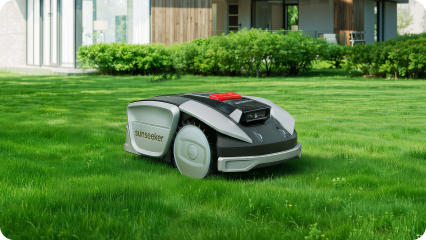
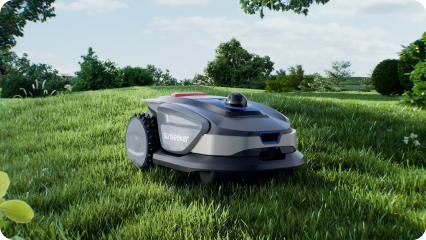
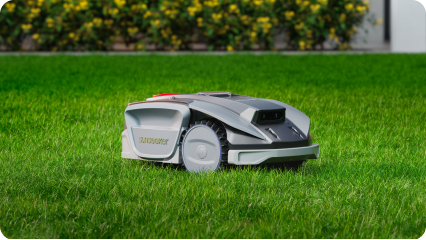
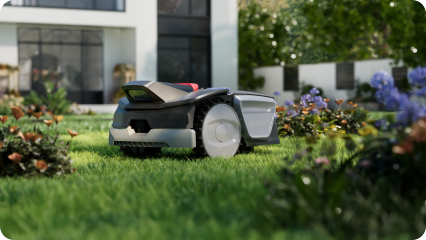
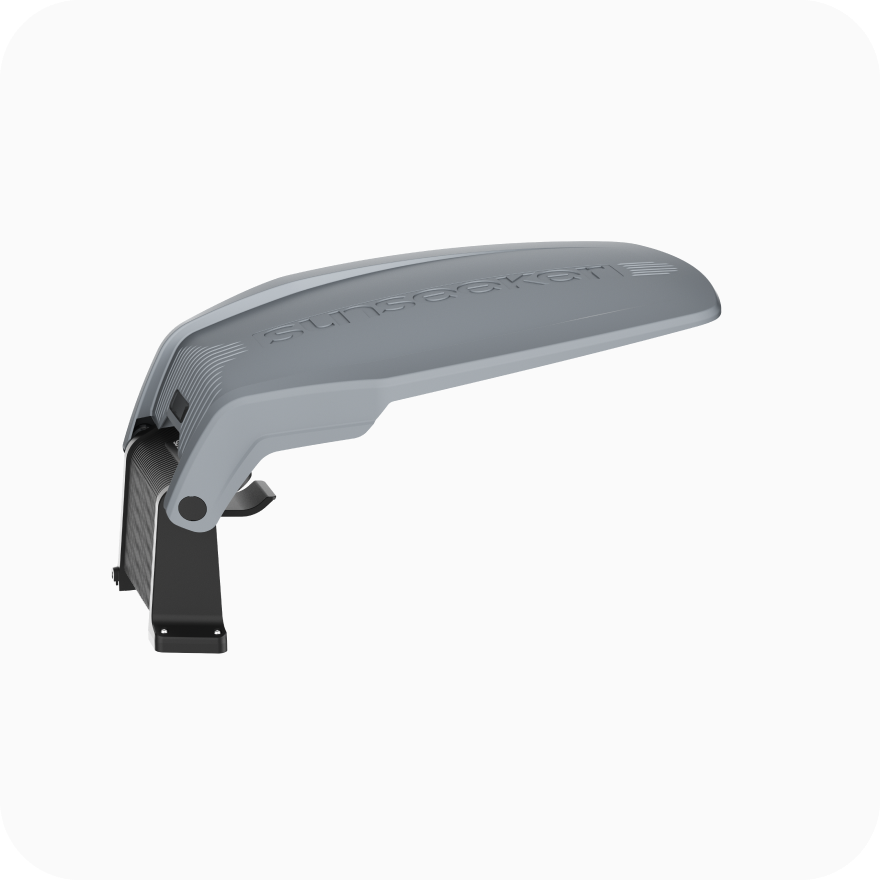
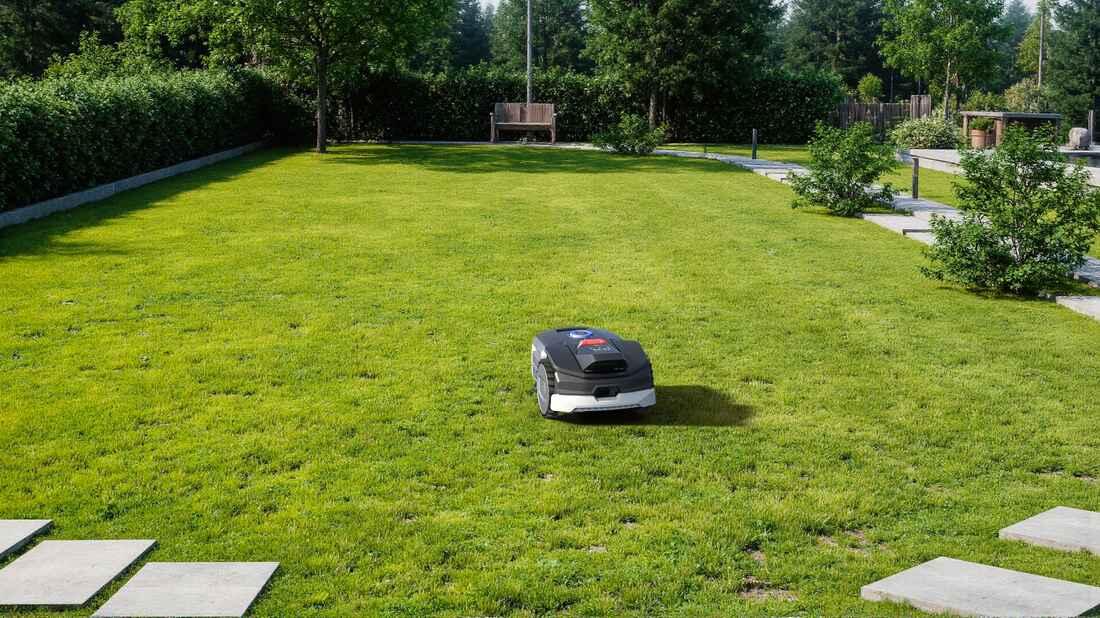
Mow established grass before fertilizing if the product instructions and turf condition permit, then pause mowing until the re-entry requirement is complete and the surface is suitable. After normal access resumes, the Sunseeker V1 can support scheduled routine mowing on small, clearly bounded lawns. Its wire-free visual boundary recognition and app scheduling help coordinate maintenance with planned dog-use periods, keeping the yard routine organized after treatment.
Conclusion
Lawn fertilizer is much safer around dogs when pets are kept away during application and until the area is ready for normal use. Store the label, clean up spills, and keep toys, bowls, and other pet items off the lawn while you work. If a dog swallows fertilizer or shows unusual symptoms, contact a veterinarian or pet poison service promptly. Once the lawn is safe to use again, Sunseeker’s Robot Lawn Mowers without Perimeter Wires can help with regular mowing on established grass.
FAQs
How long after fertilizing can I let my dog out?
Follow the product label. Many liquid treatments permit re-entry only after the lawn is completely dry. Granules may need to be watered in and the grass allowed to dry; products containing pesticides can require 24 hours or longer. Ask a lawn service for the exact product and re-entry time, and do not guess from appearance alone.
What happens if dogs walk on fertilizer?
Dry paws may pick up little material, but wet residue or loose granules can cling between pads and later be swallowed during grooming. Move the dog away, prevent licking, check the label, and rinse uncomplicated residue with lukewarm water when appropriate. Call a veterinarian for irritation, symptoms, uncertain ingredients, or any suspected ingestion.
Can dogs get sick from lawn fertilizer?
Yes. Fertilizer ingestion can cause drooling, nausea, vomiting, diarrhea, and abdominal pain; larger or more hazardous exposures may cause weakness, tremors, unsteady walking, breathing problems, or other serious signs. Risk increases with concentrated spills, added pesticides, and meal-based products. Contact a veterinarian or animal poison service promptly when ingestion is known or symptoms develop.