A lawn can still look green late in autumn even though growth has slowed and the first frosts are close. That is the point when homeowners often wonder how much more mowing, watering, feeding, or repair work is actually useful before winter.
Good winter preparation is less about doing everything at once and more about finishing the right jobs while the turf can still respond. The sections below show when to act, how to winterize a lawn step by step, and what to leave alone until spring.

When Is Your Lawn Ready for Winterizing?
Winterizing works best as lawn growth slows and the ground is still workable. These signs can help you judge when the seasonal transition is far enough along to begin.
Mowing intervals are getting longer: Growth has clearly slowed, but the grass still needs an occasional cut. Keep mowing until growth stops instead of choosing a final date in advance.
Cooler nights and light frosts are becoming common: A few frosty mornings signal the season is changing. Avoid major repair work when repeated hard freezes are already close.
Leaves are falling faster than the turf can break them down: A thin layer of shredded leaves can be manageable, but wet mats block light and airflow and should be removed or mulched finely.
The soil is moist but not saturated or frozen: Core aeration and similar work need soil that is soft enough to penetrate without smearing, rutting, or compacting under equipment.
Note: Grass type changes what “winterizing” should include. Cool-season lawns such as fescue, ryegrass, and bluegrass can often handle fall repair and feeding while they are still actively growing. Warm-season lawns entering dormancy generally need a lighter approach, especially as colder weather approaches.
How to Winterize a Lawn Step by Step
As lawn growth slows, winterizing should focus on cleanup, an even final cut, and protecting the turf before colder weather sets in. The steps below put those jobs in a practical order.
Step 1. Clear Leaves and Debris
Remove sticks, toys, fallen fruit, and thick leaf mats before winter. Wet leaves can flatten turf and hold moisture against the grass, while hidden branches can damage mower blades on a late-season pass.
You do not need to bag every leaf. Dry leaves can be shredded into small pieces that settle between grass blades, provided they do not form a visible blanket. If the lawn disappears under the mulch, collect some of it and move it to compost or planting beds.
Step 2. Remove Weeds and Thatch
Perennial broadleaf weeds are often easier to spot as the lawn thins in autumn. Pull small patches by hand or use a lawn-safe treatment only while the weeds are actively growing and the product label allows the current temperature and mowing schedule.
Check thatch before reaching for a dethatcher. A layer thicker than about 1.3 cm can restrict water and air movement, but aggressive dethatching very late in the season leaves the lawn little time to recover. Core aeration is usually the gentler option when compaction and moderate thatch are the bigger problems.
Step 3. Make the Final Mows
Keep mowing for as long as the grass is growing. Do not scalp the lawn for winter. For many cool-season home lawns, about 5 to 8 cm is a practical cutting range, with the exact setting guided by the grass type and local conditions. Continue to follow the one-third rule so one cut does not remove more than roughly one-third of the leaf blade.
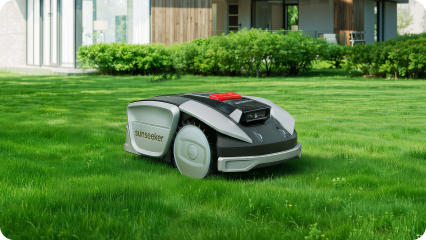
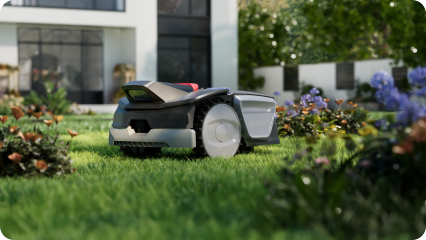
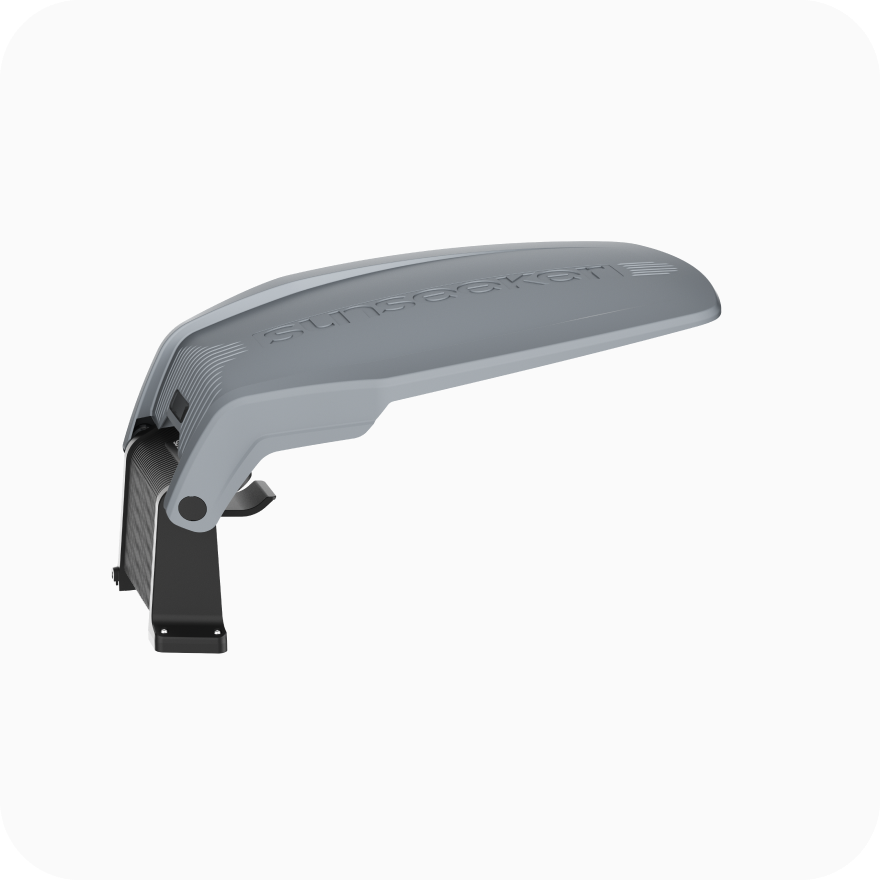
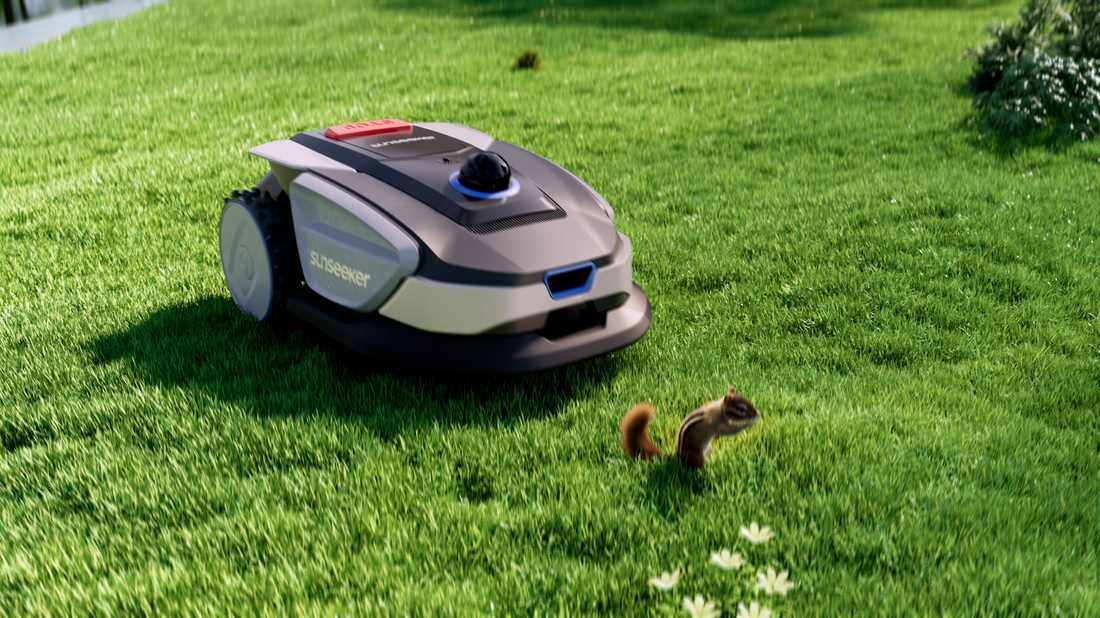
Late-season mowing is easier when each cut stays light and consistent. The Sunseeker S4 offers a 20-60 mm adjustable cutting-height range, so lawns that suit that range can be maintained gradually as growth slows. Stop regular mowing when the turf has clearly stopped growing rather than cutting lower just because winter is close.
Step 4. Aerate or Overseed if Needed
Aeration is useful when the soil is compacted, water runs off instead of soaking in, or the thatch layer is approaching about 1.3 cm or more. Core aerate while the soil is slightly moist, not muddy. The plugs can stay on the surface and break down naturally.
Overseeding is most successful when seedlings have enough mild weather to germinate and establish before repeated freezes. Cool-season grass is commonly seeded in early autumn rather than at the last minute. If winter is already close, mark thin areas and wait for the next suitable establishment window instead of wasting seed.
Step 5. Apply Fall Fertilizer if Needed
Feed the lawn only when the grass type, recent fertilizer history, and soil conditions support it. Cool-season lawns may benefit from an autumn nitrogen application while roots and leaves are still active. A common upper reference for a single feeding is about 5 g of actual nitrogen per m², but the fertilizer label and local guidance should control the final rate.
Phosphorus and potassium should not be added automatically as part of “winterizing.” Use a soil test where possible, especially before adding phosphorus. Dormant warm-season grass generally should not receive a late push of nitrogen in a cold climate because tender growth has little time to harden before winter.
Step 6. Adjust Watering and Irrigation
As temperatures fall, lawns lose water more slowly, so irrigation usually needs to be reduced. Keep the root zone from drying out during a dry autumn, but do not keep the soil constantly wet. Standing water and soft ground increase the chance of compaction and poor root aeration.
Where irrigation lines are exposed to freezing conditions, shut the system down and winterize it according to the equipment instructions and local climate. Systems that require compressed-air blowout are best handled with the correct tools and pressure settings; use a qualified irrigation professional if the procedure is unfamiliar.
Step 7. Clean and Store Lawn Equipment
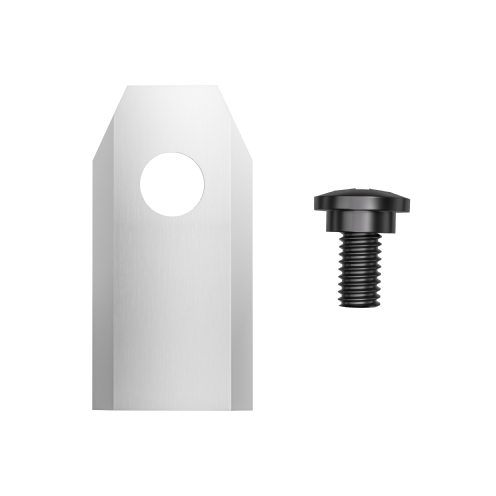
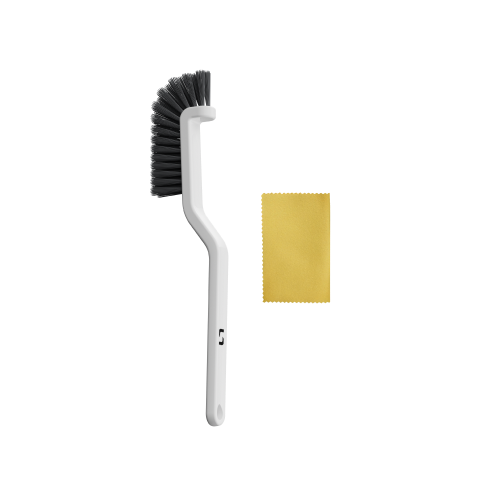
Brush grass and soil from mower decks, sharpen or replace damaged blades, and store hand tools dry. Fuel-powered equipment and battery equipment have different storage requirements, so follow the manufacturer’s manual for fuel, charging level, batteries, and chargers rather than using one rule for every machine.
The same applies to Robot Lawn Mowers: clean the underside, remove packed clippings, inspect the blades and charging area, and follow the model-specific off-season storage instructions. That leaves the mower ready for a clean restart when spring growth returns.
How to Protect the Lawn Through Winter
After autumn work is finished, the best winter care is often restraint. Dormant or frozen turf repairs slowly, so protecting the surface matters more than trying to keep it looking actively managed.
Limit Traffic on Frozen or Wet Grass
Frozen grass blades are brittle, and repeated foot traffic can leave dark or flattened tracks that remain visible after thawing. Saturated soil has a different problem: footsteps, wheelbarrows, and vehicles compress the pore space roots need for air and water.
Use paths and hard surfaces when the lawn is frozen, waterlogged, or partly thawed. If a shortcut becomes muddy after repeated winter traffic, close it off until the soil firms rather than trying to level it while wet.
Keep Salt and Heavy Snow Piles Off the Lawn
Normal snow cover can insulate turf, so there is no need to clear ordinary snow from the lawn. The bigger concern is repeatedly pushing heavy, dirty, or deicer-laden snow onto the same strip beside a driveway or path. Concentrated salt can dehydrate roots and leave yellow or dead bands after thaw.
Shovel snow onto areas that do not concentrate runoff toward the turf where practical, and use deicers only as directed. Avoid piling ploughed snow over drainage outlets or low spots where meltwater can refreeze on the lawn.
Watch for Winter Drying
Cold weather does not always mean wet soil. Windy, low-snow periods can dry exposed turf, especially on slopes, raised ground, and sunny edges. Where the soil is unfrozen and local water rules allow it, an occasional light watering during an extended dry spell can prevent severe desiccation.
Do not water onto frozen ground or create ice sheets. The aim is simply to prevent extreme dryness during a long thaw, not to resume a summer irrigation schedule.
What Should You Check When Spring Returns?
Wait until the lawn has thawed and the surface is firm enough to walk on without leaving impressions. Then use the checks below to decide what needs repair and what only needs time to green up.
Drainage and standing water: Look for low spots that stay wet after snowmelt or rain. Persistent puddles may point to grading, compaction, or blocked drainage that needs correction before reseeding.
Salt injury near hard surfaces: Straw-coloured strips beside drives and paths can appear after winter deicer exposure. Flush soluble salts with normal spring rainfall or irrigation once drainage is working, then repair turf that does not recover.
Matted or patchy turf: Gently rake only when the ground is firm. Some flattened areas recover as growth resumes, while dead crowns or bare soil will need reseeding or another repair method.
Heaving and compaction: Freeze-thaw cycles can lift small sections, while winter traffic can compact others. Let wet ground dry before rolling, aerating, or carrying heavy equipment over it.
First mowing readiness: Wait until the grass is actively growing and dry enough to cut cleanly. Set the mower at the normal seasonal height instead of trying to remove winter discoloration in one low pass.
Conclusion
A good winterizing routine leaves the lawn prepared, not overworked. Keep mowing while grass still grows, clear heavy debris, time aeration and overseeding early enough for recovery, and use fertilizer only when the turf actually needs it. As winter settles in, protect frozen or saturated ground and keep salty snow piles away from the grass. When spring returns, check drainage, thin spots, and turf condition before restarting normal mowing and feeding.
FAQ
What month do you winterize your lawn?
In many Northern Hemisphere cool climates, the main winterizing window falls in September and October, with final mowing or irrigation shutdown sometimes extending into November. In the Southern Hemisphere, a comparable window is often March and April, sometimes May. Local frost timing and grass growth are better guides than the calendar alone.
How should I prepare my lawn for winter?
Clear heavy leaf mats and debris, keep mowing until growth stops, correct compaction early enough for recovery, overseed cool-season grass only while establishment weather remains, and fertilize only when appropriate. Reduce irrigation as weather cools, winterize vulnerable irrigation equipment, clean mowing equipment, and keep traffic off frozen or saturated turf.
What are the most common lawn care mistakes to avoid in winter?
Common mistakes include scalping the lawn before dormancy, applying heavy late nitrogen to grass that is shutting down, overwatering cold soil, walking or driving across frozen or saturated turf, and shovelling salty snow onto the same lawn edge all winter. Another common error is starting spring mowing while the ground is still soft.