A patch of moss can look harmless at first, then spread through thin turf until the lawn feels soft and uneven underfoot. Raking it out may improve the surface for a while, but moss often returns when the grass is still dealing with the same shade, wet soil, or weak growth.
The most reliable approach is to treat moss as a sign that the growing conditions need attention, not just as something to kill. This guide shows how to identify the likely cause, remove existing moss, repair the lawn, and build conditions that favour grass instead.
Why Is Moss Growing in Your Lawn?
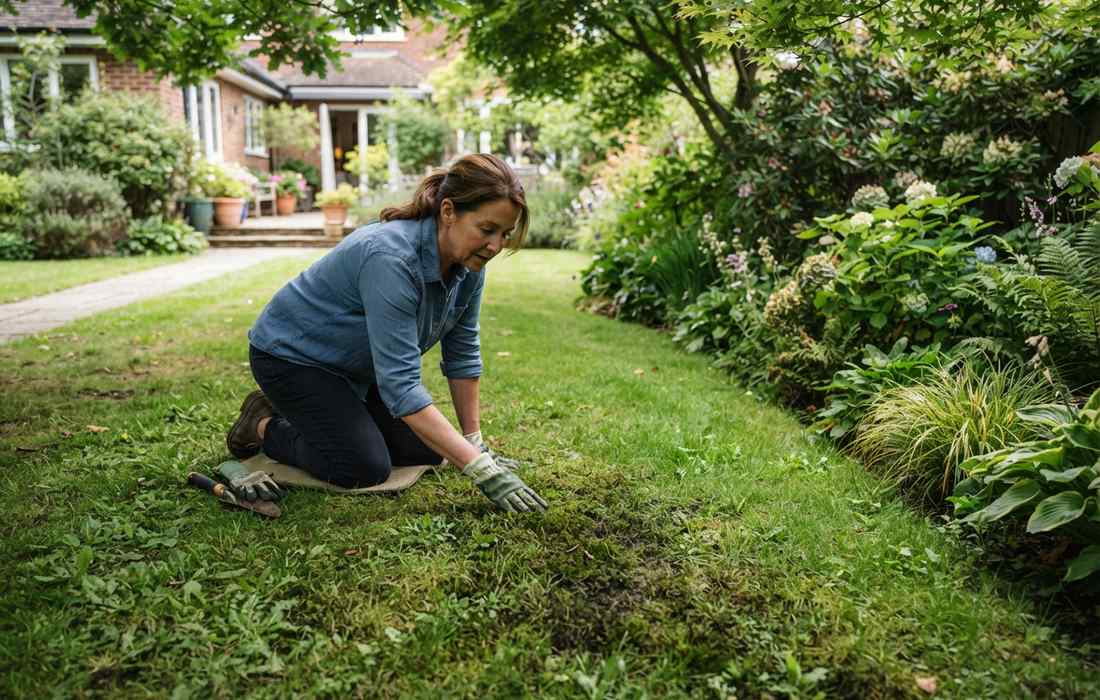
Moss becomes established where turf is too weak or sparse to occupy the surface fully. Look at the growing conditions around the moss before deciding what treatment is worth using.
Persistent shade: Grass may thin beneath dense trees, hedges, fences, or buildings, leaving open soil that moss can occupy. Pruning for more light can help, but very dark areas may need a shade-tolerant grass or a different ground cover.
Wet or slow-draining soil: Low spots, compacted ground, heavy soil, and frequent irrigation can keep the surface damp for long periods. Moss handles these conditions better than many lawn grasses.
Compaction: Hard soil limits air movement and root growth. If a screwdriver is difficult to push into moist ground or water sits on the surface after rain, compaction may be part of the problem.
Low fertility or weak turf growth: A lawn that is pale, sparse, or slow to recover leaves more room for moss. A soil test can show if nutrients are low before fertiliser is added.
Unsuitable soil pH: Acidic soil is often associated with moss, but moss alone does not prove the soil needs lime. Test first because applying lime to soil that is already in a suitable range can create a different nutrient problem.
Scalping or repeated stress: Cutting too low, heavy traffic, drought damage, or repeated wear can open the canopy. Moss often fills those weak areas rather than causing the original thinning.
How to Treat Lawn Moss Step by Step
Good moss treatment combines correction and cleanup. Work while the grass is actively growing and the soil is workable, then move through the steps below without stripping healthy turf unnecessarily.
Step 1. Correct the Moisture and Shade Problems You Can Fix
Check for irrigation overspray, leaking fittings, blocked surface drainage, low spots, dense shade, and compacted soil. Reduce unnecessary watering and clear obvious drainage obstructions. If tree canopies are very dense, selective pruning may improve light and airflow without exposing roots or removing major limbs.
Where water remains on the surface for hours after normal rain, moss removal alone is unlikely to hold. Aeration can help compacted soil, but standing water caused by grading or a high water table may need more substantial drainage work.
Step 2. Rake or Scarify Loose Moss
Use a spring-tine rake or scarifier to lift moss and surface debris. Work in two directions on heavily affected areas, but keep the passes controlled so healthy crowns are not torn out with the moss. The lawn may look rough afterward, which is normal when a thick layer has been removed.
For a large mossy area, divide the lawn into sections and collect loosened material as you go. This makes it easier to see which areas are still matted and which have enough exposed soil for repair.
Step 3. Apply a Labeled Moss Control if Needed
A proprietary lawn moss product can be useful where live moss remains after the underlying conditions are being corrected. Iron-based products commonly darken or blacken moss as it dies. Apply only a product labelled for lawn moss, at the stated rate, and keep granules or spray off paving where staining is a concern.
Do not substitute household vinegar, bleach, washing-up liquid, or other improvised mixtures. They can damage grass and soil life and provide no controlled application rate. If the label calls for watering or a waiting period before raking, follow that instruction rather than using a fixed timetable.
Step 4. Remove Dead Moss and Expose the Soil Surface
After treated moss has died, rake it out so seed and new shoots are not sitting on top of a dense mat. Aim to expose small areas of soil through the thin patches. Where thatch is also heavy, scarifying may remove both dead moss and some accumulated organic material, but avoid an aggressive pass during heat, drought, frost, or saturated conditions.
Step 5. Reseed Bare Areas and Support Recovery
Loosen the top few millimetres of soil in bare areas and sow a grass seed mix suited to the light level and local climate. Press the seed into contact with the soil and keep the surface evenly moist during germination. Avoid flooding, which can move seed into clumps or recreate the wet conditions that favoured moss.
Fast-germinating ryegrasses can emerge in roughly a week under good conditions, while slower grasses may need two to three weeks or more. Keep traffic low until the new plants are rooted and can tolerate mowing.
How to Repair the Lawn After Moss Removal
Removing moss often reveals how thin the turf underneath really is. The following repair checks help turn an open surface back into a lawn that can cover the soil on its own.
Top up thin areas with seed: Reseed where raking has exposed soil rather than expecting surrounding grass to fill every gap. Match the seed to the existing lawn and the amount of sun the area receives.
Keep the seedbed moist, not saturated: Light watering may be needed during germination, especially in dry weather. Reduce frequency as seedlings develop deeper roots.
Delay heavy traffic: New roots are easily disturbed. Keep children, pets, wheelbarrows, and repeated foot traffic off repaired sections until the seedlings resist a gentle tug.
Resume mowing gradually: Wait until new growth is tall enough to mow without pulling seedlings from the soil. Use a sharp blade and remove no more than about one third of the leaf height in a single cut.
Feed only when the lawn needs it: A soil test and the grass growth rate are better guides than moss alone. Excess feeding can create soft growth and other problems, while too little nutrition can leave the turf thin.
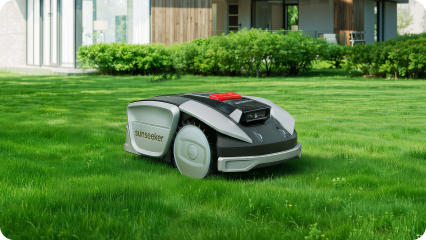
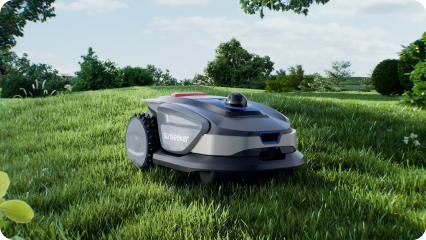
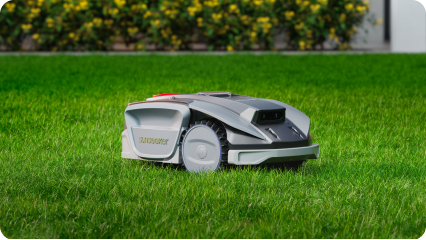
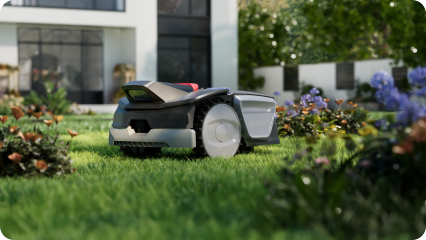
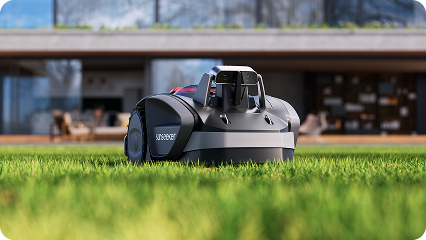
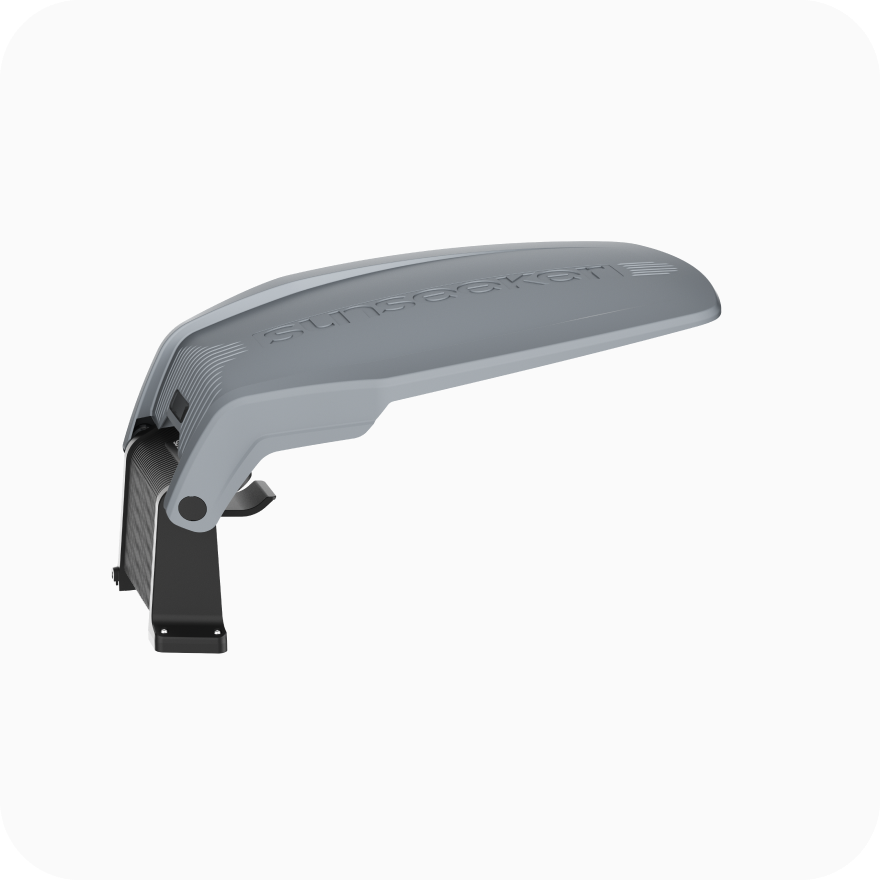
After the repaired areas are established, consistent mowing helps keep the canopy dense. The Sunseeker S5 provides a 20 to 60 mm cutting-height range and all-wheel drive for slopes up to 60%, which can be useful on larger or uneven gardens where regular trimming needs to stay consistent across different zones.
How to Prevent Moss From Coming Back
Moss prevention is mainly about keeping grass strong enough to occupy the surface. Focus on the weak condition that allowed moss to take hold, then keep the lawn stable through normal seasonal care.
Improve Drainage and Relieve Compaction
Aerate compacted areas during active growth when the soil is moist enough to penetrate but not waterlogged. Hollow-tine aeration is useful where compaction is significant because it removes small soil cores rather than simply punching holes. Fill persistent depressions gradually so water is less likely to collect after rain.
Reduce Shade Where Practical
Thin dense canopies carefully, keep shrubs from overhanging the lawn, and avoid storing items that block light for long periods. Where deep shade cannot be changed, select a lawn mixture that tolerates lower light or accept that turf may remain sparse in that spot. Trying to force sun-loving grass into permanent shade usually leads back to the same moss problem.
Maintain Dense Turf With Appropriate Mowing and Feeding
Use a mowing height suited to the grass and season, keep blades sharp, and avoid taking off a large amount of leaf at one time. Deep, well-spaced watering is generally better for established turf than frequent surface wetting, because the leaves and soil surface spend less time continuously damp.
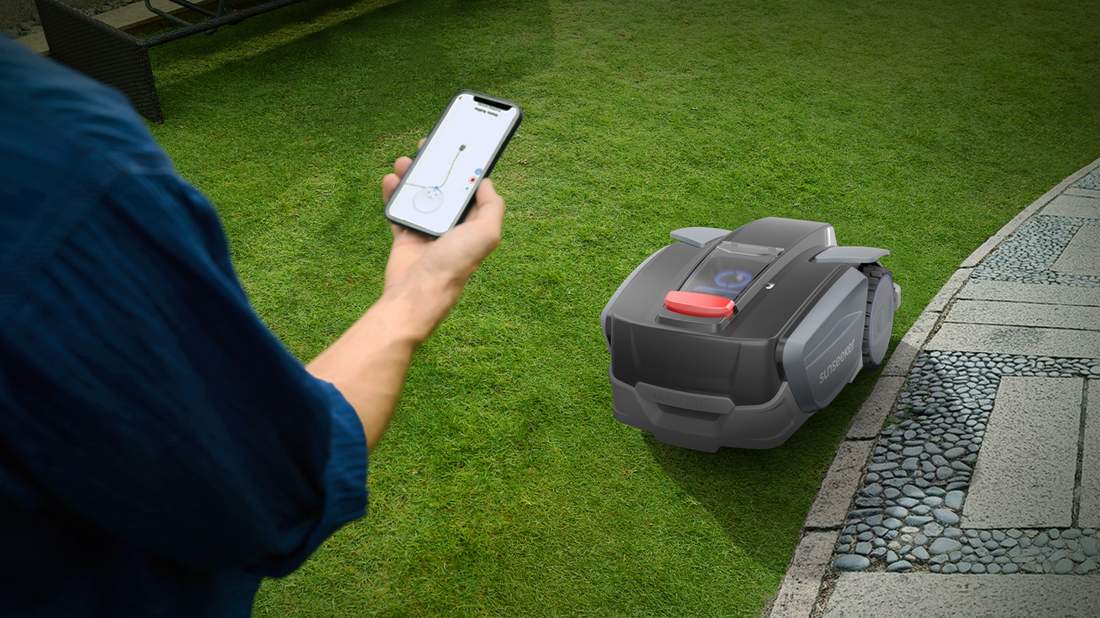
For gardens where mowing is already automated, Robot Lawn Mowers can help maintain a frequent light-cut routine after the lawn has recovered. The goal is not to use mowing as a moss treatment, but to keep healthy grass dense enough that bare, persistently damp surface is less available for moss to occupy.
Conclusion
Treating moss successfully means fixing the lawn conditions that gave it room to grow. Improve drainage, light, soil condition, and turf density first, then rake or scarify the moss and use a labelled control only when it adds value. Reseed exposed areas and give new grass time to establish before returning to normal traffic and mowing. A lawn that stays dense and evenly maintained is much less inviting to repeat moss growth.
FAQ
What will kill moss on a lawn?
A proprietary lawn mosskiller, often containing an iron compound, can kill or blacken existing moss when used exactly as labelled. Physical scarifying also removes moss. Neither approach gives lasting control if shade, persistent moisture, compaction, weak turf, or unsuitable soil conditions remain unchanged, so correction and repair should be part of the same job.
What to do if your lawn is full of moss?
Check drainage, shade, compaction, fertility, and soil pH before removing the moss. Work during active grass growth, rake or scarify out the moss, treat remaining live moss only if needed, then reseed the exposed soil. A very mossy lawn may need staged repair over several weeks rather than one aggressive scarifying session.
What is the best time of year to kill moss?
Treat moss when the grass is actively growing and can recover after raking, commonly in spring or early autumn in temperate climates. Avoid hard scarifying during drought, heat, frozen ground, or saturated conditions. Product timing also varies, so follow the label for temperature, watering, and the interval before removing dead moss.
Will grass grow back after moss?
Some surrounding grass can spread into small gaps, but large bare areas are usually faster to repair with seed. Germination can range from about one week for fast ryegrasses to two or three weeks for slower species in suitable conditions. The new grass still needs steady moisture, light, and reduced traffic while roots establish.