A lawn disease can appear almost overnight as brown circles, pale patches, red threads, leaf spots, or greasy-looking areas. The temptation is to reach for a fungicide immediately, but similar damage can also come from drought, insects, pet urine, fertiliser burn, or irrigation problems.
The useful first move is to identify the pattern and the grass conditions around it. This guide shows how to narrow down lawn fungus, correct the conditions that encourage it, decide when fungicide is justified, and help the turf recover without creating another stress problem.
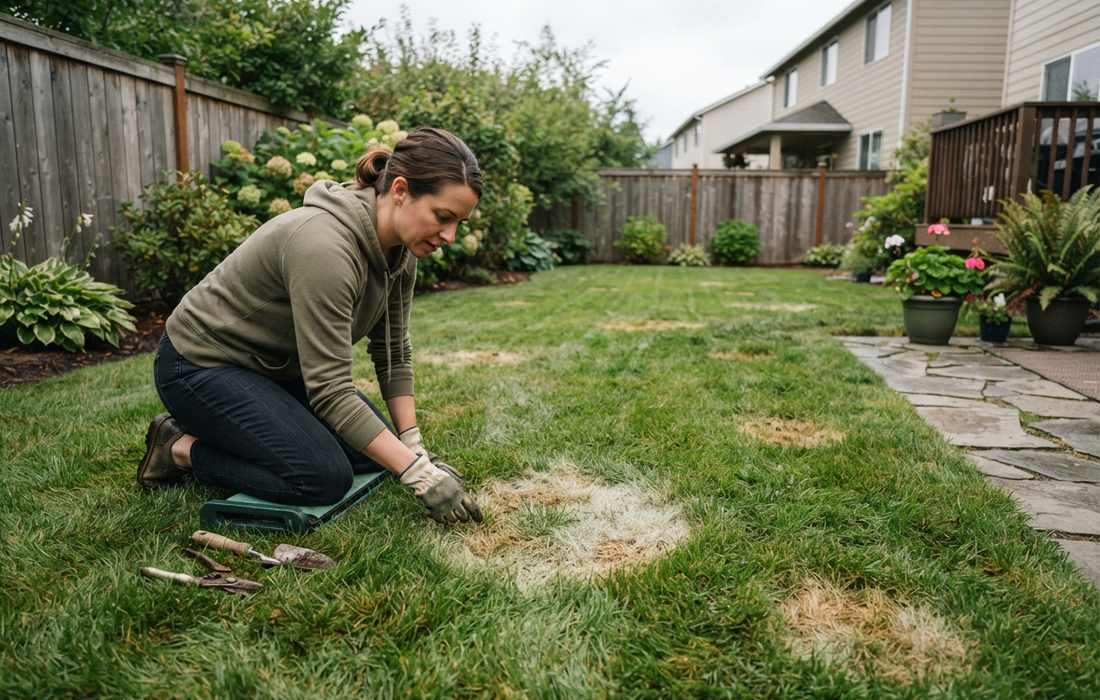
Is It Really Lawn Fungus?
Fungal diseases leave patterns that are more convincing when several signs appear together. Use the checks below before treating the lawn for a disease that may not be there.
-
Patches have a repeatable shape or edge: Brown patch can form circular or irregular areas that range from a few centimetres to well over half a metre across. Other diseases make much smaller spots that merge as pressure increases.
-
Individual leaves show lesions: Look closely for tan, brown, yellow, red, or purplish lesions with distinct borders. Leaf-level symptoms are often more useful than judging colour from across the garden.
-
Fine fungal growth appears in damp mornings: Some diseases produce white or grey mycelium that is easiest to see on dew-covered grass early in the day. It can disappear as the surface dries.
-
The problem follows humid or wet weather: Many turf diseases become more active when leaves stay wet for long periods, nights are humid, or irrigation keeps the canopy damp.
-
Damage continues despite normal watering: Drought stress often improves after the root zone is watered. Disease can keep expanding even when soil moisture is adequate because the infected tissue is still being damaged.
How to Treat Lawn Fungus Step by Step
Treatment works best when the disease and growing conditions are handled together. Follow the steps below so the lawn is not exposed to unnecessary chemicals or extra stress.
Step 1. Identify the Disease and Grass Type
Inspect several patches, including the advancing edge where symptoms are fresh. Note patch size, leaf lesions, colour changes, morning mycelium, recent weather, and the grass species. Photograph the same area over two or three days so you can see if it is expanding.
Do not assume mushrooms mean the grass itself has a disease. Mushrooms are fruiting bodies of fungi in the soil and can appear where organic matter is decomposing without causing turf injury. The diagnosis should be based on the damaged grass, not the mushroom alone.
Step 2. Adjust the Watering Schedule
Water early enough for the leaves to dry during the day. Established turf generally benefits from deeper, less frequent irrigation rather than short daily surface watering. Check the soil before running sprinklers after rain, and correct heads that keep one patch wet while the rest of the lawn is dry.
Avoid leaving the canopy wet through the night during warm, humid periods. Persistent leaf wetness can favour diseases such as brown patch and leaf spot. The goal is adequate root-zone moisture without keeping the leaves continuously damp.
Step 3. Improve Mowing and Airflow
Use a sharp blade and keep the lawn within a suitable height range for the grass. Cutting too low removes healthy leaf area and can increase stress, while a dull blade leaves shredded tips that dry slowly and look diseased. Remove only about one third of the leaf height per mowing when practical.
Prune dense shrubs where sensible, clear heavy leaf litter, and reduce thatch or compaction when it is restricting air and water movement. Avoid aggressive dethatching while the lawn is already badly stressed by an active disease outbreak.
Step 4. Apply Fungicide if Needed
Use a fungicide only after the likely disease is identified and the product label includes that disease and turf type. Apply the stated dose and interval. More product does not improve control and can raise cost, environmental exposure, and resistance pressure.
Some lawn diseases respond well to cultural changes and favourable weather, while others can spread quickly on susceptible grass. If the lawn has a history of severe recurring disease, a preventive programme may be justified, but the timing and active ingredient should still be matched to the disease rather than used as a general lawn tonic.
Step 5. Monitor and Repair the Lawn
Mark the edge of a patch with small flags or take dated photos. If the discoloured area stops enlarging and new leaves are healthy, the disease pressure is easing even if old damaged blades remain visible. Continue normal care without pushing soft growth with heavy fertiliser.
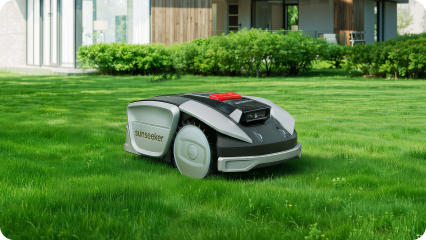
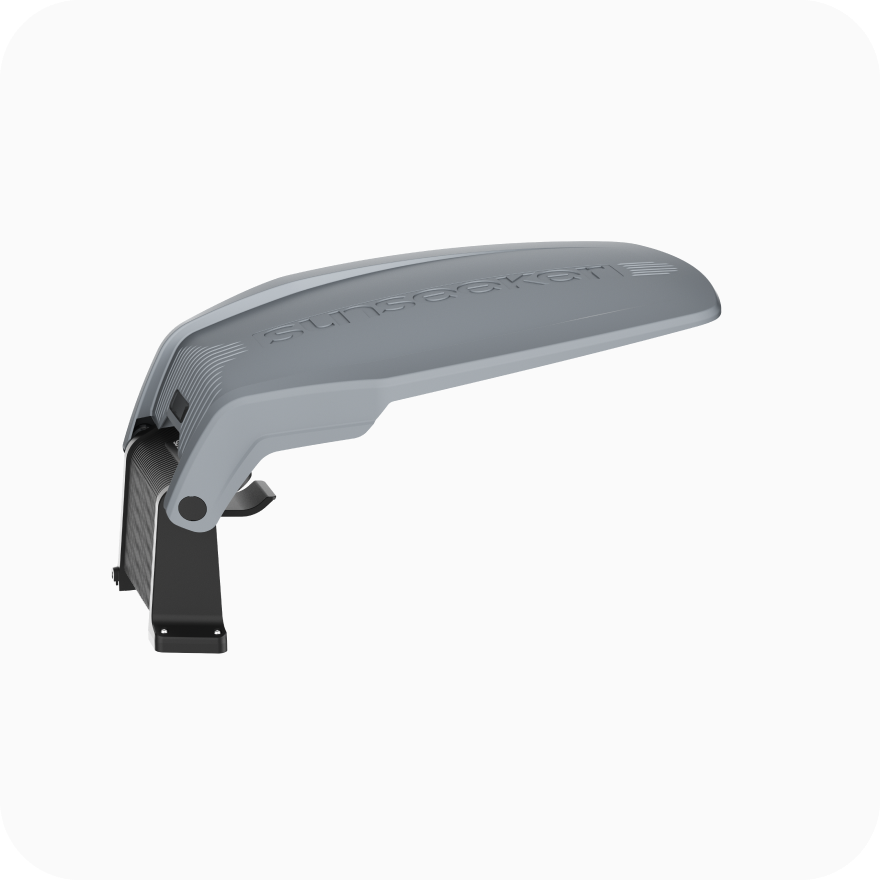
When healthy growth returns, a light and consistent mowing routine is easier on recovering turf than infrequent heavy cuts. The Sunseeker V1 is designed for lawns up to 300 m², with a 20 to 50 mm cutting-height range and quiet operation around 55 dB, making it a practical example for frequent maintenance in compact gardens after the lawn is ready for normal mowing again.

When Does Lawn Fungus Need Fungicide?
Fungicide becomes more reasonable when the disease is active, spreading, recurring, or likely to cause meaningful turf loss. Look for these stronger signs before moving beyond cultural care.
1.The disease is spreading rapidly
New patches, enlarging edges, or fast thinning over several days are stronger reasons to confirm the disease and consider a labelled fungicide.
2.The same disease returns in the same season
Repeated outbreaks suggest that site conditions remain highly favourable to the pathogen. Cultural corrections still matter, but fungicide may be useful as part of the control plan.
3.Newly established or high-value turf is at risk
Young turf can lose density quickly while roots are still developing. Fast disease progression deserves earlier attention than a few stable spots in an established lawn.
If the patches are small and no longer expanding, or healthy new leaves are already appearing, continue correcting moisture and mowing conditions and monitor recovery. Old lesions will not turn green again, so new growth is a better sign of improvement than the colour of damaged tissue.
How to Prevent Lawn Fungus From Coming Back
Disease prevention is mostly about reducing the length of time grass stays stressed or wet. The following habits keep the canopy healthier without turning routine lawn care into a chemical programme.
Water Early and Let the Grass Dry
Schedule irrigation for the morning where possible, then allow the leaf surface to dry. Check sprinkler overlap with catch cups or small straight-sided containers if one area stays wetter than the rest. Adjust runtime to soil and weather rather than repeating the same schedule through every season.
Avoid Excess Nitrogen
Nitrogen is important for turf recovery, but heavy applications can create lush, soft leaves that are more vulnerable to some diseases. Use a fertiliser programme suited to the grass and season, and let a soil test guide phosphorus and potassium rather than applying all nutrients by habit.
Control Thatch, Compaction, and Moisture
Core aeration can improve water movement and rooting where the soil is compacted. Address heavy thatch during active growth, and keep leaf piles or thick clippings from holding moisture against the canopy. On shaded lawns, improve airflow where practical and accept a slightly higher mowing height if that suits the turf species.
After the disease is under control, Robot Lawn Mowers can support a regular light-cut routine that avoids removing a large amount of leaf at one time. They are not a disease treatment, but predictable mowing can help keep established grass at a stable height while other moisture and nutrition issues are managed correctly.
Conclusion
Lawn fungus is easier to manage when the diagnosis comes before the treatment. Check the pattern, leaf symptoms, grass type, and recent weather, then correct watering, mowing, airflow, and nutrition problems that are helping the disease. Use fungicide only when the disease and label justify it, and watch the edge of damaged patches for real progress. Healthy new growth, not the colour of old leaves, is the clearest sign that the lawn is recovering.
FAQ
What does lawn fungus look like?
Common signs include circular or irregular brown patches, tan or purple-edged lesions on individual blades, red or pink threads, rust-coloured spores, or fine white fungal growth on damp grass in the morning. The exact appearance changes by disease, so combine visible symptoms with grass type, recent weather, and how quickly the patch is expanding.
How can I identify common lawn diseases?
Inspect the advancing edge of several patches and note patch size, leaf lesions, colour, morning mycelium, moisture conditions, and the grass species. Compare those clues with a reliable turf disease guide. If the diagnosis remains unclear and the damage is spreading, a local turf professional or plant diagnostic service can examine a sample.
Can lawn fungus go away on its own?
Some mild foliar diseases slow naturally when humidity drops, temperatures change, or the lawn receives better watering and mowing care. Recovery may take a few weeks because damaged leaves must be replaced by new growth. Fast-spreading, recurring, or severe disease can need targeted fungicide, especially on susceptible or newly established turf.