Thin grass often looks like a seeding problem, but adding more seed is not always the first thing the lawn needs. Shade, compacted soil, drought, poor drainage, heavy traffic, low fertility, disease, or mowing too short can keep new grass from surviving even when germination is good.
A thicker lawn comes from matching the repair to the grass and fixing the pressure that opened the canopy. The sections below help you identify the cause, choose a method, rebuild thin areas, and keep the new density after the lawn fills in.
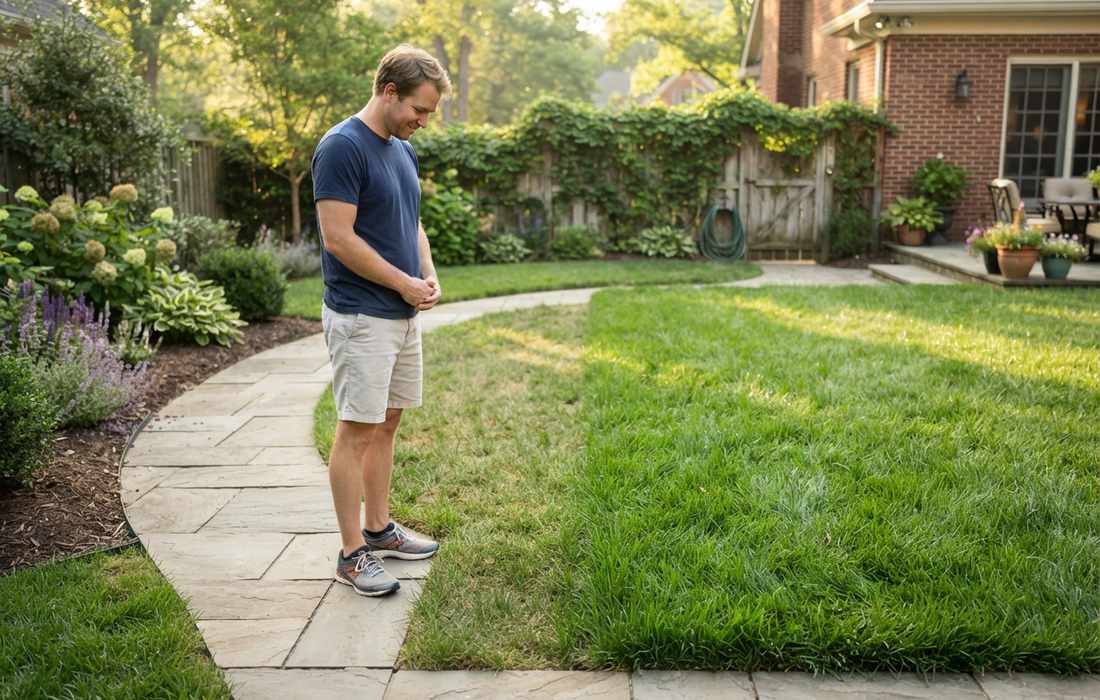
Why Is Your Lawn Thin in the First Place?
Thin turf usually points to an underlying problem with growing conditions or lawn care. Identifying that problem first can save you from reseeding an area that still cannot support dense growth.
Too much shade: Grass under trees, hedges, or buildings may receive too little light to stay dense. Prune carefully where practical or use a grass mixture suited to lower light.
Compacted soil: Hard ground limits rooting and reduces the movement of air and water. Repeated foot traffic, vehicles, or mowing on wet soil can make the problem worse.
Poor watering pattern: Frequent surface watering encourages shallow roots, while long dry periods can thin grass and leave bare soil. Check moisture below the surface rather than judging only by leaf colour.
Mowing too low or too infrequently: Scalping removes too much leaf area, but letting the lawn grow tall and then cutting it hard can also weaken the canopy. Regular light cuts are easier on the plant.
Nutrient or pH problems: Pale, slow turf can reflect low nitrogen or unsuitable soil chemistry. A soil test helps separate a genuine nutrient need from problems that fertiliser will not fix.
Wear, pests, or disease: Dog runs, play areas, insect feeding, and recurring fungal disease can keep the same patches thin. Repair is more successful after the active cause has been controlled.
Which Thickening Method Suits Your Grass?
Grass type changes how a thin lawn should be repaired. Bunch-type grasses usually need new seed to add plants, while spreading grasses can fill small gaps through runners. Larger bare areas may need a faster repair method regardless of growth habit.
Overseed Bunch-Type Grasses
Bunch-type grasses grow as individual plants and do not spread far sideways, so thin areas rarely fill in quickly on their own. Perennial ryegrass and many fescues are usually thickened by overseeding, with good seed-to-soil contact helping new seedlings establish.
Germination speed varies by species and conditions. Perennial ryegrass may emerge in about 5 to 7 days under suitable conditions, while many fescues take longer. Moisture, temperature, seed quality, and soil contact all affect establishment.
Encourage Spreading Grasses to Fill Small Gaps
Grasses that spread by stolons or rhizomes can gradually move into nearby thin areas without reseeding every spot. Consistent moisture, suitable fertility, and a stable mowing height help existing plants produce new runners and shoots.
This works best for scattered thinning and small gaps. A large bare patch can take much longer to fill because the surrounding grass has farther to spread.
Use Plugs or Sod for Larger Bare Areas
When the lawn has wide bare patches, natural spread may be too slow and seed may not suit every grass type. Plugs can establish patches of spreading grass that gradually expand, while sod provides immediate cover across a larger area.
Plugs cost less than sod but need time to fill the spaces between them. Sod gives faster coverage and erosion protection, though it costs more and needs careful watering while new roots establish.
How to Thicken a Lawn Step by Step
A repair holds only when new roots can reach workable soil and the cause of thinning has been reduced. Follow the steps below to give new grass a better chance of surviving after it germinates or is planted.
Step 1. Correct the Main Cause of Thinning
Fix sprinkler gaps, standing water, compaction, heavy shade, pest pressure, or repeated traffic before adding new grass. If the lawn is thin across the whole area, check soil fertility and pH rather than treating every patch as a separate seed failure.
Step 2. Prepare the Soil for New Growth
Mow the existing grass short enough to expose the surface without scalping it, then rake out loose debris. For compacted lawns, core aeration can create openings for air, water, and roots. In small bare patches, loosen the upper few millimetres of soil with a rake so seed is not sitting on a hard crust.
Good seed-to-soil contact matters more than burying seed deeply. After broadcasting, lightly rake or press the surface so the seed is held against moist soil but still close to the surface.
Step 3. Add Seed, Plugs, or Sod Where Needed
Use the seeding rate printed for the chosen grass mixture rather than guessing. Applying far above the rate can create crowded seedlings that compete for light and water. For plugs, follow spacing guidance for the grass because the time to fill changes dramatically with plug distance. Fit sod tightly without overlapping edges and press it firmly onto prepared soil.
Step 4. Keep New Growth Evenly Moist
Seedlings have shallow roots, so the surface may need light, frequent watering during germination. Keep it moist rather than saturated. As roots develop, reduce frequency and wet the soil more deeply. New sod also needs close moisture checks during the first weeks because dry seams and edges can shrink before roots establish below them.
Step 5. Resume Normal Mowing
Mow when seedlings are rooted enough that a gentle tug does not lift them and they have reached a workable cutting height for the species. Use a sharp blade and remove no more than about one third of the leaf height. Avoid tight turns or heavy equipment on soft new turf.
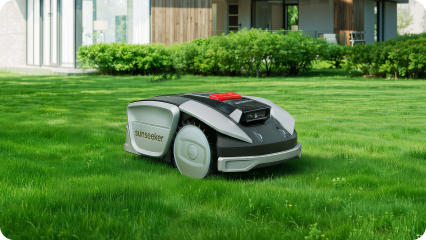
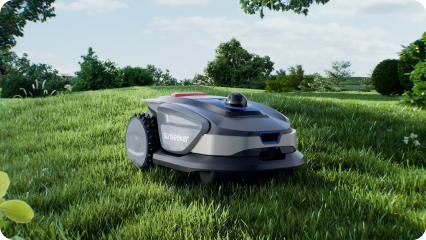
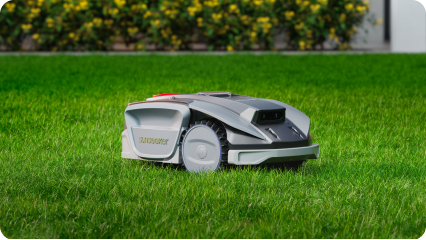
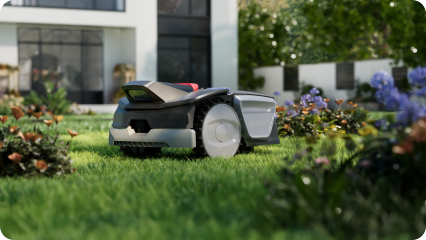
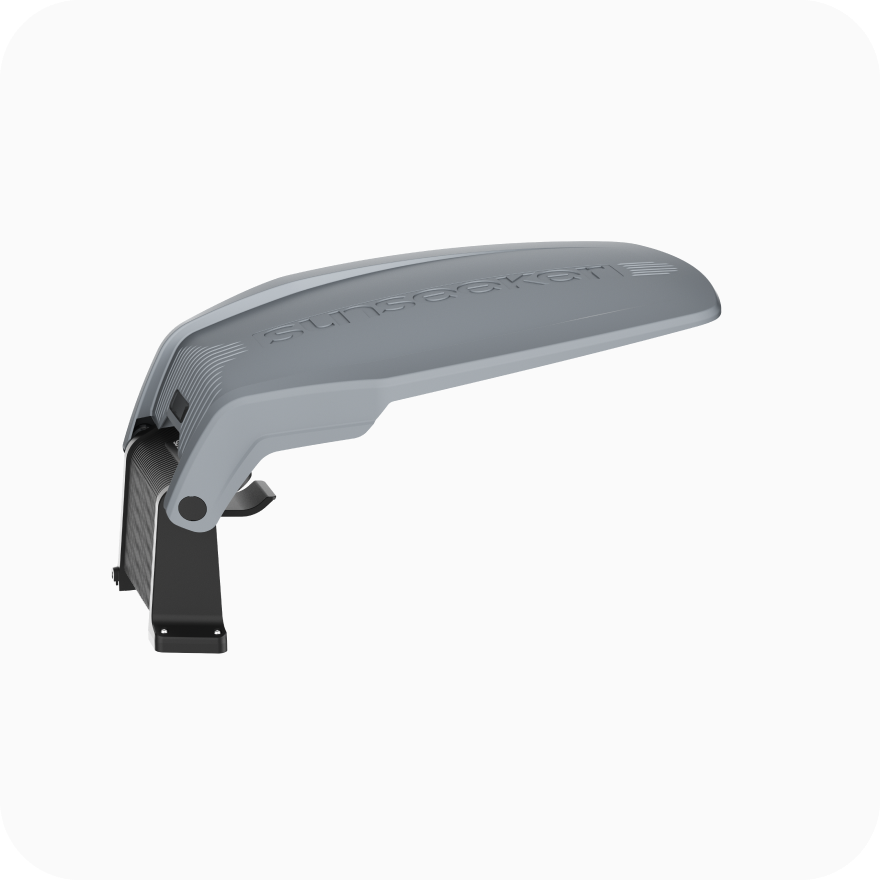
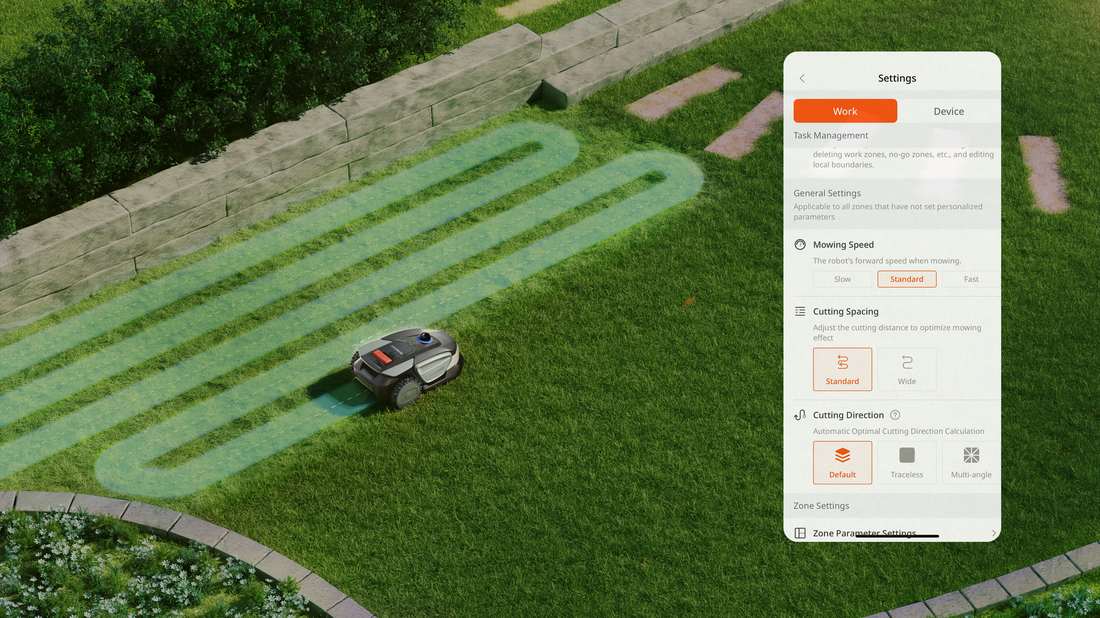
For routine mowing after the repair has established, the Sunseeker S4 can map lawns without a boundary wire or external antenna and is designed for areas up to about 1,000 m². Its 20 to 60 mm cutting range and 3D LiDAR based navigation make it a useful example where consistent mowing has to continue around several repaired zones without repeatedly disturbing the soil.
How to Keep the Lawn Dense After It Fills In
New density is easy to lose if the old stress returns. The following habits help the repaired grass keep enough leaf area and root strength to hold the surface over the next season.
Keep a steady mowing height: Avoid repeated scalping and large height changes. Frequent light cuts leave more healthy leaf available for photosynthesis and reduce stress on the crown.
Water for roots, not surface colour: Established turf usually responds better to deeper watering with drying time between sessions than to constant shallow wetting. Adjust for rainfall, soil, and season.
Aerate recurring compacted areas: Paths, play zones, and entrances can tighten again. Core aeration during active growth helps relieve the same pressure that caused the original thinning.
Feed according to growth and soil results: Use nitrogen to support healthy growth, but avoid pushing soft, excessive leaf growth. Soil testing is especially useful before adding phosphorus, potassium, or lime.
Repair small gaps early: A few thin spots are easier to reseed or plug than a large bare area. Early repair also leaves less open soil for weeds to establish.
If lawn care is automated, GPS Robot Mowers can help maintain mapped mowing zones on larger or divided gardens. The key after thickening work is to keep wheels and repeated traffic off soft seedbeds until the new grass is rooted, then return gradually to the normal mowing routine.
Conclusion
A thin lawn becomes thicker when the repair matches both the grass type and the reason the turf opened up. Correct shade, moisture, compaction, wear, or nutrition problems first, then use seed, plugs, or sod where the grass cannot fill the gap on its own. Good soil contact, steady moisture, and gentle first mowings carry the new plants through establishment. After that, consistent mowing, watering, and early patch repair help the lawn hold its density instead of repeating the same cycle.
FAQs
How long does it take a thin lawn to fill in?
Seeded repairs can show germination in about 5 to 7 days for fast ryegrass, while slower grasses may need two to three weeks or more. A lawn usually needs several additional weeks to look noticeably fuller, and a durable mature surface can take much of a growing season. Plugs and spreading grasses can take longer to close wide gaps.
Can a thin lawn recover without fertilizer?
Yes, if fertility is already adequate and the real problem is shade, compaction, drought, traffic, disease, or poor mowing. Fertiliser helps only when the lawn needs the nutrients it supplies. A soil test and the colour and growth rate of the grass give better guidance than thin turf alone, especially before adding phosphorus or lime.
Will letting grass go to seed thicken a lawn?
Usually not in a managed lawn. Flowering and seed production use plant energy, and mowing normally removes seedheads before useful seed matures and establishes. Bunch-type grasses still need overseeding to fill larger gaps, while spreading grasses thicken mainly through rhizomes or stolons. Targeted seeding, plugs, or sod is much more predictable.