A lawn can look green on top and still feel oddly springy underfoot. Push your fingers through the canopy and you may find a brown, fibrous layer sitting above the soil. A thin layer is normal, but a thick mat can slow water movement and leave roots growing too close to the surface.
Dethatching is fairly disruptive, so timing and tool depth matter more than speed. The sections below help you decide if the lawn really needs the work, choose a suitable tool, remove the buildup carefully, and support recovery afterward.
Does Your Lawn Need Dethatching?
Not every brown layer needs to be stripped out. Check the lawn in a few places and look for a combination of measurable buildup and visible performance problems before you bring out a rake or machine.
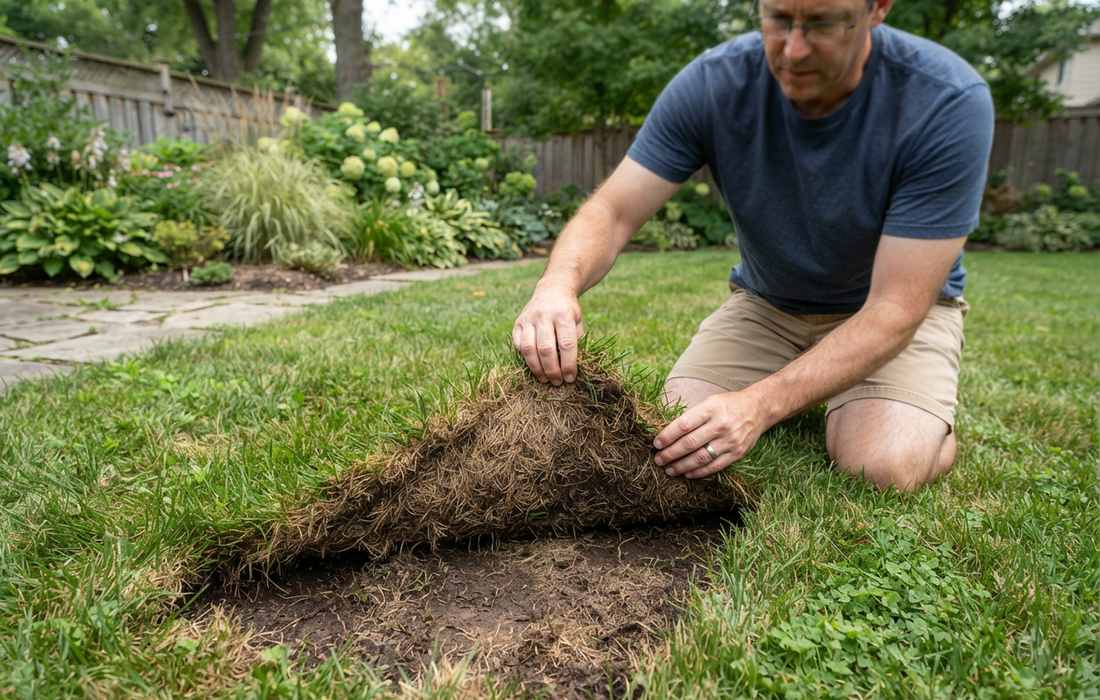
Measure the layer: Cut a small wedge of turf and measure the spongy brown material between the green shoots and mineral soil. A layer around 1.3 cm or thicker is a common point at which dethatching becomes useful; much thinner thatch can be left in place.
Notice a soft, springy feel: A lawn that gives underfoot can be carrying more organic material than the soil surface can break down. Check several areas because one damp patch can feel softer for other reasons.
Check water movement: If irrigation sits in the canopy while the soil beneath stays relatively dry, a dense thatch layer may be slowing infiltration. Compacted soil can create a similar symptom, so inspect the soil as well.
Look at rooting depth: Turf with roots concentrated in the thatch rather than the soil is more vulnerable to hot, dry weather. Pull a small plug and see where most fine roots are actually growing.
Wait for active growth: Mechanical dethatching should be done while the grass has enough growing weather to recover. Cool season grasses are generally treated in spring or early autumn; warm season grasses are better handled during active summer growth.
Grass clippings are not the main cause of thatch. Properly mown leaf clippings contain a lot of water and break down quickly. Excess growth, some spreading grass types, shallow frequent watering, heavy nitrogen use, and slow decomposition are more important contributors.
Which Dethatching Tool Should You Use?
Tool choice should match the size of the job and the amount of material that must be lifted. Use the comparison below to choose the right cutting action.
| Tool |
Best Fit |
Typical Intensity |
Main Advantage |
| Thatching rake |
Small patches or lawns under about 100 m² |
Light |
Good control and little setup |
| Power dethatcher |
Medium lawns with a clear thatch layer |
Moderate |
Fast removal with adjustable depth |
| Vertical mower |
Large lawns or dense, stubborn buildup |
High |
Slices through heavy material efficiently |
A stiff thatching rake is useful when only a few areas need work. For a whole medium sized lawn, a powered dethatcher saves time and gives a more even result. A vertical mower cuts more aggressively and is best reserved for heavy buildup on vigorous turf that can recover quickly.
Core aeration can help a compacted lawn and can improve air and water movement through a moderate thatch layer, but it does not remove the same amount of material as a dethatcher. If compaction is the main problem, aeration may be the better treatment.
How to Dethatch a Lawn Step by Step
Good dethatching is controlled rather than aggressive. Work on grass that is dry enough to rake cleanly, then use the steps below to test the depth and remove only the material that is holding the lawn back.
Step 1. Mow the Lawn
Mow shortly before dethatching so the machine or rake can reach the thatch without fighting long blades. Lower the cutting height modestly, but do not scalp the lawn or expose crowns. Remove heavy clumps and wait until surface moisture has dried.
A shorter canopy also makes the loosened material easier to see and collect. If the grass is already stressed by drought, heat, disease, or recent herbicide use, postpone the work until normal growth returns.
Step 2. Test the Dethatching Depth
Test a small 1 to 2 m² area before treating the whole lawn. Tines or blades should pull through the thatch and lightly reach the soil surface without digging trenches. If healthy plants are being ripped out in clumps, raise the setting.
The goal is not to expose bare soil everywhere. A successful test area will look rough and open, but most crowns should remain anchored. Give the test strip a minute of close inspection before you continue.
Step 3. Dethatch in Even Passes
Move at a steady walking pace in straight, overlapping passes. One pass is often enough for moderate buildup. If the thatch is heavy and the turf is vigorous, a second pass at a right angle can lift more material, but stop if the lawn begins tearing rather than combing cleanly.
On slopes, work across the grade where the equipment can be controlled safely. Keep people, pets, stones, irrigation fittings, and loose debris away from the machine path.
Step 4. Remove the Loosened Thatch
Rake or collect the loose mat immediately so it does not settle back into the canopy. A medium lawn can produce several large bags of material even when the original layer looked modest. Compost clean debris if it is free of serious disease and persistent weeds.
Walk the area after cleanup and check that water can reach the soil. Thin spots may now be more visible; mark them for overseeding rather than running the dethatcher repeatedly over the same ground.
What Care Does the Lawn Need After Dethatching?
Freshly dethatched turf has more exposed soil and less protection around the crowns. Recovery is usually straightforward when moisture and mowing stay gentle for the next few weeks. The care points below keep that recovery moving.
Water the root zone: Give the lawn enough water to moisten the soil after cleanup, then return to deeper, less frequent irrigation as growth strengthens. Avoid keeping the surface constantly saturated.
Overseed open areas: Where the process reveals bare soil, use a grass seed suited to the climate and light level. Press the seed into contact with the soil and keep the top layer evenly moist during germination.
Feed only when growth needs it: A light, soil informed fertilizer application can support active turf, but heavy nitrogen immediately after a stressful treatment can create soft growth and more future organic buildup.
Delay the next cut until the grass is upright: Wait for clear new growth and dry ground. Use sharp blades and remove no more than about one third of the leaf height in a single mowing.
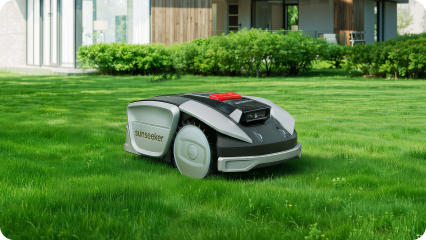
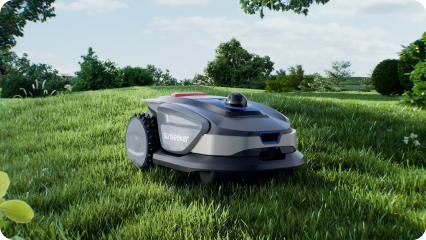
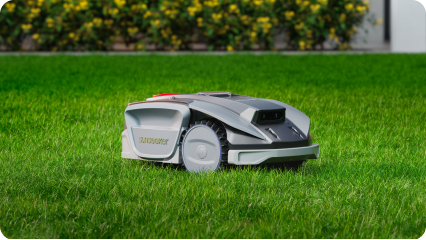
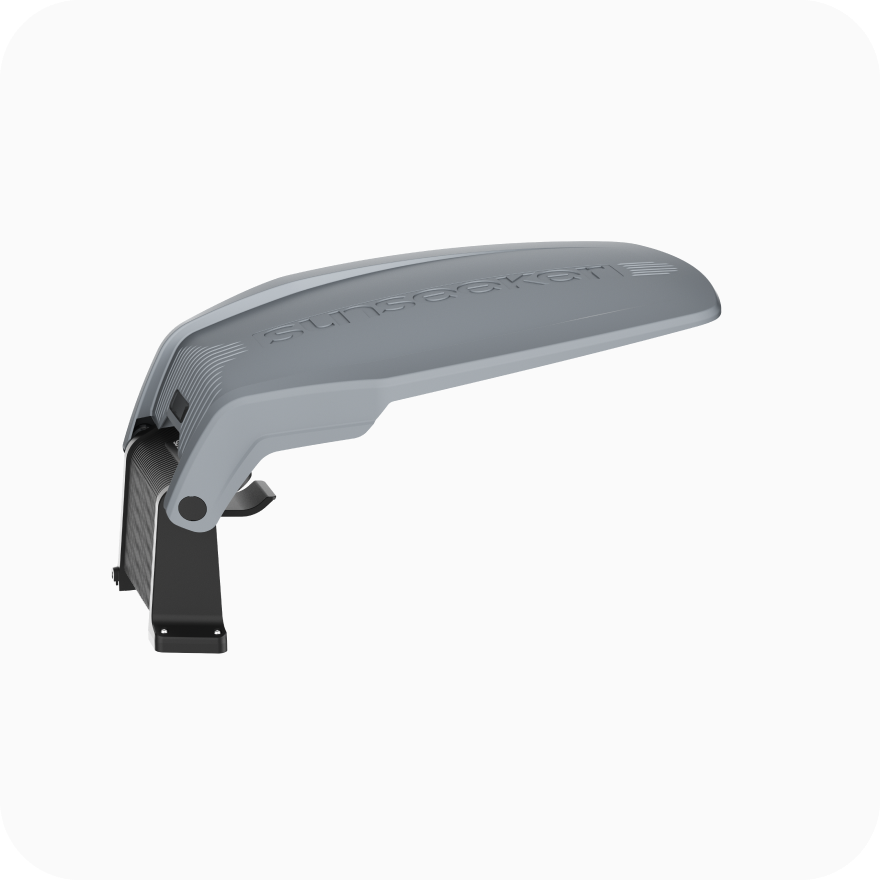
After the lawn is back in active growth, Sunseeker S5 can take over routine trimming with a 20 to 60 mm cutting height range and a 20 cm cutting width. Its scheduled mowing is useful here because steady light cuts are easier on recently recovered turf than letting the grass become long between sessions.

How to Reduce Future Thatch Buildup
The best long term control is to keep organic material production and decomposition in balance. Small changes in mowing, watering, feeding, and soil care can slow buildup enough that aggressive dethatching becomes much less frequent.
Keep nitrogen moderate: Use soil test results and local turf guidance rather than feeding for maximum colour. Very fast shoot and stem growth can add organic material faster than it breaks down.
Water more deeply, less often: Frequent shallow irrigation encourages roots near the surface. Give established turf time to dry slightly between waterings so roots explore deeper soil.
Mow often enough to keep cuts small: Follow the one third rule and avoid leaving wet piles of long clippings. Fine leaf clippings can remain because they decompose quickly and do not create the fibrous thatch layer on their own.
Relieve compaction where needed: Core aeration improves the soil environment and can help water, oxygen, and decomposers move through the upper root zone. It is especially useful on frequently used lawns with firm soil.
Check soil conditions: Extreme pH, poor drainage, and persistently wet soil can slow healthy root activity and decomposition. Correct the underlying site problem instead of treating the surface repeatedly.
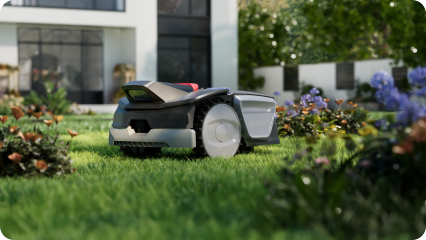
For lawns suited to automated mowing, GPS Robot Mowers can help maintain a regular light cutting rhythm with mapped routes and scheduled sessions. That consistency supports the same basic prevention goal: avoid large surges of top growth and heavy clipping piles while keeping the canopy at a stable height.
Conclusion
Dethatching is useful when a measurable layer of organic material is interfering with the lawn, not simply because some brown material is visible. Check the depth first, work during active growth, test the tool setting, and stop before healthy crowns are pulled loose. Afterward, steady moisture, sensible feeding, and regular mowing help the turf close back in. Good routine care also slows the conditions that allow a thick thatch mat to return.
FAQs
How often should you dethatch a lawn?
Many lawns do not need annual dethatching. Check the layer each growing season and treat it when it reaches roughly 1.3 cm or begins affecting water movement and rooting. Fast spreading turf may need attention every one to three years, while slower thatch forming lawns can go much longer.
Do grass clippings cause thatch?
Normal grass clippings are mostly soft leaf tissue and water, so they break down quickly and contribute very little to thatch. Problems are more closely linked with roots, stems, crowns, vigorous growth, excess nitrogen, and slow decomposition. Remove clippings only when they form wet, heavy piles that smother the canopy.
Can you dethatch a newly seeded lawn?
No. Young seedlings have shallow roots and can be pulled out easily by a rake or powered dethatcher. Give a newly seeded lawn a full establishment period and several normal mowings before considering any mechanical thatch treatment. If the surface crusts or compacts early, use gentler care rather than aggressive removal.