Taking out grass from your lawn is something most homeowners have to deal with at some point. Maybe you’re redesigning your yard, putting in a garden bed, or laying down fresh sod. Whatever the reason, one big question comes up: how to remove grass from lawn easily?
In this guide, we will walk you through practical, proven ways to remove grass from your lawn without making the process harder than it needs to be. You can also find helpful tips on how to dispose of old grass, prevent it from growing back, and keep your yard looking great in the long run!
How to Remove Grass from Lawn
When it comes to removing grass from lawn, there is no one-size-fits-all method. What works best depends on your yard size and how quickly you want results. Here are some solid options to consider. These methods fall into two broad groups: physically lifting the turf or killing and smothering it in place. The better choice depends on how soon you need the area cleared and what you plan to do with the soil afterward.
1. Manual Removal
If you are working with a small space or want to stay completely chemical-free, manual removal is a great option. Start by mowing the grass as short as possible. Then grab a sharp spade or edging tool and cut the sod into manageable strips. From there, lift and roll or pry up the turf, removing as many roots as you can.
A helpful tip here is to water the lawn the day before to soften the soil, so it makes the job a lot easier. While this method takes some effort, it keeps your soil structure intact and gives you full control over the process. It’s also best done during cooler weather when the grass is actively growing.
2. Using a Sod Cutter
How to remove grass from lawn areas that are bigger? A sod cutter can seriously speed things up. You can rent either a manual kick-style cutter or a powered version. These machines slice through turf and create even strips of sod. Once cut, you can simply roll up and remove the sections.
It’s much faster than digging everything by hand and leaves the soil relatively undisturbed. Just mow your lawn short first and mark out the area you are working on. Powered cutters are especially helpful for tougher or root-heavy lawns. But you might want to use them carefully to avoid compacting the soil.
3. Solarization
Solarization is a super low-effort, eco-friendly way to kill grass using the sun’s heat. First, mow the lawn short and give it a deep watering. Then cover the area with a clear plastic sheet and seal the edges tightly. Leave it in place for about 4-8 weeks during hot, sunny weather.
The trapped heat builds up underneath, raising the soil temperature enough to kill grass, weeds, and even seeds. It’s a slower method, but very effective in summer. Once it’s done, you can often work the dead grass right into the soil as organic matter.
4. Smother
Smothering (also called sheet mulching) is another easy, no-dig method. Start by mowing the grass short. Then layer cardboard or thick newspaper over the area. Make sure the pieces overlap so no light gets through. Soak it well, and top it off with 7.5-15 cm of mulch or wood chips.
Over a few months, the grass underneath breaks down completely. This method is perfect if you are planning a garden bed, and it actually improves your soil as everything decomposes. It’s simple and low-effort, but you’ll need a bit of patience.
5. Apply Chemical Herbicides
If you want to know how to remove grass from lawn fields quickly, non-selective herbicides like glyphosate can do the job. Apply it on a calm, dry day while the grass is actively growing, and always follow the instructions on the label.
You can see results within 1-2 weeks. So, how to remove dead grass from lawn after applying chemicals? You can rake or dethatch the area to clear out loose, dead material. For thicker patches, use a shovel or garden fork to lift and remove the dead turf along with the roots. Just be sure to wear protective gear.
Which Grass Removal Method Should You Choose?
The right method depends on the size of the area, how quickly you need it cleared, and how much labor or equipment you want to use. Grass type also affects the chance of regrowth.
Consider the Size of the Area
Manual removal works well for small or irregular patches where you want precise control. A sod cutter is usually more efficient on larger, open lawns, while smothering or solarization can make sense when you can wait for the grass to die in place.
Decide How Quickly You Need the Grass Gone
If you need bare soil quickly, digging or a sod cutter gives immediate access once the turf is lifted. Solarization usually takes several weeks of strong sun, while cardboard-and-mulch smothering often needs a few months before the grass fully breaks down.
Consider Labor, Cost, and Equipment
Hand digging requires little equipment but the most physical work. A sod cutter reduces labor on larger areas but adds rental and hauling costs. Smothering uses inexpensive materials and less effort, while solarization needs suitable weather and plastic sheeting.
Check the Grass Type and Regrowth Risk
Some grasses spread through rhizomes or stolons, making surface-only removal less reliable. If your lawn has aggressive creeping growth, favor a method that addresses underground growth or gives you time to monitor and repeat control before replanting.
How Do You Dispose of the Old Grass?
Once you’ve removed turf, it’s important to dispose of it properly to avoid pests and odors. Here are some practical options to handle old grass efficiently:
- Reuse the sod: If the grass is still healthy, you can relocate it to patch bare areas or use it elsewhere in your yard. Make sure to replant it within 24-36 hours and keep it moist so it doesn’t dry out.
- Compost it: Stack the sod grass-side down in layers, add water, and cover it. Over time, it will break down into nutrient-rich compost that’s great for garden beds.
- Use green waste services: Many local areas offer yard waste collection or composting facilities. This is a convenient and eco-friendly way to get rid of large amounts.
- Dispose via dumpster or landfill: For bigger projects, renting a dumpster or using landfill services may be necessary, though it can cost more.
Please avoid burning or illegal dumping. Keep in mind that grass can actually be reused or recycled into something beneficial.
What to Do If the Old Grass Grows Back?
Grass growing back after removal is pretty common, especially if roots or seeds are left behind. Here’s how to keep it under control:
- Remove regrowth early: Pull out new shoots as soon as you see them. Slightly damp soil makes it easier to remove roots.
- Apply mulch or barriers: Add a thick layer of mulch or use landscape fabric to block sunlight and prevent grass from coming back.
- Use pre-emergent herbicides: These help stop new grass seeds from sprouting, especially during active growing seasons.
- Plant dense coverage: Lay new sod, plant ground cover, or grow garden plants to crowd out unwanted grass naturally.
- Monitor regularly: Keep an eye on the area and deal with any regrowth quickly before it spreads.
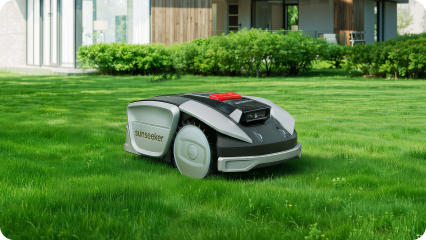
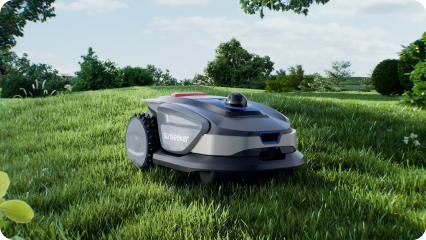
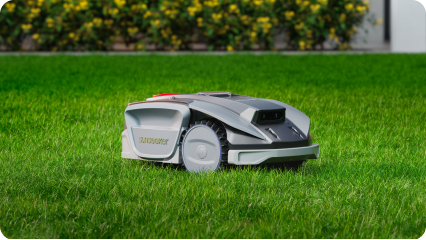
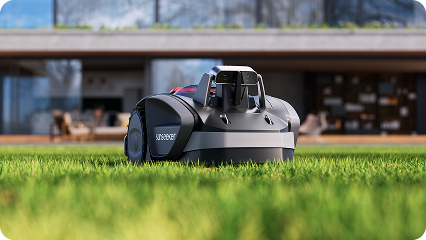
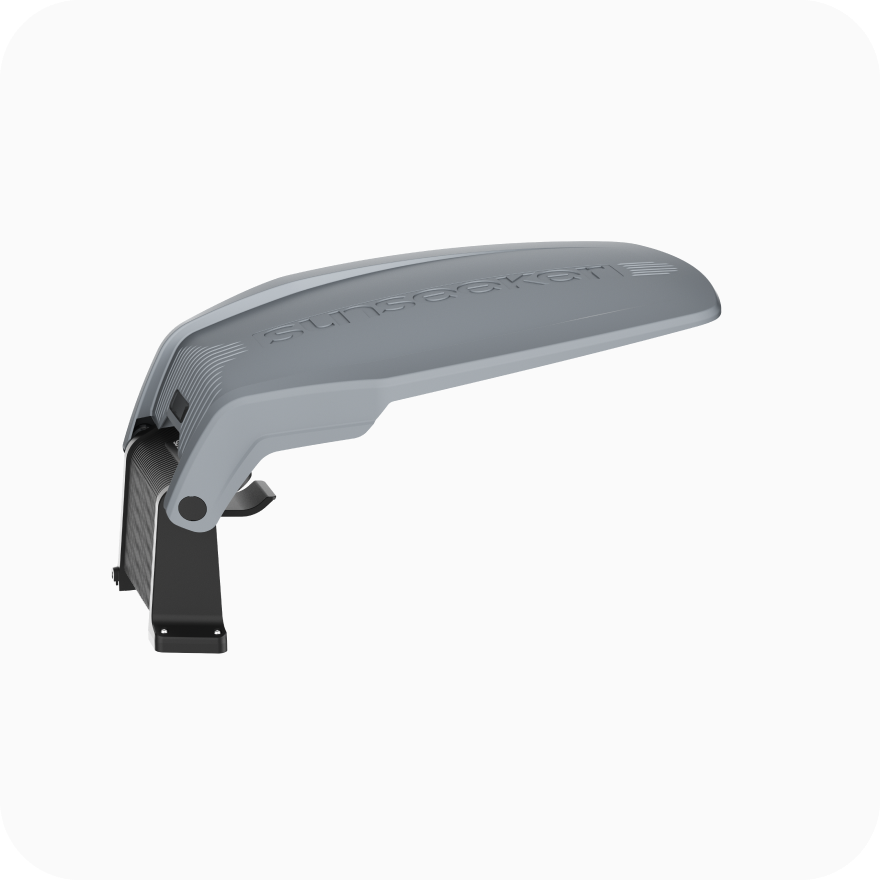
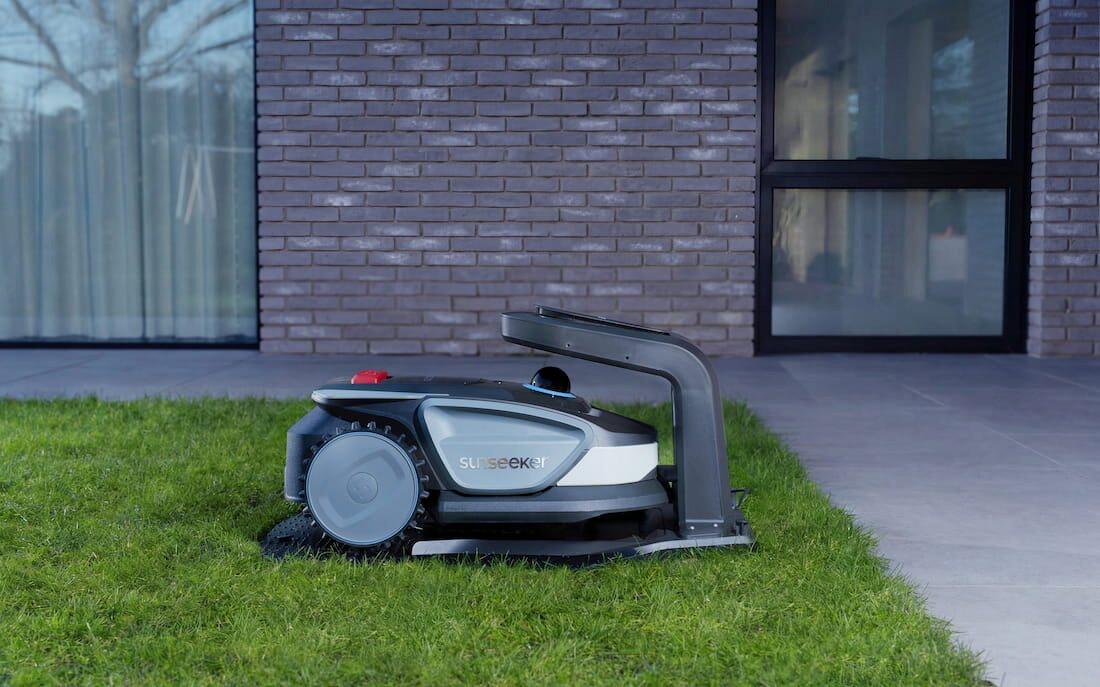
For ongoing upkeep, it also helps to understand what is scarifying a lawn and how this process removes thatch and surface debris to support healthier grass growth. Automated tools can then make your life a lot easier. Robotic mowers, for example, help maintain a consistent grass height, which keeps your lawn healthier and helps prevent aggressive regrowth.
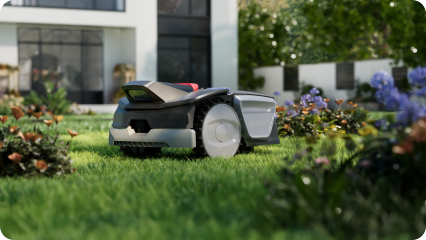
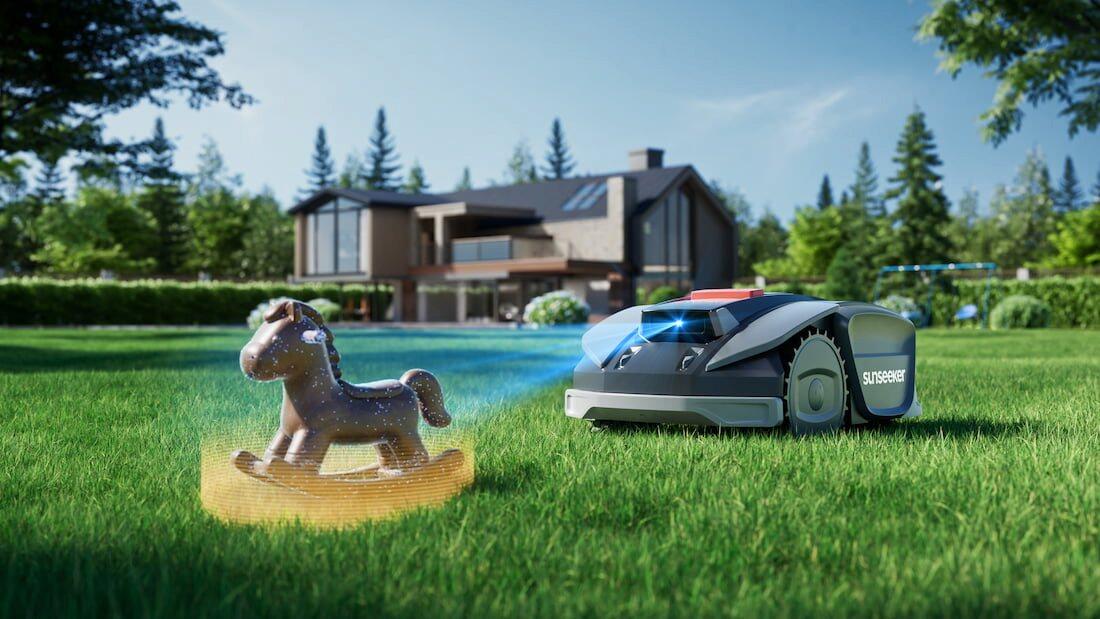
If your yard is more complex with obstacles, flower beds, or uneven shapes, the Sunseeker S4 is the better choice. It uses advanced LiDAR + AI vision for wire-free, highly precise navigation with centimeter-level accuracy. Its AllSense™ 3D Fusion system maps your yard in real time, avoids over 360 types of obstacles, and creates neat, systematic mowing patterns. Combined with AI path planning and a patented floating system, it delivers smooth, even, and turf-friendly results even on tricky, irregular lawns.
Conclusion
So, how to remove grass from lawn? It all comes down to picking the method that works best for your space and needs. Methods introduced above can give you a clean, ready-to-use lawn while keeping effort and environmental impact to a minimum. For long-term success, keeping your renovated lawn healthy and tidy is just as important. Smart tools like Sunseeker robotic mowers make ongoing care effortless, efficiently preventing overgrowth and keeping your yard looking pristine year-round. Explore Sunseeker today to find models that make lawn maintenance stress-free!
FAQs
What is the easiest way to remove grass?
The easiest way to remove grass is by smothering it with cardboard and mulch. Just mow the area short, lay down overlapping cardboard, soak it well, and cover it with a thick layer of mulch. It takes a few months, but it requires very little effort and no digging. If you want faster results, a sod cutter or chemical works well, but smothering is definitely the least labor-intensive option.
What is the cheapest way to replace a lawn?
The most budget-friendly approach is usually solarization or smothering, followed by reseeding. You can use low-cost or free materials like plastic sheets, cardboard, or newspaper. Once the old grass is gone, prep the soil and plant affordable seed mixes. It’s a simple DIY method that saves money and improves your soil over time.
How to stop grass from growing?
To stop grass from coming back, you’ll need a mix of removal and prevention. After clearing the area, apply mulch, install barriers, or plant dense ground covers. You can also use pre-emergent herbicides to stop new growth. Regular mowing and proper watering help control the spread, too. Robotic mowers can be especially helpful by keeping grass consistently trimmed, which reduces its ability to spread aggressively.
Is it good to remove dead grass from lawn?
Yes, removing dead grass, also known as dethatching. It is actually quite beneficial. It helps improve airflow, water absorption, and nutrient delivery to the roots. It also reduces the risk of pests and disease while encouraging thicker, healthier growth. You can use a rake or dethatcher for this, depending on how severe the buildup is. Just don’t overdo it, since some thatch is actually helpful for protecting the soil.
Is it better to remove grass or kill it in place?
Physical removal is usually better when you need immediate access to bare soil or want to regrade the area. Killing grass in place with smothering or solarization takes longer but can reduce digging and preserve more soil structure. The better option depends on your timeline, area size, and what you plan to do next.
How soon can you plant after removing grass?
After manual removal or sod cutting, you can usually move on once remaining roots are cleared and the soil has been graded and prepared. After smothering or solarization, wait until the grass is fully dead. If you used an herbicide, follow the product label for any required planting or reseeding interval.