A tired lawn can reach the point where patching feels endless. Thin grass returns, weeds fill the gaps, and low areas stay wet. At that stage, rebuilding the surface can be more efficient than another small repair.
A successful redo is not just new grass on top of the old problem. The sections below help you judge how much renovation is justified, choose seed or sod, time the work, rebuild the soil surface, and care for the lawn as roots establish.
Does Your Lawn Need a Full Renovation?
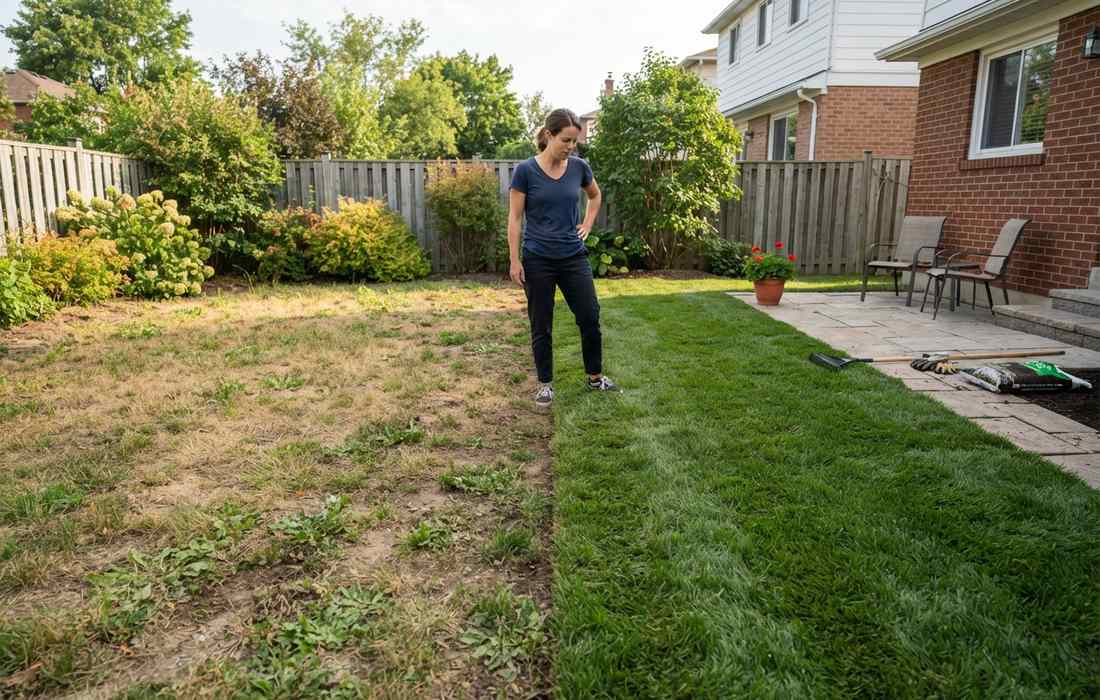
Many weak lawns can still be improved without stripping everything out. Check how much desirable turf remains and identify the problem underneath it before committing the whole area to a full reset.
Desirable grass is below about half the area: If less than roughly 50% of the lawn is the grass you want, filling the remaining space through small repairs can take longer than renovation. Scattered healthy islands are easier to replace than a mostly failed stand.
Dead or very sparse areas cover 30 to 50%: Widespread bare ground after drought, disease, traffic, or winter injury is a strong sign that repair will be extensive. First confirm that the original stress has stopped.
Perennial grassy weeds dominate: Weeds that closely resemble lawn grass can be difficult to remove selectively. A full renovation may provide a cleaner reset when they are spread across most of the site.
The surface needs grading or drainage work: Deep depressions, construction compaction, buried rubble, or persistent standing water should be corrected before new turf is established. New grass cannot hide a structural soil problem for long.
Thatch is unusually heavy: A soft mat approaching 2 cm or more can separate roots from mineral soil and interfere with renovation. Severe buildup often needs to be removed as part of surface preparation.
If more than half the lawn is healthy and the soil is sound, selective weed control, aeration, overseeding, and better irrigation can often restore density without removing the whole lawn.
Should You Reseed or Lay Sod?
Seed and sod can produce the same finished lawn, but they trade money, time, and flexibility in very different ways. The comparison below helps match the method to the site and the speed you need.
| Factor |
Seed |
Sod |
| Upfront cost |
Lowest; seed material is often well under €1 per m² |
Higher; fresh turf commonly costs several euros per m² before delivery |
| Grass choices |
Wide choice of species and mixtures |
Limited to cultivars grown by local turf farms |
| Visible result |
Gradual; germination commonly takes 1 to 3 weeks |
Immediate green cover after installation |
| Early establishment |
Usually 6 to 8 weeks before light routine use |
Roots often grip in 10 to 14 days; fuller establishment takes longer |
| Best site fit |
Large areas where time is available |
Fast cover, slopes, erosion prone areas, or quick visual results |
| Labour pattern |
More watering and weed attention during germination |
More lifting, fitting, and immediate watering on installation day |
Seed is usually the economical choice for a large lawn, especially when you want a particular shade tolerant or hard wearing mixture. Sod costs more but closes the soil immediately, which is valuable where bare ground would erode or where the lawn needs to look finished quickly.
When Is the Best Time to Redo a Lawn?
Choose a period that gives new roots and shoots several weeks of active growth before weather becomes stressful. Grass type sets the broad season, while local soil temperature and rainfall decide the exact week.
Timing for Cool Season Lawns
Late summer into early autumn is usually the strongest window for cool season grasses. Soil is still warm enough for germination, nights are cooler, and weed pressure often eases. Aim for about six to eight weeks of useful growing weather before hard frost.
Spring is a workable second choice when autumn timing is missed. The tradeoff is stronger annual weed competition and a shorter period before summer heat. Sod can be laid across a wider cool weather window as long as the ground is workable and irrigation is available.
Timing for Warm Season Lawns
Warm season grasses establish best in late spring or early summer after the soil has warmed and vigorous growth has started. New roots then have the main growing season ahead of them. Renovating too late can leave immature turf facing cool weather before it has built enough root mass.
How to Redo a Lawn Step by Step
The renovation works best when each stage fixes a problem that would otherwise follow the new grass. Move through the work in order so the finished seedbed is clean, firm, level, and ready to support new roots.
Step 1. Control Existing Weeds
Identify the weeds before removing the old lawn. Broadleaf weeds, annual grasses, and persistent perennial grasses need different approaches. If a herbicide is used, follow its label for the required interval before seeding or laying sod; do not assume every product allows immediate planting.
Step 2. Remove the Failing Turf
For a full redo, remove enough of the old canopy and thatch to expose workable soil. A sod cutter is efficient on a level lawn, while a power rake or scarifier can break up thinner turf. Collect the debris instead of tilling thick mats into the topsoil.
Step 3. Fix Soil and Drainage Problems
Test the soil before adding lime or fertilizer, then correct deficiencies indicated by the result. Relieve severe compaction and investigate places that hold water after ordinary rain. Regrading, improving a discharge route, or changing irrigation coverage is more effective than trying to solve chronic wetness with extra seed.
Step 4. Prepare a Firm, Level Surface
Rake the surface smooth and break down large clods. The final grade should shed water away from buildings and should not contain hollows that will collect irrigation. Firm the soil enough that a normal footprint leaves only a shallow impression rather than sinking deeply.
Step 5. Sow Seed or Lay Sod
For seed, use the labelled rate for the chosen mixture and divide the amount into two passes at right angles for better coverage. Lightly rake or press seed into the surface so it has good soil contact without being buried deeply.
For sod, lay fresh pieces tightly together on slightly moist soil and stagger joints like brickwork. Avoid stretched pieces and wide seams. Trim cleanly around curves and fill small gaps with matching sod rather than loose soil alone.
Step 6. Water the New Lawn
Water immediately after sowing or laying sod. Seedbeds need light, frequent moisture at the surface during germination; sod needs enough water to wet the turf and the soil beneath it. As roots develop, reduce frequency and apply water more deeply so the root zone expands downward.
How to Care for the Lawn as It Establishes
The first few weeks decide how quickly the new lawn becomes resilient. Watering should gradually shift toward deeper roots, while mowing and foot traffic stay conservative. The points below show when routine care can return.
Adjust Watering as Roots Develop
Seed may need several light waterings per day at first if the surface dries quickly. After germination, reduce the number of applications and wet a deeper layer of soil. New sod should stay moist rather than saturated; many sod lawns resist a gentle tug after about 10 to 14 days.
Make the First Mow at the Right Stage
Mow seeded turf when it is roughly one third taller than the intended maintenance height and the soil is firm enough that wheels do not pull seedlings loose. Sod is ready when it has rooted securely and the surface can carry the mower without shifting seams.
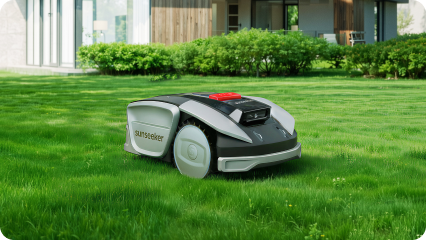
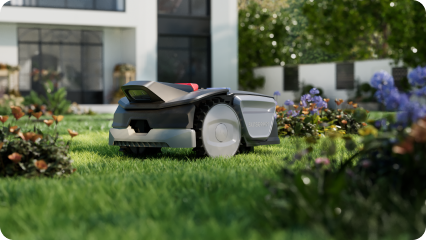
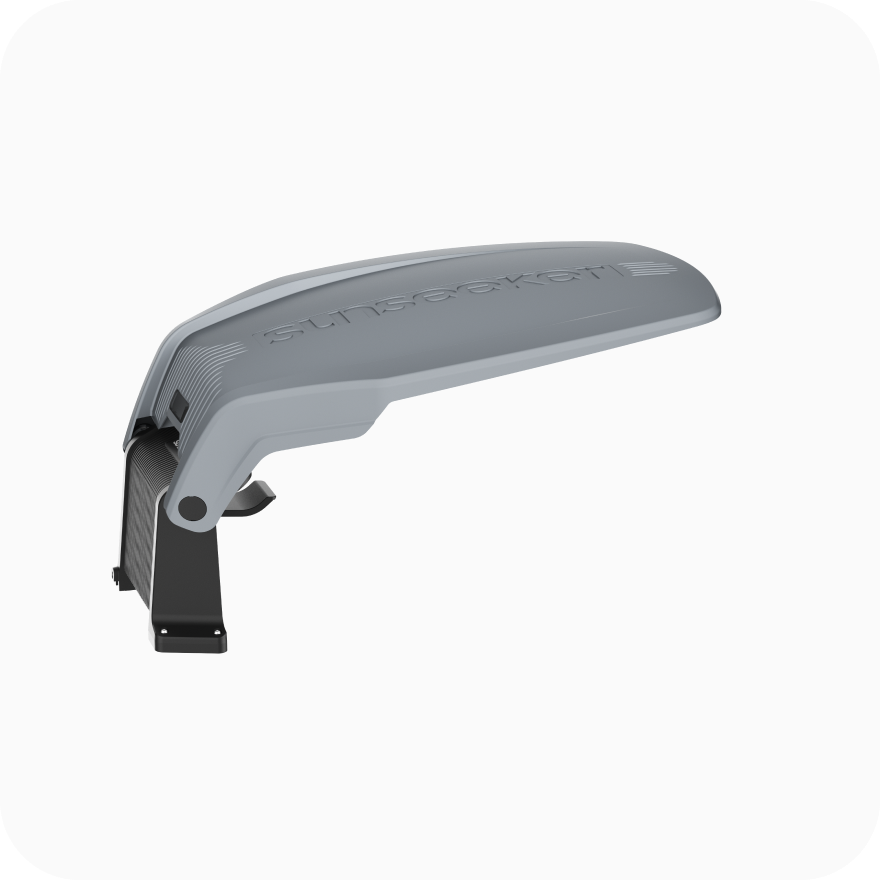
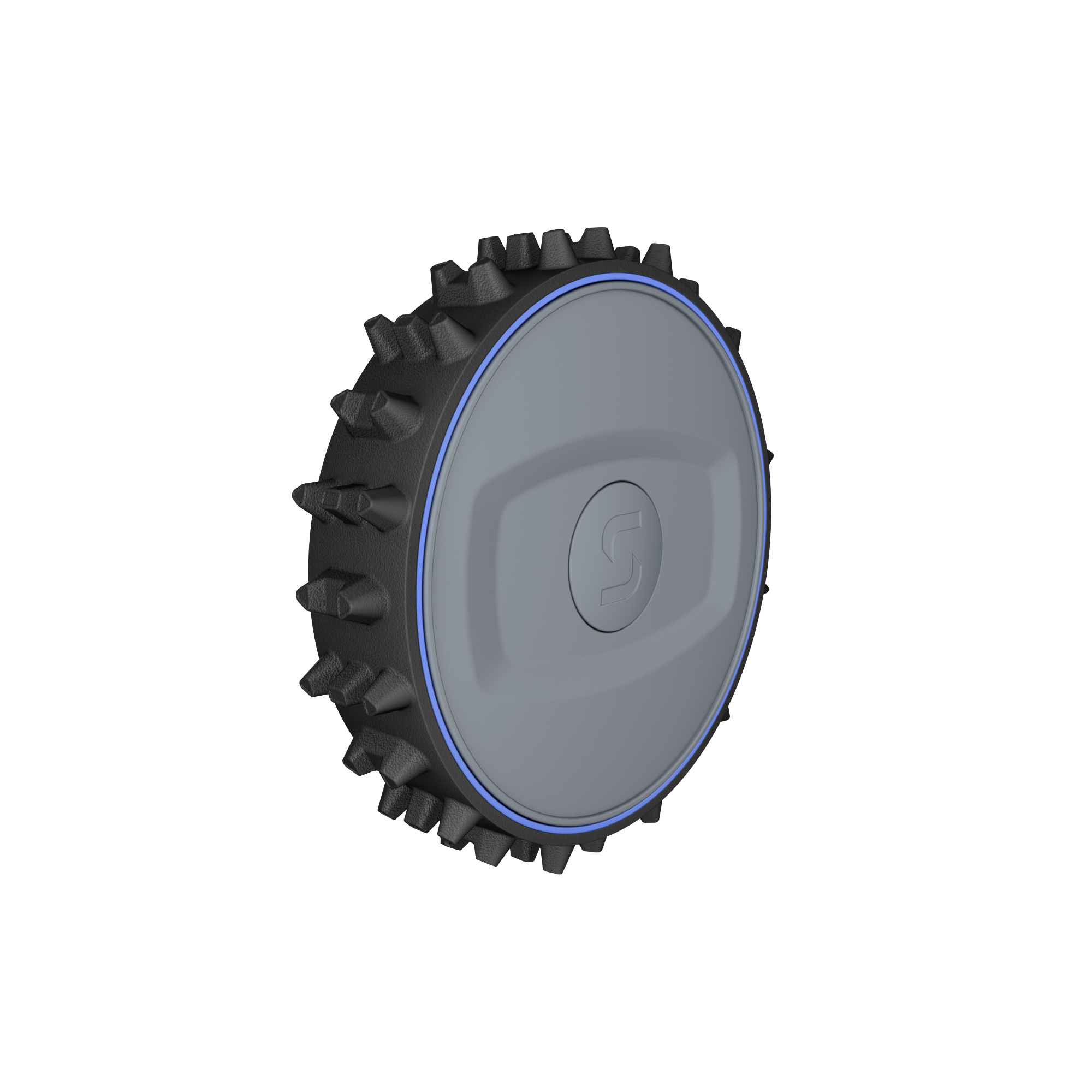
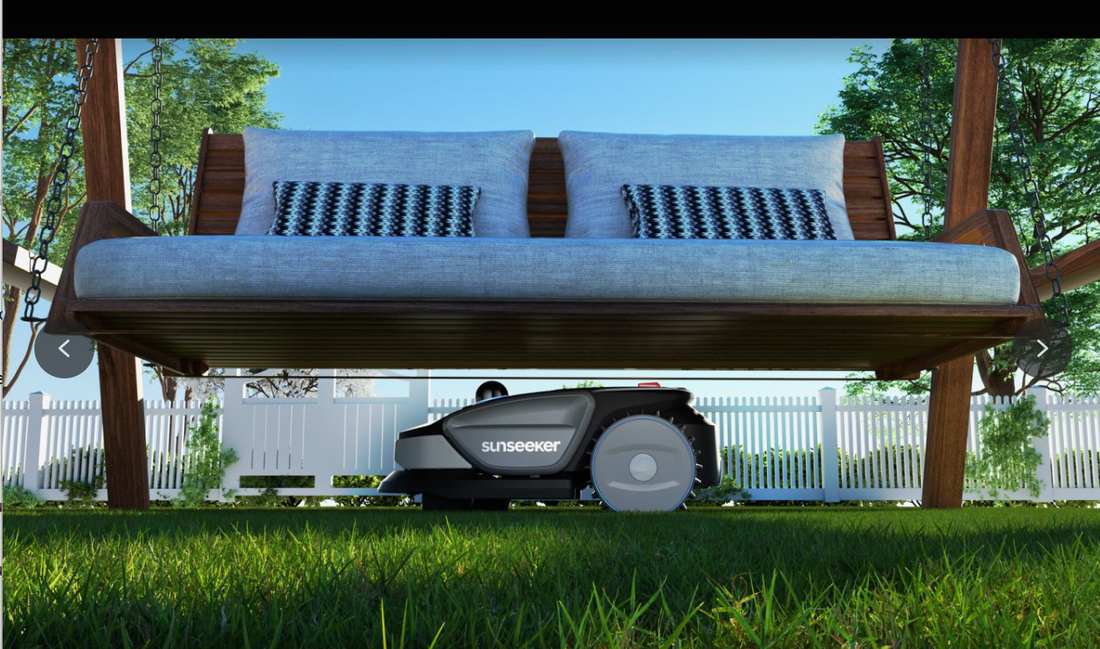
After several successful cuts and normal traffic tolerance return, Sunseeker S4 can support routine maintenance with a 20 to 60 mm cutting range and 18 cm cutting width. Its mapped, scheduled cutting fits the establishment goal of keeping later cuts light and consistent rather than allowing large swings in grass height.
Limit Foot Traffic During Establishment
Keep games, pets, furniture, and repeated walking off the weakest areas until roots hold the surface together. Seeded lawns often need six to eight weeks before light routine use, while sod may handle gentle traffic sooner after it passes a firm tug test and has received a few normal cuts.
When the lawn is fully established, Robot Mowers with Mulching Blades can maintain the canopy through frequent small trims. Fine clippings settle into the turf instead of forming the heavy piles that appear after infrequent mowing, which keeps routine cleanup simple.
Conclusion
Redoing a lawn pays off when the old turf has genuinely lost its ability to recover or when the soil surface itself needs repair. Decide first if a full reset is justified, then choose seed for flexibility and lower cost or sod for faster cover. Correct weeds, drainage, grading, and soil problems before planting. Careful watering and gentle early mowing protect that work while the new root system develops into a durable lawn.
FAQs
How much does it cost to redo a lawn?
Seed is the lower cost route. Seed material itself can be below €1 per m², while a full DIY reseed with soil amendments and hired tools may run several euros per m². Fresh turf commonly costs about €4 to €10 per m² before delivery or labour. Local prices and ground preparation can change the total substantially.
How long does a redone lawn take to establish?
Seed commonly germinates in about 1 to 3 weeks, then needs several more weeks to form a usable stand. Light use may be possible after roughly 6 to 8 weeks in good growing weather. Sod often roots in 10 to 14 days, with more complete establishment and normal use developing over about 3 to 6 weeks.
Can you renovate a lawn in sections?
Yes. Sectional renovation works well when damage is concentrated in clear zones and the rest of the turf is healthy. Use straight or gently curved boundaries, match seed or sod as closely as possible, and plan irrigation so the new area can stay moist without overwatering established grass nearby.