Mowing a steep hill is not a simple weekend chore. It can feel risky, tiring, and honestly a bit stressful. Between slippery grass, awkward angles, and the fear of losing control, it’s no surprise many homeowners avoid it as long as possible. So, how to mow a steep hill safely? Now you are in the right place. This guide breaks everything down in simple, practical terms, from slope steepness to choosing the right mower. So you can tackle the job with more confidence and less hassle.
Hill Steepness and Slope Rating
How do you mow a steep hill? Before everything, let’s figure out what hill steepness is. Slopes are usually measured in degrees or percentage (called grade). As a quick reference, a 15-degree slope (about a 27% grade) is close to the upper limit for most standard riding mowers. Go beyond that, and things can get risky pretty fast.
Here are the slope ratings:
- Gentle slopes: 0-10 degrees (up to 18% grade). Most mowers handle these easily.
- Moderate slopes: 10-20 degrees (18-36% grade). Requires careful technique and suitable equipment like self-propelled or zero-turn models with good traction.
- Steep slopes: 20-30 degrees (36-58% grade). High risk for traditional mowers; better opt for specialized options.
- Extreme slopes: Over 30 degrees. Often need remote-controlled, tracked, or robotic solutions to avoid danger.
If you are not sure, you can check your slope with a smartphone app or a simple measuring tool.
How to Mow on a Steep Hill?
Mowing on a steep hill takes more than just pushing a mower. It requires the right approach, steady control, and attention to safety. Here’s a general guideline on how to mow a steep hill safely with two major mower models.
Push or Self-Propelled Mowers: Mow Side-to-Side
When mowing a steep hill with a push or self-propelled mower, always move horizontally across the slope instead of straight up or down. This helps maximize traction, prevent sliding, and reduce the risk of slipping or losing your balance. Start at the bottom and work your way upward in overlapping horizontal passes, angling each row slightly uphill about 5-10 degrees to naturally counteract gravity. Keep a slow, steady pace with overlap passes by 100-150 mm. Raise the deck slightly, and avoid sharp turns to maintain control and ensure an even cut.
Riding Mowers: Mow up and Down the Slope
When using a riding mower or lawn tractor on a steep hill, the safest approach is to mow straight up and down the slope. Don’t mow side-to-side on slopes steeper than 10-15 degrees, because going across the hill can cause the mower to tip by throwing off its balance. Drive uphill in low gear with high engine RPMs to keep your speed steady and movements smooth. When heading downhill, use engine braking for a controlled descent. Make wide, gradual turns only on flat ground at the top or bottom.
After mowing, bring the mower to a stop on flat ground before turning it off or stepping away. Clean off grass buildup to keep your machine running smoothly. If any part of the slope feels too difficult or unsafe, don’t force it. Switch to a string trimmer or consider a safer alternative for those tricky areas.
Tips for Safe Hill Mowing
Now you should know how to mow a steep hill safely. As you can see, mowing on a slope comes with extra risks, which is why building safe habits is always the key. Here are a few simple precautions that can help you stay in control and avoid accidents.
- Always mow when the grass is completely dry to maintain traction and reduce the risk of slipping or losing control on slopes.
- Wear sturdy, closed-toe shoes with a strong grip to improve stability and prevent slipping while walking or operating equipment on inclines.
- Keep your mowing speed slow and steady to maintain control, especially when navigating uneven terrain or changing direction on a slope.
- Avoid sudden starts, stops, or sharp turns, as these movements can cause loss of balance or increase the chance of tipping.
- Inspect the area beforehand. Remove rocks, sticks, or debris that could interfere with mowing or cause unexpected hazards.
- Check your mower regularly(tires, brakes, and blades) to ensure it performs safely and reliably on challenging terrain.
- Never mow across steep slopes with riding mowers, as this greatly increases the risk of rollover and serious injury.
- Take breaks when needed to prevent fatigue, since tiredness can reduce your focus, reaction time, and overall control on slopes.
How to Choose the Best Lawn Mower for Steep Hills?
If you've read this far, you've likely realized that manually mowing a steep hill is not the ideal solution. Human-operated mowers, whether push, self-propelled, or riding, always carry inherent risks on inclines. Choosing the best robot mower for hills often comes down to finding equipment that's specifically designed to handle steep and uneven terrain.
Therefore, we have concluded a few features that can improve safety and make the job easier:
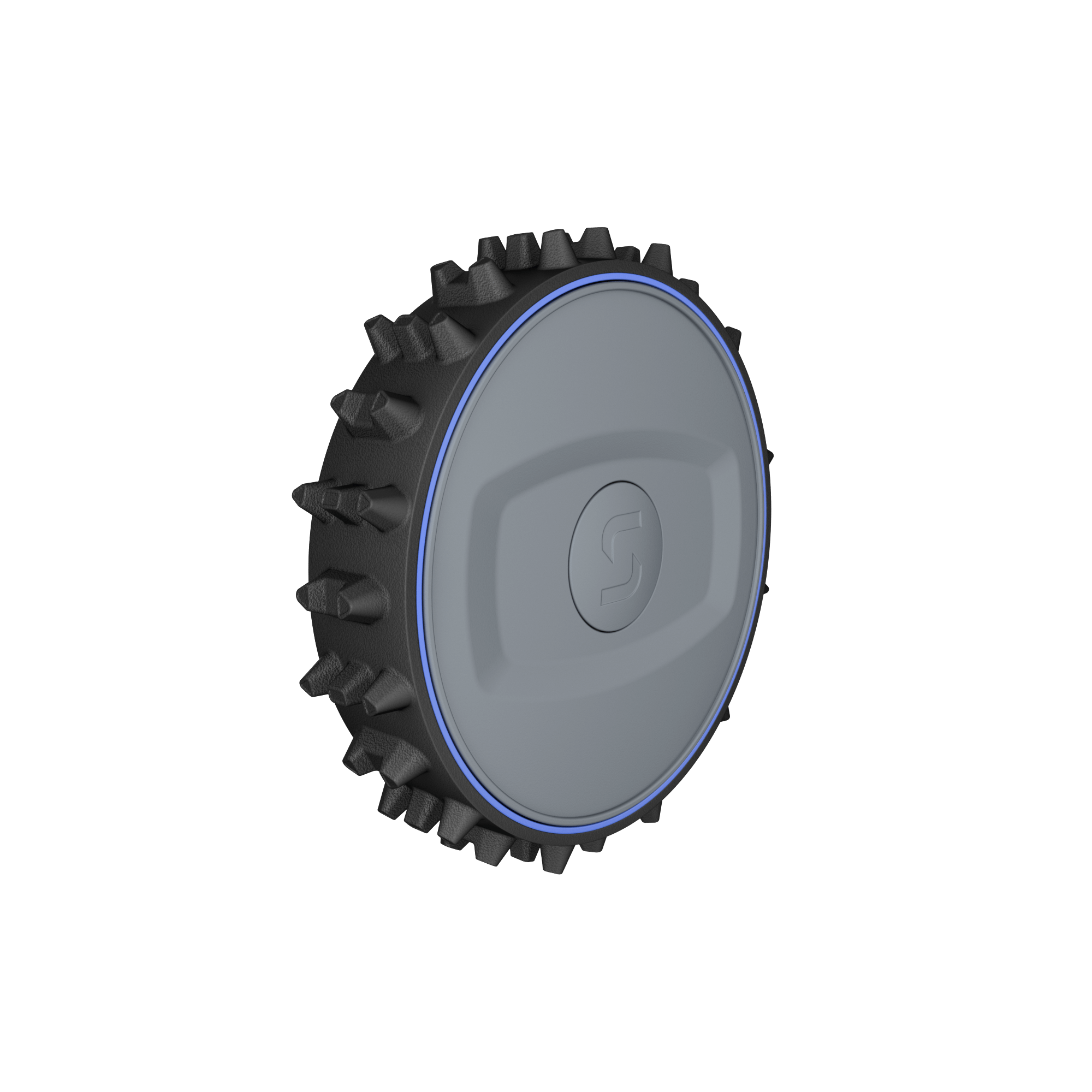
- Traction and Drive Type: Opt for rear-wheel drive or all-wheel drive systems with aggressive, non-slip tires (such as off-road or dual-wheel setups) to maintain grip and prevent wheel spin on inclines.
- Slope Capability: Choose models rated for at least 20-42% grade (roughly 11-22 degrees or more). This range safely covers moderate to steep hills without excessive risk of slippage or instability.
- Stability Features: Look for a low center of gravity, wide wheelbase, adaptive suspension (like a floating chassis), or dual wheels to minimize tipping and ensure even cutting on uneven ground.
- Automation and Convenience: Robotic mowers stand out by removing the need for manual pushing or riding, which reduces fatigue, injury risk, and human error.
- Power and Build Quality: High-torque motors, durable construction, and robust sensors ensure reliable performance on rough, hilly terrain without frequent breakdowns.
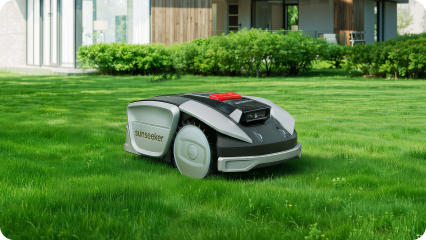
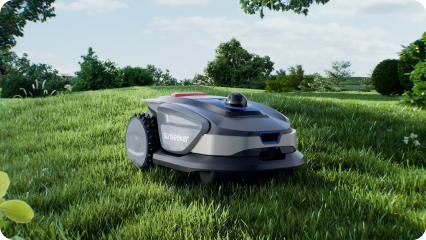
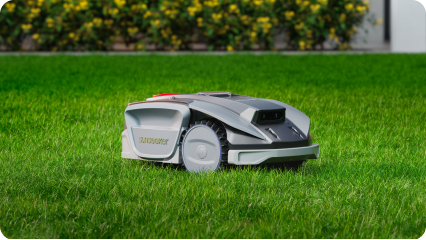
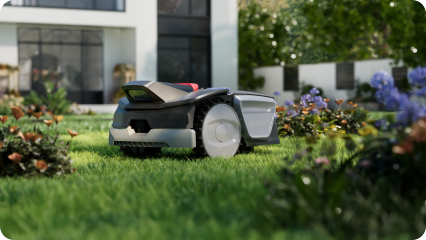
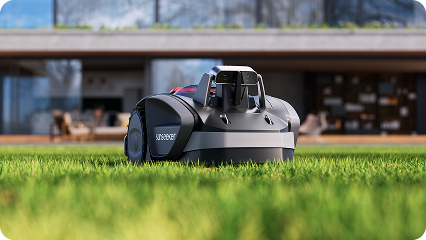
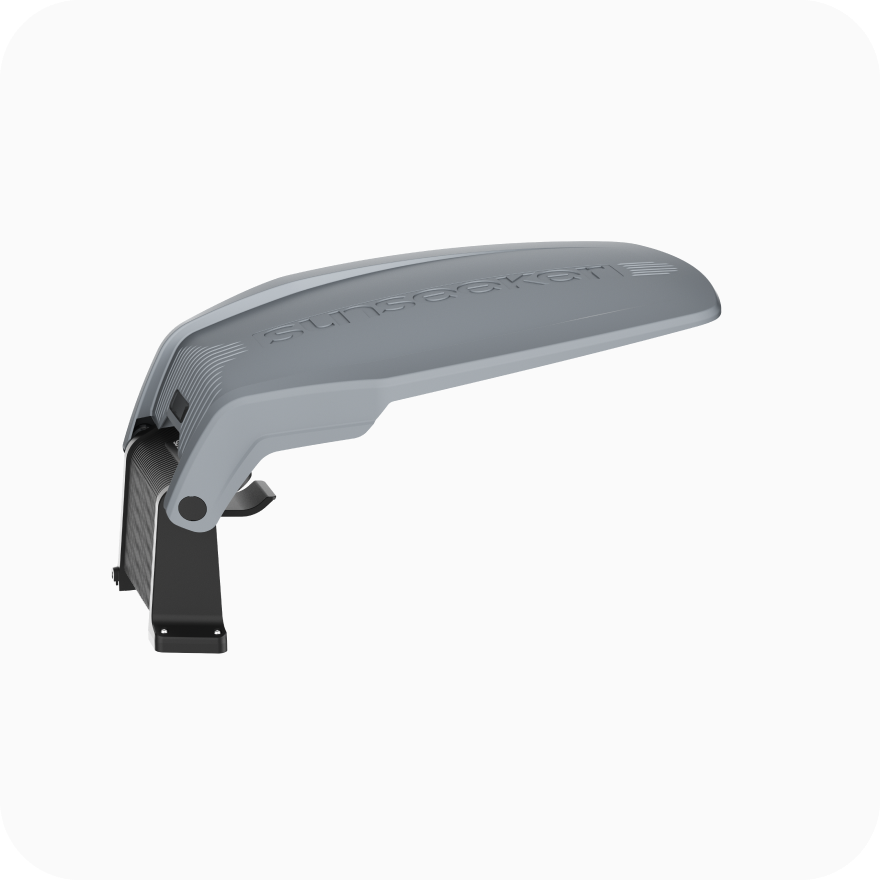
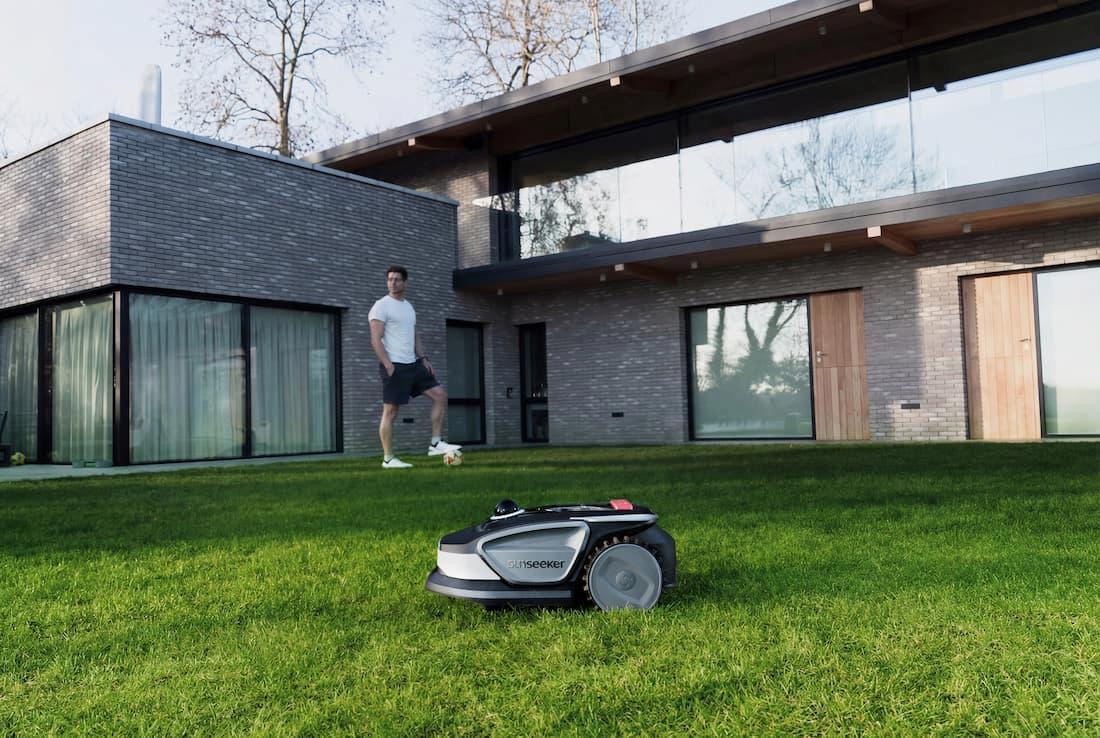
The Sunseeker S4 is a great example of a mower built for this kind of job. Powered by its dual-wheel rear drive and off-road wheels for enhanced traction, it boasts a robust 42% (22°) slope capability. The mower’s patented floating system adjusts smoothly to uneven terrain, while AllSense™ 3D Fusion Sensing (LiDAR + AI Vision) ensures precise navigation, 360° obstacle avoidance, and centimeter-level accuracy, even on complex slopes. It handles inclines with confidence, glides over small obstacles, and keeps your lawn evenly cut, all without you having to do the work.
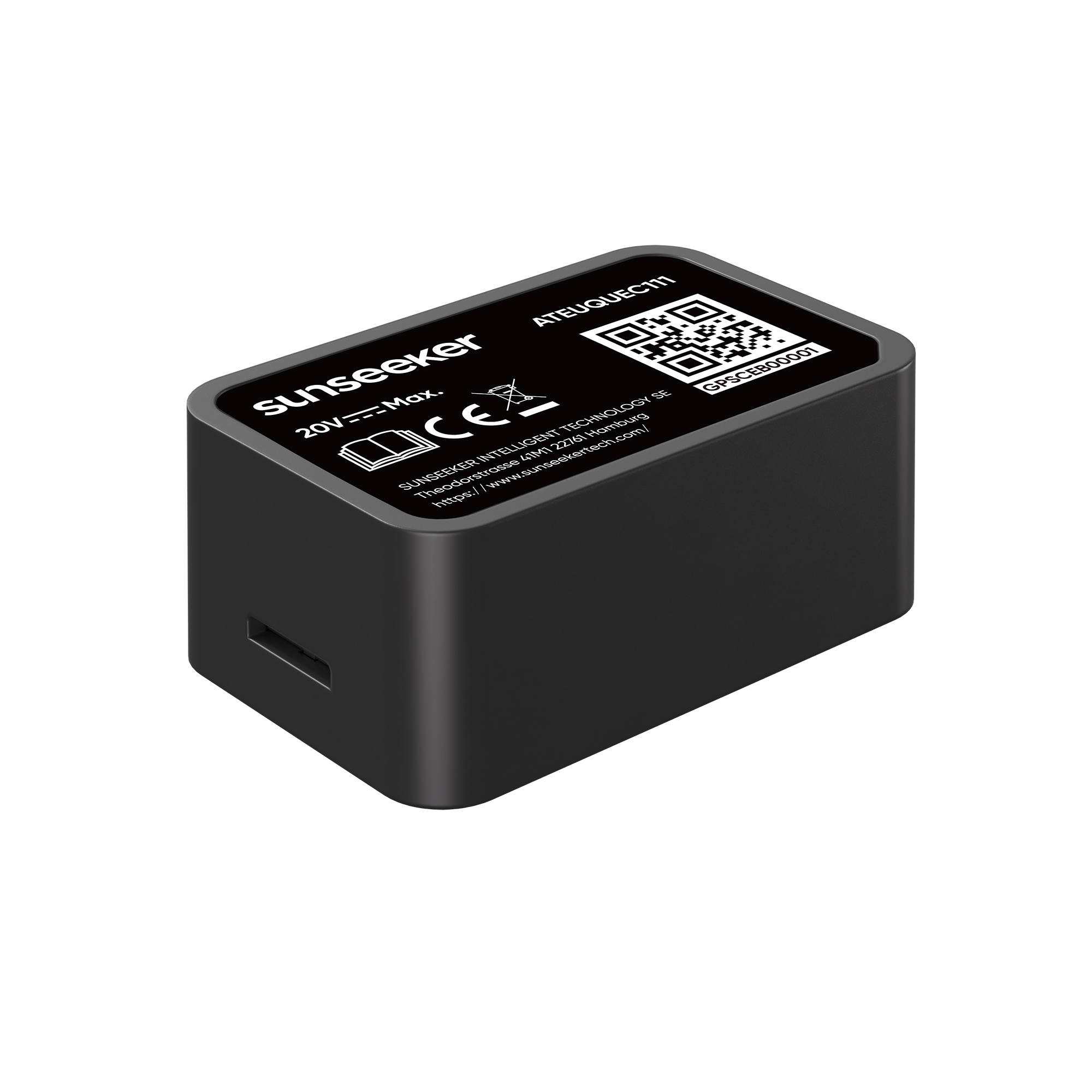
To further enhance control and peace of mind, pair the Sunseeker S4 with the 4G Module. This accessory adds reliable 4G LTE connectivity to enable remote monitoring and real-time status checks. It allows safe oversight from anywhere, ensuring your mower operates smoothly on steep terrain without constant on-site supervision.
Conclusion
So, how to mow a steep hill safely and effectively? It starts with understanding your slope, choosing the right mowing pattern, and following basic safety habits every time you mow. That said, the best way to mow a steep hill is often to use equipment designed for the job. Today, a robot lawn mower can take much of the effort and risk out of the process, offering reliable traction, smart automation, and peace of mind on uneven terrain. Want to make steep hill mowing easier? Check out the Sunseeker S4 and upgrade your lawn care routine today!
FAQ
What is the best way to cut grass on a steep hill?
If you are using a push mower, go side-to-side across the slope. It’s best to start at the bottom and angle slightly uphill with each pass to stay in control. For riding mowers, stick to mowing up and down on gentler slopes. For steeper areas, robotic mowers like the Sunseeker S4 can handle the job better.
Can I use a regular lawn mower on a steep hill?
You can use a regular lawn mower on a steep hill, but only within safe limits. Most standard push or riding mowers struggle on slopes over 15-20 degrees, where traction and stability become an issue. For steeper terrain, it’s safer to switch to specialized equipment like robotic or slope-rated mowers. Always check your mower’s slope rating before starting.
What is considered a mowable slope?
In general, slopes up to 10-15 degrees are manageable for most standard mowers with the right technique. Slopes between 15-25 degrees require more caution and better traction, so advanced or specialized mowers are often a better choice. Beyond that range, mowing becomes much riskier. For slopes over 25-30 degrees, it’s best to use robotic or professional equipment.