A healthy lawn does more than make your garden look good. It gives you a clean, comfortable space for relaxing, playing, and spending time outside. But mowing the wrong way can weaken the grass fast. Cutting too short, mowing at the wrong time, or leaving too long between cuts can lead to brown patches, weeds, and uneven growth.
So, how to mow a lawn the right way? In this guide, we’ll walk through the basics and provide simple tips that help your grass grow thicker and healthier.

Why Mowing Your Lawn Correctly Is Essential for a Healthy Yard?
Understanding the proper way to mow a lawn is essential because mowing directly affects your grass’s health, appearance, and long-term durability. It’s not just about keeping your yard neat, it’s about creating the right conditions for strong, consistent growth.
Here’s why learning how to mow the lawn correctly matters:
- Promotes stronger roots:Cutting grass at the right height allows it to retain enough leaf surface for photosynthesis, leading to deeper roots and better resistance to drought, pests, and disease.
- Encourages thicker, healthier turf:Regular mowing helps grass grow denser, making it harder for weeds to take hold.
- Improves soil health naturally:Leaving clippings on the lawn returns nutrients like nitrogen to the soil, reducing the need for extra fertilizer.
- Prevents lawn stress and damage:Cutting too much at once or mowing too short can weaken grass, making it more vulnerable to disease and environmental stress.
- Reduces erosion and runoff:A well-maintained lawn with deep roots helps stabilize soil and absorb water more effectively.
- Enhances overall appearance:Proper mowing keeps your lawn even, tidy, and visually appealing while preventing overgrowth.
In short, mowing the right way supports both the beauty and resilience of your lawn, making it easier to maintain a lush, healthy yard over time.
How to Mow the Lawn Correctly?
Learning how to properly mow a lawn is all about using the right technique, timing, and equipment. Follow this step-by-step grass cutting advice to keep your lawn healthy and looking its best:
Step 1: Check Lawn Conditions
Before mowing, make sure the grass is dry and the soil is not too wet. Wet grass can clog the mower and lead to uneven cuts, while soft soil can become compacted under the mower’s weight. Avoid mowing during frost too, as frozen grass blades can break easily. For most lawns, aim to keep the grass around 5–8 cm high, and avoid cutting off more than one-third of the blade at once.
Step 2: Prepare Your Equipment
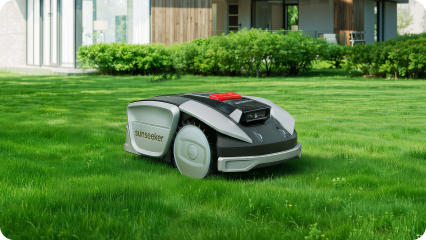
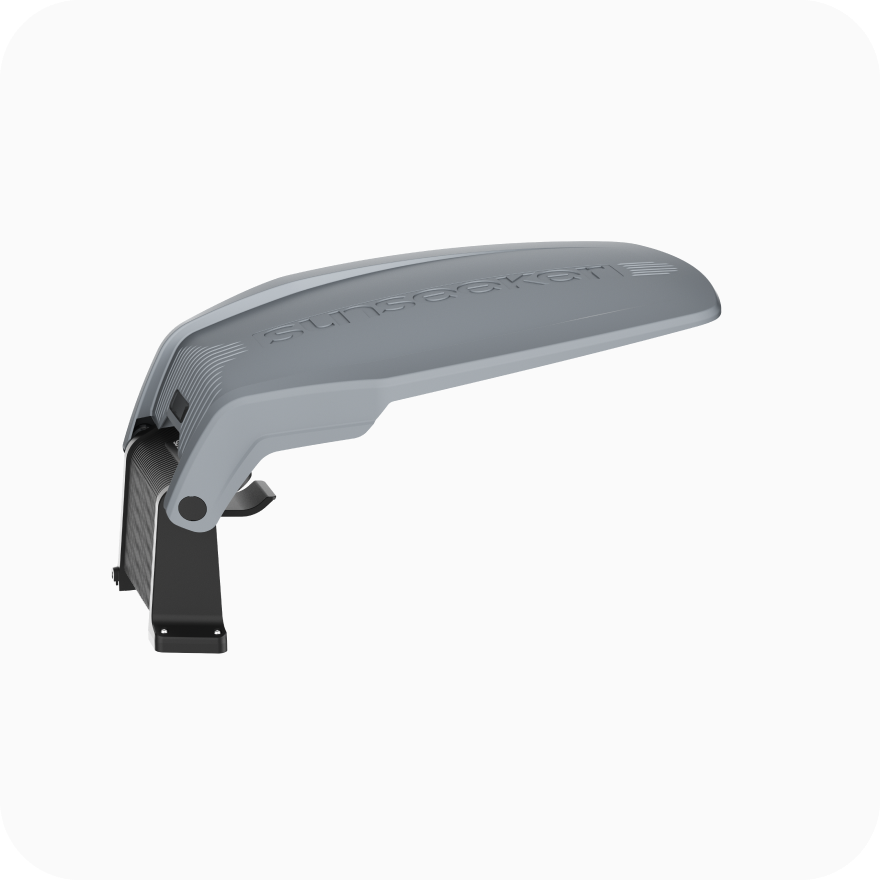
Make sure your mower blades are clean and sharp for a precise cut. Gather essentials like sturdy shoes, ear protection (if needed), and tools for edging and cleanup. To make lawn care more efficient, you can also consider smart solutions like the Sunseeker V1. This type of robotic mower helps maintain consistent cutting height and reduces manual effort, making it easier to follow proper mowing practices.
Step 3: Clear the Lawn
Remove debris such as sticks, stones, or outdoor items. This protects your mower and ensures a smooth, uninterrupted mowing process.
Step 4: Adjust Mower Height
Set your mower to cut no more than one-third of the grass height at a time. Keep grass slightly longer in cooler seasons and avoid cutting too short in summer to prevent stress.
Step 5: Start with the Edges
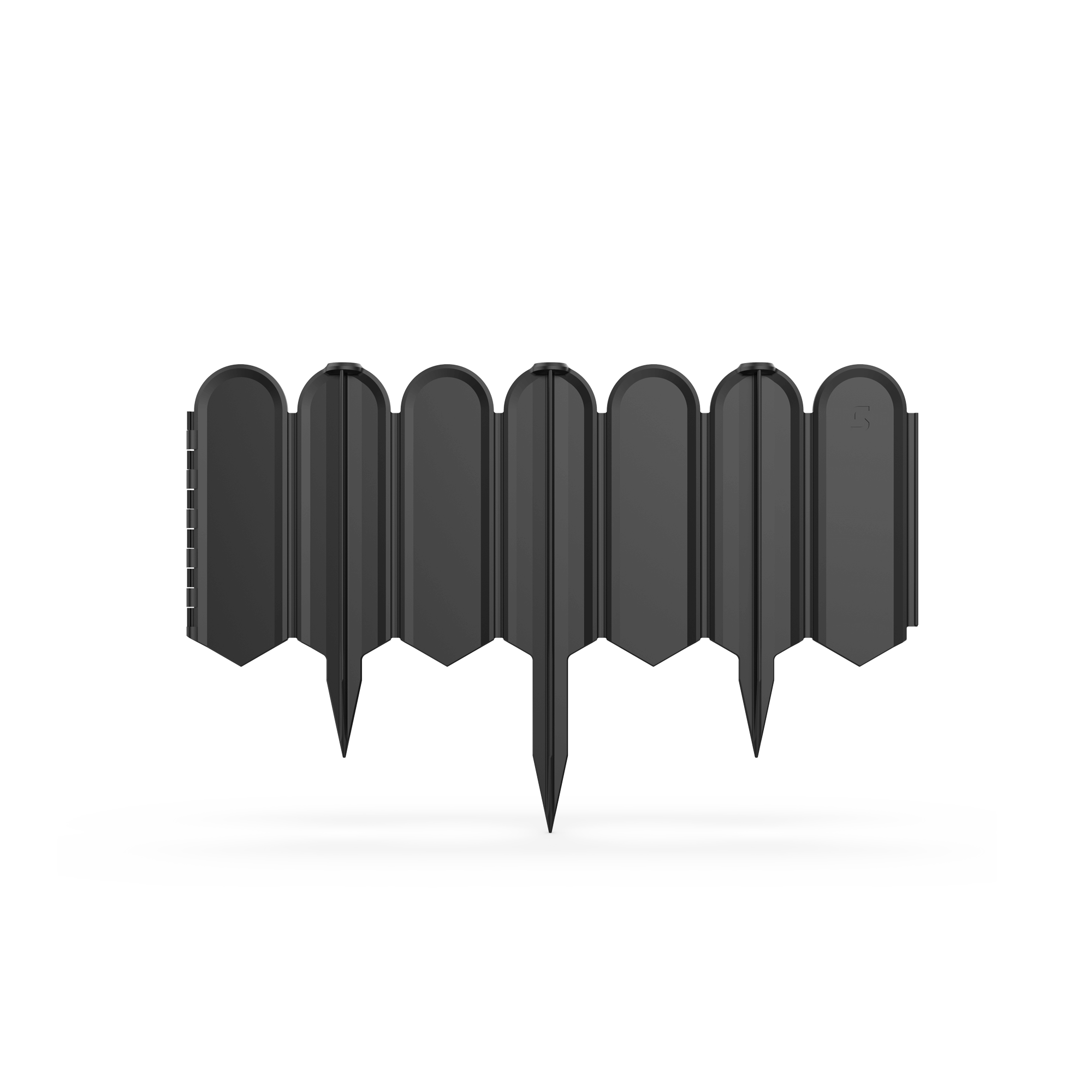
Mow around the edges first to create a clear border. This makes it easier to turn your mower and keeps lines neat.
Step 6: Mow in Straight Lines
Cut the lawn in straight, overlapping rows to avoid missed patches. For uneven lawns, divide the area into sections and work methodically.
Step 7: Manage Grass Clippings
Empty the collection box regularly to prevent clumping. In dry conditions, you can leave short clippings on the lawn to help retain moisture and return nutrients to the soil.
Step 8: Tidy Up the Edges
Use edging shears to trim borders for a clean, polished finish. This enhances the overall appearance of your lawn.
Step 9: Change Mowing Direction
Alternate your mowing pattern regularly to prevent wheel ruts and encourage upright, even growth.
By following these steps, you'll not only improve your lawn's appearance but also support healthier, more resilient grass over time.
More Tips for Mowing Lawns
These practical lawn mowing tips for beginners will help you refine your technique and keep your yard in top condition:
- Adjust mowing by season: How often mow lawn depends largely on the season and how quickly the grass is growing. Mow less frequently in spring and winter, and more often during summer when growth is faster. In the fall, gradually reduce mowing as growth slows.
- Mow at the right time: If you're wondering about the best time to mow lawn, early evening is often ideal. The grass is usually dry, temperatures are lower, and the lawn has time to recover before the next day's heat.
- Avoid cutting wet grass: Wet lawns can lead to uneven cuts, clumping, and wheel ruts. Always wait until the grass is dry for better results.
- Follow the one-third rule: Never remove more than one-third of the grass height at once. Cutting too short weakens the lawn and limits its ability to grow strong roots.
- Keep some length: Slightly longer grass helps with photosynthesis, providing the energy your lawn needs to stay healthy and green.
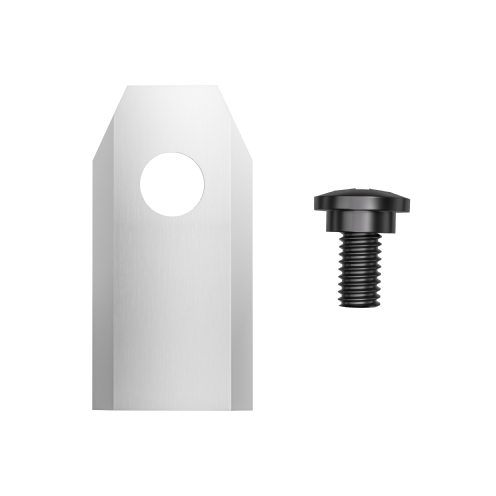
- Use sharp mower blades: Sharp blades ensure a clean cut, reducing stress and lowering the risk of disease. Dull blades tear the grass and damage its structure.
- Leave grass clippings when possible: Short clippings break down quickly and return nutrients to the soil, supporting natural lawn health.
- Be careful with new lawns: Wait until new grass reaches about 5–8cm before mowing, and avoid cutting too short during the first few trims.
Following these tips will make mowing easier while promoting a thicker, healthier lawn over time. For those looking to save time on regular mowing, advanced options like the Sunseeker V3 can handle routine trimming automatically. This helps keep your lawn neat and healthy without frequent manual mowing.

Conclusion
Knowing how to mow a lawn properly is key to maintaining a healthy, attractive yard. By mowing at the right height, using sharp blades, and following the one-third rule, you can promote stronger roots and thicker grass. Paying attention to timing, weather conditions, and mowing patterns also helps prevent damage and uneven growth.
FAQs
What is the best way to mow your lawn?
The best way to mow your lawn is to keep your mower set high and cut only the top one-third of the grass to promote strong roots. Always mow when the lawn is dry, ideally in the early evening, to avoid uneven cuts and stress. Use sharp mower blades for a clean trim, and leave clippings on the lawn to naturally return nutrients and support healthy growth.
Can mowing the lawn too often damage it?
Yes, mowing your lawn too often can damage it, especially if you cut it too short. Over-mowing can stress the grass, leading to yellow or brown tips, thinning areas, and even bare patches. It may also contribute to thatch buildup, which blocks water and nutrients. To avoid damage, follow the one-third rule and adjust your mowing schedule based on the season, grass type, and weather conditions.
Which direction should I mow the lawn?
The best direction to mow your lawn depends on your mower and how it disperses clippings. Aim to mow so that clippings fall onto the already-cut area, not onto uncut grass, to keep the finish even. It’s also important to change mowing directions each time, such as alternating rows, to prevent soil compaction and help grass grow upright and evenly.