A few shallow dips can make a lawn look rough and cause mower wheels to bounce, but filling every low spot with a thick pile of sand can create a new problem. Grass still needs light and air around the crown, and an abrupt layer of different material can change how water moves through the soil.
Sand leveling works best as gradual topdressing on healthy, actively growing turf. The job is to raise minor low spots a little at a time while keeping green blades visible. This guide shows how to decide if sand fits the problem, calculate a safe amount, spread it evenly, and care for the lawn afterward.
Is Sand the Right Choice for Your Uneven Lawn?
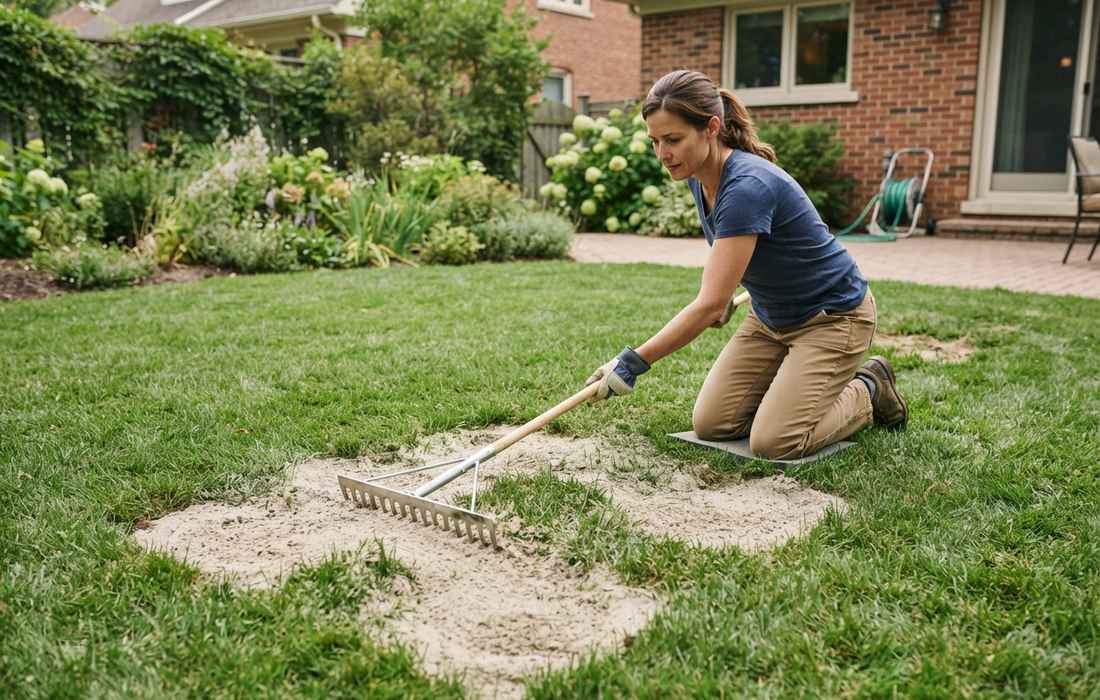
Sand is a good choice for leveling shallow dips, minor mower ruts, and small surface bumps where the grass is otherwise healthy. It works particularly well on lawns with sandy soil, as the new material blends more easily with the existing root zone. Apply a thin layer of around 0.5–1 cm at a time, allowing the grass to grow through before adding more.
For lawns with heavy clay or loamy soil, a screened topdressing mix that matches the existing soil is often more suitable than pure sand. This helps maintain a consistent soil structure and supports water movement through the root zone.
Deeper depressions need a different approach. If a hollow is several centimeters deep, lift the turf, fill underneath with compatible soil, and replace it at the correct level. Areas that repeatedly collect standing water may need drainage improvements or regrading. Fixing the underlying cause helps prevent the uneven surface from returning.
What Sand and Tools Do You Need?
A clean, consistent material and a few simple tools make thin applications much easier to control. Gather the items below before opening bags or tipping a bulk load onto the lawn.
Clean, screened sand: Use a washed or screened medium sand with no rubble, large stones, salt, or construction debris. Avoid very fine dusty material that can seal the surface when overapplied.
Compatible topdressing mix when needed: On loam or clay lawns, consider a screened sandy loam or soil-and-sand blend that is closer to the native soil instead of using pure sand year after year.
Leveling rake: A wide, flat leveling rake moves material off high points and into shallow dips without digging deeply into the turf.
Shovel and wheelbarrow: Small piles are easier to spread than one large mound. A wheelbarrow keeps the load moving without driving heavy equipment across the lawn.
Stiff broom or drag mat: After the main leveling pass, brushing works loose particles down through the grass canopy so leaf tips remain exposed.
Core aerator when compaction is present: Aeration is a separate treatment for dense soil. Sand can be brushed into open cores, but surface topdressing alone does not loosen a compacted root zone.
Markers and a straight board: Mark low spots before spreading, then use a board or long level across the surface to see which depressions still need attention.
How Much Sand Should You Apply?
Keep living turf visible. A practical home-lawn target is about 3 to 6 mm of topdressing in one pass, with the lower end safer on fine or stressed grass. Around 6 mm is a common upper limit for a light leveling pass over established turf. If the grass disappears under the material, pull some back before watering.
Calculate volume by multiplying lawn area by application depth. Convert the depth to metres first: 5 mm is 0.005 m. A 200 m² lawn at 5 mm needs about 1.0 m³; 500 m² needs about 2.5 m³. Measure only the area you plan to topdress.
Deep depressions should be staged. A 25 mm hollow would take several 5 to 6 mm applications if you want the existing grass to keep growing through. If one spot needs several centimetres of fill, lifting the sod and adding compatible soil underneath is faster and safer than trying to bury the grass in a single pass.
How to Level a Lawn With Sand Step by Step
The safest approach is a series of light corrections rather than one dramatic fill. Work on actively growing, reasonably dry turf and use the steps below to keep the surface visible as you level it.
Step 1. Prepare the Lawn Surface
Mow the lawn at a normal healthy height, slightly toward the lower end of the range if needed, and remove heavy clippings or leaves. Do not scalp the grass. Mark the low spots while they are still easy to see. If the ground is compacted, core aerate before topdressing so the surface correction is not being asked to solve a root-zone problem.
Step 2. Place Sand in the Low Spots
Drop small piles across the low areas rather than emptying one large heap in the centre. This keeps the material shallow and reduces the amount of dragging needed. On a broad, slightly uneven lawn, space the piles in a loose grid. On isolated dips, keep most of the sand within and just beyond the depression so high areas are not raised unnecessarily.
Step 3. Spread Sand With a Leveling Rake
Pull the leveling rake in long passes from several directions. The flat head should skim over higher turf and release material into the lower points. Cross the first passes at right angles, then step back and inspect the surface. Add small amounts where the rake still drops into a hollow instead of trying to correct the whole depth at once.
Step 4. Brush Sand Below the Grass Tips
Use a stiff broom, drag mat, or the back of the leveling rake to work material between the blades. Keep grass tips visible. If a patch looks like bare sand with no green showing, remove some material or spread it outward.
Step 5. Water Lightly
Apply a light irrigation to settle the particles and reveal remaining low spots. Avoid a heavy stream that washes sand into piles or carries it toward drains and paths. After the surface dries, inspect it again. Small dips can be touched up, but larger corrections should wait until the grass has clearly grown through the first application.
How to Care for the Lawn After Lawn Leveling?
The lawn needs time to grow through the new surface and show where settling has occurred. The care points below help the turf recover without undoing the leveling work.
Keep traffic light at first: Avoid repeated foot traffic and heavy equipment while the sand is loose, especially after watering when wheel marks can create new ruts.
Resume mowing only when the surface is firm: Wait until the sand has settled below the grass tips and the turf is dry enough that mower wheels do not sink or push material into ridges.
Use a sharp blade and normal mowing height: Do not cut extra low just to reveal the newly leveled surface. A normal canopy helps the grass keep photosynthesising as it grows through the topdressing.
Check the lawn again after 2 to 4 weeks of active growth: Some material will settle into the canopy and shallow depressions. Repeat only where the lawn has recovered and still needs another thin lift.
Address recurring wet spots separately: If the same low point stays saturated or sinks again, investigate runoff, downspouts, soil settlement, or drainage instead of adding more sand.
Aerate if compaction remains: Sand can smooth the surface, but core aeration is still the more direct treatment when dense soil is limiting air and water movement.
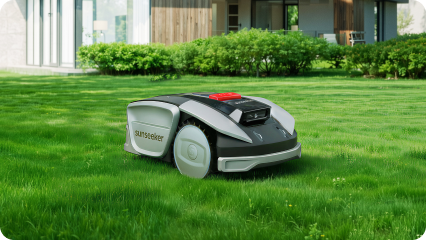
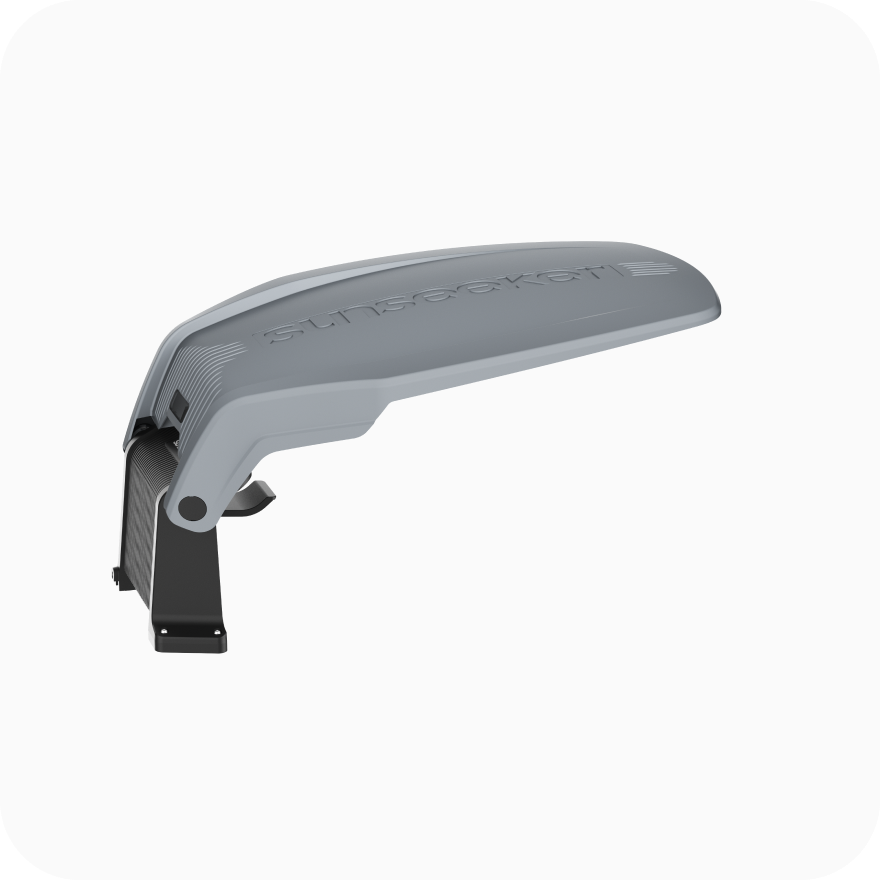
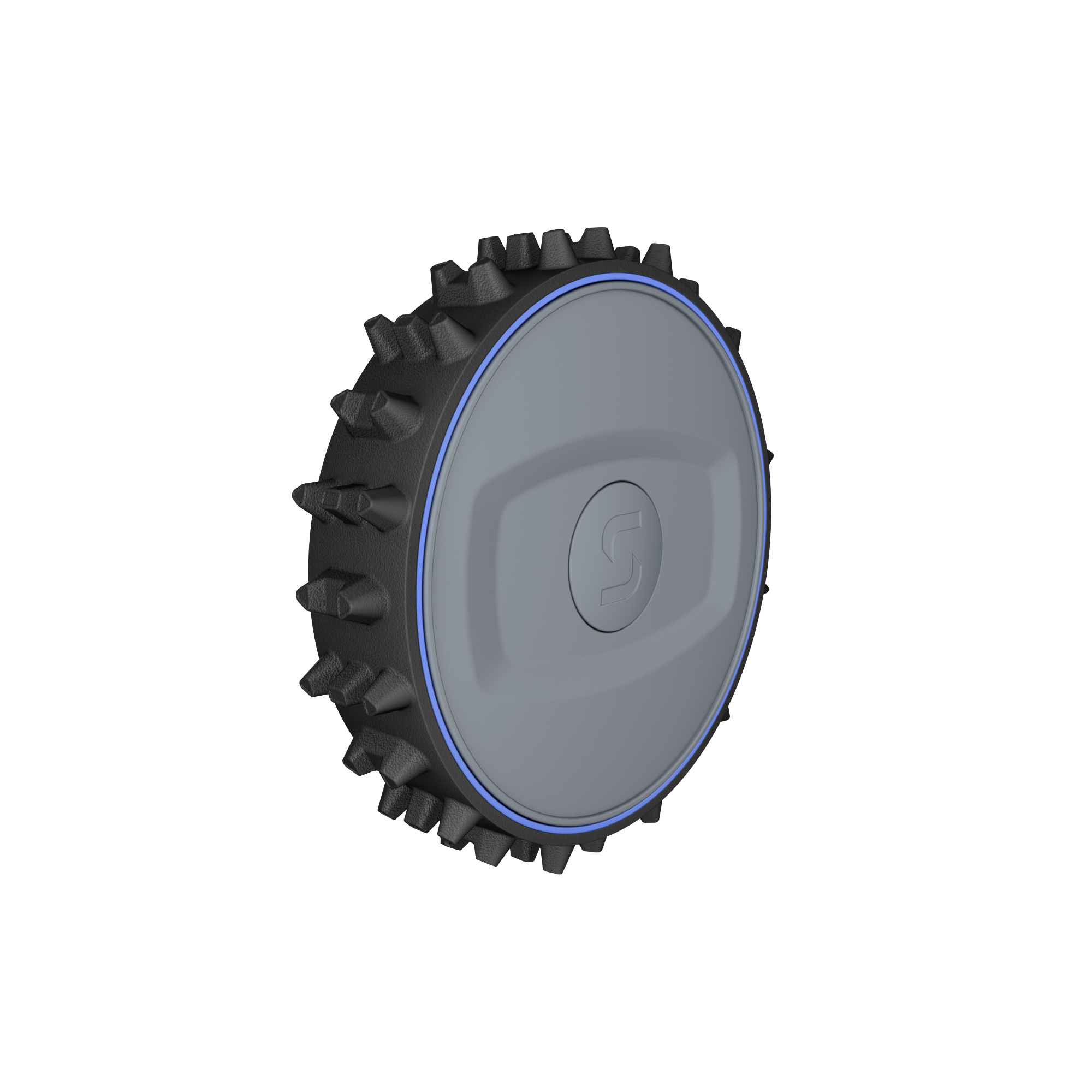
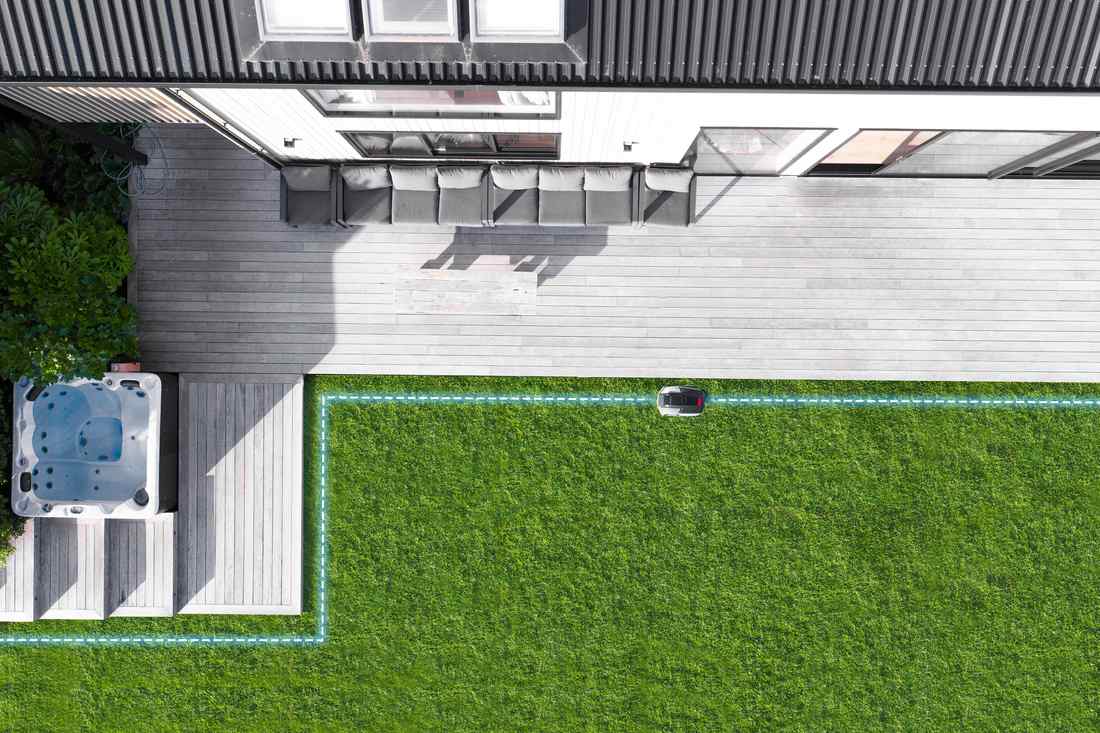
After leveling, allow the repaired areas to settle and the grass to recover before resuming regular mowing. For lawns with slopes or uneven terrain, the Sunseeker S5 offers all-wheel drive for slopes up to 60% (30°) and a floating cutting system that follows changes in the ground surface. Its adjustable cutting height of 20–60 mm helps maintain a consistent cut during routine lawn care.
Conclusion
Leveling with sand is a gradual surface treatment: choose compatible material, keep each pass around a few millimetres, leave green tips visible, and let the turf grow before repeating. Deep hollows, drainage failures, and major grade changes need a different repair. After the lawn is stable again, Robot Lawn Mowers without Perimeter Wires can return to routine maintenance without a buried cable that has to be moved when lawn edges or repaired areas change.
FAQs
Can you seed a lawn after leveling it with sand?
Yes, if the season suits the grass and the leveling pass is thin enough to leave a suitable seedbed. Seed should contact soil or a compatible topdressing mix rather than sit on a deep layer of clean sand, which holds little nutrient or organic matter. Keep the new seed moist and avoid further leveling until seedlings establish.
How soon can you mow after sand leveling?
For a light 3 to 6 mm topdressing during active growth, mowing is often possible after about 3 to 7 days, once the sand has settled, the grass is standing above it, and the surface is dry and firm. Heavier applications or slow growth may need longer. Stop if wheels leave tracks or the mower pushes sand into ridges.
Does adding sand remove the need for aeration?
No. Sand topdressing mainly changes the surface level and can fill aeration holes after coring, but it does not by itself remove deep soil compaction. If roots are shallow and water struggles to enter dense soil, core aeration may still be needed. Treat the compaction first, then use compatible topdressing to smooth the surface.