Although growing a lawn from seed may seem simple, several common mistakes can affect the results. Uneven soil, leftover weeds, and poor watering can prevent seeds from growing properly, leaving bare patches or areas with thin grass.
To avoid these problems, it's important to understand how to lay a lawn from seed correctly. This guide explains when to plant grass seed, how to prepare the soil, and how to care for your new lawn to encourage healthy, even growth.

When Is the Best Time to Seed a New Lawn?
The best time to seed a new lawn depends mainly on the grass type and local climate. Cool-season grasses establish best during mild weather, while warm-season grasses need consistently warm conditions. Choosing the right seasonal window gives seedlings more time to develop before heat, frost, or dormancy slows growth.
Cool-Season Grasses: Late Summer to Early Fall
Late summer to early fall is usually the best time to seed cool-season grasses such as Kentucky bluegrass, perennial ryegrass, and tall fescue. The soil is still warm enough for germination, while cooler air reduces moisture loss and heat stress.
Spring can also work after the soil has warmed and the ground is no longer frozen or waterlogged. However, spring-seeded grass has less time to establish before summer heat and drought arrive.
Aim to sow early enough for seedlings to develop several weeks before regular frost or winter dormancy. During germination, keep the upper soil layer consistently moist without leaving it saturated. Avoid very hot, dry periods or sowing so late that young roots have little time to establish.
Warm-Season Grasses: Late Spring to Early Summer
Warm-season grasses such as Bermuda grass and zoysia are better seeded in late spring to early summer, after frost risk has passed and the soil has warmed consistently.
Warm weather supports faster germination and gives young grass a long growing season to develop stronger roots. Seeding too early can delay emergence because the soil is still cool, while planting too late in summer may leave seedlings with too little warm weather before autumn growth slows.
Choose a period with stable warmth and reliable access to water. Keep the seedbed evenly moist during germination, then gradually reduce watering frequency as the new grass becomes established.
What Should You Prepare Before Sowing?
Before planting grass seed, gather the right materials and prepare the area. This will make the planting process easier and help prevent problems such as uneven growth, poor germination, and soil drying out.
Here is what you will need:
Suitable grass seed: Choose a seed mixture that matches your lawn's conditions. For example, use shade-tolerant grass for areas with limited sunlight or a hard-wearing mixture for lawns with frequent foot traffic. Check the product label for the recommended growing conditions.
Enough seed for your lawn: Measure the length and width of the area to calculate its size in square metres. Then check the seed packet to determine how much seed you need. Different grass mixtures may require different sowing rates.
Clean, level soil: Remove weeds, stones, roots, old grass, and other debris before planting. Fill any holes and level raised areas to create a smooth surface for your new lawn.
A rake and soil roller: Use a rake to loosen and level the soil. A lightweight roller or gentle foot pressure can then help firm the surface without making it too compact.
A seed spreader or container: A spreader helps distribute grass seed evenly. If you are spreading seeds by hand, divide them into two equal portions to make the process easier.
A watering tool: Use a sprinkler, watering can with a fine rose, or hose with a gentle spray nozzle. This allows you to water the soil without washing away the seeds.
Temporary lawn protection: Bird deterrents, garden fleece, or simple barriers can help protect newly planted seeds from birds, pets, and people walking across the lawn.
Once you have everything ready, you can begin preparing the soil and planting your grass seed.
How to Lay a Lawn From Seed Step by Step
Growing a lawn from seed requires more than scattering seeds over bare ground. Each step, from clearing the area to watering the soil, helps create the right conditions for healthy grass growth. Follow these five steps to establish your new lawn.
Step 1. Remove Weeds, Debris, and Old Growth
Start by clearing the area where you want to grow your lawn. Remove existing weeds, unwanted grass, stones, roots, and other debris. Make sure to pull out perennial weeds along with their roots to reduce the chance of them growing back. If you have used a weed killer, check the product instructions to find out how long you should wait before planting grass seed.
Avoid burying thick layers of old grass or other plant material beneath the soil. As these materials break down, the ground may sink unevenly and create small holes. They can also prevent grass roots from developing properly. After clearing the area, check that the soil is free from large debris before moving on to the next step.
Step 2. Loosen, Level, and Firm the Soil
Once the area is clear, loosen the top layer of soil with a garden fork or rake. This helps break up hard soil and creates space for new grass roots to grow. Next, break apart large clumps of soil and use a rake to level the surface. Fill any low spots and smooth out raised areas so water does not collect in puddles after rain or watering.
After levelling, gently firm the soil using a lightweight roller or by walking over it with small, even steps. The ground should feel firm but not hard. When you step on it, your shoes should leave only shallow footprints. This step is important because loose soil can sink after watering, leaving an uneven lawn. If the surface still feels too soft, rake and firm it again until it is smooth and stable.
Step 3. Divide the Seed and Sow in Two Directions
After preparing the soil, measure the amount of grass seed needed using the recommended rate on the packet. Divide the seeds into two equal portions before spreading them. Spread the first half of the seeds evenly across the area while walking in one direction. Then spread the remaining half while walking across the area in the other direction.
This method, known as cross-sowing, helps prevent missed areas and reduces the chance of creating thick strips of grass. Try to maintain a steady walking pace and spread the seeds as evenly as possible. Avoid adding too many seeds to one spot, as overcrowded seedlings will compete for water, sunlight, and nutrients. Once the seeds are evenly distributed, they are ready to be lightly worked into the soil.
Step 4. Rake the Seed in Lightly
After spreading the seeds, use a rake to gently mix them into the top layer of soil. You do not need to bury them deeply. The goal is to make sure the seeds touch the soil so they can absorb the moisture needed for germination. If the seeds are buried too deeply, the young grass may struggle to reach the surface. This can slow growth or prevent some seedlings from emerging.
Once you have finished raking, gently firm the soil again to improve contact between the seeds and the ground. This also helps keep the seeds in place when you begin watering. Be careful not to press too hard, especially if the soil is wet, as compacted soil can make it difficult for roots to grow.
Step 5. Water With a Fine Spray
After planting, water the area gently using a sprinkler or fine spray. Make sure the top layer of soil is evenly moist, but avoid using so much water that puddles form. During germination, check the soil surface every day and water whenever it begins to dry out. Grass seeds need consistent moisture to germinate, so allowing the soil to dry completely can affect how evenly they grow.
How often you need to water depends on the weather. Hot or windy days may require several light watering sessions, while cooler or cloudy days may need less frequent watering. As the seedlings grow and their roots become deeper, gradually water less often but more thoroughly. This encourages the roots to grow further into the soil and helps the lawn become stronger.
How Do You Care for the Lawn Until the First Mow?
After sowing, your grass seed needs time and proper care to develop into a healthy lawn. During the first few weeks, the most important tasks are keeping the soil moist, protecting the seedlings, and allowing the roots to grow strong enough to support mowing.
Keep the Seedbed Evenly Moist
Before the seeds germinate, keep the top layer of soil consistently moist. If the surface dries out repeatedly, the seeds may struggle to germinate or grow unevenly. Once you notice small green shoots appearing, continue watering gently. As the grass becomes stronger, you can gradually allow the soil surface to dry slightly between watering sessions. This encourages the roots to grow deeper in search of moisture.
However, avoid overwatering. Soil that stays soaked for too long may not contain enough oxygen for healthy root development. If you notice puddles forming, reduce the amount of water you use and check whether the soil has drainage problems. The goal is to keep the soil moist without leaving it waterlogged.
Protect Seedlings From Birds and Foot Traffic
Newly planted grass seeds can attract birds, especially before they germinate. To protect small areas, you can cover the soil with lightweight garden fleece. This can also help retain moisture while the seeds begin to grow. Once the young grass starts pushing through the covering, carefully remove or lift it to avoid damaging the seedlings. For larger lawns, bird deterrents can help reduce the number of seeds lost to birds.
You should also avoid walking on the newly seeded area. Keep children, pets, garden furniture, and heavy equipment away until the grass is well established. Young grass has delicate roots that can be damaged by pressure. Even a single footprint in soft soil can disturb the seedlings and leave an uneven patch as the lawn grows.
Wait for Established Growth Before the First Cut
It may be tempting to mow your new lawn as soon as the grass starts looking tall. However, cutting too early can damage young grass that has not yet developed strong roots. Instead, wait until most of the grass reaches approximately 7–8 cm in height. You can also gently tug a few blades to check whether the roots are firmly established. If the grass comes loose easily, give it more time to grow.
When the lawn is ready, use a mower with a sharp blade and set the cutting height relatively high. Remove no more than one-third of the grass height during the first mow to reduce stress on the plants. Always mow when the grass is dry, and avoid using a mower that pulls or lifts young seedlings out of the ground.
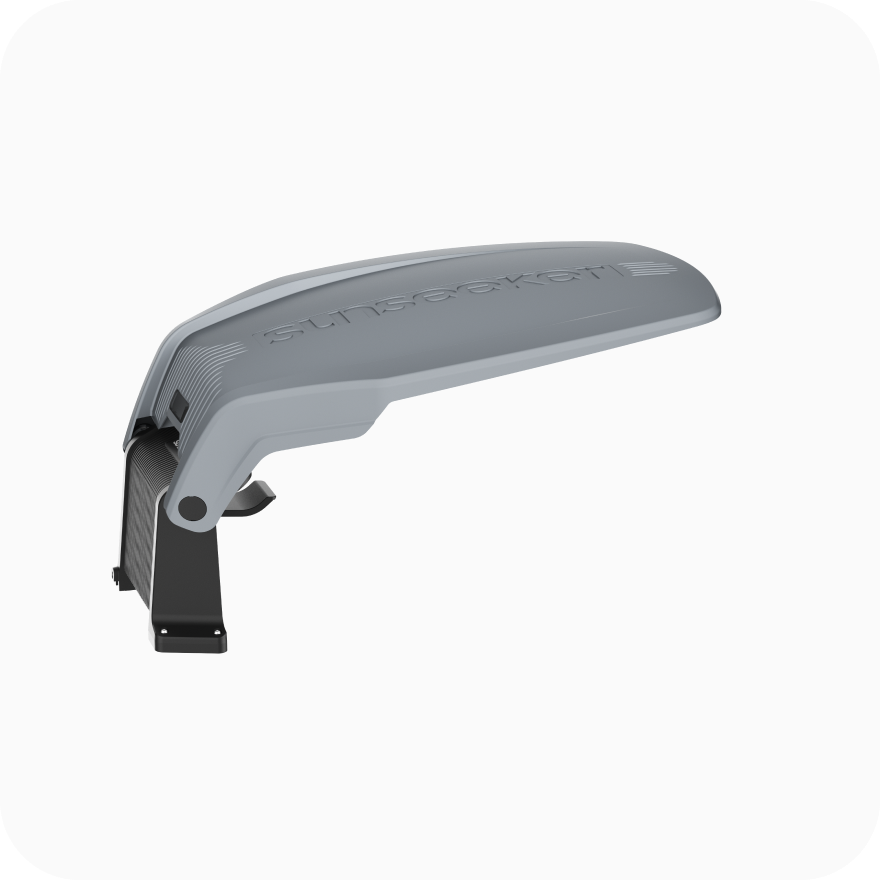
After the first successful cut, regular mowing will help encourage thicker, more even grass growth. If you prefer an easier way to maintain your lawn, the Sunseeker S4 robotic lawn mower is designed for routine mowing without requiring boundary-wire installation. Its AllSense™ navigation and drop-and-go setup can make ongoing lawn maintenance more convenient once your new grass is established and ready for normal mowing.

Conclusion
Learning how to lay a lawn from seed is easier when you follow the right steps. Start by choosing suitable weather, preparing a clean and level seedbed, and spreading the seeds evenly. Then keep the soil moist and protect the young grass while it develops strong roots.
Once your lawn is established, regular mowing will help keep the grass healthy and encourage thicker growth. Robot lawn mowerscan make that ongoing maintenance easier by helping you maintain a consistent mowing routine.
FAQ
How Long Does Grass Seed Take to Germinate?
Many lawn mixtures begin germinating in about 7–10 days under warm, moist conditions, but a mixed seed bag rarely emerges all at once. Ryegrass can appear first, while fescues and especially some bluegrasses may take two to three weeks or longer. Judge success by steady emergence across the area, not the first green shoots.
What Should You Do if Heavy Rain Moves Newly Sown Seed?
If heavy rain washes your grass seed into piles or leaves bare patches, wait until the ground is firm enough to walk on without leaving deep footprints. Then gently rake apart any piles of seed and spread additional seed over areas where it has washed away. Lightly rake and firm the repaired areas to improve contact between the seeds and soil. Avoid working on the lawn while the soil is still saturated, as walking on wet ground can create deeper holes and make the surface more uneven.
Can a Newly Seeded Lawn Survive a Light Frost?
Yes, ungerminated seeds of cool-season grasses can usually survive a brief light frost. However, newly emerged grass is more sensitive to freezing temperatures because its leaves and roots are still developing. If frost is expected, avoid heavy watering in the evening that leaves the soil saturated overnight. Once temperatures rise, return to your normal watering routine and check whether any seedlings have been damaged. For the best results, try to plant grass seed early enough for the young lawn to become established before freezing weather arrives.