A patch of grass can turn brown, feel soft underfoot, or lift away from the soil with very little effort. Birds may also start digging in the same area. These signs can point to grubs feeding on the roots, but drought, disease, and other lawn problems can look similar.
Before using a grub killer, check the soil and make sure grubs are really there. This guide shows how to spot lawn grub damage, check how active the insects are, choose the right treatment, and help the grass recover afterward. A quick check first can save you from treating the wrong problem.

How Can You Confirm Grubs Are Causing the Damage?
Brown grass, weak roots, and animal activity can all suggest a grub infestation. However, drought, lawn diseases, and other pests can cause similar problems. To find out whether grubs are responsible, look for the following signs and check the soil for live larvae.
Brown Patches and Spongy Turf
One common sign of grub damage is the appearance of irregular yellow or brown patches across your lawn. As grubs feed on the roots, the grass becomes weaker and may start to feel soft or spongy underfoot. These damaged areas can continue to spread even when the lawn receives enough water.
However, brown grass alone does not confirm a grub infestation. Check whether the soil is dry or moist, and compare the affected grass with healthier areas nearby. If the soil is moist but the grass has weak roots and pulls up easily, grubs may be responsible.
Loose Sod and Damaged Roots
Because grubs feed on grass roots, they can make sections of your lawn easier to lift from the soil. To check for this damage, cut three sides of a small square section of grass and carefully lift it back. Healthy grass should stay firmly attached to the ground, while grub-damaged grass may peel back easily because its roots have been eaten.
After lifting the grass, inspect the soil underneath for white, C-shaped grubs with brown heads. Check several areas rather than relying on a single spot, since grubs are not always spread evenly across the lawn. Finding one or two grubs does not necessarily mean the entire lawn needs treatment.
Birds, Skunks, or Raccoons Digging for Grubs
If you notice birds, skunks, raccoons, or other animals repeatedly digging in your lawn, they may be searching for grubs beneath the surface. These animals often feed on soil insects, so their activity can be another sign of a possible infestation.
However, animals may also dig for earthworms or other insects. If the digging occurs near brown or damaged grass, inspect the soil along the edges of those patches. Grubs may be easier to find where damaged grass meets healthy grass than in areas where the turf has already died.
Soil Sampling and Grub Counts
The most reliable way to confirm a grub infestation is to examine the soil directly. Cut and lift several sections of grass measuring approximately 30 × 30 cm, then count the live grubs you find near the roots. Finding around 5–10 grubs per square foot may indicate a problem, although the number that justifies treatment depends on the grub species and the condition of your lawn.
For example, healthy grass with strong roots may tolerate more grubs without serious damage, while grass weakened by drought may suffer even when fewer grubs are present. For this reason, consider both the number of grubs and the condition of your lawn before deciding whether treatment is necessary.
What Kills Grubs in a Lawn?
Several treatments can help control lawn grubs, but the best option depends on the type of grub, its growth stage, and the severity of the infestation. Some treatments work best before grubs hatch, while others are designed to control larvae that are already feeding on the roots.
The table below compares common grub-control options and explains when each one may be useful.
| Option |
Best timing |
Best use |
Key limitation |
| Beneficial nematodes |
When young grubs are actively feeding near grass roots |
Biological control of confirmed grub infestations |
Requires suitable nematode species, moist soil, and proper application conditions |
| Preventive grub-control products |
Before or around egg hatching |
Lawns with a history of recurring grub damage |
Must be applied at the right time and may be unnecessary for lawns with little risk |
| Curative grub killers |
When young or medium-sized grubs are actively feeding |
Existing infestations with enough grubs to justify treatment |
May become less effective against larger or deeper grubs |
| Milky spore |
When Japanese beetle grubs are the target and the product is permitted locally |
Long-term biological control in suitable climates |
Highly species-specific; it is not a general control for every grub |
If you choose a chemical grub treatment, always read the product label before applying it. Make sure it is approved for residential lawns and effective against the type of grub you want to control. Follow the recommended application rate, watering instructions, and safety precautions, as product requirements and local regulations may vary.
How to Treat a Grub-Infested Lawn Step by Step
Once you have confirmed that grubs are damaging your lawn, the next step is to choose and apply the right treatment. Following a clear process can help you control the infestation without using more product than necessary. Here is how to treat your lawn and check whether the treatment has worked.
Step 1. Confirm Active Grubs in the Damaged Area
Before applying any treatment, inspect several areas around the damaged grass. Lift small sections of turf, count the live grubs, and check whether the roots have been eaten. If you find only a few grubs and the grass still has strong roots, another problem may be causing the damage.
If you find enough grubs to justify treatment, mark the affected areas so you know where to focus. Because grub populations are often unevenly distributed, you may not need to treat the entire lawn. However, always follow the product label to determine whether treating specific areas is appropriate.
Step 2. Match the Treatment to the Grub Stage
Once you know where the grubs are, examine their size to help determine the most suitable treatment. Newly hatched grubs are generally easier to control, while larger grubs may require a different approach. Check local recommendations and the product label to make sure the treatment is appropriate for the type and growth stage of the grubs.
If you prefer a biological option, beneficial nematodes may be suitable for certain grub species. However, different nematodes target different pests, so choosing the right type is important. Follow the storage and application instructions carefully to keep them alive and effective.
Step 3. Apply Evenly and Water In as the Label Requires
Before applying the treatment, measure the affected area and prepare your spreader or sprayer according to the product instructions. Apply the recommended amount evenly to avoid missing sections or using too much product in one area.
Some grub treatments must be watered into the soil after application so they can reach the grubs near the roots. If watering is required, follow the instructions for when and how much to water. For beneficial nematodes, apply them under suitable temperature and moisture conditions, since excessive heat and dry soil can reduce their survival.
Step 4. Recheck the Lawn Before Repairing Bare Spots
After applying the treatment, allow enough time for it to work before checking the soil again. Follow the product's recommended waiting period, then inspect the previously affected areas for live grubs and signs of continued root damage.
If grub numbers have decreased and the remaining grass is no longer becoming loose, you can begin repairing the damaged sections. Waiting until the infestation is under control helps prevent new grass from being damaged by grubs that are still feeding.
When Is the Right Time to Treat Lawn Grubs?
The best time to treat lawn grubs depends on their growth stage. Young grubs are usually easier to eliminate because they are smaller and feed closer to the soil surface. Understanding when they hatch and become active can help you choose a treatment that works more effectively.
Preventive Treatment for Newly Hatched Grubs
Preventive grub treatments are designed to control grubs before they grow large enough to cause serious damage. These products are usually applied before or around the time beetle eggs hatch, often in early to midsummer. However, the exact timing depends on the beetle species and your local climate.
Preventive treatment is generally most useful for lawns that have experienced repeated grub infestations. If your lawn has no history of serious grub damage, applying these products every year may be unnecessary. Instead, monitor the lawn for signs of infestation before deciding whether preventive treatment is needed.
Curative Treatment During Active Feeding
Curative treatments are used when grubs are already present and actively feeding on grass roots. These treatments tend to work best against small or medium-sized grubs that are still close to the surface. Before applying a product, inspect the soil to confirm that live grubs are present and that the treatment is suitable for their growth stage.
Many grub-control products also need to be watered into the soil after application. This helps move the treatment toward the roots, where grubs are feeding. Always follow the product label for watering instructions, since applying too little or too much water may affect the results.
Mature Spring Grubs and Lower Treatment Effectiveness
By spring, many grubs that survived the winter have grown larger and become more difficult to control. As a result, treatments that work well against young grubs may be less effective at this stage. If the damage is limited, it may be better to focus on repairing the grass and monitoring the lawn for the next generation of grubs.
Even if you do not treat the lawn immediately, checking for grubs in spring can still be useful. It helps you identify where the damage occurred and which areas may need closer attention later. Keep track of these locations so you can inspect them again when young grubs become active in summer.
What Should You Do After Grub Treatment?
Getting rid of grubs is only part of restoring a healthy lawn. Even after the infestation is controlled, damaged grass may not recover if too many roots have been lost. Depending on the condition of your lawn, you may need to remove dead grass, reseed bare patches, or install new sod.
Remove Loose Dead Turf
Start by removing grass that is completely dead or has lost most of its roots. Use a rake to clear away loose turf and debris, but leave any grass that is still firmly rooted in place. Healthy grass may recover naturally once grubs are no longer damaging the roots.
After removing the dead grass, gently loosen the exposed soil to prepare it for new growth. Avoid digging too deeply or disturbing nearby healthy grass. The goal is to create a suitable surface for new seeds or sod without causing additional damage.
Reseed or Sod Areas With Root Loss
Once the damaged areas are cleared, decide whether they need reseeding or new sod. Small gaps may gradually fill in if you have a spreading grass variety, but larger bare patches usually need more attention. Reseeding is often suitable for smaller damaged areas, while installing sod can provide faster coverage. Whichever method you choose, repair the lawn when growing conditions are favorable and keep newly planted grass properly watered.
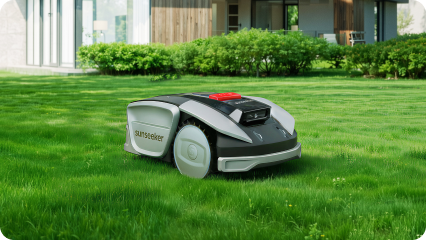
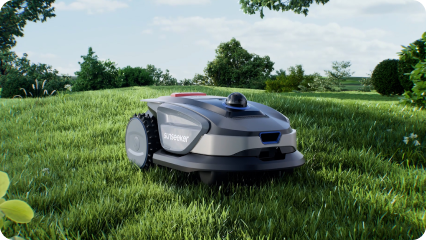
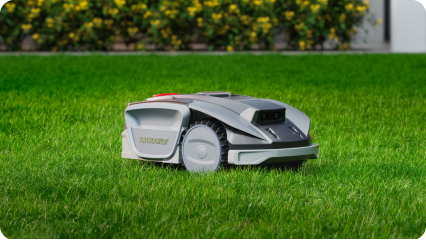
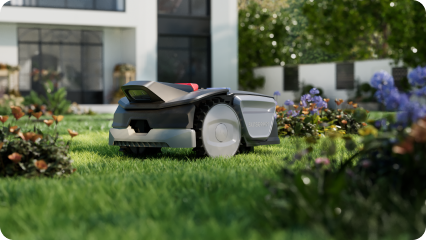
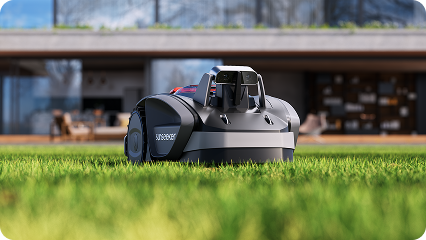
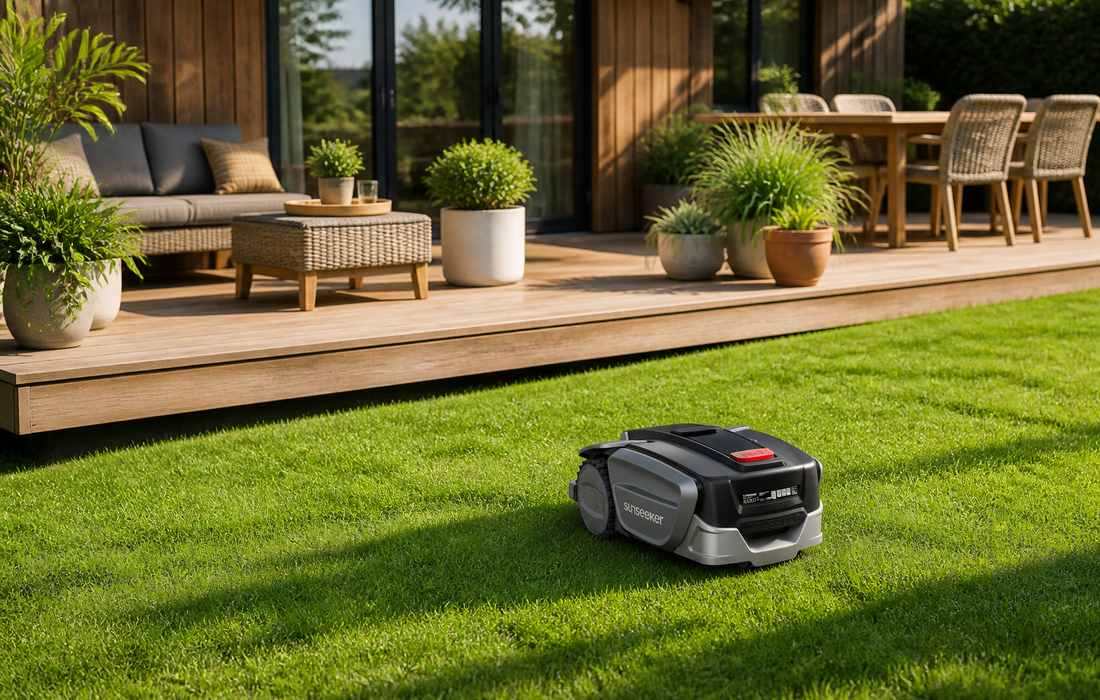
After the repaired grass has developed strong roots, regular mowing can help maintain a healthy, even lawn. For larger properties or lawns with slopes, the Sunseeker S5 robotic lawn mower offers a convenient way to handle routine mowing. It features all-wheel drive (AWD) and DualFusion™ positioning, making it suitable for maintaining established lawns of up to approximately 1,600 m².
Monitor New Damage Before Repeating Treatment
After repairing your lawn, continue checking the previously affected areas for signs of new damage. Watch for wilting grass, loose turf, or animals digging in the soil. If these signs appear again, inspect the ground for live grubs before applying another treatment.
It is also helpful to record when and where grub damage occurs. This information can make it easier to identify recurring problems and choose the right time for treatment in the future.
Conclusion
Knowing how to kill grubs in lawn areas starts with identifying the problem and choosing the right treatment. Check the soil for active grubs, consider their size and numbers, and apply a suitable treatment only when necessary. Once the infestation is controlled, repair damaged grass with seed or sod and monitor the lawn for new signs of damage.
Regular lawn care is also important after recovery. Keeping the grass properly watered and mowed can help maintain stronger roots and healthier growth. Robot lawn mowers can make routine mowing easier, allowing you to spend less time cutting grass and more time checking your lawn for potential problems.
FAQ
Do Lawn Grubs Die During Winter?
No, many common lawn grubs can survive winter by moving deeper into the soil as temperatures drop. They remain underground during the colder months and move closer to the surface when the soil warms in spring. Because of this, grub damage may stop temporarily during winter even though the larvae are still alive. The exact life cycle depends on the grub species and local climate, so a lack of visible damage during winter does not necessarily mean the infestation has disappeared.
Can a Healthy Lawn Tolerate a Few Grubs?
Yes, a healthy lawn can usually tolerate a small number of grubs without showing serious damage. As a general guideline, finding around 5–10 grubs per square foot may justify treatment, although some lawns can tolerate more while others may be damaged by fewer.
Before deciding to treat, consider the condition of the grass, the strength of its roots, and whether the damaged areas are expanding. If the lawn remains healthy and grub numbers are low, regular monitoring may be enough.
Do Lawn Grubs Turn Into Beetles?
Yes, lawn grubs are the larvae of several types of beetles, including Japanese beetles, June beetles, and chafers. These grubs live in the soil and feed on grass roots before developing into adult beetles. As they mature, the grubs enter the pupal stage and eventually emerge from the soil as adults. Understanding this life cycle can help you predict when beetles may lay eggs and when the next generation of young grubs is likely to appear.