When snow melts, a lawn may suddenly show narrow trails, flattened grass, and small holes near beds or shrubs. Young trees can also have fresh chew marks near the base. Voles are one possible cause, but similar damage can come from other animals, so it helps to check the signs before you start trying to remove anything.
This guide shows how to recognise vole damage, confirm whether voles are active, and choose practical ways to reduce the problem. You’ll also see how to protect young plants and repair damaged grass. The sooner you know what is causing the damage, the easier it is to stop it spreading.
How Can You Confirm Voles Are Damaging the Lawn?
Voles usually stay close to the ground and create narrow paths through grass and other vegetation. Unlike moles, they do not typically leave raised tunnels. To determine whether voles are damaging your lawn, look for the following three signs.
Surface Runways Through the Grass
One of the clearest signs of vole activity is a network of narrow paths running through your lawn. These paths form when voles repeatedly travel through the same areas, flattening or cutting the grass along the way. You may notice them near garden beds, thick vegetation, or areas that were covered by snow.
However, visible runways do not always mean voles are still active. After the snow melts, gently rake a small section of the affected grass and check it over the next few days. If the path reappears or you notice fresh grass clippings or droppings, voles may still be using the area.
Small Burrow Openings
Voles also create small holes in the ground, often along their runways or underneath dense plants. These openings are usually only a few centimeters wide and may appear near garden beds, walls, or piles of mulch. Unlike mole activity, vole burrows generally do not have large piles of soil around them.
To check whether a hole is still being used, lightly cover it with loose grass or soil. Return after a day or two to see whether the opening has been cleared. If it has, the area may be an active vole route and a suitable place to consider trapping.
Clipped Grass, Root Damage, and Bark Gnawing
Which Methods Help Control Voles?
There are several ways to control voles, depending on how many are present and how much damage they are causing. For smaller problems, removing hiding places or using traps may be enough. If vole activity continues, combining different methods can help reduce damage and prevent the animals from returning.
Reduce Cover and Food Sources
Start by removing areas where voles can hide. Cut back tall grass, clear thick piles of leaves, and move firewood, boards, or other materials that provide shelter near the ground. Voles prefer areas with plenty of cover because they can move around without being easily seen by predators.
You do not need to remove every plant or shrub from your yard. Instead, focus on areas where dense vegetation connects the lawn to garden beds, sheds, or other hiding places. Clearing vegetation around young trees can also help protect them from vole damage during winter.
Trap Voles Along Active Runways
If you have confirmed vole activity in a small area, mouse-sized snap traps may help reduce their numbers where local regulations allow. Place the traps across active runways, with the trigger positioned where voles are likely to travel. Use covered trap boxes or suitable protective stations to keep children, pets, and other wildlife away.
Check the traps regularly and move them if there is no activity after several days. Focus on runways that show fresh signs of use rather than placing traps randomly around the lawn. This can make trapping more effective.
Protect Tree Bases, Roots, and Beds With Barriers
Voles can damage young trees and garden plants by chewing their bark and roots. To prevent this, install protective tree guards or fine wire mesh around vulnerable plants. Make sure the barriers reach the ground and extend high enough to remain effective when snow accumulates.
For flower beds, bulbs, and other small planting areas, you can also install wire mesh below the soil to protect the roots. Choose a mesh with openings small enough to keep voles out while still allowing water to drain and roots to grow.
Use Vole Baits Only Where Legal and Labeled
Baits are more useful when vole activity covers a larger area or continues after habitat cleanup and trapping. Place them near active runways and feeding areas, where voles are already moving regularly.
Monitor the area over the following days for fresh runways, droppings, and new feeding damage. If activity remains high, combine baiting with cover reduction and physical barriers rather than relying on one method alone.
How Do You Repair Vole Runways and Dead Grass?
Once vole activity has decreased, you can begin repairing the damaged areas of your lawn. Some grass may recover with simple care, while areas with severe root damage may need reseeding. Follow these steps to restore your lawn without disturbing healthy grass.
Rake Away Loose or Dead Grass
Start by gently raking areas where the grass has been flattened. This helps lift the blades and allows you to see whether the grass is still alive. If the roots are healthy and new green growth appears, the grass may recover without needing replacement.
However, if the grass is completely dead or pulls away easily from the soil, remove it before reseeding. Clearing away dead material allows new grass seeds to make direct contact with the soil, which is important for germination.
Level Shallow Runways and Depressions
Most vole runways leave shallow tracks across the lawn. To repair them, gently loosen the compacted soil with a rake and add a small amount of topsoil where necessary. Smooth the surface until it is level with the surrounding grass, but avoid burying any healthy grass along the edges.
If you find deeper holes or collapsed burrows, fill them gradually and gently press the soil down. Check these areas again after rainfall, as freshly added soil may settle and leave small depressions.
Reseed Bare Areas and Protect New Growth
For areas where the grass has died, choose a seed mixture that matches your existing lawn. Spread the seeds evenly over the exposed soil, rake them in lightly, and gently firm the surface. Keep the soil moist until the seeds germinate, and avoid planting during extreme heat or freezing weather.
You should also protect newly seeded areas from foot traffic and pets using temporary barriers if necessary. If voles are still active nearby, continue checking their runways while the new grass develops.
How Do You Make the Yard Less Attractive to Voles?
Preventing voles from returning starts with making your yard less suitable for them. Voles prefer areas with thick vegetation, ground-level shelter, and easy access to food. The following maintenance habits can help reduce these conditions and protect your lawn from future damage.
Keep your lawn trimmed. Mow regularly to prevent tall, thick grass from providing hiding places, especially before winter.
Remove fallen leaves. Rake or mulch leaves before they build up into thick layers that can shelter voles.
Clear wood and clutter. Store firewood on raised racks and remove unused boards or other materials lying on the ground.
Trim dense vegetation. Cut back thick groundcover and weeds near known vole runways, especially around garden beds and lawn edges.
Clean up spilled birdseed. Remove fallen seeds around bird feeders, as they can attract voles looking for food.
Protect young trees. Install tree guards before winter and keep mulch away from direct contact with tree trunks.
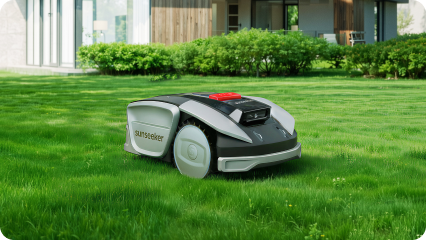
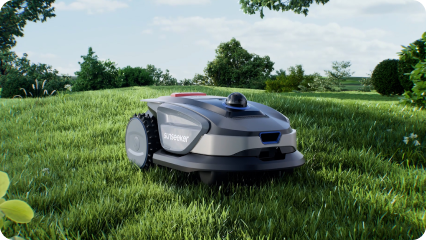
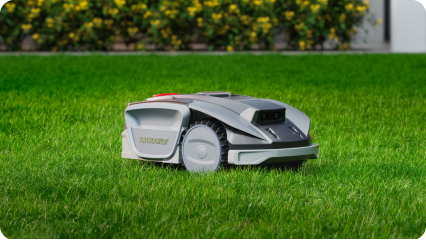
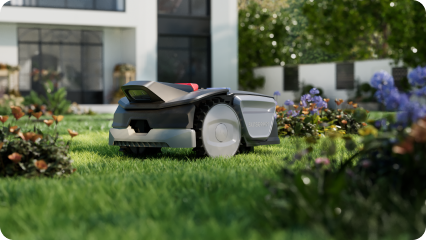
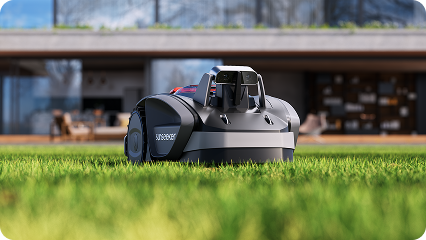
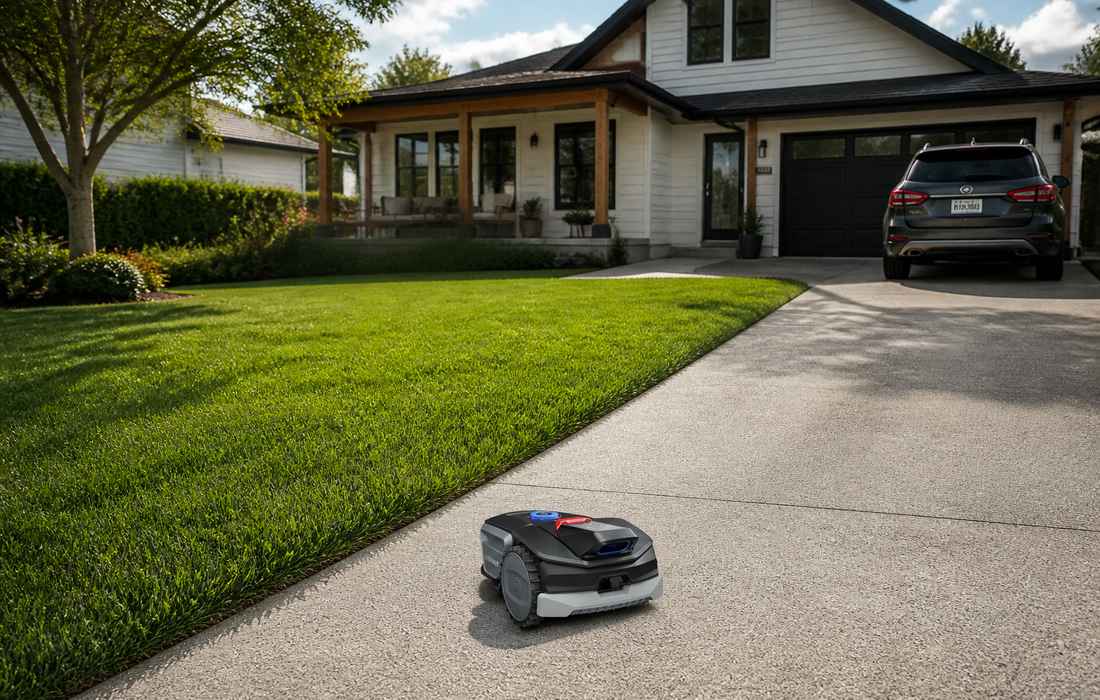
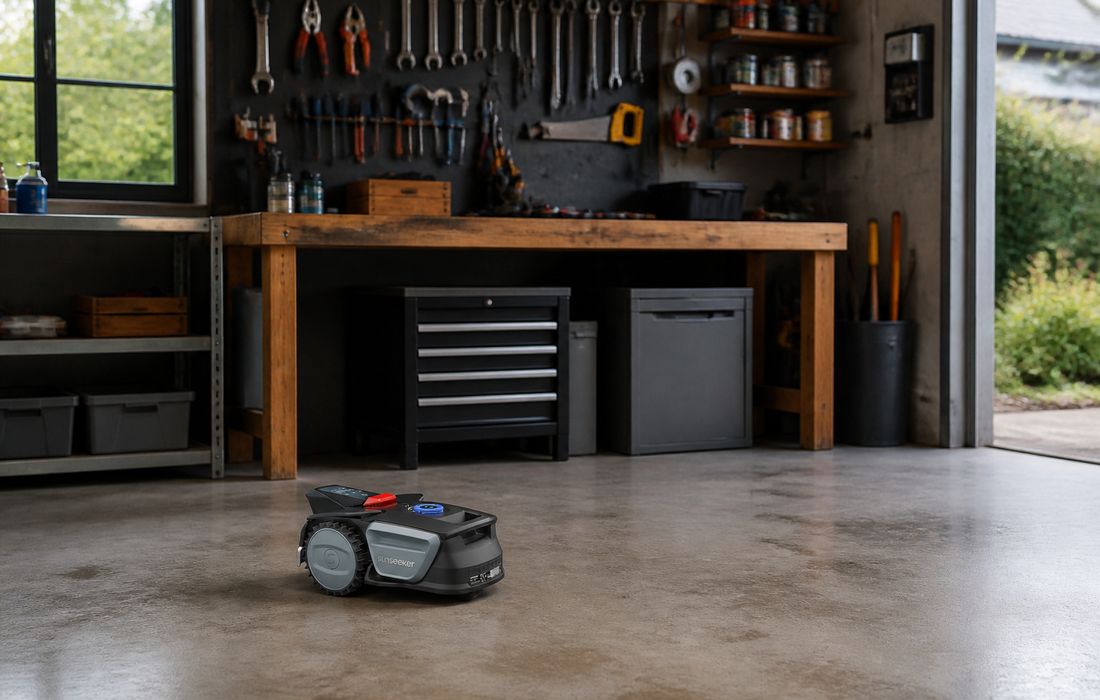
Regular mowing is another way to reduce hiding places and make vole activity easier to spot. For smaller lawns of up to approximately300 m², the Sunseeker V1 robotic lawn mower offers a convenient way to maintain the grass. Its Vision AI technology and lightweight design support quiet, routine mowing, helping keep your lawn trimmed while you monitor areas that previously showed signs of vole activity.
Conclusion
Vole damage does not always mean your lawn needs to be replaced. Once you have confirmed that the voles are no longer active, rake flattened grass to help it recover and reseed areas where roots have been damaged. Check nearby trees and shrubs for chew marks, as voles can also cause serious damage to their bark and roots.
To prevent voles from returning, focus on removing the places they use for shelter, such as thick vegetation, leaf piles, and overgrown grass. Keeping these areas clear also makes new runways easier to spot. Once your lawn has recovered, robot lawn mowers can help keep the grass trimmed and reduce the dense cover that attracts voles.
FAQ
Why Does Vole Damage Often Appear After Snow Melts?
Snow provides voles with a protected space where they can travel and feed without being easily seen by predators. During winter, they may create runways and chew grass beneath the snow, leaving damage that remains hidden for weeks or months. When the snow melts, these winding paths and damaged areas become visible all at once. This can make the problem seem sudden, even though the damage developed gradually during winter.
Do Voles Stay in Lawns All Year?
Yes, voles can remain active throughout the year, but their preferred hiding places may change with the weather and available food. During warmer months, they often shelter in tall grass, thick vegetation, or garden beds. In winter, snow can provide additional protection. As a result, you may see very little damage in summer even when voles are living nearby. Regularly checking areas with dense vegetation can help you spot activity before it spreads into the lawn.
Can Vole Populations Increase Suddenly From One Year to the Next?
Yes, vole populations can grow quickly when food and shelter are plentiful. Because voles reproduce rapidly, their numbers can change significantly from one year to the next. This explains why a lawn with only minor damage one winter may have many more runways the following year. Keeping vegetation under control and checking for active runways before winter can help reduce the risk of more serious damage.