Wild violets often start as a few purple flowers in spring, but they can gradually spread across your lawn. They grow well in shady, damp areas and can survive regular mowing. Even if you remove the visible leaves, the plants may grow back from rhizomes left in the soil.
To control these weeds effectively, you need to identify them correctly and choose a removal method based on how widely they have spread. This guide explains how to get rid of violets in your lawn, when to treat them, and what you can do to prevent new growth.

How Can You Confirm the Weed Is Wild Violet?
Before removing wild violets, make sure you have identified the right weed. Wild violets have several recognizable features that can help you tell them apart from other lawn weeds.
Heart-shaped, waxy leaves: Wild violet leaves are usually rounded or heart-shaped, with slightly shiny surfaces and toothed edges. Their waxy coating can make it harder for weed killers to stick to the leaves and work effectively.
Low-growing plants with purple flowers: Wild violets grow close to the ground and often produce purple, blue-purple, or pale flowers in spring. Because they stay low, regular mowing may not remove them completely.
Rhizomes that spread underground: Established wild violets develop thick underground stems called rhizomes. These allow the plants to spread and regrow, even when their visible leaves have been removed.
Since other weeds can have similar flowers or leaves, do not rely on appearance alone. Check the base of the plant and its underground stems before choosing a treatment specifically designed for wild violets.
Which Removal Method Fits the Infestation?
The best way to remove wild violets depends on how many plants you have and how established their roots are. Smaller patches may be easier to remove by hand, while larger infestations often require a different approach. Choose the method that best matches the condition of your lawn.
Hand-Pull Young, Isolated Plants
Hand-pulling can work well when you only have a few young wild violets. For easier removal, wait until the soil is slightly moist, then hold each plant close to its base and pull gently. Try to remove the entire plant, including its underground stems, rather than pulling off only the leaves.
After removing the plants, check the area again in two to three weeks. If new leaves appear in the same spot, some underground stems may still be present. Remove them while the plants are small to prevent the patch from spreading.
Dig Out Roots and Rhizomes in Small Patches
If wild violets have formed a small but established patch, digging them out may be more effective than pulling. Use a hand fork or small garden spade to loosen the soil around the plants. Carefully lift the roots and remove any visible rhizomes, as pieces left behind can produce new growth.
Once the plants are removed, fill any holes and level the soil. You can then reseed the bare area with grass seed that matches your existing lawn. This helps prevent other weeds from taking over the open space.
Spot-Treat Established Patches With a Labeled Broadleaf Herbicide
For larger patches, a selective broadleaf herbicide may be a more practical option. Choose a product specifically labeled for wild violets and safe for your type of lawn grass. Products containing triclopyr are often recommended for controlling wild violets, although availability and approved uses vary by location.
Always follow the product instructions for application rates, weather conditions, and repeat treatments. Because wild violets have waxy leaves and persistent underground stems, one application may not remove them completely. Additional treatments may be necessary if new growth appears.
Why Are Wild Violets So Hard to Remove?
Wild violets can be difficult to control because they have several features that help them survive and spread. Even after mowing or applying weed killer, established plants may continue growing. Understanding why this happens can help you choose a more effective removal method.
Waxy Leaves Reduce Spray Contact
Wild violet leaves have a waxy surface that causes water and some weed-control sprays to form droplets or run off. This makes it harder for the treatment to enter the leaves. As a result, products that work quickly on weeds such as dandelions may take longer to affect wild violets.
However, applying more herbicide than recommended will not necessarily improve the results. Instead, use a product labeled for wild violets and apply it under suitable weather conditions. Make sure the leaves are covered evenly without spraying so much that the liquid drips off.
Rhizomes Regrow After Top Growth Is Removed
Wild violets store energy in underground stems called rhizomes. When you mow the lawn or remove the leaves, these stems can remain alive beneath the soil. They use their stored energy to produce new shoots, allowing the plants to grow back after appearing to disappear.
This is why removing only the visible parts of wild violets is often ineffective. When digging out the plants, try to remove the rhizomes as well. Even small pieces left in the soil may develop into new plants.
Seeds and Underground Growth Expand the Patch
These weeds can spread in two ways: their flowers produce seeds, while their underground rhizomes grow outward and produce new shoots. Because the rhizomes can continue growing even after the flowers are removed, mowing alone may not stop the patch from spreading.
To prevent further spreading, remove the existing plants and their rhizomes, then encourage healthy grass growth around the affected area. Thicker grass covers exposed soil, leaving fewer places for new violet seeds to take root.
When Is the Best Time to Treat Wild Violets?
The best time to treat wild violets is when they are actively growing. During this period, the plants can absorb treatments more effectively. However, spring and fall offer different advantages, depending on whether you plan to remove the weeds by hand or use a herbicide.
Spring While Plants Are Easy to Identify
Spring is a good time to identify wild violets because their flowers and new leaves are easier to recognize. The soil is also often moist, making it easier to pull or dig out young plants. If you choose a herbicide, applying it while the plants are actively growing may help control smaller patches.
However, established wild violets may not disappear after one spring treatment. Keep track of areas where the weeds continue to grow so you can check them again later instead of treating the entire lawn unnecessarily.
Fall for Stronger Root-Directed Control
Late summer and fall are often good times to treat perennial weeds such as wild violets. During this period, the plants move stored nutrients toward their roots and underground stems. This process can help suitable systemic herbicides reach the parts of the plant responsible for regrowth.
For better results, apply treatments while the leaves are still green and healthy. Avoid spraying when the plants are severely dried out, damaged by frost, or no longer growing actively.
Repeat Applications for Established Patches
Older wild violet patches may need more than one treatment before they are fully controlled. If the plants begin growing back, check the herbicide label for the recommended waiting period before applying another treatment.
You may notice that the patch becomes smaller or produces fewer leaves after treatment. This is a sign that the control method may be working. While monitoring the remaining weeds, repair nearby areas with thin grass to help prevent new violets from spreading.
How Do You Keep Wild Violets From Returning?
After removing wild violets, the next step is to prevent them from growing back. These weeds often spread in lawns with thin grass, excess moisture, or heavy shade. Improving these conditions can make it harder for new plants to establish.
Keep your grass thick. Reseed bare patches as soon as conditions are suitable so wild violets have less room to grow.
Mow at the right height. Avoid cutting your grass too short, as this can weaken it and give low-growing weeds more space.
Repair thin areas. Add grass seed to areas damaged by foot traffic, pets, or lawn diseases to improve overall grass coverage.
Improve drainage and sunlight. Loosen compacted soil and reduce excessive shade where possible to create better growing conditions for grass.
Check for new growth. Inspect previously affected areas regularly and remove young violets before they develop larger root systems.
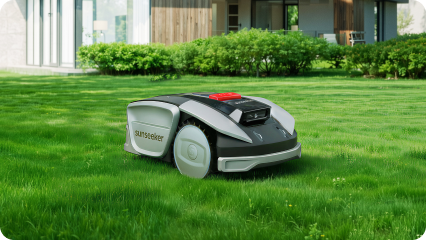
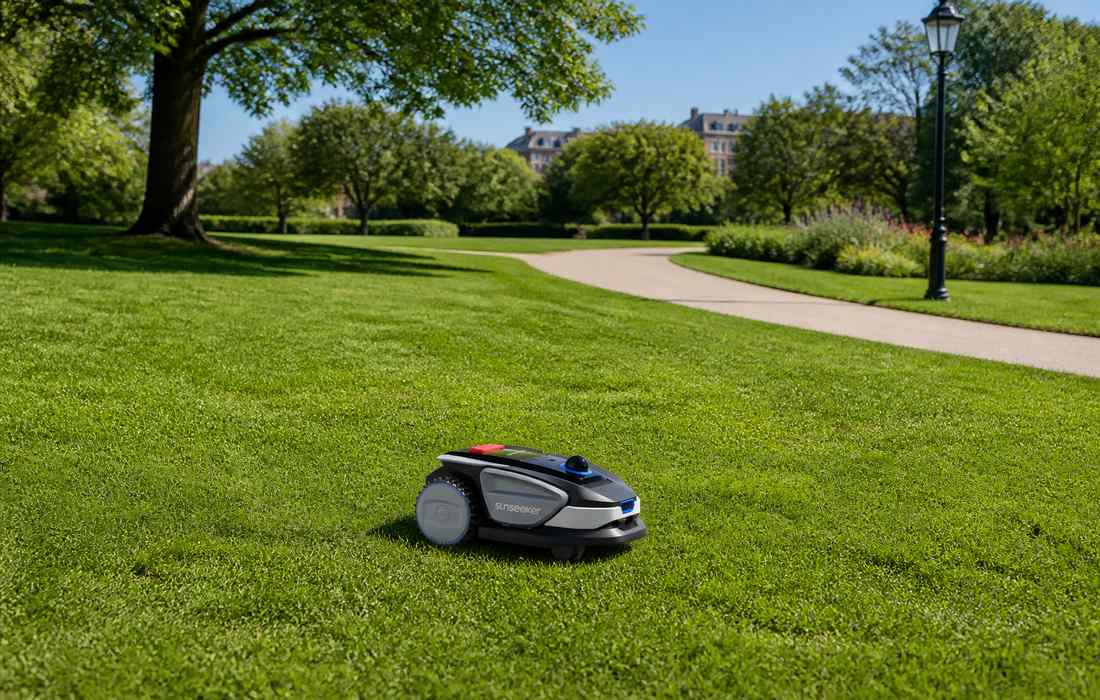
Regular mowing can also help maintain thicker, more even grass once the repaired areas have become established. The Sunseeker S4 robotic lawn mower uses AllSense™ navigation without requiring a boundary wire or antenna, making routine mowing easier while you focus on preventing wild violets from spreading again.
Conclusion
Wild violets can return even after their leaves and flowers have been removed, so controlling their underground rhizomes is essential. Dig out small patches carefully, use an appropriate herbicide for larger infestations, and check treated areas for new growth. Once the weeds are under control, reseed bare spots and improve conditions that favor healthy grass. Maintaining the right mowing height can also help prevent violets from spreading into thin areas. For easier upkeep, GPS robot mowers can help maintain consistent grass cutting and keep the lawn at a suitable height to support healthy, dense grass growth.
FAQ
Will Pre-Emergent Weed Control Kill Established Wild Violets?
No. Pre-emergent herbicides are designed to prevent certain weed seeds from growing, but they generally do not kill established wild violets. These plants can survive through their underground rhizomes, which allow them to regrow even when new seeds are controlled. To remove existing violets, dig out the plants or use a post-emergent herbicide specifically labeled for wild violet control.
Does Vinegar Kill Wild Violets Without Harming Grass?
No. Vinegar can damage wild violet leaves, but it can also burn nearby lawn grass. Even if the visible leaves die, the underground rhizomes may survive and produce new growth. For this reason, vinegar is not a reliable way to remove wild violets from an established lawn. Digging out small patches or using a selective broadleaf herbicide is generally more effective.
How Long Can Wild Violet Control Take?
Small patches of young wild violets may be removed in a single digging session. However, larger or well-established infestations can take one to two growing seasons to control. You may need repeated herbicide applications or follow-up digging to remove plants that grow back from underground stems. Check whether the affected patches are shrinking and producing fewer new leaves to judge your progress.