You may notice dark green patches of tall fescue growing among the finer grass in your lawn. Although tall fescue is commonly used for lawns, its thick blades and clumping growth can make it stand out from surrounding grass. Regular mowing does not solve this problem because the plants continue growing from their roots.
To restore a more even-looking lawn, you need to identify the unwanted grass and choose a removal method based on how much has spread. This guide explains how to get rid of tall fescue grass in lawn areas, repair damaged patches, and prevent new clumps from appearing.
How Can You Tell the Clumps Are Tall Fescue?
Tall fescue is a perennial grass that grows in thick clumps rather than spreading widely through underground stems. Its leaves and growth pattern can help you tell it apart from other lawn grasses. Look for the following features:
Coarse, wide blades: Tall fescue usually has broad, stiff leaves that feel rough compared with finer lawn grasses. You may also notice visible veins running along the upper surface.
Clumps growing from a central base: Instead of spreading evenly across the lawn, tall fescue typically grows outward from a central point, forming thick bunches of grass.
Uneven appearance after mowing: Even after cutting the lawn, tall fescue may look darker, thicker, and more upright than the surrounding grass, making the patches easy to notice.
However, thick grass blades alone do not confirm that the plant is tall fescue. Check the base of a mature clump to see how it grows. If the stems form a dense bunch without obvious creeping underground shoots, it may be tall fescue.
Can You Remove Tall Fescue Without Killing the Lawn?
Yes, it is possible to remove unwanted tall fescue without damaging the surrounding lawn, especially when only a few clumps are present. However, tall fescue is a grass, so common broadleaf weed killers usually will not work. If your lawn contains Kentucky bluegrass, fine fescue, or perennial ryegrass, finding a selective herbicide that removes only tall fescue can be difficult.
For small patches, digging out the entire plant is often the safest option. Larger areas may require a nonselective herbicide, but these products can also kill nearby grass. If you choose this method, apply the treatment carefully and plan to reseed the affected area afterward.
Before using any herbicide, read the product label to confirm that it is approved for your lawn and intended use. Pay attention to application instructions and how long you must wait before planting new grass.
How to Remove Tall Fescue: 3 Methods
The best way to remove tall fescue depends on how much of your lawn is affected. Small clumps are usually easier to dig out, while larger patches may need chemical treatment or complete renovation. Choose a method that removes the unwanted grass while minimizing damage to the surrounding lawn.
Dig Out Small, Isolated Clumps
If you only have a few tall fescue clumps, you can remove them with a garden spade. Cut around each clump and carefully lift it out, including the central base and roots. Removing the entire plant is important because simply cutting the leaves will not stop them from growing back.
Try to remove a small amount of surrounding soil to make sure no part of the clump remains. Although this may leave a slightly larger hole, it is easier to repair the area once than repeatedly remove grass that keeps growing back.
Spot-Treat Larger Patches With a Nonselective Herbicide
For larger patches that would be difficult to dig out, a nonselective herbicide may be a practical option. These products can kill tall fescue, but they can also damage surrounding lawn grass. Apply the treatment only to the unwanted patches and take precautions to prevent the spray from reaching nearby plants.
After applying the herbicide, wait until the treated grass has completely died before repairing the area, following the product's instructions. If any tall fescue begins growing back, remove or treat it before reseeding to prevent the same problem from returning.
Renovate Heavily Infested Areas When Spot Repair Is No Longer Practical
If tall fescue covers a large part of your lawn, removing individual clumps may leave too many bare patches. In this situation, renovating the affected section or the entire lawn may be a better choice. This allows you to replace the unwanted grass and create a more consistent appearance.
Lawn renovation involves removing the existing grass, preparing the soil, and planting new seed or sod. Although it requires more work than spot treatment, it allows you to choose the grass variety and texture you want across the repaired area.
How to Repair the Lawn After Tall Fescue Removal
After removing tall fescue, you may be left with holes or bare patches where the clumps once grew. Repairing these areas helps restore an even lawn and prevents other unwanted grasses or weeds from taking over. Follow these steps to prepare the soil and encourage new grass growth.
Remove the Full Crown and Dead Material
Start by clearing away any remaining tall fescue roots, dead leaves, and plant debris. If you used an herbicide, follow the product instructions before disturbing the soil or planting new grass. Removing these materials gives the replacement grass a better place to grow.
Next, use a rake to loosen the exposed soil and remove any thick clumps of dead roots. This allows new grass seeds to touch the soil directly and reduces the risk of the ground settling unevenly as the old plant material breaks down.
Level and Prepare the Bare Soil
Once the area is clear, loosen any compacted soil and fill holes with a small amount of topsoil if needed. Use a rake to spread the soil evenly until the repaired area is level with the surrounding lawn.
Avoid adding too much soil, as this can create raised patches. Gently press the soil down to make it firm, then check the surface again. If the soil settles after watering, add a little more to keep the area level.
Reseed or Sod With Matching Turf
Choose grass seed or sod that matches the type of lawn you want to maintain. Using a different grass variety may create new patches with noticeable differences in color or texture, even after the unwanted tall fescue has been removed.
For cool-season lawns, spring and early fall are usually suitable times for reseeding or installing sod. These seasons provide better growing conditions than extreme summer heat. If the weather is too hot or dry, wait until you can keep the new grass properly watered.
Keep the Repair Moist Until It Establishes
After planting grass seed, keep the soil surface consistently moist until the seeds germinate. As the new grass develops stronger roots, gradually water less often but more deeply. If you install sod, water thoroughly so moisture reaches the soil underneath.
Avoid walking on newly repaired areas while the roots are still developing. Wait until the grass is firmly established before mowing, and use a sharp mower blade. During the first cut, remove no more than one-third of the grass height to avoid damaging young plants.
How Do You Keep Tall Fescue From Coming Back?
Once you have removed the unwanted tall fescue and repaired your lawn, the next step is to prevent new clumps from growing. Tall fescue can return if seeds settle in bare soil or parts of the original plants remain. Keeping your lawn thick and checking for new growth regularly can help prevent the problem from returning.
Choose the right grass seed. Buy clearly labeled seed mixtures containing the grass varieties you want instead of using unknown or inexpensive blends.
Repair bare spots quickly. Reseed areas damaged by foot traffic, pets, or grass removal before unwanted plants have a chance to grow.
Maintain thick, healthy grass. Follow suitable mowing, watering, and fertilizing practices to reduce open spaces where new clumps can establish.
Remove new clumps early. Check your lawn for thick, coarse grass and dig out small plants before they become larger patches that are harder to remove.
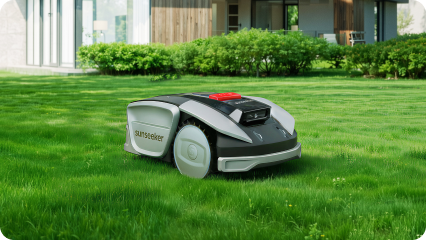
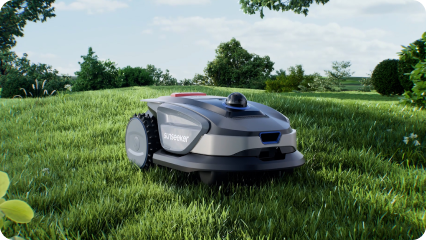
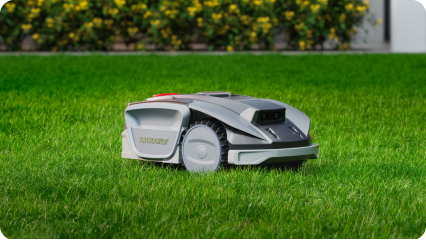
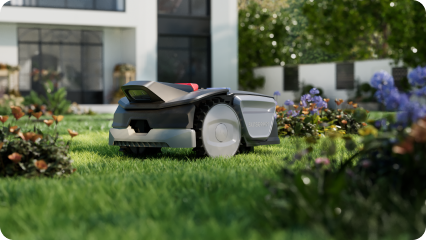
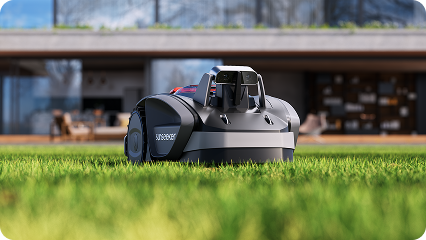
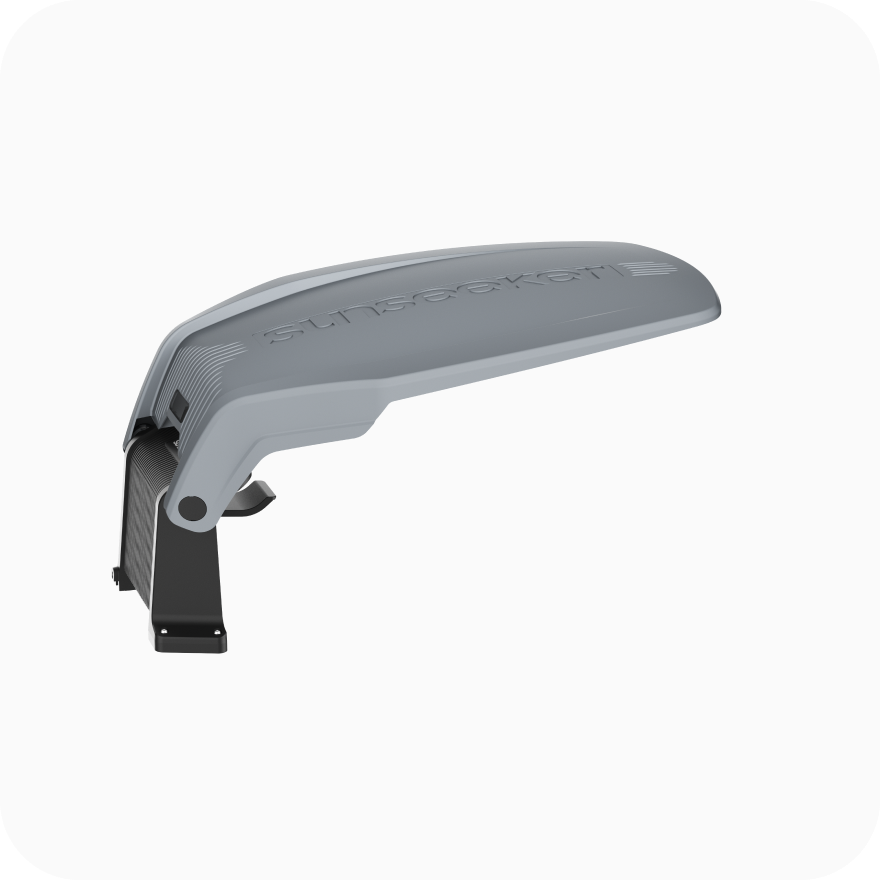
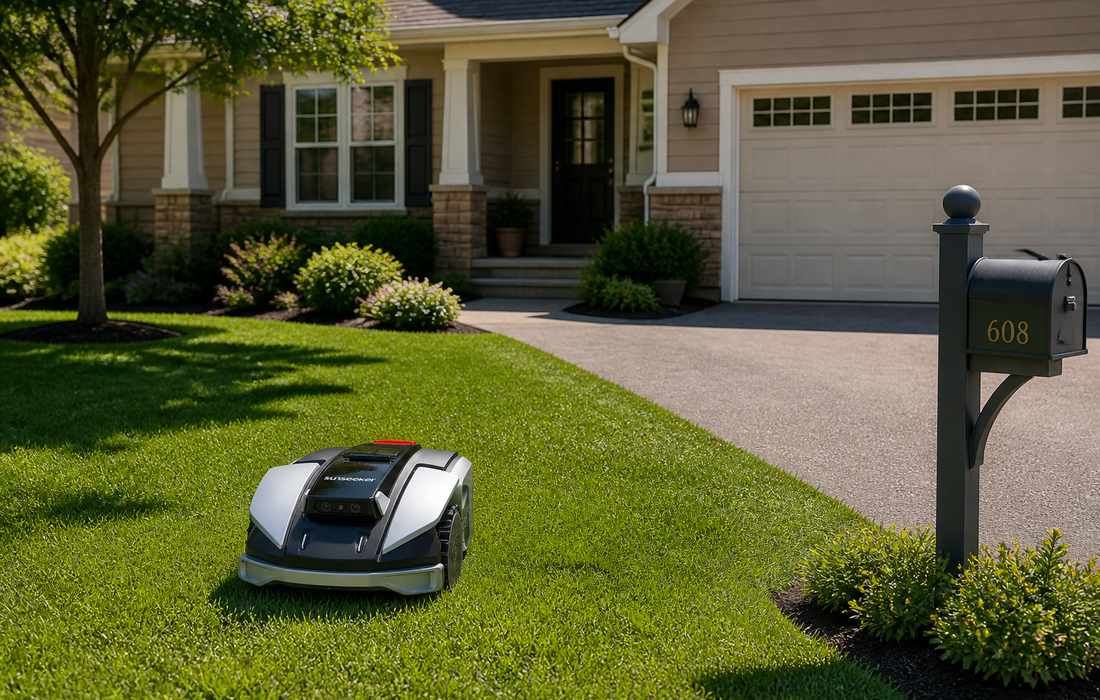
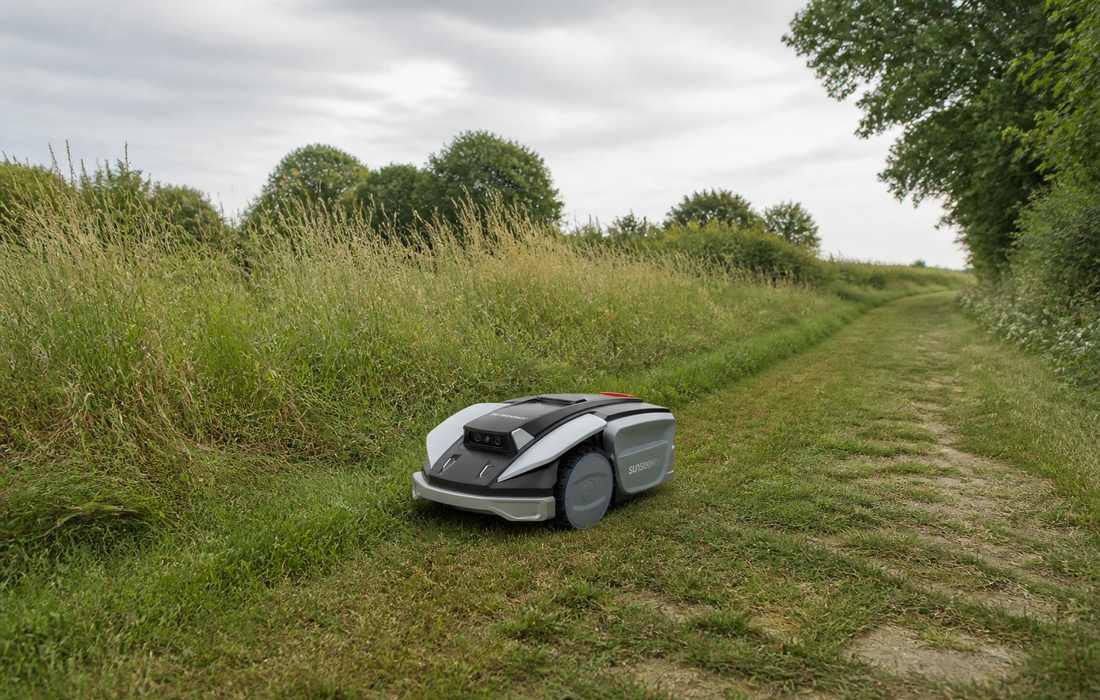
Regular mowing can also help keep the grass at an even height, making new coarse clumps easier to notice. For larger or sloped lawns, the Sunseeker S5 robotic lawn mower combines all-wheel drive (AWD) and DualFusion™ positioning to support routine mowing across areas of up to approximately1,600 m². This helps maintain a consistent mowing schedule while you monitor the lawn for unwanted grass.
Conclusion
Removing unwanted tall fescue requires a different approach from controlling common broadleaf weeds. For a few clumps, digging out the entire plant is usually the simplest solution, while larger patches may need spot treatment or lawn renovation. After removal, reseed bare areas with matching grass to avoid creating new differences in texture and color. Continue checking for coarse clumps so you can remove them before they spread. GPS robot mowers can also help maintain an even cutting height, making unwanted patches easier to spot as they appear.
FAQ
Will Tall Fescue Spread Into the Rest of the Lawn?
Tall fescue mainly grows in clumps rather than spreading quickly through underground stems. However, each clump can gradually become larger, and new plants may develop from seeds. Over time, this can make the affected area appear to spread across your lawn. Removing unwanted plants before they produce seeds and reseeding bare patches can help prevent new clumps from forming.
Does Vinegar Kill Tall Fescue?
Vinegar can damage tall fescue leaves, but it may also harm surrounding lawn grass. Even if the leaves turn brown, the plant can grow back if its central base survives. For small patches, digging out the entire clump is generally more reliable. Larger areas may require a properly labeled nonselective herbicide or lawn renovation.
Why Did Tall Fescue Appear in the Lawn?
Tall fescue may have come from an older grass seed mixture, seeds carried from nearby areas, or grass planted by a previous homeowner. It can also grow in bare or disturbed soil where new seeds have space to establish. To prevent unwanted patches, use grass seed that matches your existing lawn and repair bare areas before new clumps develop.