A lush, green lyard is something many homeowners take pride in, so it can be frustrating when mushrooms suddenly appear. While these fungi are often harmless and sometimes even beneficial, their presence may also signal excess moisture or an imbalance in your yard.
If you’re wondering how to get rid of mushrooms in yard areas without harming your grass, it’s important to understand why they grow and when action is actually needed. In this guide, you’ll learn the common causes, safe removal methods, and simple steps to keep your yard healthy and mushroom-free.
Why Are Mushrooms Growing in Your Yard?
If you're noticing mushrooms growing in yard areas, it usually means the conditions in your soil are ideal for fungal growth. Mushrooms are simply the visible part of an underground network called mycelium, which thrives when there is enough moisture, organic matter, and limited sunlight. When these conditions come together, mushrooms can quickly appear on the surface. Understanding these factors will help explain why mushrooms are growing in your yard.
1.Organic Matter and Nutrient-Rich Soil
Fungi thrive on decaying materials like fallen leaves, grass clippings, tree roots, and old wood. As they break down this debris, they release nutrients back into the soil, which actually benefits your yard. However, too much organic buildup can fuel excessive mushroom growth.
2.Excess Moisture and Poor Drainage
Mushrooms prefer damp environments. Overwatering, frequent rain, compacted soil, or poor drainage can create the moist conditions fungi need to grow and spread quickly.
3.Shade and Limited Sunlight
Shady areas under trees or dense shrubs are ideal for fungi. With less sunlight and slower evaporation, these spots stay moist longer, encouraging mushrooms to appear.
4.Soil Conditions and Compaction
Compacted soil limits airflow and drainage, creating a dense, damp environment where fungi can thrive. Combined with the right temperature and humidity, this can lead to repeated mushroom growth.
Are Mushrooms in Yard Harmful to Grass, Kids, or Pets?
In most cases, mushrooms in your yard are not harmful to grass and can actually be a sign of healthy soil activity. They help break down organic matter and recycle nutrients. However, safety concerns usually arise because some mushrooms can be toxic if ingested. While touching mushrooms is generally harmless, children and pets may be at risk if they eat them, so removal is recommended in those situations.
For lawns, mushrooms rarely cause direct damage. One exception is "fairy ring," a fungal growth pattern that can affect soil conditions and lead to uneven grass color or patches, though it is relatively uncommon.
How Do You Get Rid of Mushrooms in Yard Safely?
With the causes and risks in mind, the next step is taking action. Here's how to safely get rid of mushrooms in the yard using simple methods that remove existing growth and improve conditions to prevent their return.
Ways to Remove It Right Away
When dealing with mushrooms quickly, it’s best to avoid harsh or “quick-fix” treatments and stick to simple, non-chemical methods:
- Remove by hand.Wear gloves, grab the mushrooms at the base, and pull them out gently. Try to get as much of the stem and root-like part as possible. Toss them in a sealed bag and put them in the trash, not compost, so spores don’t spread.
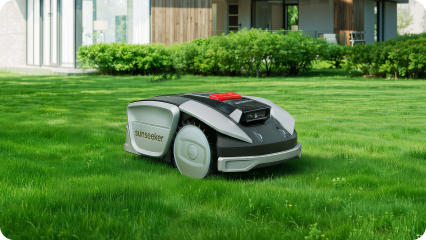
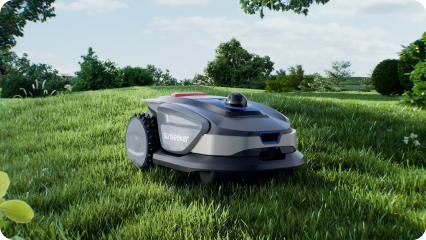
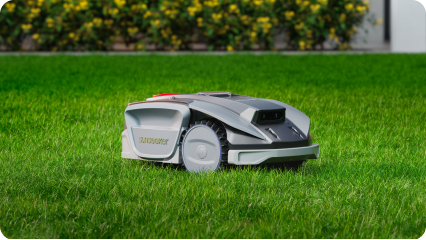
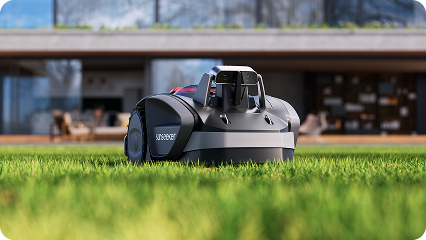
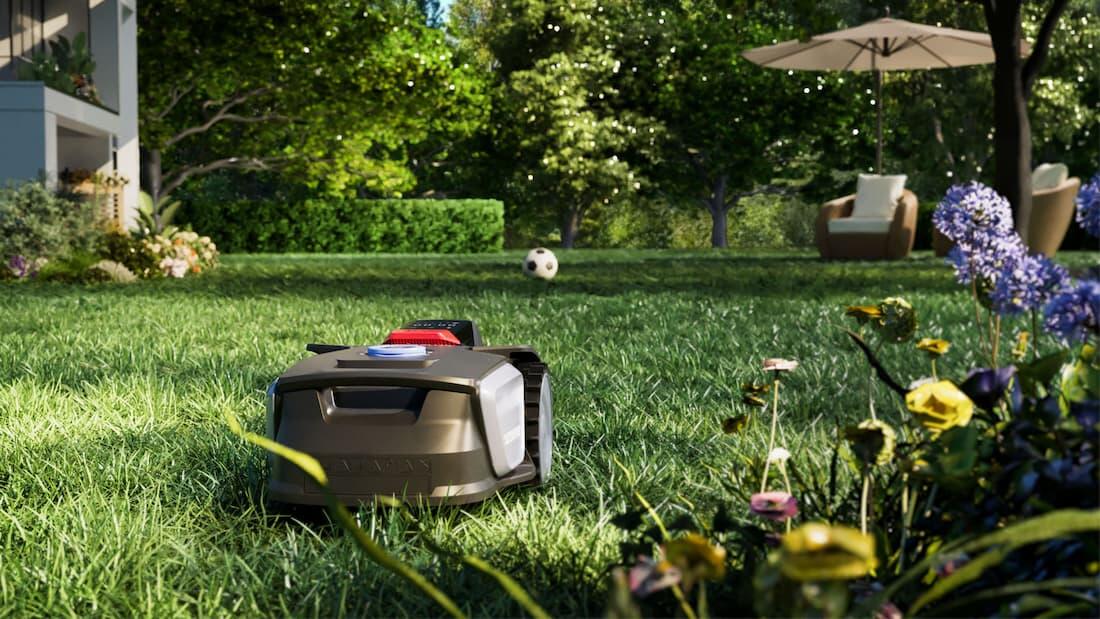
- Mow the lawn.Cutting the grass helps remove visible mushrooms quickly and reduces moisture around the soil surface. Shorter grass also lets in more sunlight and airflow, which makes it harder for mushrooms to grow back. Using a reliable mower like the Sunseeker V1 makes it easier to keep your grass at an optimal height, improving airflow and helping the lawn dry out faster.
- Use a quick treatment if needed.A simple mix like dish soap and water (a few drops in a spray bottle) can help break down small mushroom patches. Some people also use vinegar, but keep it light since it can affect nearby plants.
These methods offer a safe, effective way to manage mushrooms without damaging your yard’s natural ecosystem.
Ways to Stop It from Coming Back
Preventing mushrooms in yard areas from returning means addressing the conditions that allow them to grow in the first place:
- Identify and fix the root cause:Check for excess moisture, shade, compacted soil, or decaying roots that may be encouraging repeat growth.
- Remove organic buildup:Regularly clear leaves, twigs, and other debris that fungi feed on, especially in damp spots.
- Improve drainage:Correct areas where water collects to keep the soil from staying overly wet.
- Increase sunlight exposure:Trim trees or shrubs to reduce shade and help the lawn dry faster.
- Aerate compacted soil:Learning how to aerate lawn areas properly can help loosen compacted soil, improve airflow and drainage, and support overall lawn health.
- Water properly:Avoid overwatering by watering deeply but less frequently, allowing the soil to dry between sessions.
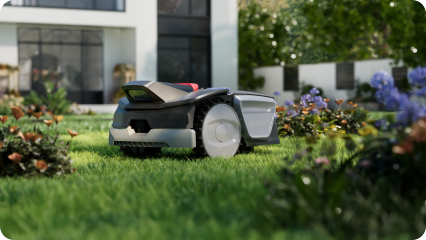
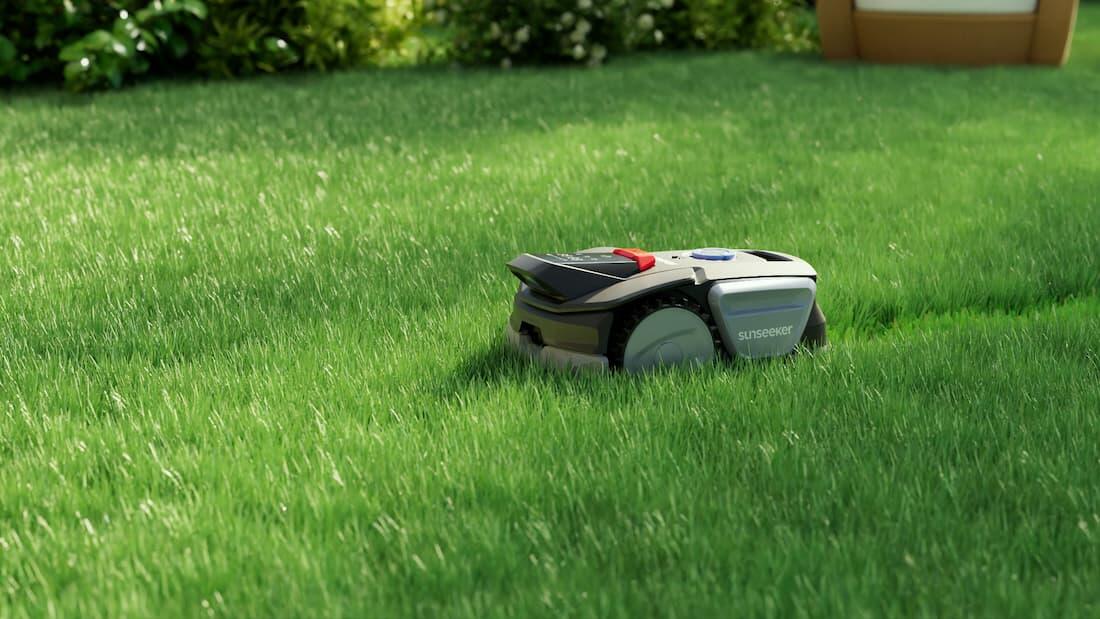
- Maintain consistent mowing:Keeping a regular mowing routine helps reduce excess moisture and improve airflow. A smart mower like the Sunseeker V3 can make this easier by supporting healthier grass and reducing conditions that allow mushrooms to return.
Common Yard Mushrooms
You may notice a variety of mushrooms appearing across your yard, especially during warm, damp seasons. While they often look unusual, many play a natural role in your yard's ecosystem. Here are some common types you might encounter:
- Dog Vomit Slime Mold (Fuligo septica)
A bright yellow, foamy growth often found on mulch. Despite its appearance, it's harmless and helps break down organic material. It usually disappears on its own.
- Ringless Honey Mushroom (Armillaria tabescens)
Found in clusters near tree bases, these are not toxic but may indicate wood decay in nearby trees.
- Stinkhorns (Phallaceaespecies)
Known for their strong odor, these mushrooms attract insects to spread spores. They're not harmful to plants, but can be unpleasant because of their smell.
- False Parasol (Chlorophyllum molybdites)
Often seen in "fairy rings," these mushrooms are not harmful to grass but can be toxic if ingested, so caution is advised.
Thick, fleshy mushrooms are often found near trees, with pores instead of gills underneath. Most are safe and form beneficial relationships with tree roots.
Recognizable by their colorful caps and white stems, these are common, mostly harmless fungi that support soil and plant health.
Note: While most yard mushrooms can be left alone, avoid touching or consuming them unless you can confidently identify the species.
Conclusion
Dealing with yard mushrooms doesn't have to be complicated once you understand their causes. Instead of relying on quick fixes, focus on improving soil conditions, managing moisture, and reducing organic buildup. Learning how to get rid of mushrooms in yard areas is really about creating an environment where they're less likely to return.
By following practical lawn care tips, such as proper watering, aeration, and regular cleanup, you can keep your yard looking neat while supporting healthy soil. Over time, these simple habits will make a noticeable difference in preventing unwanted mushroom growth.
FAQs
Will vinegar kill yard mushrooms?
Vinegar is not an effective long-term solution for yard mushrooms. While it may temporarily damage the visible mushrooms, it does not eliminate the fungus living beneath the soil. In fact, mushrooms often indicate healthy, nutrient-rich soil. Instead of using vinegar, it's better to remove them and focus on improving lawn conditions to prevent regrowth.
Should you remove mushrooms from a lawn?
Mushrooms in your lawn are usually harmless and don’t damage the grass. Most only become a concern if ingested, especially by children or pets, as some varieties can be toxic. In general, they're a sign of healthy soil, helping break down organic matter into nutrients. You may choose to remove them for safety or appearance, but they typically disappear on their own as conditions become drier.
How long do mushrooms last in grass?
Mushrooms in grass usually last a few days to about a week, depending on moisture and weather conditions. They tend to appear after rain or high humidity and fade quickly as the soil dries out. While the visible mushrooms disappear, the underlying fungus remains in the soil and may produce new growth when conditions become favorable again.