Even when the visible weeds disappear, the conditions that allowed them to grow may remain. Short grass, compacted soil, and bare patches make it easier for new dandelions to establish. Without addressing these problems, the same areas may become covered with weeds again.
To remove dandelions without damaging healthy grass, choose a treatment based on how many plants are present and repair any weak areas afterward. This guide explains how to get rid of dandelions in your lawn, why they keep returning, and what you can do to prevent new growth.

Why Do Dandelions Keep Coming Back?
Dandelions are difficult to control because they can regrow from their roots and spread through seeds. Certain lawn conditions also make it easier for new plants to establish. Understanding these factors can help you choose a more effective removal method.
Deep Taproots Regrow From Root Pieces
Dandelions have thick, deep roots called taproots that store energy for new growth. When you mow the lawn or cut off the flowers, the roots remain underground and can produce new leaves. Even some broken root pieces may grow into new plants.
To prevent this, try to remove as much of the taproot as possible when digging out dandelions. The process is easier when the soil is moist because the roots are less likely to break. If part of the root remains, check the area again for new growth.
Seeds Spread Quickly Into Thin or Bare Turf
Dandelion flowers eventually develop into round seed heads that release seeds into the wind. Cutting the flowers before they produce seeds can reduce spreading, but new seeds may still arrive from neighboring lawns or other nearby areas.
These seeds are more likely to grow where the grass is thin or the soil is exposed. Areas damaged by pets, drought, or heavy foot traffic are especially vulnerable. Keeping your lawn thick and repairing bare patches can help prevent new dandelions from growing.
Open or Compacted Areas Give Dandelions More Space
Dandelions often grow in areas where grass struggles to stay healthy. Heavy foot traffic, compacted soil, and cutting the lawn too short can weaken the grass and leave open spaces for weeds. In many cases, dandelions take advantage of these conditions rather than causing them.
If the same areas repeatedly develop dandelions, check the soil and how the lawn is maintained before applying more treatments. Improving these conditions can help grass grow more strongly and reduce the chance of weeds returning.
Which Methods Remove Dandelions Without Ruining the Lawn?
The best way to remove dandelions depends on how many plants are growing in your lawn. A few scattered weeds can usually be removed by hand, while larger patches may need a different approach. Here are three methods to consider.
Dig Out Individual Plants and the Taproot
If you only have a few dandelions, digging them out is one of the simplest ways to remove them without using chemicals. Wait until the soil is moist, then insert a narrow garden fork or dandelion removal tool beside the plant. Carefully lift it to remove as much of the taproot as possible.
After removing the plant, fill the hole with soil and add grass seed if necessary. Check the area again after two to three weeks to see whether new leaves appear from any remaining root pieces.
Use a Mechanical Weed Puller for Scattered Plants
If dandelions are scattered across a larger lawn, a standing weed puller can make removal easier without requiring you to kneel. Position the tool around the base of the plant and pull it straight up to remove the root while minimizing damage to nearby grass.
These tools work best when the soil is slightly moist. If the ground is too dry and hard, water the area lightly or wait until after rainfall. This makes it easier for the tool to reach the roots without breaking them.
Spot-Treat Larger Patches With a Labeled Broadleaf Herbicide
For larger patches of dandelions, a selective broadleaf herbicide may be more practical than removing each plant by hand. Choose a product labeled for dandelions and safe for your lawn grass. Late summer and early fall are often good times for treatment because dandelions are moving nutrients toward their roots.
Whenever possible, apply the herbicide only to the affected areas rather than spraying the entire lawn. Follow the product instructions for application rates, weather conditions, and repeat treatments. Also check whether you need to wait before reseeding treated areas.
What Methods Usually Fail or Cause More Lawn Damage?
Some common dandelion removal methods only remove the visible parts of the plants or cause unnecessary damage to surrounding grass. To avoid making the problem worse, watch out for these mistakes:
Cutting off flowers or leaves only: Mowing can prevent some seeds from developing, but the taproot remains alive and can produce new leaves and flowers.
Mowing the lawn too short: Cutting grass extremely low weakens it and exposes more soil to sunlight, making it easier for new dandelion seeds to grow.
Using vinegar or salt across the lawn: These materials can damage dandelions, but they can also harm nearby grass. Salt may also remain in the soil and affect root growth.
Applying herbicide without reading the label: Using too much product, spraying during hot weather, or choosing the wrong herbicide can damage healthy grass without improving weed control.
Pulling plants from very dry soil: Hard, dry soil makes it more difficult to remove the entire taproot. If the root breaks, the dandelion may grow back.
When Is Lawn Repair Better Than Removing Dandelions One by One?
Removing individual dandelions works best when most of your lawn is still covered with healthy grass. However, if weeds are spreading through large, thin areas, repairing the lawn may be more effective than digging out every plant. Consider the following situations.
Dandelions Across a Thin or Patchy Lawn
If dandelions cover a large area where the grass is already thin, removing each plant may leave even more bare spots. Instead, focus on improving the soil, controlling the existing weeds, and planting new grass seed when growing conditions are suitable.
As the new grass grows thicker, it takes up more space and sunlight, making it harder for dandelion seedlings to establish. Although this will not prevent every seed from growing, it can significantly reduce the number of new weeds.
Repeated Weeds in Compacted or Bare Areas
Areas near walkways, driveways, or busy paths often develop compacted soil, making it easier for dandelions to return. To improve these areas, aerate the soil when the grass is actively growing, reduce unnecessary foot traffic, and reseed with a suitable grass mixture.
Without these improvements, removing the existing dandelions may only provide temporary results. New seeds can easily grow in the same bare or weakened areas.
How Do You Prevent New Dandelions From Taking Hold?
Once you have removed the dandelions and repaired any damaged areas, the next step is to prevent new plants from growing. A thick, healthy lawn leaves less room for weeds to establish. The following habits can help reduce future dandelion growth.
Repair bare spots quickly. Reseed areas damaged by weed removal, pets, or dry weather before new dandelions have a chance to grow.
Mow at the right height. Avoid cutting your lawn too short, as taller, healthy grass can provide more shade and reduce the space available for weeds.
Fertilize appropriately. Give your lawn the nutrients it needs based on the grass type and soil conditions. Avoid using excessive fertilizer, as this will not prevent dandelions.
Loosen compacted soil. Aerate areas with heavy foot traffic to help grass roots grow deeper and improve coverage.
Remove young dandelions early. Check your lawn regularly and remove new plants before they develop deep roots or produce seeds.
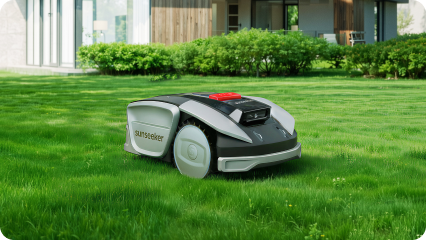
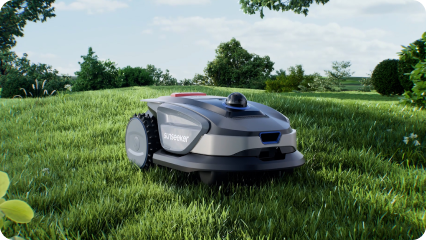
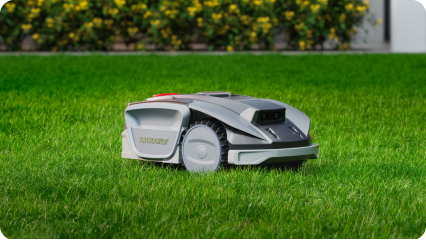
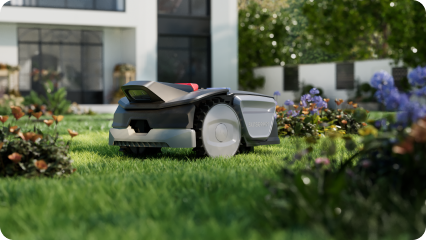
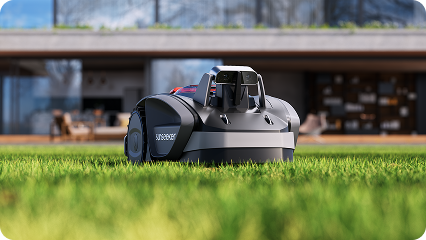
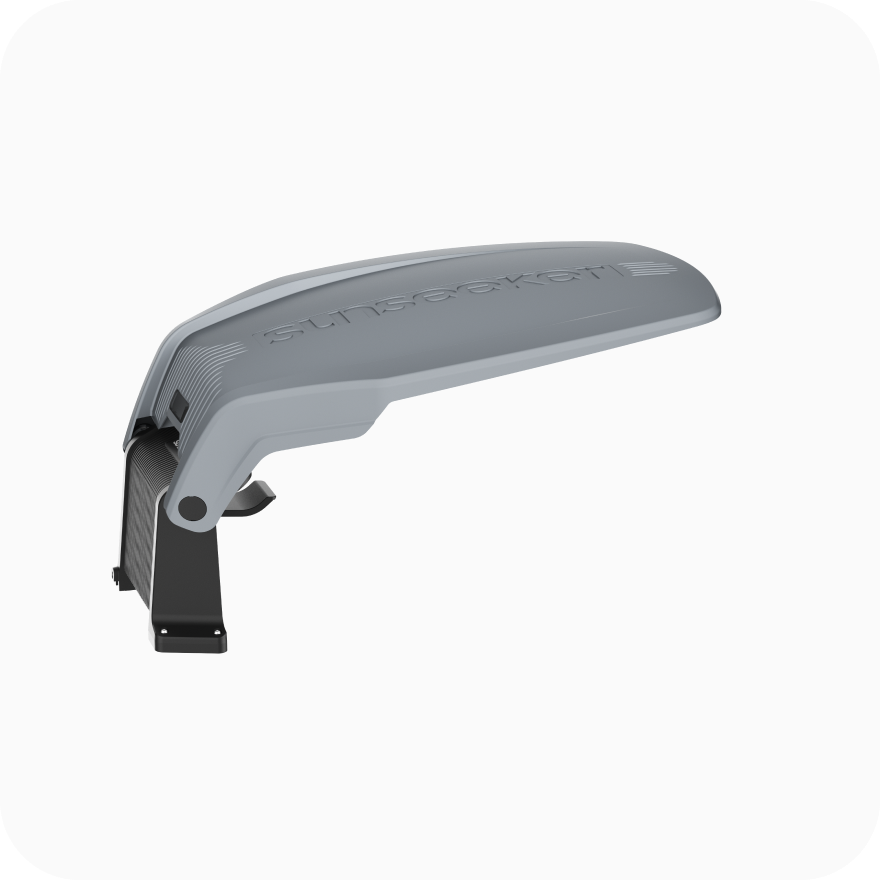
Regular mowing can also help maintain healthy grass and make it easier to spot new dandelions. For smaller lawns of up to approximately 300 m², the Sunseeker V1 robotic lawn mower offers a convenient way to handle routine mowing. It operates at a quiet 55 dB, allowing you to maintain a consistent mowing schedule while checking for new weed growth.

Conclusion
Cutting off dandelion flowers may improve your lawn's appearance temporarily, but lasting control requires removing the roots and preventing new seedlings from growing. Dig out scattered plants, use a suitable broadleaf herbicide for larger patches, and repair bare or compacted areas where weeds frequently return. Keeping your grass at an appropriate mowing height also helps it grow thick enough to compete with new weeds. Once the lawn has recovered, GPS robot mowers can make regular mowing easier and help maintain the healthy grass coverage needed to limit dandelion growth.
FAQ
What Is the Best Time of Year to Pull Dandelions?
Spring is often a good time to pull dandelions because the plants are actively growing and the soil is usually moist. Removing them after rainfall can also make it easier to lift the taproots without breaking them. If you plan to use a herbicide, late summer and early fall are often effective for treating established plants. Always consider local weather conditions and follow the product label.
Do Pre-Emergent Herbicides Kill Established Dandelions?
No. Pre-emergent herbicides are designed to prevent certain weed seeds from growing, but they do not kill established dandelions. Mature plants have developed leaves and deep taproots, so they usually require digging or a suitable post-emergent herbicide. Some pre-emergent products can also affect new grass seed, so check the label before reseeding treated areas.
How Soon Can You Reseed After Using a Dandelion Herbicide?
The waiting period depends on the herbicide you use. Many selective lawn herbicides require approximately two to four weeks before reseeding, although some products have shorter or longer waiting periods. To avoid affecting new grass growth, check the reseeding instructions on your product label and wait the recommended amount of time after treatment.