Although some homeowners appreciate clover for its green leaves and ability to add nitrogen to the soil, others prefer a lawn made entirely of grass. The problem is that clover spreads through creeping stems that develop roots along the ground. Once established, these plants can gradually take over areas where the grass is weak.
To control clover effectively, you need to understand why it is spreading before choosing a removal method. This guide explains how to get rid of clover in your lawn, compares different treatments, and covers the steps needed to keep it from returning.

Why Is Clover Spreading Through Your Lawn?
Clover often spreads when lawn grass is too thin to compete for space. Poor soil conditions and its ability to grow outward through creeping stems can also help it spread. Understanding these factors will make it easier to control existing patches and prevent new ones.
Thin Turf and Open Soil
Thin or bare areas give clover more room to grow because there is less grass competing for sunlight and space. As clover spreads, its creeping stems can develop new roots wherever they touch the soil, allowing the patch to expand.
Take a closer look at where the clover is growing. Areas affected by shade, heavy foot traffic, drought, or mowing too short often have weaker grass. If these conditions are contributing to the problem, repairing the lawn is just as important as removing the clover.
Low Nitrogen Conditions That Favor Clover
Unlike most lawn grasses, clover can obtain nitrogen from the air with the help of bacteria living around its roots. This gives it an advantage in soil with low nitrogen levels, where grass may struggle to grow while clover continues spreading.
However, finding clover does not automatically mean your lawn needs more fertilizer. Check the condition of the grass and consider a soil test before adding nutrients. Too much fertilizer can damage your lawn and cause unnecessary runoff.
Runners That Let Patches Expand Sideways
White clover spreads through creeping stems called runners, which grow along the ground and develop roots at different points. This allows one plant to gradually form a larger patch, even without producing new seeds.
Simply pulling off the leaves will not stop this growth because the rooted stems remain in the soil. For small patches, follow the runners and remove their roots. Larger areas may need a treatment that can control the connected plants more effectively.
How Can You Remove Clover From a Lawn?
The best removal method depends on how widely the clover has spread and how much healthy grass remains. Small patches are usually easier to remove by hand, while larger infestations may require a different approach. Consider the following options based on your lawn's condition.
Hand-Pull Small Patches With Roots and Runners
For small patches, hand-pulling is a simple way to remove clover without using chemicals. Wait until the soil is moist, then gently lift the plants from the base. Follow their runners outward and remove any rooted sections to reduce the chance of regrowth.
Once the plants are removed, rake the area lightly and check for bare soil. If the removal leaves a noticeable gap, fill it with soil and grass seed. This helps prevent new clover plants from growing in the same spot.
Spot-Treat Larger Patches With a Clover-Labeled Broadleaf Herbicide
Larger, established clover patches may be easier to control with a selective broadleaf herbicide. Choose a product specifically labeled for clover and safe for your lawn grass. Fall is often a good time to treat perennial broadleaf weeds, but always follow the product's recommended application timing.
Apply the treatment only where needed to avoid unnecessary exposure to nearby grass and plants. Since some herbicides work better against clover than others, check the label to confirm that clover is listed as a target weed.
Strengthen Thin Turf to Reduce Clover Competition
Removing clover may not solve the problem if the surrounding grass remains weak. To improve these areas, adjust your mowing height, loosen compacted soil, and address drainage or shade problems where possible. Fertilize only when the lawn needs additional nutrients.
As the grass grows thicker, it covers more of the soil and leaves fewer open spaces for clover runners to develop roots. Although improving lawn conditions takes time, it can help prevent new patches from spreading.
Which Natural Clover-Control Methods Are Worth Using?
Natural and low-chemical methods can help manage clover, but they do not all work the same way. Some remove existing plants, while others improve grass growth or only damage the visible leaves. The table below compares their benefits, limitations, and possible effects on your lawn.
| Method |
What it can do |
What it cannot do |
Lawn risk |
| Hand pulling |
Remove small clover patches when roots and runners are pulled out |
Easily remove large, established patches |
Low, especially when bare spots are repaired |
| Nitrogen fertilizer when needed |
Help grass grow thicker if the soil lacks nitrogen |
Directly kill existing clover |
Excess feeding can scorch turf or increase runoff |
| Chelated iron products |
Suppress or discolor some broadleaf weeds where the product is labeled for lawn use |
Guarantee complete root and runner removal |
Can darken turf and stain hard surfaces |
| Corn gluten meal |
Act as a fertilizer and may have some pre-emergent effect under specific conditions |
Kill established clover plants |
May add unnecessary nitrogen, and weed control results vary |
| Vinegar |
Burn contacted leaves at sufficiently strong concentrations |
Kill clover selectively without harming nearby grass |
High, as it can also damage healthy lawn grass |
For established clover patches, removing the roots or using a properly labeled herbicide is generally more reliable than treatments that only burn the leaves. If the infestation is severe, lawn renovation may also be necessary to restore healthy grass.
What Should You Do With Bare Spots After Clover Removal?
Removing clover can leave open areas where new weeds may quickly establish. To prevent this, repair the damaged spots and encourage grass to grow back. The following steps will help you prepare the soil and restore an even lawn.
Remove Dead Clover and Expose Soil
Start by raking away dead clover leaves, roots, and runners after removal or treatment. Clear any thick layers of plant debris so new grass seeds can reach the soil instead of sitting on top of dead vegetation.
Where the ground feels hard or compacted, gently loosen the top layer of soil to help water and grass roots move through it. Avoid digging too deeply, as this may disturb nearby healthy grass.
Reseed or Patch Open Areas
Choose a grass seed mixture that matches your existing lawn and suits the growing conditions. Spread the seeds evenly over the prepared soil, then rake and press them down lightly. For larger bare patches, installing matching sod may provide faster coverage.
The timing of the repair also matters. For cool-season grasses, spring and early fall usually provide suitable growing conditions. Avoid reseeding during extreme summer heat when keeping the soil moist may be difficult.
Keep New Seed Evenly Moist
After reseeding, water the area gently to keep the top layer of soil moist without creating puddles. Continue watering regularly until the seeds germinate. As the grass develops stronger roots, gradually switch to less frequent but deeper watering.
During this early stage, keep people and pets off the repaired area. Wait until the grass is firmly rooted and tall enough before mowing it for the first time.
How Do You Prevent Clover From Returning?
Once the clover has been removed and the damaged areas are repaired, keeping your lawn healthy becomes the next priority. Thick grass makes it harder for new clover plants to establish. The following habits can help maintain that coverage and reduce the risk of regrowth.
Mow at the right height. Avoid cutting your grass too short, as this can weaken it and expose more soil where clover may grow.
Fertilize based on your lawn's needs. Correct nitrogen deficiencies when necessary, but avoid excessive fertilizer that may harm the grass.
Reseed thin areas early. Fill bare patches before clover runners have a chance to spread across the exposed soil.
Improve soil and drainage conditions. Loosen compacted soil and address drainage problems to encourage stronger grass roots.
Check for new clover growth. Inspect the edges of previously affected areas and remove new runners before they develop into larger patches.
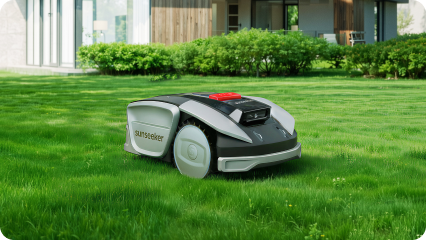
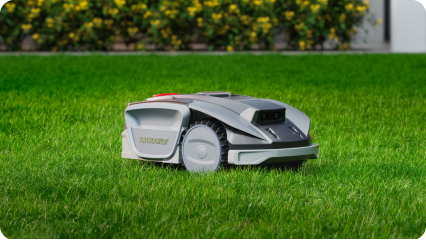
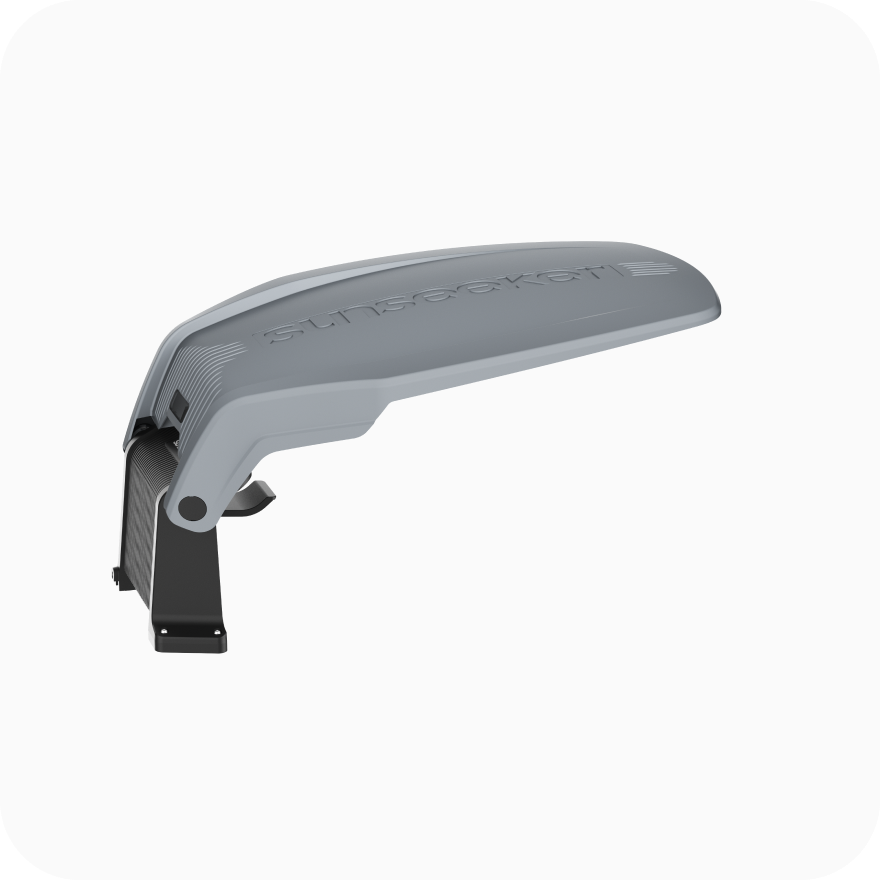
After removing clover and reseeding bare patches, give the new grass enough time to establish before mowing. Once the lawn is ready, the Sunseeker S4 can simplify ongoing maintenance with its AllSense™ navigation, which eliminates the need to install boundary wires across your newly repaired lawn.

Conclusion
A clover-free lawn depends on more than removing the plants you can see. Because clover spreads through runners that develop new roots, small patches should be removed carefully, while larger infestations may need a suitable broadleaf herbicide. Once the clover is gone, reseed exposed soil and address any conditions that weaken the surrounding grass.
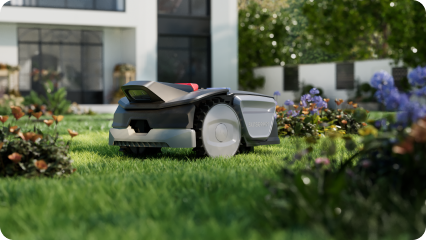
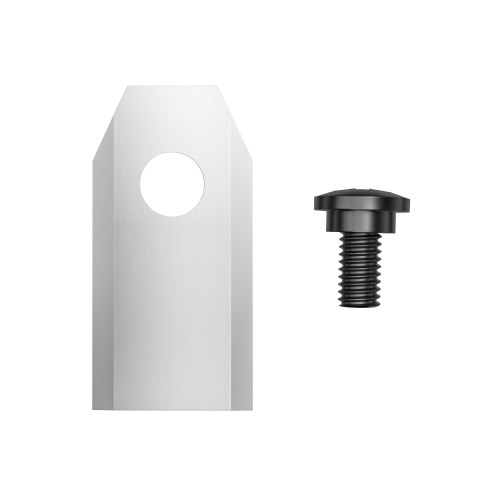
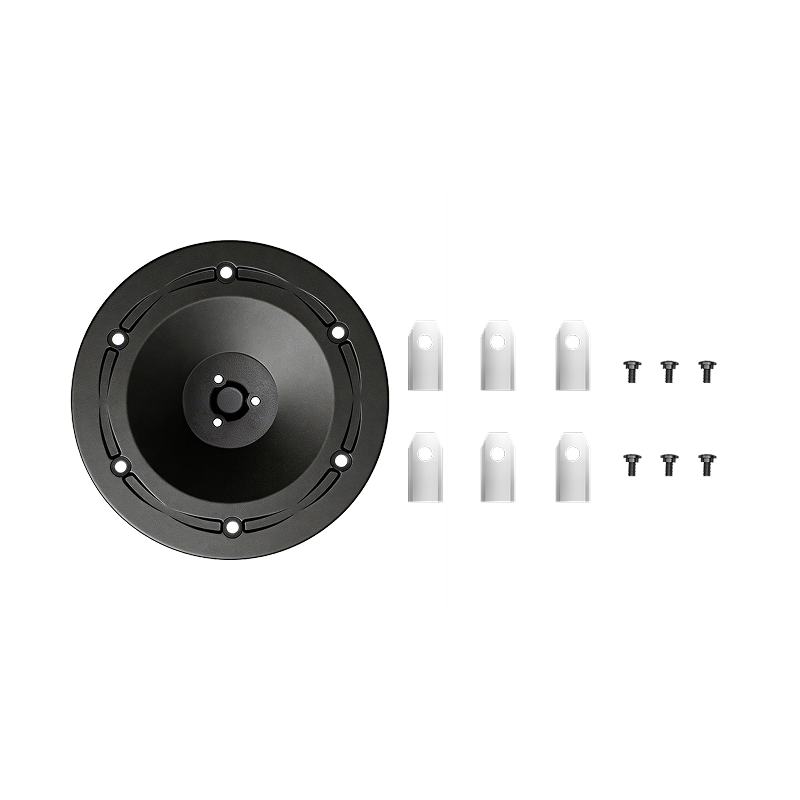
Keeping the lawn thick and mowing at the right height can help limit new growth. For ongoing maintenance, robot mowers with mulching blades can cut grass into fine clippings that break down and return nutrients to the soil, supporting thicker, healthier grass that leaves less room for clover to grow.
FAQ
Is Clover Actually Harmful to a Lawn?
Not necessarily. White clover can stay green in soil with low nitrogen levels and produce flowers that attract pollinators. It can also help add nitrogen to the soil. However, some homeowners prefer a lawn made entirely of grass, and spreading clover can affect its appearance. Whether you should remove it depends on the type of lawn you want.
How Long Does It Take to Reduce a Large Clover Patch?
Larger, established clover patches may take around 4–12 weeks to show a noticeable reduction, depending on the removal method and growing conditions. Some rooted runners may survive and produce new growth, requiring additional treatment. Restoring the grass can take longer because new seeds need time to germinate and establish.
Should You Remove Clover Before Overseeding?
Yes. Removing or reducing the existing clover first gives new grass seed a better chance to grow without competing with established plants. After clearing the area, loosen the soil and spread the grass seed when growing conditions are suitable. If you used an herbicide, check the product label for the required waiting period before reseeding.