Brown patches can look similar even when they have different causes. For example, grass damaged by pet urine needs different care than grass struggling in compacted soil. Simply adding new seed without addressing these conditions may leave you with the same problem a few weeks later.
To get lasting results, you need to repair both the damaged grass and the conditions that caused it to die. This guide explains how to fix dead grass patches on your lawn, choose the right repair method, and care for new growth until it blends with the surrounding grass.
What Killed the Grass in That Spot?
Before repairing dead grass patches, it's important to understand what caused them. Brown or bare areas can develop for several reasons, and each may require a different solution. Check the following signs to help identify the problem before planting new grass.
Drought and Water-Repellent or Compacted Soil
Grass that does not receive enough water can turn brown, but it may not be completely dead. Check whether the base of the grass is still alive and look for new green growth after watering. You should also examine the soil about 5–10 cm deep to see whether it is dry.
Water may also have trouble reaching the roots if the soil is compacted or repels moisture. When water runs off the surface instead of soaking in, the deeper soil can remain dry. Try pushing a screwdriver into the ground. If it is much harder to push into the damaged area than nearby healthy soil, compaction may be part of the problem.
Pet Urine, Fertilizer, or Chemical Burn
Small yellow or brown patches can develop when grass is exposed to concentrated pet urine or too much fertilizer. Pet urine damage often appears as a brown center surrounded by greener grass. Fertilizer burns may follow the path of a spreader, while spilled chemicals or fuel can leave clearly defined dead areas.
For recent urine or soluble fertilizer spills, watering the affected area may help dilute the excess concentration. However, once the grass has completely died, watering alone will not restore it. You will need to address any remaining soil problems before replacing the dead grass.
Grubs, Insects, or Lawn Disease
Root damage is another possible reason for dead grass patches. When grubs or other insects feed on grass roots, the affected turf may become loose and easy to pull up. Lawn diseases can also cause brown patches, sometimes with unusual spots, rings, or discoloration on the leaves.
To identify the cause, inspect the grass and soil carefully. Look for insects near the roots or signs of disease on the leaves. Avoid applying pesticides or fungicides until you know what is causing the damage, as unnecessary treatments may not solve the problem.
Scalping, Traffic, or Buried Debris
Uneven ground can cause lawn mowers to cut certain areas too short, a problem known as scalping. Repeated foot traffic can also compact the soil and weaken grass roots. In some cases, buried rocks or construction debris prevent roots from growing deeply enough to reach moisture.
Check the damaged area for hard objects, shallow soil, or uneven ground. Compare it with nearby healthy grass to identify any differences. Removing obstacles or improving the soil before reseeding can help prevent the same problem from happening again.
How to Repair a Dead Grass Patch Step by Step
Once you have identified and corrected the cause, you can begin repairing the damaged area. The goal is to create suitable conditions for new grass to grow while keeping the repaired patch level with the surrounding lawn. Follow these steps to restore your grass.
Step 1. Rake Out Dead Grass and Loosen the Soil
Use a garden rake to remove dead grass, loose roots, and other debris until the soil is visible. Leave any healthy grass around the edges in place, as it may help the repaired patch blend with the rest of the lawn.
Next, gently loosen the the top 5 to 10 cm of soil with a rake or hand cultivator. This makes it easier for new roots to develop and allows water to soak into the ground. Avoid making the soil too loose, as it may sink after watering.
Step 2. Level and Prepare the Patch
After clearing the area, check whether the soil is level with the surrounding grass. If the damaged patch has become lower, add a small amount of suitable topsoil and spread it evenly with a rake.
Gently press the soil down to create a firm, level surface. Avoid adding too much soil, as raised areas may be cut too short during future mowing. A smooth surface will also help the new grass grow evenly with the rest of the lawn.
Step 3. Reseed or Lay Matching Sod
Choose grass seed or sod that matches your existing lawn and growing conditions. For reseeding, spread the recommended amount of seed over the prepared soil, rake it in lightly, and gently firm the surface. Larger patches may be easier to repair with matching sod, which provides immediate grass coverage.
For cool-season grasses, spring and early fall are usually good times for lawn repair. Warm-season grasses are better repaired in late spring to early summer, when the soil is consistently warm and the grass is entering active growth.
Step 4. Water Until the New Grass Establishes
Freshly planted grass seed needs consistent moisture to germinate. Water gently with a fine spray to keep the soil surface moist without creating puddles. As the grass develops stronger roots, gradually water less often but more deeply. Newly installed sod also needs enough water to reach the soil underneath.
Too much water can wash away seeds or leave the soil overly wet. Instead of following a fixed watering schedule, check the soil regularly and adjust based on the weather and how quickly the surface dries.
When Can a Bare Patch Fill In Without Reseeding?
Not every bare patch needs new grass seed. Some grass varieties can spread sideways and gradually fill small gaps, while others mainly grow in clumps and cannot easily cover empty spaces. The table below explains when natural recovery may be possible.
| Grass growth habit |
Small bare patch |
Larger bare patch |
| Spreading grasses with rhizomes or stolons |
May fill gradually from living edges if soil and moisture are suitable |
Often too slow for a large opening |
| Bunch-type grasses such as many ryegrasses and fescues |
Individual plants can enlarge but do not strongly creep across bare soil |
Usually stays open without new plants |
Even if your lawn contains spreading grass, the damaged area may not recover if the soil problem remains. Compacted ground, poor watering, or chemical damage can prevent healthy grass from spreading into the bare patch.
How Do You Care for the Repair Until It Blends In?
New grass needs careful attention while its roots become established. Even after the seeds germinate or new sod is installed, heavy foot traffic and mowing too early can damage the repaired area. The following practices will help the grass grow strong enough for normal lawn use.
Keep the Surface Moist During Germination
During germination, the top layer of soil needs to stay moist so the seeds can absorb enough water to grow. Check the repaired area daily, especially during warm or windy weather, and use a gentle spray to prevent seeds from washing away.
As the seedlings grow, their roots begin reaching deeper into the soil. At this stage, gradually reduce watering frequency while allowing the water to soak further into the ground. This encourages stronger root development.
Limit Traffic While Roots Establish
Newly planted grass can be easily damaged by people, pets, or heavy objects moving across the area. Young seedlings may be pulled out of the soil, while newly installed sod can shift before its roots become firmly attached.
A repaired patch near a walkway or frequently used part of the yard may need temporary protection. Place small barriers or markers around it and encourage people to use another route until the grass is strong enough to handle regular foot traffic.
Resume Mowing Only After New Grass Is Ready
Wait until the repaired grass is firmly rooted and tall enough for its first cut. You can gently tug a few blades to check whether the roots are holding the soil. When mowing, use a sharp blade and remove no more than one-third of the grass height.
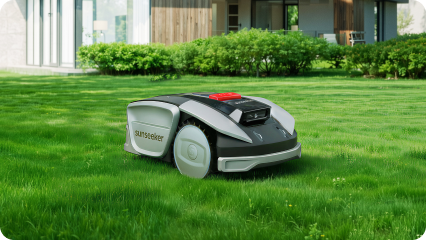
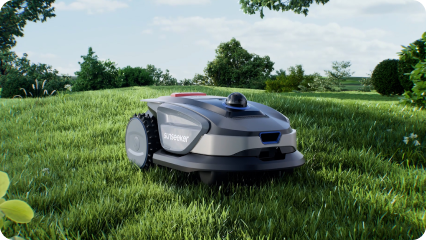
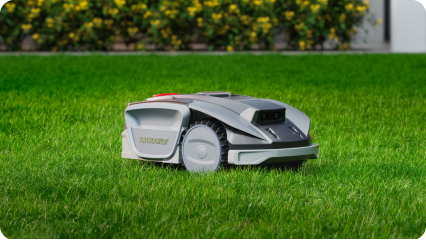
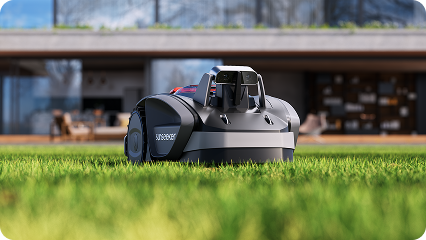
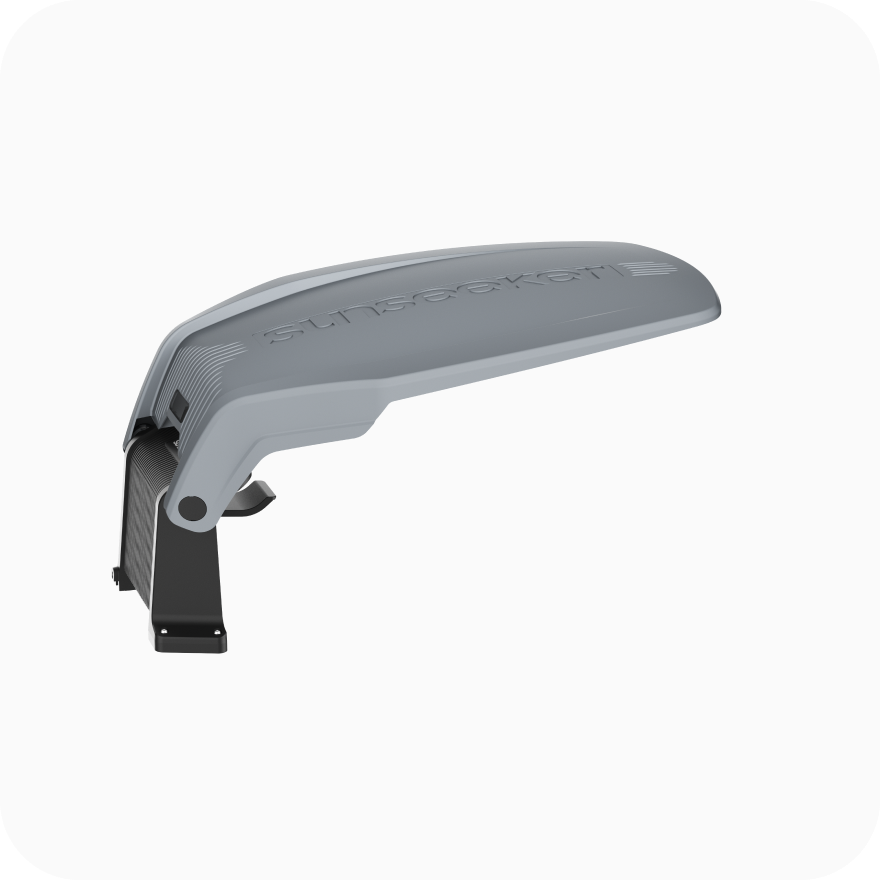
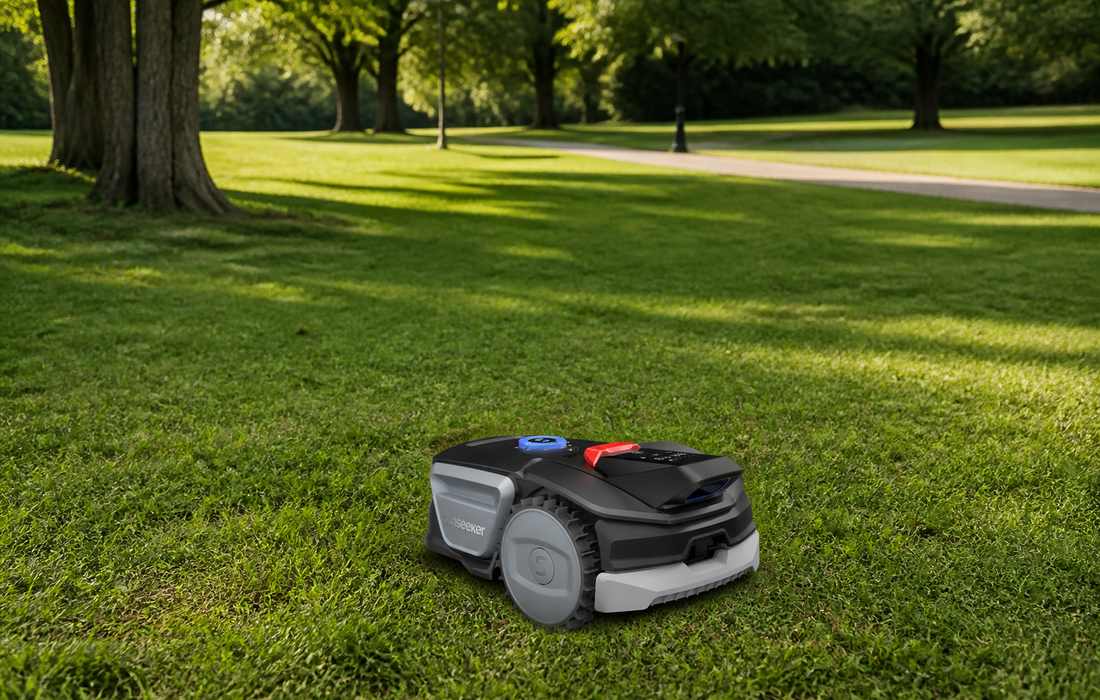
Once the repaired area is ready for normal mowing, the Sunseeker V1 can help with ongoing lawn maintenance. Weighing just 6.7 kg, this robotic mower uses Vision AI technology and is designed for lawns up to 300 m². It provides a convenient way to maintain regular grass cutting after the new lawn has become established.
How Do You Prevent the Same Patch From Dying Again?
After the repaired grass has recovered, preventing the same problem is just as important as the repair itself. Since dead patches can have different causes, the best prevention method depends on what damaged the grass in the first place. Use these tips to reduce the risk of future damage.
For drought: Water deeply enough to reach the roots and improve areas where water runs off instead of soaking into the soil.
For pet urine: Rinse fresh urine spots with water when possible and encourage pets to use different areas rather than the same spot repeatedly.
For fertilizer burns: Measure fertilizer carefully, follow the recommended application rate, and avoid spreading too much product over the same area.
For compacted soil: Aerate affected areas when the grass is actively growing and reduce repeated foot traffic where possible.
For pests or diseases: Regularly inspect previously damaged areas for signs of new problems and apply treatments only after identifying the cause.
For mowing damage: Keep mower blades sharp, avoid cutting uneven areas too short, and follow the one-third rule to reduce stress on the grass.
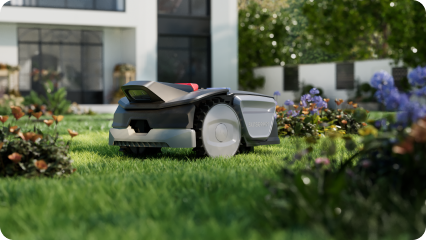
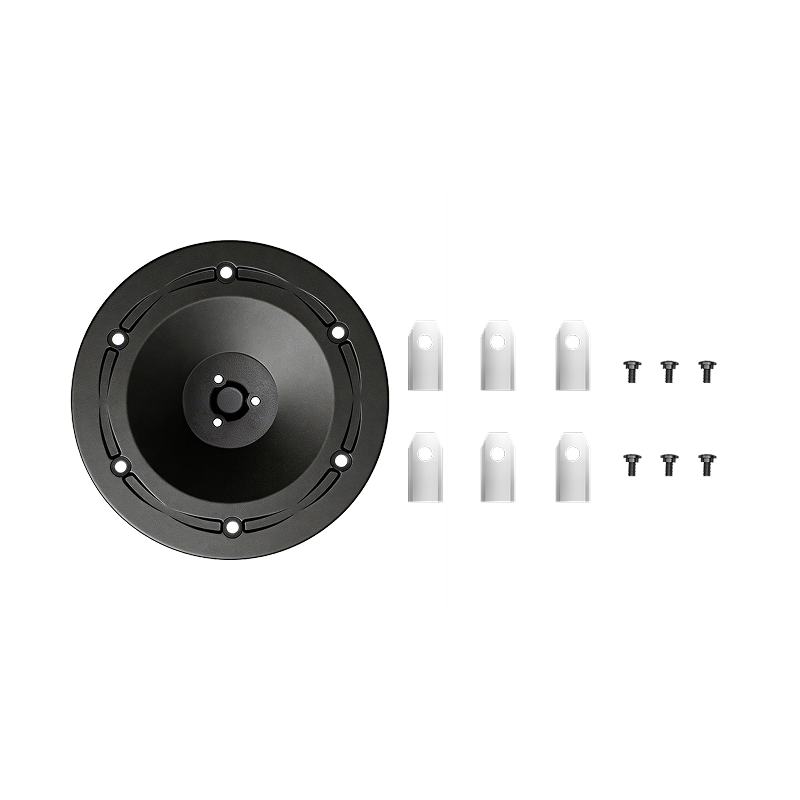
Once the repaired areas are fully established, robot mowers with mulching blades can help maintain the grass with frequent, light cuts. Their mulching blades produce fine clippings that break down and return nutrients to the soil, supporting healthy grass growth without leaving large piles of cut grass.
Conclusion
A bare patch that keeps coming back often means something in that part of the lawn still needs attention. Whether the cause is dry soil, damaged roots, chemical burns, or mowing too short, identifying the problem before reseeding can save you from repeating the same repair. After correcting the cause, remove dead grass, prepare the soil, and plant matching seed or sod. Give the new grass enough time to develop strong roots before returning to regular mowing and foot traffic. Addressing the original problem will help the repaired area stay healthy and blend naturally with the rest of your lawn.
FAQ
What Is the Best Season to Repair Dead Grass Patches?
The best repair season depends on the grass type. Cool-season lawns are usually repaired in spring or early fall, with early fall often providing warm soil and milder air temperatures. Warm-season lawns are better repaired in late spring to early summer, once the soil has warmed and active growth has begun. Avoid reseeding during extreme heat, drought, or periods close to frost.
When Can You Mow a Newly Seeded Repair Patch?
Wait until most of the new grass reaches approximately 7–8 cm and its roots are firmly established. Set the mower high enough to remove no more than one-third of the grass height. If the mower wheels pull up seedlings or leave marks in the soft soil, allow the grass more time to grow before mowing again.
Should You Fertilize a Newly Repaired Lawn Patch?
Fertilizer may help new grass grow if the soil lacks important nutrients, but it is not always necessary. A starter fertilizer can be useful when recommended for your soil and grass type. However, applying too much can damage young seedlings. If the original grass died from fertilizer burn, check the soil condition before adding more nutrients.