Brown spots can show up for very different reasons. Heat, dry soil, insects, disease, or chemical damage may all leave similar marks at first, but they do not recover in the same way. Some patches bounce back after better watering, while others need reseeding or repair.
This guide explains how to fix brown spots in your lawn by first looking at how the damage feels, spreads, and responds to moisture. From there, you can narrow down the cause and choose a fix that actually matches the problem.
Are the Brown Spots Stressed, Dormant, or Dead?
Before deciding how to treat brown grass, check whether it is still alive. Brown leaves do not necessarily mean the entire plant has died. Gently separate the grass blades and examine the base of the plant, known as the crown, for signs of green tissue. If the soil is dry, water a small area and watch for new growth. Dormant or drought-stressed grass may recover once moisture and growing conditions improve.
Dead grass, on the other hand, will not produce new growth even after the original problem is corrected. Its roots may be damaged or missing, and the grass may pull away easily from the soil. If this happens, check for root-feeding insects. Soil that remains dry after watering may also indicate compaction or poor water absorption.
Give the grass some time to recover before reseeding. Planting new seed too early may be unnecessary if the existing grass is only dormant. It can also create patches with different grass colors or textures once the original lawn starts growing again.
What Is Causing the Brown Spots in Your Lawn?
Brown spots can develop for several reasons, and their shape, location, and surrounding conditions often provide useful clues. The table below explains common causes and what to check before choosing a treatment.
| Signs or Appearance |
Possible Cause |
What to Check |
| Large brown areas after hot, dry weather |
Drought stress |
Check soil moisture 5–10 cm below the surface |
| Small brown patches, sometimes surrounded by darker green grass |
Pet urine or fertilizer burn |
Look for areas where pets urinate or fertilizer was applied unevenly |
| Circular or spreading brown patches during humid weather |
Fungal disease |
Inspect grass leaves for spots, discoloration, or other unusual marks |
| Loose grass with damaged roots and animals digging nearby |
Grubs or other insects |
Lift a small section of turf and look for live insects near the roots |
| Thin or dry grass growing in hard soil |
Soil compaction or thick thatch |
Check soil hardness and the amount of dead material near the base of the grass |
| Brown stripes, damaged high spots, or marks along walking paths |
Mowing damage or foot traffic |
Check mowing height, uneven ground, and areas with frequent traffic |
These signs can help narrow down the problem, but they do not always confirm the exact cause. More than one issue may affect the same area. For example, grass weakened by drought may also become more vulnerable to foot traffic or disease.
How Should You Fix Brown Spots Based on the Cause?
The best way to repair brown spots depends on what caused the grass to change color. Some problems can be corrected through watering or improved lawn care, while others require pest control or replacing dead grass. Here is how to handle each situation.
Rehydrate Drought-Stressed Grass
Dry soil can cause grass to turn brown as it struggles to get enough moisture. If the roots and crowns are still alive, water the affected area deeply so moisture reaches the root zone. When water runs off or stays on the surface, gentle repeated watering or soil aeration may help it soak in more effectively.
Avoid applying large amounts of fertilizer while the grass is stressed by heat or drought. Instead, focus on restoring proper moisture and allow the lawn to recover before encouraging additional growth.
Flush and Repair Pet or Fertilizer Burn
Concentrated pet urine and excessive fertilizer can damage grass by creating high salt levels around the roots. When the damage is recent, watering the affected area promptly may help dilute the concentration and reduce further injury.
However, watering will not bring back grass that has already died. Remove the dead material and reseed if no healthy growth returns. To prevent fertilizer burns, measure the correct amount and avoid applying too much product over the same area.
Treat Lawn Disease Only After Identifying the Disease
Brown patches that spread during warm, humid weather may indicate a lawn disease, especially when grass leaves show spots or unusual discoloration. However, several diseases can cause similar symptoms, so identifying the problem is important before applying treatment.
Depending on the disease, improving airflow, reducing excessive watering, or adjusting fertilizer use may help. Fungicides are not always necessary. Only use one when the disease has been identified and the product is labeled for that specific problem.
Control Active Grubs or Insects Before Repairing Turf
Grass that pulls up easily with very few roots may have been damaged by grubs or other root-feeding insects. Lift small sections of the affected turf and examine the soil for live pests. Check several locations, as insects may not be evenly distributed across your lawn.
When an active infestation is confirmed and treatment is needed, control the pests before planting new grass. After treatment, inspect the soil again to make sure the insects are no longer causing damage. Otherwise, newly planted grass may suffer the same problem.
Relieve Compaction, Thatch, or Mowing Damage
Hard soil, thick thatch, and improper mowing can all contribute to brown spots. Aerate compacted areas when the grass is actively growing, remove excessive thatch when appropriate, and adjust your mowing height to avoid cutting the grass too short. Uneven ground may also need leveling to prevent repeated scalping.
For areas damaged by frequent foot traffic, try redirecting people to another route or protecting the affected section. This reduces pressure on the soil and gives the grass a better chance to recover.
When Do Brown Spots Need Reseeding or Sod?
Not every brown patch needs to be replaced with new grass. Some areas may recover naturally once the cause is corrected, while others have lost too many roots or living plants. The following signs can help you decide whether reseeding or sod is necessary.
Grass That Does Not Recover After the Cause Is Fixed
After correcting problems such as dry soil or improper watering, give the grass time to show signs of recovery. Healthy plants should gradually produce new green growth as conditions improve. If the surrounding lawn becomes green again but the affected patch remains completely brown, the grass may be dead.
Recovery does not always happen immediately. Depending on the grass type and weather, it may take one to three weeks to see noticeable improvement. Avoid reseeding until you are reasonably sure the existing grass will not recover.
Bare Soil or Dead Crowns Across the Patch
Some brown patches have no living grass left, especially when the roots or crowns have been severely damaged. In these situations, waiting for the dead plants to recover will not work. Remove the dead material, prepare the soil, and plant matching grass seed or sod.
Certain spreading grass varieties can gradually fill small gaps from the surrounding lawn. However, larger bare areas usually recover faster when you actively repair them rather than waiting for nearby grass to spread.
When You Need Faster Recovery
If the damaged area needs to look green again quickly, active repair is usually better than waiting for surrounding grass to spread. This is especially useful for visible lawn areas, high-use zones, or patches that would otherwise remain bare for several weeks.
Sod provides the fastest visual recovery because it covers the soil immediately, although the roots still need time to establish. Reseeding takes longer but can work well when appearance is less urgent and the patch can be kept consistently moist during germination.
How Do You Prevent New Brown Spots?
Once your lawn has recovered, regular maintenance can help prevent new brown areas from developing. However, different problems require different preventive measures. Use the following tips based on the conditions that previously damaged your grass.
Water according to soil moisture. Check whether water is reaching the roots instead of watering every area for the same amount of time.
Apply fertilizer carefully. Measure the recommended amount and spread it evenly to avoid concentrated areas that may burn the grass.
Manage pet urine spots. Rinse fresh urine spots with water when practical and encourage pets to use different areas of the yard.
Mow at the right height. Avoid cutting more than one-third of the grass height at once, especially during hot or dry weather.
Keep mower blades sharp. Dull blades can tear grass instead of cutting it cleanly, leaving damaged tips that may turn brown.
Improve compacted soil. Aerate areas with heavy foot traffic to help water reach the roots and encourage healthier grass growth.
Watch for pests and diseases. Check areas with a history of damage and only apply treatments when the problem has been identified.
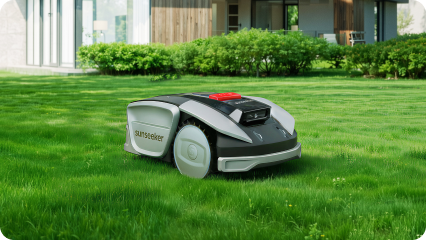
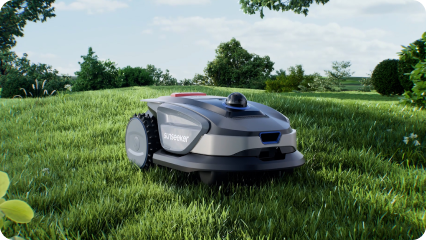
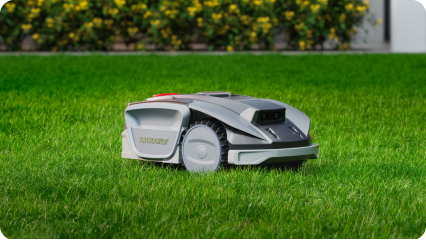
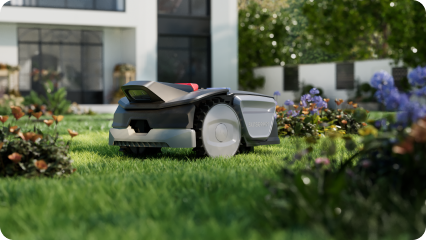
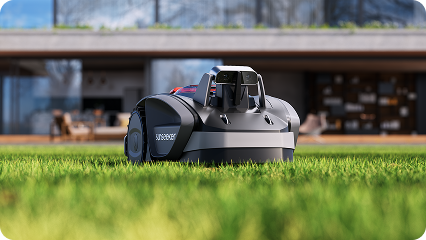
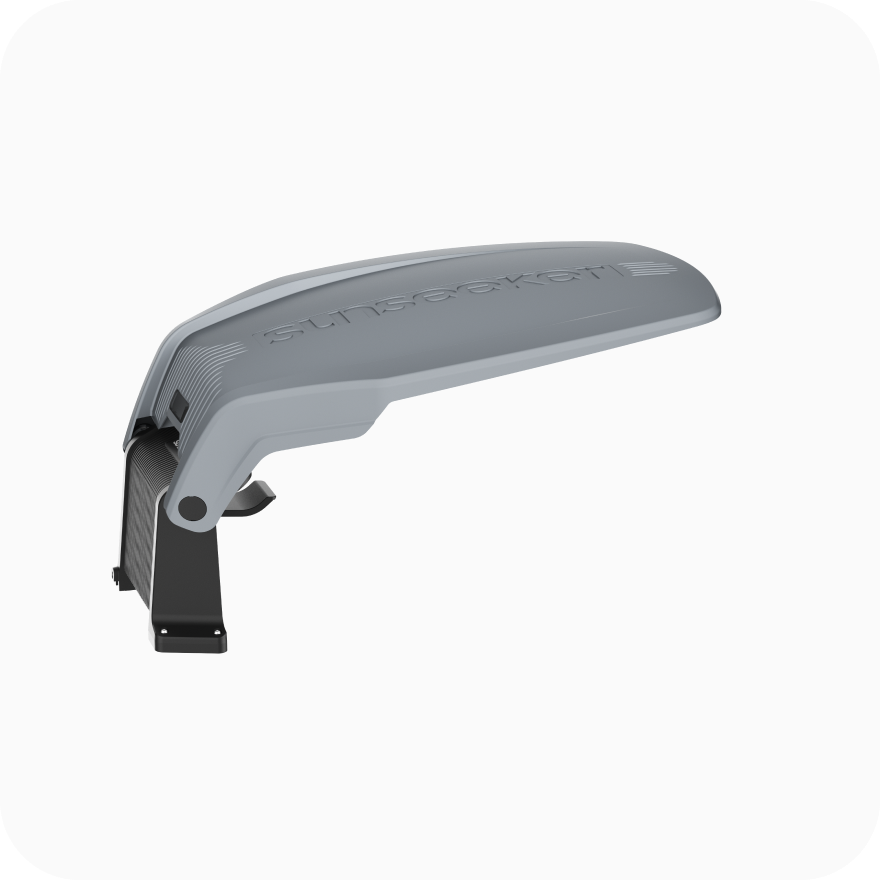
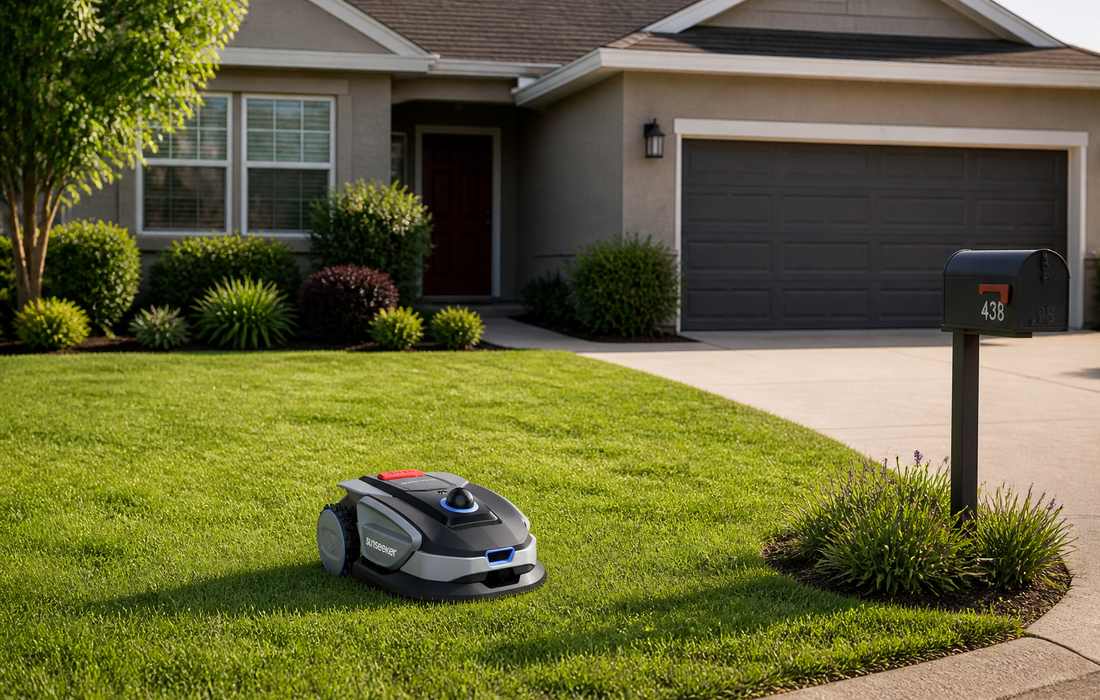
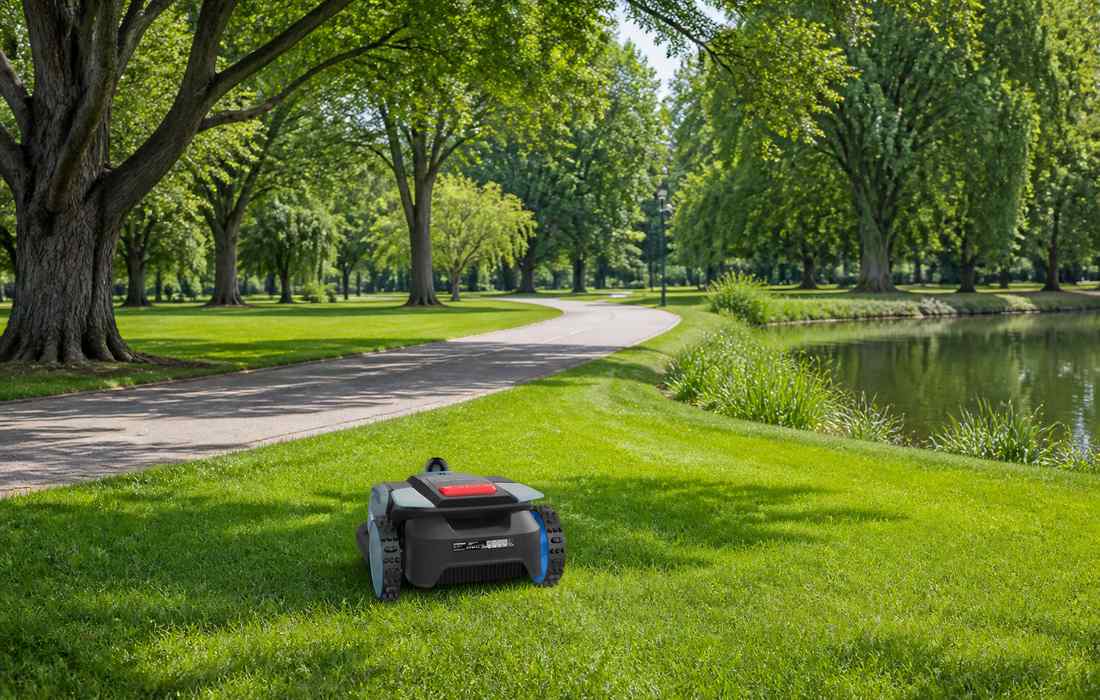
Keeping your grass at a consistent height can also help you recognize unusual brown patches more easily. The Sunseeker S4 robotic lawn mower uses AllSense™ navigation without requiring boundary wires, making it easier to maintain a regular mowing routine. With a consistent cutting height, you can focus on identifying other possible causes when new brown spots appear.
Conclusion
The next time you notice brown spots in your lawn, check whether the grass is still alive before deciding to replace it. Some patches may recover with better watering or lawn care, while others need more attention because of pests, disease, or damaged roots. Identifying the cause helps you choose the right treatment and avoid unnecessary reseeding. When the grass is completely dead, repair the area with matching seed or sod after correcting the underlying problem. Once your lawn has recovered, robot lawn mowers without perimeter wires can help maintain a consistent mowing routine without the hassle of installing boundary wires around your yard.
FAQ
How Long Does Drought-Stressed Grass Take to Green Up After Watering?
Grass affected by drought may begin showing new green growth within approximately 7–14 days after receiving enough water and more favorable temperatures. However, full recovery can take longer depending on how severely the grass was stressed. If the drought lasted several weeks, some plants may have died. Check for new growth near the base rather than expecting existing brown leaves to turn green again.
Can Dog Urine Spots Recover Without Reseeding?
Yes, mildly damaged grass may recover if the roots and crowns are still alive. Watering a fresh urine spot can help dilute the concentrated salts and reduce further damage. However, areas where the grass has completely died will usually need reseeding or sod. Once the roots and crowns are dead, additional watering alone will not restore the patch.
When Should You Test the Soil Under Recurring Brown Spots?
Consider checking the soil when brown spots repeatedly appear in the same location despite proper watering and mowing. Hard, compacted, poorly drained, or unusually dry soil may be preventing healthy grass growth. A laboratory soil test can also help identify nutrient deficiencies or pH problems before you make changes to your fertilization routine.