Bare patches can develop for several reasons. A dog may repeatedly use the same corner of the yard, tree roots may compete with grass for moisture, or a mower may scalp a raised section of the lawn. Some bare spots are only a few centimetres wide, while others gradually expand into larger areas of exposed soil. Although patch size influences the repair method, identifying the underlying cause is equally important. Reseeding alone, for example, will not solve recurring damage caused by heavy foot traffic or standing water.
In most cases, localized repairs are the most efficient approach. Preserve the healthy grass around the damaged area, prepare the exposed soil, and select a grass variety that matches your existing lawn. Whether you choose seed, sod, or plugs depends on your grass species, the size of the bare patch, and how quickly you want the area to recover.
What Caused the Bare Spot in Your Lawn?
Look at the shape and location of the damage before you choose a repair. A single bare spot and a repeating pattern across the lawn often point to different problems.
Pet urine
a small, irregular dead center may have a darker green ring around it where nitrogen from urine has diluted into the soil.
Foot traffic
compacted soil and worn paths appear near gates, play equipment, trash bins, or shortcuts across the yard.
Insects or disease
grass may thin in expanding patches, pull up easily, or show damaged roots and leaf blades. Confirm the cause before applying a pesticide or fungicide.
Water problems
a bare area may sit beside a leaking sprinkler, at the bottom of a slope, or where runoff repeatedly washes soil away.
Mowing damage
scalping on a high spot, dull blades, or turning a mower on soft turf can remove grass and expose soil.
Shade or root competition
areas beneath dense tree canopies may remain thin because the grass receives too little light or competes with tree roots for moisture.
After identifying the possible cause, inspect the affected area more closely with a hand trowel. Check whether the soil is compacted, too dry, or waterlogged, as these conditions may prevent grass from growing properly. If the grass lifts easily with little or no root attachment, check for possible insect or disease damage. Addressing these issues before planting will give the new grass a better chance to establish and grow.
Should You Repair Bare Spots With Seed, Sod, or Plugs?
The best repair material depends on the grass you already have. A seed blend is flexible for cool-season lawns, while warm-season grasses that spread by runners or rhizomes often establish more reliably from sod or plugs.
| Repair method |
Best fit |
Typical speed and trade-off |
| Grass seed |
Cool-season lawns such as tall fescue, ryegrass, or bluegrass; larger thin areas |
Lowest material cost, but germination and rooting take several weeks and require steady moisture |
| Sod |
Larger bare areas or a need for immediate surface cover; useful for warm- or cool-season turf when matching sod is available |
Immediate green cover; roots need roughly 2-3 weeks or longer to knit into soil depending on season and moisture |
| Plugs |
Spreading warm-season grasses such as bermudagrass or zoysia |
Slower to cover the whole patch; spacing and active growing season determine how quickly runners fill gaps |
For cool-season lawns, grass seed is often the simplest solution for bare patches several centimetres wide or larger. Very small gaps of less than about 10 cm may fill in naturally when the surrounding turf is healthy, and the original cause has been addressed.
For warm-season lawns, plugs can gradually spread across the damaged area, while sod provides faster coverage for larger patches. Whichever method you choose, use the same grass species or a compatible cultivar to maintain a consistent lawn color, texture, and growth pattern.
How Do You Patch a Bare Spot With Grass Seed?
Seed repair works best when the exposed soil is clean, loose, and in contact with the seed. Keep the work within the damaged area rather than disturbing the healthy grass around it.
Step 1. Clear the Bare Patch
Remove dead grass, weeds, loose thatch, stones, and any debris that blocks soil contact. Use a hand rake for a small patch and a garden rake for a larger one. If the area contains a weed or disease problem, deal with that cause first and follow the treatment label's reseeding interval. Do not bury dead material under new soil and seed.
Step 2. Prepare the Patch Soil
Loosen the top 3 to 5 cm of soil with a hand cultivator. Break up hard clods and level the surface so water does not collect in a small bowl. If the soil is compacted, make several small holes with a garden fork or use a core aerator on a larger patch. Add a thin layer of screened topsoil or compost only when needed to improve the seedbed; avoid creating a different soil texture from the surrounding lawn.
Step 3. Spread Matching Grass Seed
Select seed that matches the existing turf and the amount of sunlight the patch receives. Follow the bag's overseeding or repair rate rather than the rate for a brand-new lawn. Spread half the seed in one direction and the rest across it. This cross pattern helps avoid bare strips and dense clumps. Press seed into the surface with the back of a rake or a light pass with a small roller.
Step 4. Cover the Seed Lightly
Rake the seed so it sits just below the surface, generally around 3 to 6 mm deep for common lawn grasses. A thin layer of screened soil or compost can help keep moisture near the seed, but too much cover blocks light and slows emergence. The seed should remain visible through the loose surface rather than being buried under a thick layer.
Step 5. Water the Patch Gently
Use a fine spray to moisten the seedbed without washing seed away. Keep the upper soil layer evenly moist during germination. In warm, windy weather, that may require more frequent light watering; in cool or shaded conditions, check the soil before adding more. After the seedlings emerge, gradually water less often and more deeply so roots develop below the surface.
When Is a Repaired Bare Spot Ready for Mowing and Use?
Do not mow by the calendar alone. Seeded grass is ready for its first cut when it reaches roughly one-third above the target mowing height and has rooted firmly enough to resist a gentle tug. For many cool-season lawns, that means waiting until seedlings are around 9 to 10 cm tall before the first cut. Use a sharp blade, mow when the soil is firm, and remove no more than one-third of the leaf height.
Sod needs time to root into the soil. Check a corner gently after about two to three weeks; if the sod resists lifting and the roots have begun to knit, it may be ready for a light first mow. Plugs need longer to spread. Avoid heavy play or repeated foot traffic until the repaired grass is rooted and the surface no longer shifts underfoot.
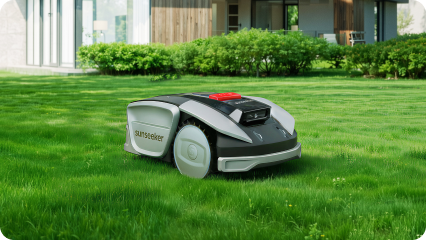
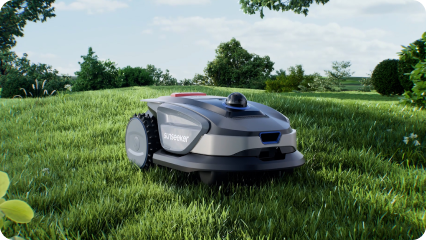
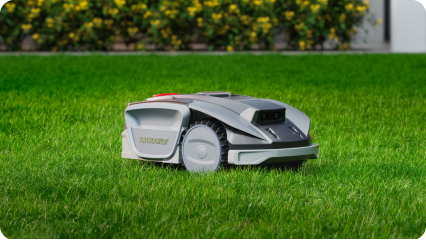
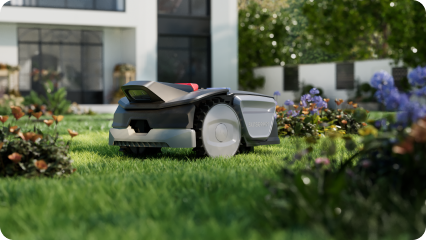
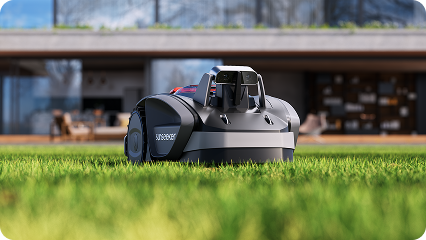
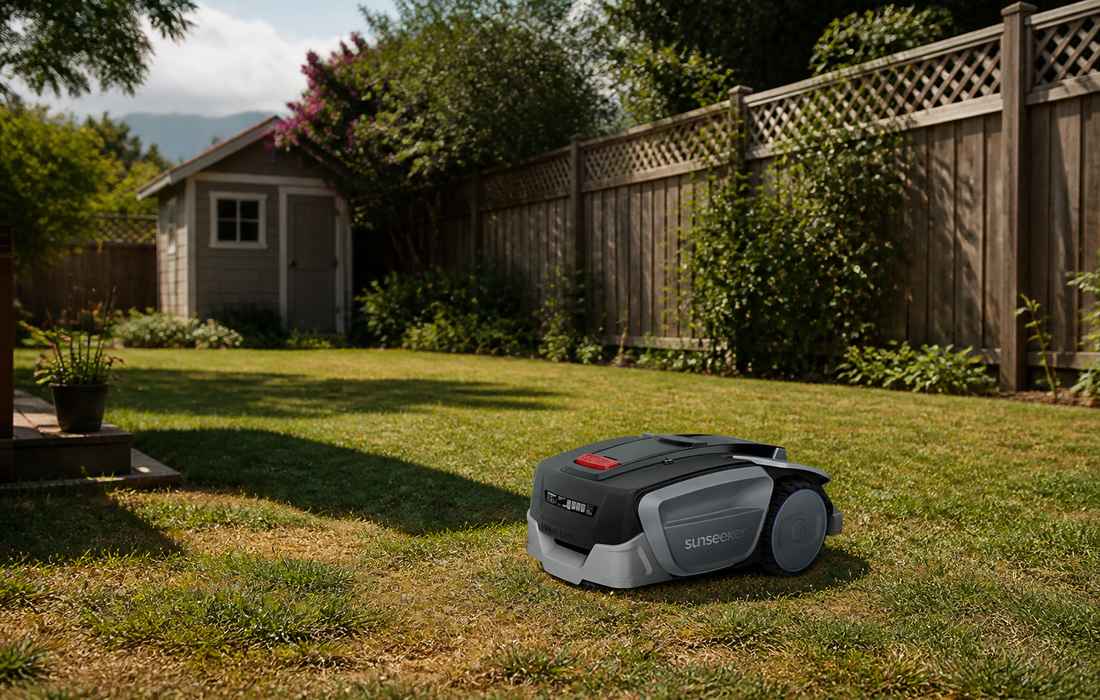
Once the repaired areas are established, a mapped mowing routine can help maintain an even cut across separate lawn sections. The Sunseeker S5 uses AWD for slopes up to 60% (30 degrees), AI-assisted mapping, and multi-zone management for up to 80 zones. These features make it easier to manage varied lawn layouts and maintain different sections of your property as your repaired grass continues to grow.
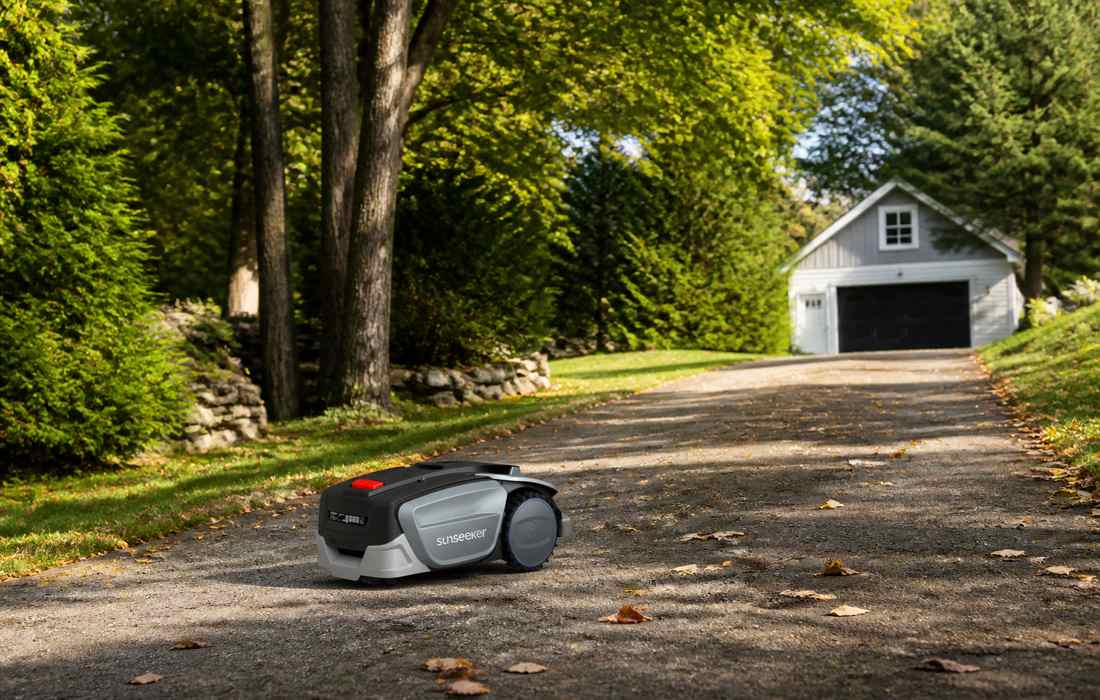
For homeowners who prefer a wire-free setup, Robot Lawn Mowers without Perimeter Wiresoffer a convenient alternative to traditional systems that require buried perimeter cables. These models use virtual boundaries to define mowing areas, making it easier to manage different lawn sections. Once the repaired grass is ready for regular mowing, you can configure the mowing area to include the restored section as part of your routine lawn care.
Conclusion
A bare spot does not always need a full lawn renovation. Find and correct the cause, choose seed, sod, or plugs that match the existing grass, and prepare only the damaged area. With consistent watering and gradual mowing, new grass can establish healthy roots and blend naturally into the surrounding turf. To keep your lawn looking its best, consider a Sunseeker robot lawn mower for convenient, automated mowing and consistent lawn maintenance. With smart mowing technology and features designed for different lawn layouts, Sunseeker helps make ongoing lawn care easier and more efficient.
FAQ
Can You Use a Different Grass Variety for One Bare Spot?
You can, but the patch may look different in color, blade width, and growth rate. Choose a variety compatible with the surrounding grass and suited to the same sunlight and climate. A mismatched seed may create a visible spot that needs more mowing or different care than the rest of the lawn.
Do Bare Spots From Dog Urine Need Special Preparation?
Yes. Remove dead grass, flush the area with water if the urine exposure is recent, and loosen the soil surface before reseeding. A soil test can help if the same spot repeatedly fails. Keep pets off the patch while seedlings establish, and consider changing the route or providing a separate pet area to prevent repeat damage.
Can You Repair Bare Spots Without Digging Up the Whole Lawn?
Yes. Most isolated bare spots can be repaired locally with seed, sod, or plugs. Keep healthy turf intact and disturb only the damaged soil. Full renovation is more appropriate when the desirable grass has largely disappeared, the wrong species covers much of the yard, or widespread soil and drainage problems prevent the lawn from recovering.