When your mower breaks down, it can feel like a race against the clock as the grass grows taller by the day. Knowing how to fix a lawn mower is not just a way to save money on expensive repair shop fees; it’s about having the confidence to keep your yard looking its best at all times.
Whether you are a seasoned DIY enthusiast or a first-time homeowner, many common issues with gas-powered mowers are surprisingly simple to resolve. From fuel delivery problems to mechanical wear and tear, most roadblocks can be cleared with basic tools and a bit of patience.
This guide covers common repairs, from fuel delivery to mechanical wear, helping you decide whether to grab your toolkit or upgrade to a maintenance-free solution.
Common Lawn Mower Problems and DIY Fixes
Lawn mowers often develop issues like starting trouble, uneven cuts, or stalling, but many fixes are simple with basic tools and guidance. Explore practical solutions below.
Note: Before you begin any repair work, safety should be your top priority. Always disconnect the spark plug wire to ensure the engine cannot accidentally fire while you are working near the blades or internal components.
1. Mower Won't Start?
This is perhaps the most common question homeowners face: how to fix a lawn mower that won't start. Generally, an engine needs three things to run: fuel, air, and a spark. If any of these are missing or contaminated, the mower will remain silent.
- First, check the fuel. Gasoline begins to degrade in as little as 30 days. If you left fuel in the tank over the winter, it has likely turned into a gummy varnish that clogs the carburetor. Drain the old gas and replace it with fresh fuel.
- If the mower still won't fire, inspect the spark plug. A fouled or cracked spark plug won't provide the necessary ignition. Replacing it is a five-minute job that costs only a few dollars.
- Finally, check the air filter. A filter choked with dust and grass clippings will suffocate the engine. Clean or replace it to ensure proper airflow.
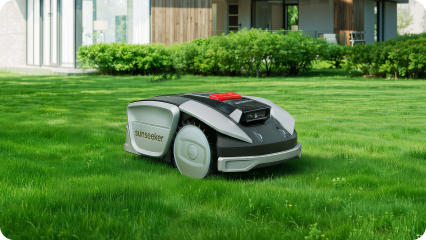
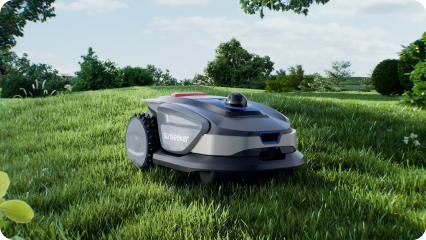
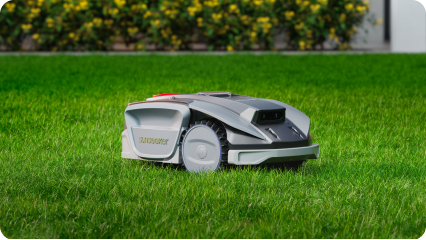
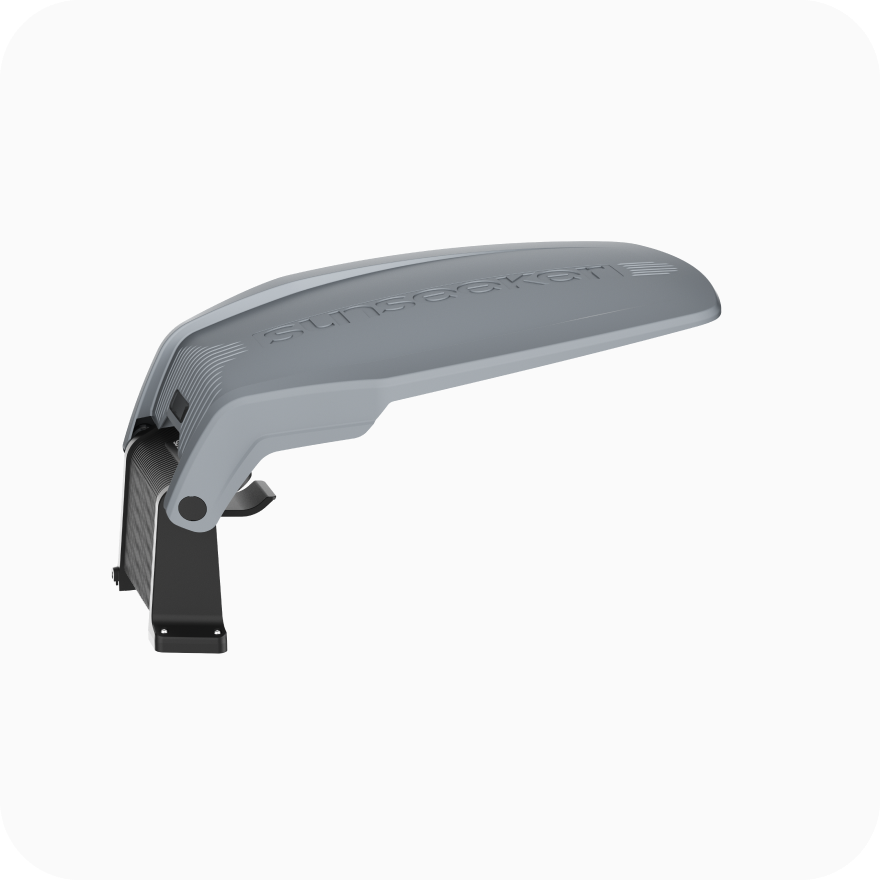
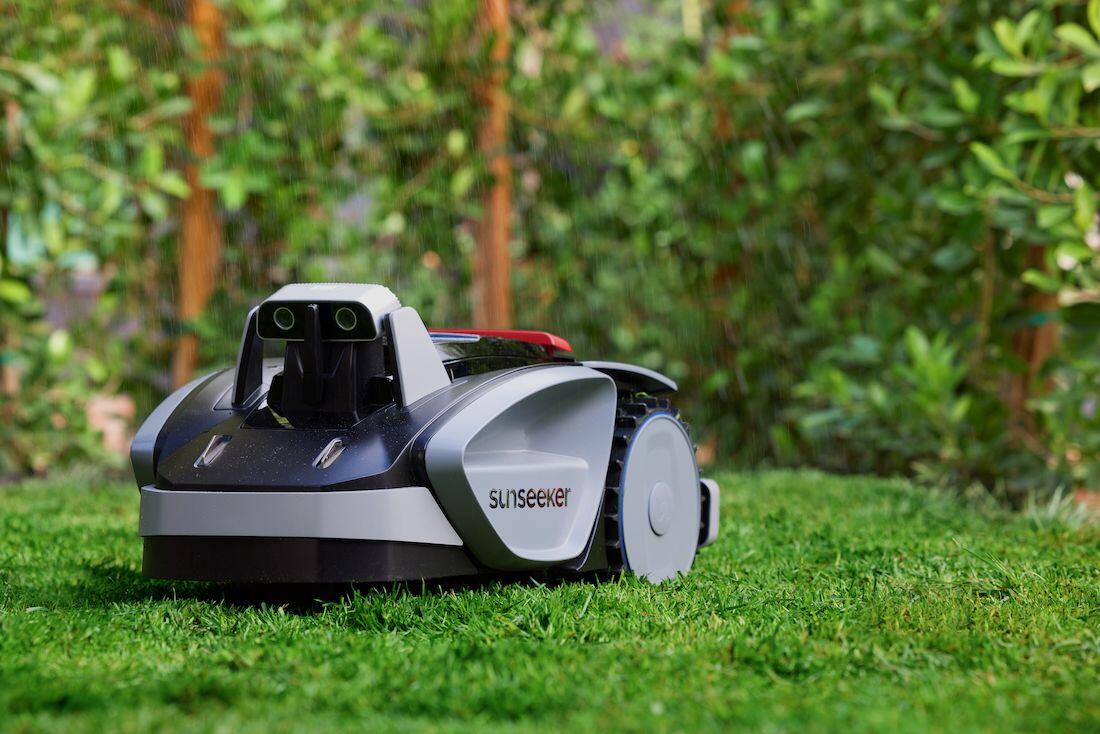
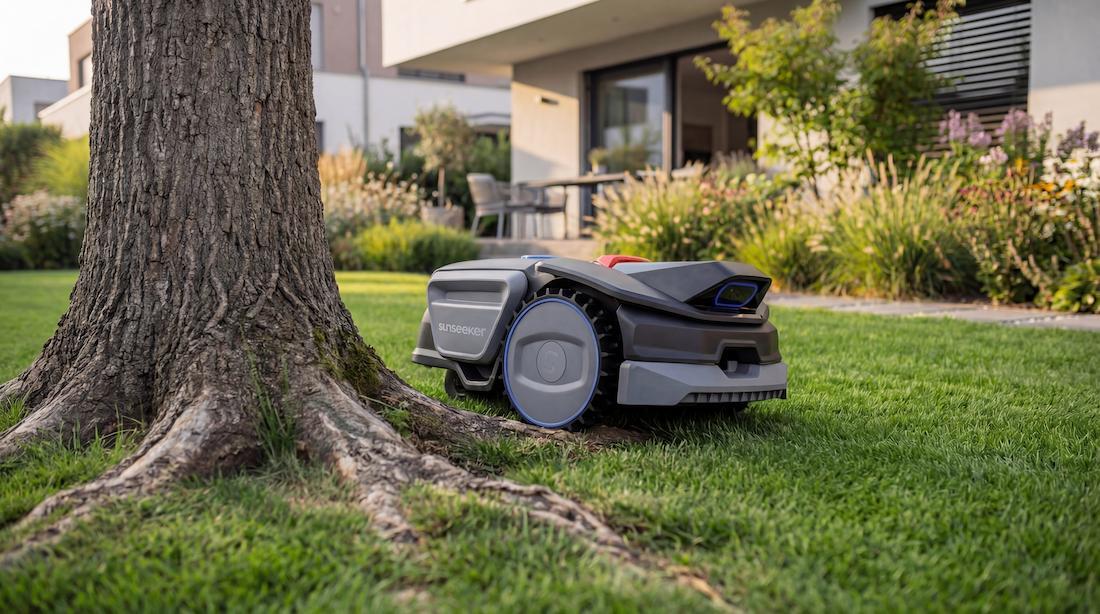
For homeowners who are tired of dealing with spark plugs and oily filters, switching to an electric mower can be a much simpler way to avoid these common maintenance problems. The Sunseeker V1 offers a revolutionary alternative. This smart robotic mower is designed specifically for small gardens and eliminates the starting frustrations of gas engines entirely.
Featuring ReadyGo™ one-click mowing, it allows you to start your lawn maintenance with a single tap rather than a tug-of-war with a starter rope. Since it is a truly wire-free system, you can set it up in just 10 minutes. The Sunseeker V1 uses Vision AI to learn your yard and recognize boundaries without the need for perimeter wires, ensuring a perfect cut every time without the traditional mechanical headaches.
2. Hard-to-Pull Starter Cord
If the rope feels stuck or heavy, follow these steps to learn how to fix the pull string on a lawn mower and get your engine turning again:
- Clear the Deck: Scrape away wet grass clumps from the underside of the mower. A jammed blade will prevent the cord from turning.
- Inspect the Cord: If the string is frayed or broken, knowing how to fix a pull cord on a lawn mowerinvolves removing the starter housing on top of the engine.
- Rewind and Knot: Carefully wind the recoil spring, thread a new high-strength nylon cord through the pulley, and tie a secure knot.
Caution: Use a steady hand when winding the spring to prevent it from snapping out of place.
3. Power Loss or Poor Cutting
If your mower starts but feels weak or leaves uneven, torn grass, the problem is often linked to the blade or a dirty deck. Here are a few things you can check to improve cutting performance:
- Sharpen the Blade: A dull blade tears grass instead of cutting it cleanly. Use a metal file or bench grinder, and keep the blade balanced to avoid vibration.
- Clean the Deck: Built-up grass under the deck blocks airflow. This makes it harder for the mower to lift and cut grass evenly. Scrape away old clippings regularly.
- Check for Buildup: Thick layers of wet grass can reduce power and affect cutting quality. Keeping the underside clean helps restore proper performance.
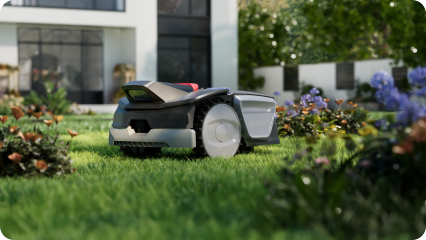
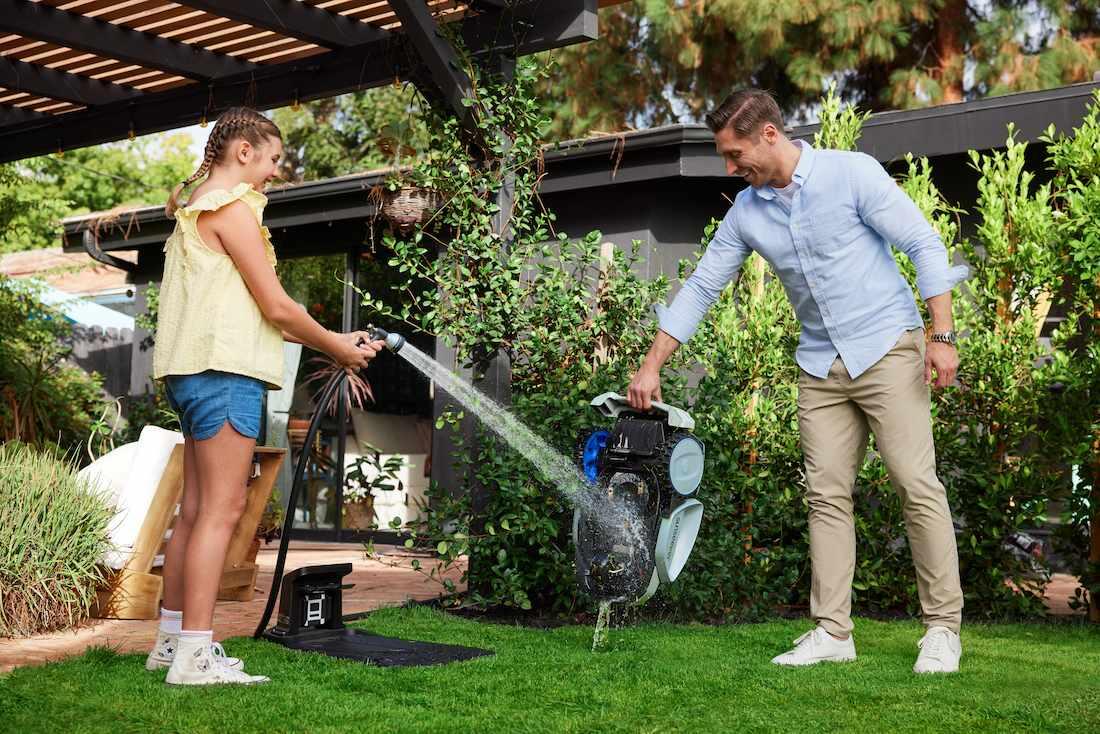
Traditional mowers often need this kind of regular upkeep to maintain cutting quality. For those who prefer a more hands-off approach, options like the Sunseeker V3 can simplify the process. It uses a Floating Cut system to adjust automatically to uneven ground, helping maintain a consistent cut even on slopes or bumpy areas.
4. Smoking or Overheating
If your mower is smoking or running too hot, identify the color to find the fix:
- White/Blue Smoke (Oil): Usually caused by tilting the mower incorrectly. Fix: Run the engine for a few minutes to burn off excess oil.
- Black Smoke (Fuel): Indicates a dirty air filter or a "rich" carburetor.Fix: Clean or replace the air filter.
- Overheating: Caused by debris trapped in the cooling fins. Fix: Use a stiff brush or compressed air to clear the engine block and prevent damage.
5. Self-Propel or Drive Issues
If your mower has lost its "get up and go," the drive belt or cable is usually to blame:
- Adjust the Cable: Tighten the tension by turning the adjustment barrel on the handle to fix stretched cables.
- Replace the Belt: If the drive belt has snapped, disconnect the spark plug and tip the mower.
- Install New Belt: Loop the new belt around both the engine pulley and the transmission pulley.
Practical Tips to Keep Lawn Mower Running Smoothly
The best way to fix a problem is to prevent it from happening in the first place. Regular lawn mower maintenance can extend the life of your equipment by years.
1.Fresh Fuel is Key:Always use a fuel stabilizer if you plan on keeping gas in your mower for more than a few weeks.
2.Oil Changes:Change the oil after the first 5 hours of use on a new mower, and then every 50 hours or once a season thereafter.
3.Clean the Deck:After every mow, use a plastic scraper to remove wet grass from the underside of the deck. This prevents rust and maintains the airflow needed for a clean cut.
4.Inspect the Spark Plug:Check the gap and the color of the spark plug annually. A light tan color is healthy; black or oily means it's time for a replacement.
5.Consider Smart Upgrades:If DIY maintenance is becoming a burden, look into robotic solutions. The Sunseeker series, including the V1 and V3, are designed with IPX5-rated waterproofing and low-noise operation (55dB), making them neighborhood-friendly and easy to maintain.
Conclusion
Learning how to fix a lawn mower can save time and money, and it helps keep your equipment working well. From clearing blockages to replacing worn parts, many common lawn mower repair tasks can be handled with the right steps and a bit of patience.
At the same time, newer options offer a different experience. Robotic mowers like the Sunseeker V1 or V3 reduce the need for hands-on maintenance and eliminate many of the usual problems. For a simpler and more efficient way to care for your lawn, exploring smart mower solutions can be a practical next step.
FAQs
How to fix a lawnmower that won't start?
Check the "Big Three": Fresh fuel, a clean air filter, and a functional spark plug. If the mower has been sitting over winter, the carburetor is likely clogged and will need a thorough cleaning with a specialized spray.
Is it easy to fix a lawn mower?
Yes. Most common tasks, like replacing spark plugs, cleaning filters, or sharpening blades, are beginner-friendly. However, complex internal engine timing or transmission repairs may require professional tools and expertise.
How do you diagnose a lawn mower problem?
A good way to figure out a lawn mower problem is to look at the simple things first. Check the fuel, air filter, and spark plug, as these often cause common issues. Pay attention to how the mower sounds and runs, then take a look underneath for buildup or damage. These quick checks usually point you in the right direction.