A lawn that feels uneven underfoot can be annoying to mow and uncomfortable to use. You may notice the mower deck scalping high spots while leaving longer grass in nearby dips. A ball may change direction unexpectedly, or water may collect in a shallow depression after rain. Those clues matter because a bumpy lawn is not always a simple leveling problem.
A few low areas may need topdressing, while a raised patch could come from a buried root, settling soil, or an old repair. Begin by identifying the pattern, then match the repair to the depth and cause. This guide covers suitable materials, a careful repair process, recovery checks, and signs that professional regrading may be necessary.
What Is Making Your Lawn Bumpy?
Walk across your lawn and pay attention to where the surface feels uneven. Look for low spots, raised areas, and patches that feel soft or spongy underfoot. You can also use a straight board or long level to check how much the surface rises or dips. Identifying these uneven areas will help you determine what is causing the bumps and choose the right repair method.
Shallow depressions
A low area that is broad and smooth may reflect ordinary settling, uneven soil preparation, or gradual soil loss. If water drains away and the grass remains healthy, a thin topdressing may be enough.
Raised mounds or ridges
A distinct hump can come from old sod seams, buried construction debris, soil pushed upward by roots, or animal activity. Find the source before cutting or filling around it.
Soft, spongy ground
A surface that compresses underfoot may have excess thatch, saturated soil, or weak rooting. Adding leveling mix without correcting the underlying condition can hide the symptom and make mowing harder.
Hard, uneven patches
Compacted soil can restrict root growth and water movement. Core aeration may help where compaction is confirmed, but it is not a universal leveling step.
Exposed roots
Large woody roots close to the surface should be treated as a landscape feature, not an obstacle to remove. Cutting structural roots can destabilize a tree and create a safety problem.
When Should You Level a Bumpy Lawn?
Choose a period when the grass can recover, and the soil is workable, not saturated. For many cool-season lawns, late summer into early fall—often August through September in northern and central regions—offers active growth and less heat stress. Spring can work for small corrections after the soil firms, but avoid working wet ground that will compact under your feet or equipment.
Warm-season grasses are usually repaired during active growth, commonly late spring through summer after green-up. Bermuda and zoysia recover best while actively growing; a dormant lawn will not close disturbed areas quickly.
Postpone leveling if the lawn is under severe drought stress, waterlogged, frozen, or entering dormancy. The soil should crumble rather than smear when handled. If the repair will expose a large amount of soil, schedule it early enough for the grass to root before the next period of heat or cold. A small shallow depression can be treated more flexibly than a deep repair that requires lifting turf or reseeding.
What Tools and Materials Do You Need for Lawn Leveling?
Gather only what the repair calls for. For small depressions, a shovel, stiff rake, lawn leveler, and hose are often sufficient. Deeper areas may require a flat spade to lift intact turf. Mark irrigation heads and shallow utility lines before digging.
Choose a leveling mix that is compatible with the existing soil and grass. A screened topsoil blended with compost can suit many home lawns, while a sandy loam mix may be appropriate where it matches the native soil. Pure sand is not automatically the best choice: repeated applications over fine-textured clay can create a sharp soil-layer difference and poor water movement. For a very small depression, use a material that settles into the existing surface without leaving a dense crust.
How Do You Smooth a Bumpy Lawn Step by Step?
The repair should match the depth of the uneven area. A light topdressing preserves the existing turf; a deeper depression may need the grass lifted so soil can be added underneath. Work in small sections and check the finished height against the surrounding lawn before moving on.
Step 1. Mark the Uneven Areas
Mark each depression and raised patch separately. Lay a straight board across the area and note the gap beneath it or the amount the turf rises above it. Measure the depth at several points rather than relying on the lowest point alone. This gives you a realistic estimate of material and shows whether the area is shallow enough for topdressing.
Step 2. Prepare the Turf for Repair
For a shallow depression, mow slightly shorter than normal and remove loose clippings so the soil can reach the ground. Rake out dead debris without tearing healthy crowns. For a deeper spot, cut the turf into manageable sections with a flat spade, keeping the cuts shallow enough to preserve roots. Roll or fold the pieces back carefully and keep them shaded and moist while you work.
Do not scalp the entire lawn to make the surface easier to see. Only the repair area needs preparation. If compaction is confirmed, core aerate during active growth when the soil is moist enough for the tines to penetrate. Aeration is not required for every low spot.
Step 3. Correct the Soil Level
For a shallow dip, spread a thin layer—generally no more than about 6 mm at a time—through the grass. Keep most leaf blades visible. Brush or rake the material down between the plants rather than burying the crowns. Several light applications separated by active growth are safer than covering the grass with a deep layer in one visit.
For a deeper depression, add compatible soil beneath the lifted turf until the surface sits level with the surrounding grade. Firm the material gently to remove large air pockets, but do not compact it into a hard pan. Replace the turf and check that its edges meet the surrounding lawn without a raised seam. If the depression is too deep for the existing sod to sit naturally, use a repair method that includes reseeding or new sod rather than stretching the turf over a void.
Step 4. Rake the Surface Evenly
Use a lawn leveler or straight board to spread the material across the repair. Pull it in more than one direction, feathering the edges into the existing grade. A yard needs a gentle fall away from the house and should retain its intended drainage paths.
Step 5. Restore the Grass Cover
Replace lifted turf with the crowns at the same height as the surrounding grass. Press the edges into contact with the soil and fill any narrow gaps with a compatible soil-and-seed mix. If the original grass cannot be reused, select seed that matches the existing species and light conditions. A shade mix in a sunny area or a different texture can leave a visible patch.
Step 6. Water the Repaired Areas
Water enough to settle the soil and moisten the root zone without washing material downhill. Lift a corner of replaced sod to check that the soil beneath is damp. Seeded areas need more frequent light moisture during germination; established sod can move toward deeper, less frequent watering once roots begin to anchor. Keep foot traffic off the repair until the turf resists a gentle tug.
What Should You Check While the Lawn Recovers?
Check the repair after the first few irrigation cycles and again after a substantial rain. These observations show whether the soil level is holding and whether the grass is re-establishing.
Settlement
If a shallow dip returns, add another light topdressing only after the grass has grown through the first layer.
Ponding
Water that remains for more than a day may indicate a drainage issue rather than a minor surface defect.
Turf attachment
Replaced sod should resist a gentle lift at the edge as new roots connect with the soil.
Grass coverage
Seeded areas should show even emergence; persistent bare strips may indicate poor seed contact, washout, shade, or an unresolved cause.
Once the repaired grass has rooted and reached the normal mowing height, you can resume regular mowing. Use a sharp blade and avoid making sharp turns over loose sod. Maintaining a consistent cutting height also makes new high or low spots easier to identify.
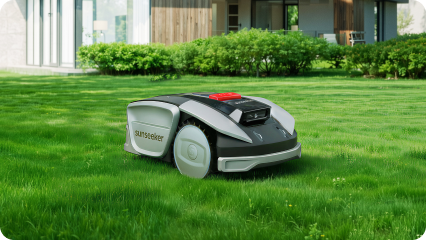
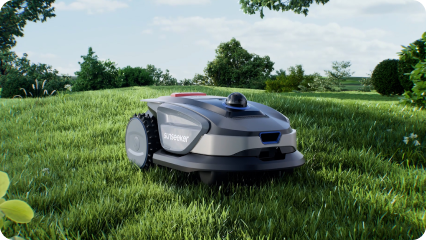
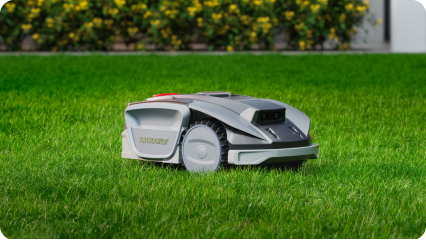
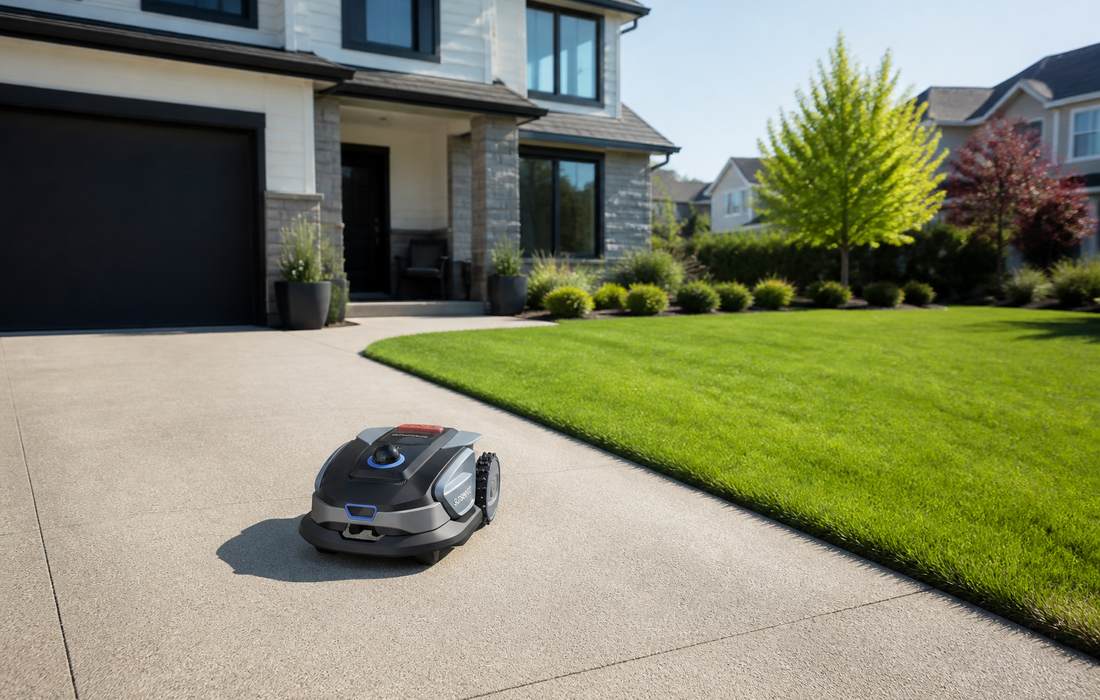
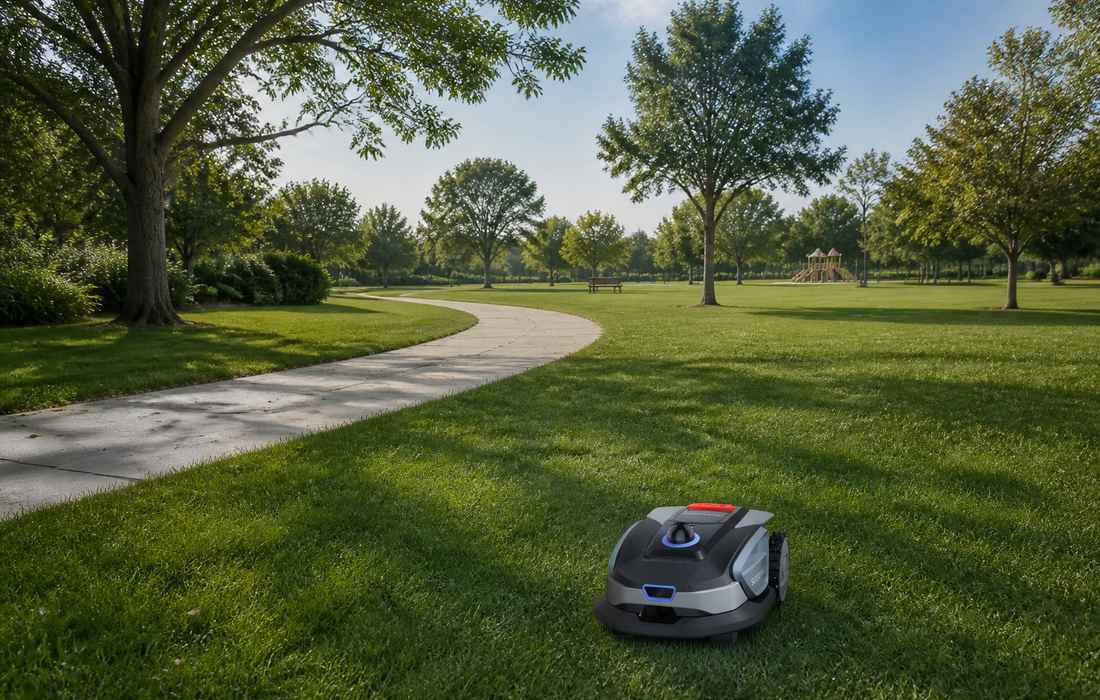
Homeowners looking for convenient ways to maintain their lawns can explore the Robot Lawn Mowers range, which offers models suited to different yard layouts. These mowers help maintain the lawn after repairs but do not replace topdressing or regrading.
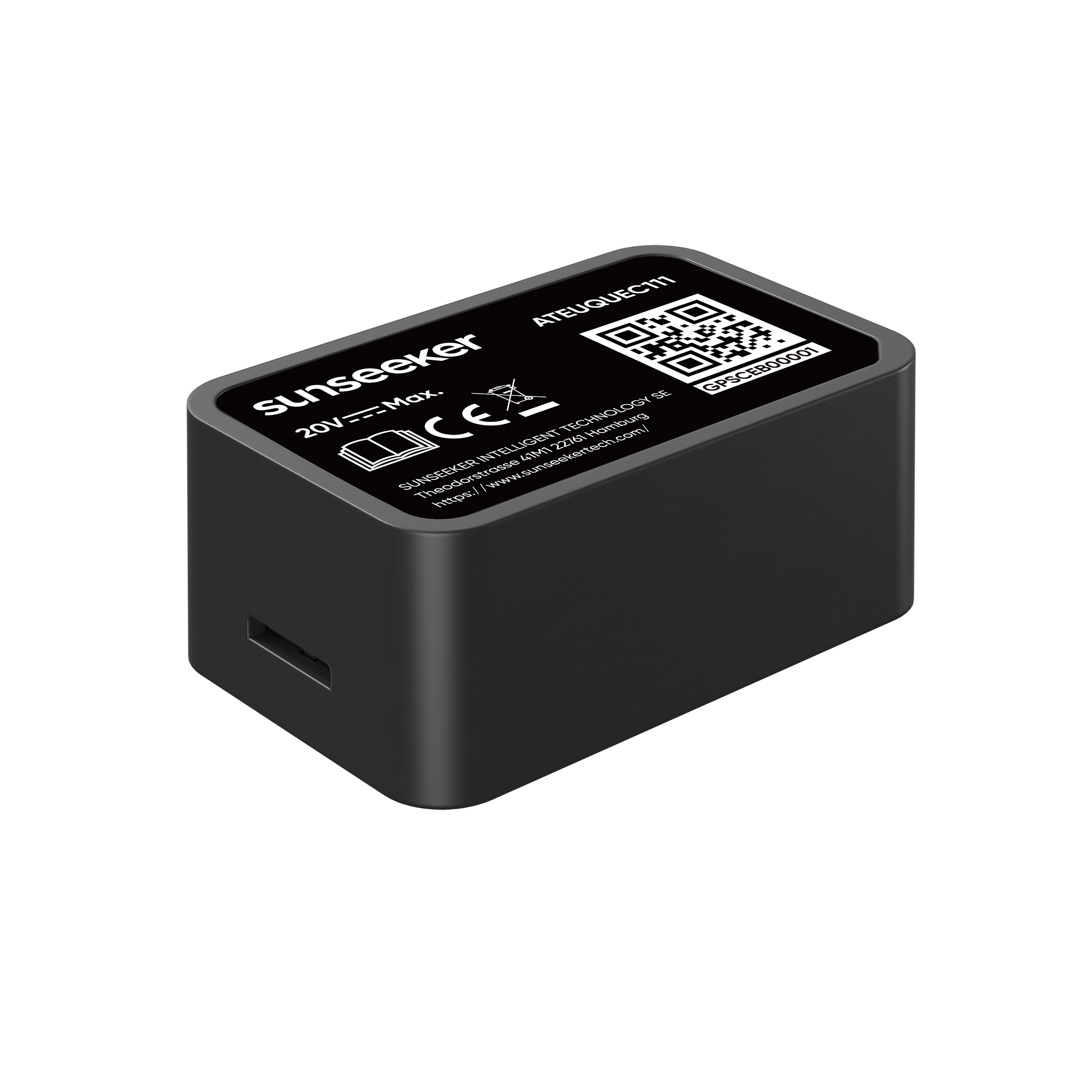
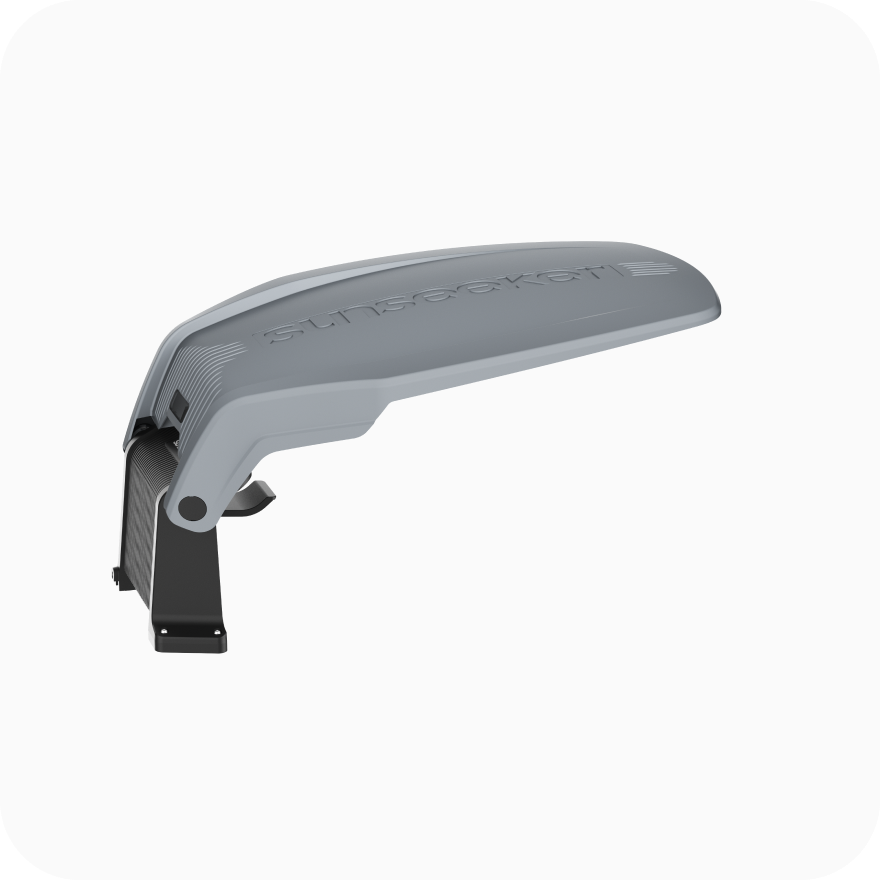
For homeowners looking to simplify ongoing lawn care, the Sunseeker S4 combines AllSense™ 3D Fusion sensing, 3D LiDAR, and Vision AI for precise mapping and 360-degree obstacle avoidance. Its wire-free setup requires no perimeter wires or external antenna, while intelligent path planning supports consistent mowing across lawns of up to 1,000 m². It’s a convenient option for keeping a repaired lawn neat and evenly maintained with less manual effort.
When Does a Bumpy Lawn Need Professional Regrading?
Call a qualified landscape or drainage professional when unevenness affects a large portion of the yard, changes the slope toward the house, or creates persistent standing water. A depression that deepens over time may be related to a leaking pipe, buried debris, or soil settlement that needs investigation. Large exposed roots, retaining-wall movement, and steep grade changes also require more than topdressing.
Professional regrading is appropriate when the lawn needs a consistent new slope rather than just a few localized repairs. Ask how the proposed work will protect tree roots and direct water away from building foundations.
Conclusion
A smooth lawn starts with a correct diagnosis. Use thin topdressing for shallow depressions, lift and reset turf when a low spot needs more soil beneath it, and address compaction or drainage only where those conditions are confirmed. Keep the finished grade connected to the yard’s drainage pattern, then give repaired grass time to root before normal traffic and mowing resume. Large or recurring grade problems deserve a professional assessment. To keep your lawn looking its best with less manual effort, consider Sunseeker’s robotic lawn mowers, which offer a convenient way to maintain consistent grass growth and a well-kept lawn once repairs are complete.
FAQ
Will a Lawn Roller Fix a Bumpy Lawn?
A roller can press newly laid sod into contact with soil, but it will not correct deep depressions, roots, or uneven grading. Rolling wet or clay-heavy soil can increase compaction. For ordinary lawn bumps, identify the cause and use topdressing or turf repair instead of relying on weight to flatten the surface.
Can You Level a Lawn Without Removing the Grass?
Yes, if the depression is shallow. Apply roughly 6 mm of compatible topdressing at a time and keep the grass crowns visible. Repeat only after the turf has grown through the previous layer. A deeper dip generally needs the sod lifted so soil can be added beneath it or a planned reseeding repair.
Can You Cut Exposed Tree Roots to Flatten a Lawn?
Do not cut large structural roots just to create a flatter mowing surface. Roots help anchor and supply the tree, and cutting them can affect stability and health. Keep soil additions shallow around the trunk and consult a certified arborist before changing grade or working close to major roots.