A clean lawn edge starts with mowing first, then marking the border and cutting a steady line with the right tool. A depth of about 8–10 cm helps stop grass from creeping into paths or beds. Regular touch-ups matter too, because even a sharp edge will soften once grass starts spreading again.
Lawn edging is the detail that separates a “good” lawn from a truly polished landscape, giving your yard a professional finish. Therefore, many people look for ways to create crisp, clean lawn borders that can instantly improve curb appeal. So, how to edge a lawn? This guide offers everything you need to know. Just read on to find essential lawn edging tools, a clear step-by-step process, practical lawn edging tips, common mistakes to avoid, and expert tips for long-lasting results!
Tools You Can Use to Edge a Lawn
The right lawn edging tools are one of the most important decisions for achieving outstanding results. You can choose between manual or power tools, depending on how efficient you want the edging process to be.
Manual lawn edging tools remain popular because of their precision and affordability, making them ideal for smaller lawns or detailed work:
Half-moon edger (step edger): This classic tool excels at creating deep, defined borders.
Flat spade or shovel: Highly versatile for straight cuts and removing excess sod or soil along borders.
Edging shears: Perfect for detailed trimming along edges after mowing in tight spots.
Power lawn edging tools, on the other hand, are designed to significantly reduce effort and improve efficiency, which makes them suitable for larger properties:
String trimmer/edger combo: Excellent for regular maintenance. When held vertically, it delivers precise vertical cuts along borders.
Dedicated power edgers: Walk-behind or wheeled models that can deliver depth and precision for large properties.
Cordless battery-powered options: Battery-powered models from leading brands provide quiet, efficient performance without gas hassle.
How to Edge a Lawn Step by Step
Edging transforms an ordinary lawn into a polished landscape. Let’s see how to edge a lawn step by step for the best results.
Step 1: Mow the Lawn First
Should you edge or mow first? Mow the lawn evenly before beginning any edging work. This removes excess grass and clearly exposes the border line. A clean cut makes it easier to follow your intended shape and ensures your edging tools can work with accuracy and less resistance.
Step 2. Mark Your Boundary
Use a garden hose or string line to map out your desired edge shape. A hose works well for creating smooth, flowing curves. String lines are a great choice that helps maintain straight edges along driveways or sidewalks.
Step 3: Cut the Initial Edge
Take your half-moon edger or power edger and carefully follow your marked line at a steady pace. Cut a shallow trench to establish the basic shape of the border. Keep the tool as vertical as possible to ensure a clean cut that clearly separates the lawn from surrounding beds or pathways. For larger properties, a walk-behind power edger works especially well to maintain consistent alignment and speed along longer edges.
Step 4: Deepen the Trench
Repeat your cuts to reach a depth of 8 to 10cm. This deep trench acts as a barrier against creeping grass roots, ensuring your lawn stays contained and maintains its border for weeks of active growth.
Step 5: Remove Excess Turf
Use your flat spade or shovel to remove the loosened sod and soil strips. Work slowly to keep the edge line intact while clearing debris. Shake off excess soil and set the removed grass aside for composting or disposal.
Step 6: Clean and Finish
Finish the process with edging shears or a string trimmer/edger combo; trim any stray or uneven blades along the border. If you are learning how to mow grass around pavers, keep the mower wheels on a stable surface and use a string trimmer to remove grass the mower cannot safely reach. Make a final pass to refine the line and ensure a crisp finish. Then remove loose soil and clippings from nearby.
Pro Tips for Sharp, Long-Lasting Lawn Edges
It is not difficult to edge a lawn with the right steps. In addition, you can follow these practical tips to extend the life of your lawn edges:
Maintain Consistent Depth
Keep your edging trenches consistently between 8–10 cm deep to form an effective physical barrier. This depth helps block aggressive grass roots and runners from spreading into flower beds or mulch areas.
Use the Right Angle
When using your half-moon edger, angle the blade slightly inward toward the garden bed. This can help you create a professional "shadow line" while simultaneously improving mulch retention and preventing soil erosion along the border.
Fertilize and Water Strategically
Healthy, dense turf holds a sharp edge much better than thin grass. Focus on proper fertilization and avoid overwatering directly near your borders, which can encourage excessive lateral root growth and spread.
Explore Edging Materials
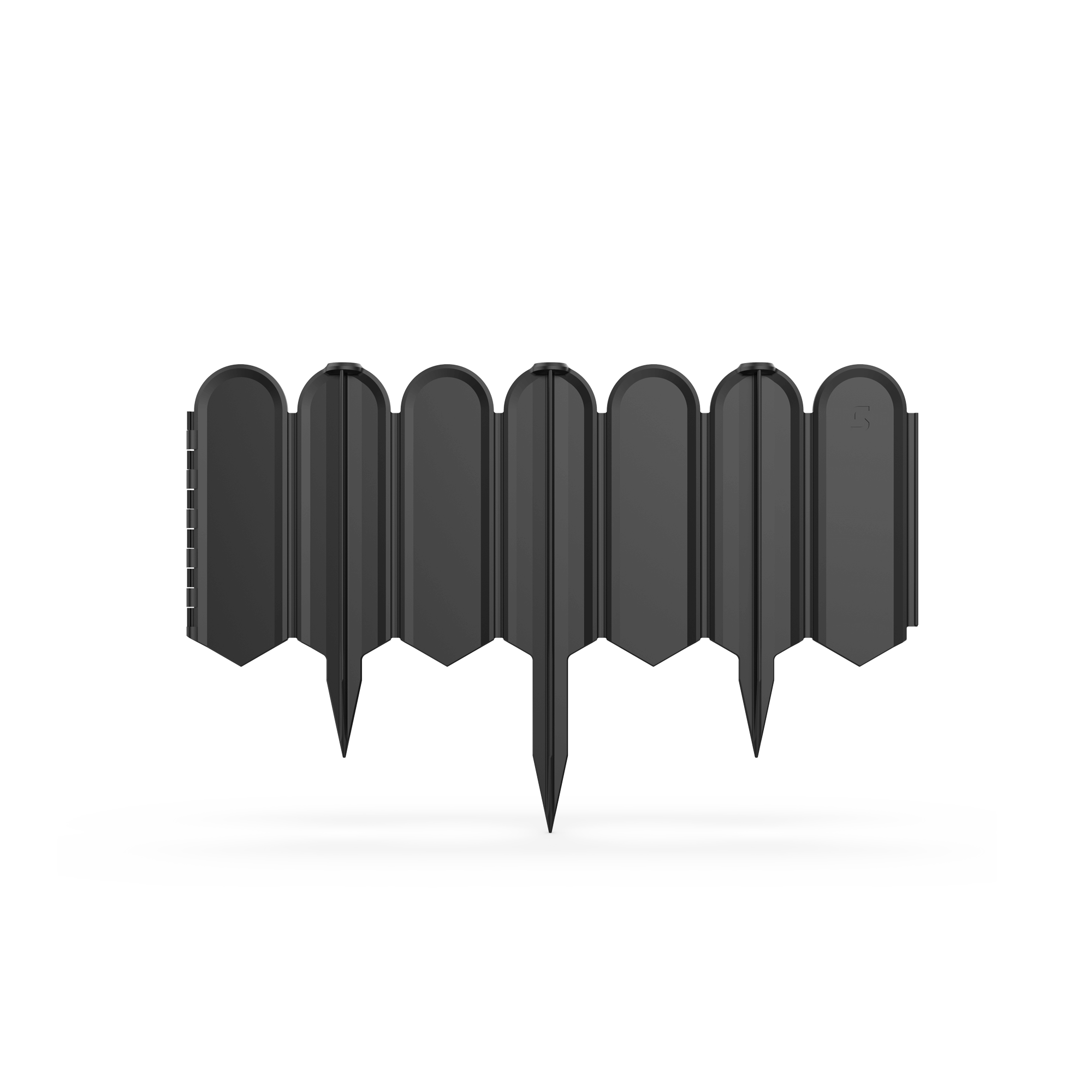
Consider decorative elements like brick soldier courses, natural stone, or modern corten steel. These lawn edging ideas provide a permanent, structural barrier that elevates your landscape’s aesthetic while significantly reducing the amount of manual maintenance.
Upgrade Your Gear
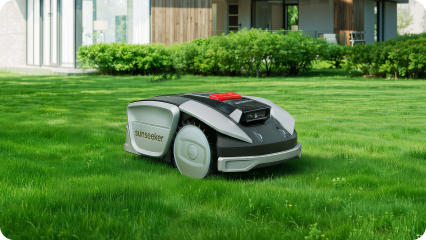
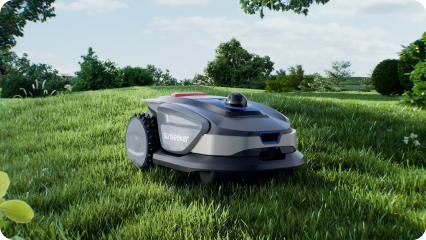
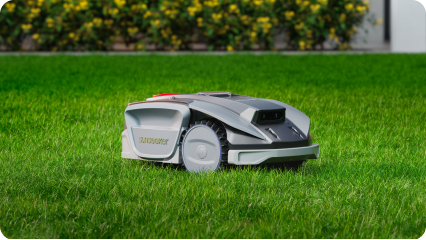
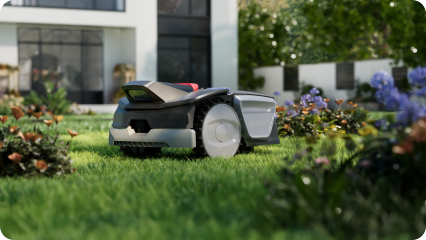
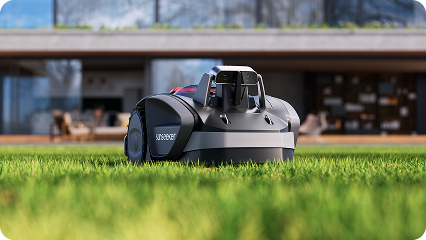
Use battery-powered robotic lawn mowers to maintain high-quality lawn edges with less effort. These smart machines deliver precise, consistent mowing. They reduce the need for frequent manual touch-ups and keep borders neat and well-defined.
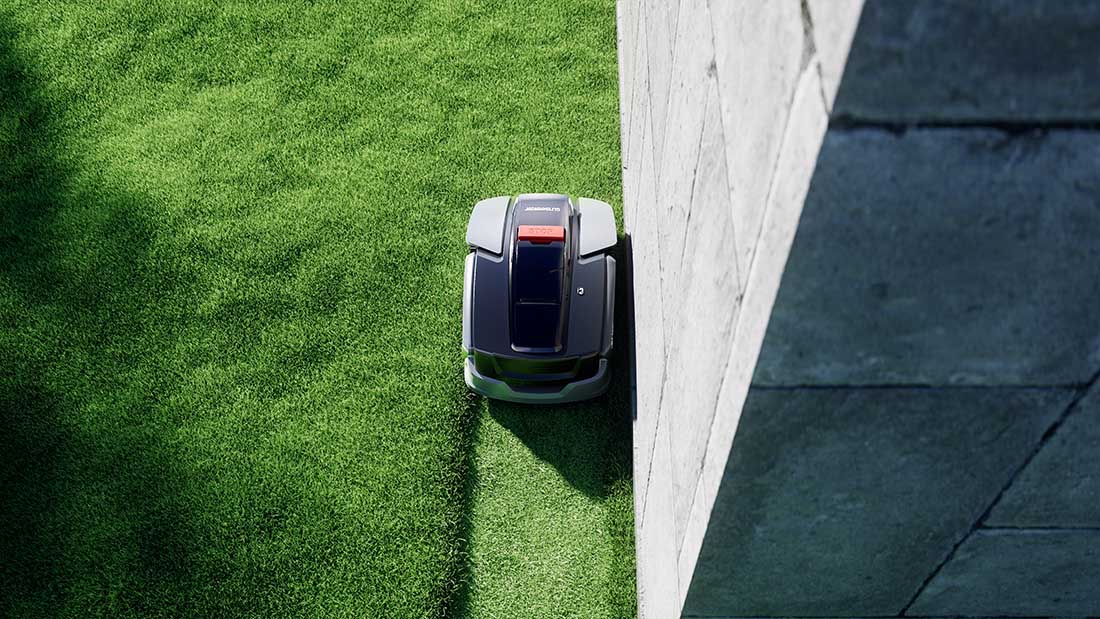
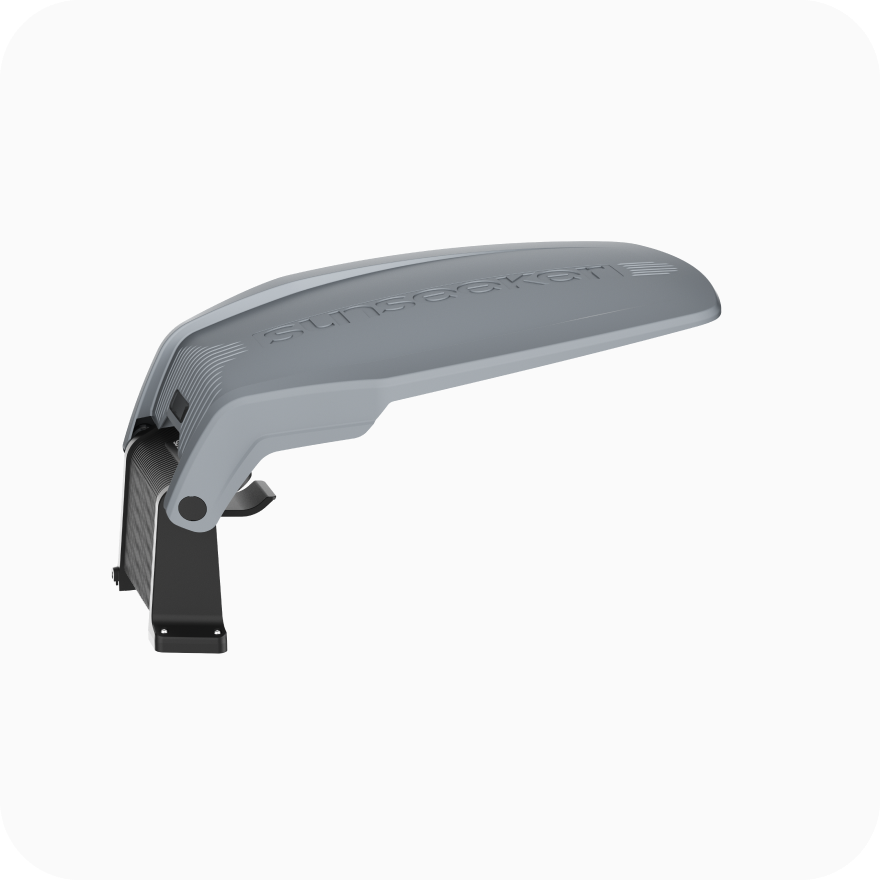
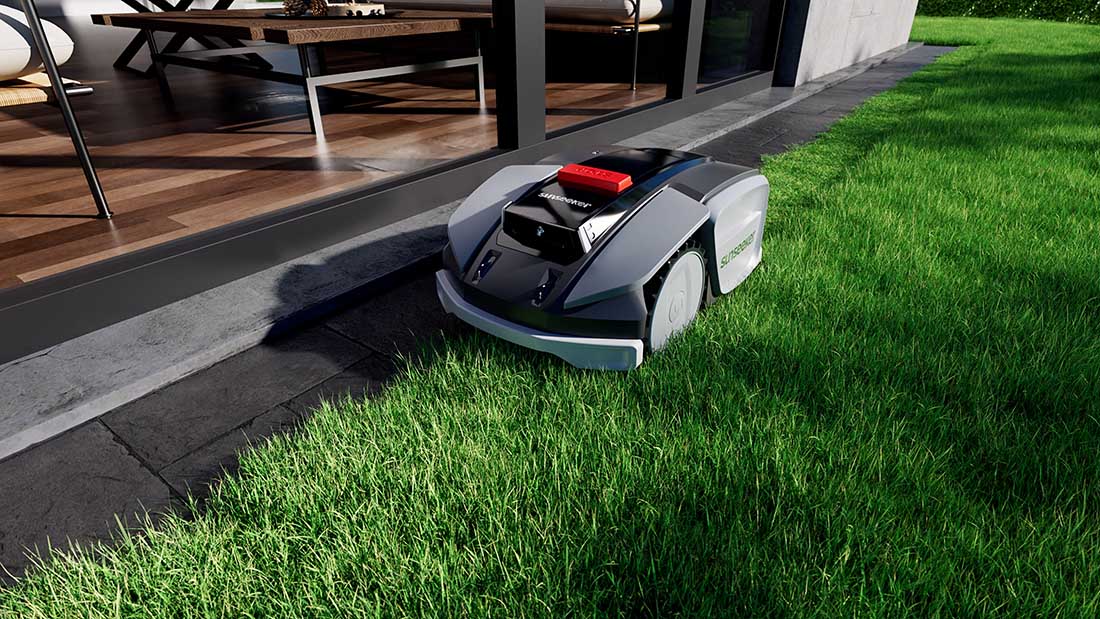
The Sunseeker S3 is an excellent wireless robotic lawn mower to consider, especially for small yards. It features advanced edge-to-edge cutting with a ride-on-edge design that allows one wheel to move onto hard surfaces, enabling it to trim very close to borders, driveways, and sidewalks. Its AI navigation and systematic mowing patterns help minimize manual edging work, delivering consistent results with minimal effort. Combined with intuitive app control and quiet operation, the S3 is ideal for homeowners seeking low-maintenance, clean lawn edges.
The Sunseeker S4 takes edge performance even further with its advanced 360° LiDAR and AI vision system for highly precise boundary detection. It includes dedicated edge-reach modes that trim closer along irregular borders and obstacles, significantly reducing the need for string trimmers. With strong slope handling up to 42% / 22°, a floating cutting deck, and intelligent path planning, the S4 maintains polished edges even on complex lawns. Its wire-free setup and reliable performance make it a top choice for achieving crisp, season-long lawn borders.
Common Lawn Edging Mistakes to Avoid
Last but not least, lawn edging comes with several common pitfalls. Make sure to avoid the following mistakes so you can maintain polished lawn edges over time.
Cutting Too Deep Into the Soil
Cutting too deep can disturb soil structure and damage the grassroots or nearby plants. It may also create uneven trenches that are harder to maintain. Aim for a consistent depth of about 8–10 cm to keep edges clean without weakening the border.
Edging Before Mowing
Edging before mowing makes it difficult to see the true lawn boundary, leading to uneven lines. Long grass can hide your guide path and create extra debris. Always mow first so your edging follows a clear and accurate border.
Using Dull or Incorrect Tools
Dull or unsuitable tools result in jagged cuts and frayed grass edges that quickly turn brown. Always match the tool to the task and keep blades sharp. Clean cuts not only look better but also promote healthier grass growth along edges.
Ignoring Regular Maintenance
A one-time effort fades fast as grass inevitably creeps back into your borders. Hence, weekly or bi-weekly touch-ups are strongly encouraged to prevent overgrowth. If you want to make this easier, a robotic mower is a solid choice to manage maintenance with minimal effort.
Conclusion
How to edge a lawn? Just follow the steps, cut with the right tools, and refine the edge to achieve a professional-looking finish. While manual edging can deliver excellent results, it often takes time and effort, especially for larger lawns or frequent upkeep. For a simpler, more efficient approach, consider switching to robotic lawn mowers. These smart solutions help maintain a consistently neat lawn with minimal effort, reducing the need for frequent manual edging and touch-ups. To make lawn care easier and keep your yard looking sharp all season long, explore Sunseeker’s range of advanced robotic mowing solutions and upgrade the way you maintain your lawn today!
FAQs
How do you edge a lawn for beginners?
Mow first, mark your border, then use a half-moon edger or flat spade to cut a clean trench. Remove the sod, refine the line with a string trimmer held vertically, and clear debris. Focus on gentle curves and keep your edging technique consistent. For beginners, you can practice on small areas and maintain them weekly to see how it goes.
How often should you edge your lawn?
Edge every 1-2 weeks during the growing season for the sharpest appearance. Once edges are established, bi-weekly touch-ups with a string trimmer are usually enough. During slower growth periods, monthly maintenance should suffice. Meanwhile, always inspect to prevent heavy regrowth and keep your borders well-manicured.
Can robot lawn mowers edge the lawn?
Yes, many robot lawn mowers can help edge your lawn, but performance depends on the model and features. Standard robotic mowers often leave a narrow strip of uncut grass along borders. While they reduce manual work, occasional touch-ups are still needed for perfectly sharp edges. However, advanced Sunseeker models include edge-cutting modes and ride-on-edge designs to minimize this gap, delivering a much better result.
What is the proper edging technique?
The proper edging technique for a well-defined lawn depends on the tool you use. With a manual spade or edger, cut vertically along the border, then follow with a slight 45-degree back cut to form a clean V-shaped trench. When using a string trimmer, keep the head perfectly vertical and move steadily to avoid gouging the soil or creating uneven, ragged edges.