A clean lawn mower cuts more evenly, runs more efficiently, and lasts significantly longer. Most of what's involved in how to clean a lawn mower takes under 30 minutes and requires no specialist tools.
A lawn mower works best when its key parts stay clean. After a few mowing sessions, wet grass, dust, and small bits of debris can build up under the deck, around the blades, inside the air filter, and near the spark plug. At first, this may not seem like a big deal, but it can make the mower harder to start, reduce cutting power, and shorten the life of the machine.
The good news is that cleaning lawn mower parts is simple when you follow the right order and take a few safety steps first. In this guide, we’ll walk through how to clean lawn mower including each main part properly so your mower runs smoothly and stays ready for the next cut.
Tools and Supplies You'll Need to Clean a Lawn Mower
You don't need specialist equipment for a proper clean lawn mower session. Most of these are already in the garage.
Sturdy gloves
Wooden or silicone scraper (avoid metal scrapers that can scratch the deck)
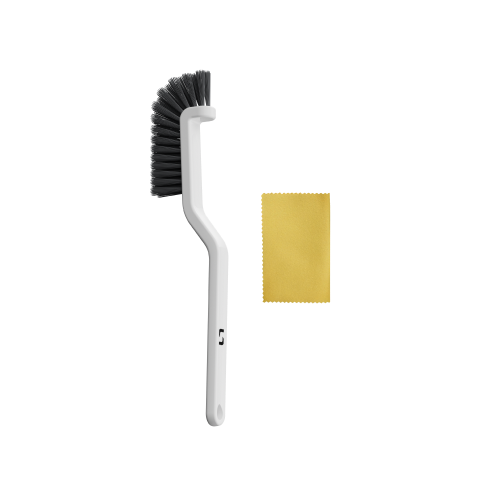
Stiff-bristle brush
Garden hose
Mild dish soap or dedicated outdoor equipment cleaner
Clean cloths or microfiber towels
Compressed air (optional, useful for cooling fins and tight spaces)
Spray lubricant (for moving parts after cleaning)
Replacement air filter (useful to have on hand)
Avoid high-pressure washers. They can force water into bearings, electrical components, and carburettors where it causes more problems than it solves. A garden hose and brush do the job more safely.
Safety First: What to Do Before Cleaning Your Lawn Mower
Before touching any part of the mower, make sure it cannot start accidentally.
Disconnect the power source. For petrol mowers, remove the spark plug. For corded electric mowers, unplug from the power supply. For battery-powered mowers, remove the battery entirely. This step is essential before doing anything near the blade.
Let the engine cool completely. Give the mower at least 15 to 20 minutes after its last use before handling it. Hot exhaust components and residual heat around the engine can cause burns.
Empty or stabilise the fuel. For petrol mowers, cleaning is easiest when the tank is empty or near-empty. If doing a seasonal clean, add fuel stabiliser before storing.
Work on a flat, paved surface. A stable surface makes it safer to tip the mower and easier to spot any oil or fuel drips.
How to Clean a Lawn Mower Step by Step
How to wash a lawn mower properly comes down to working through the right sequence. Skipping steps or doing them out of order means more effort for a worse result.
Step 1: Remove large debris by hand
Put on your gloves and work around the blade and deck edge to pull out any grass, twigs, or material that has wrapped around or lodged in the cutting area. Getting the bulk out manually first makes the brushing and rinsing steps much more effective.
Step 2: Access and clean the deck underside
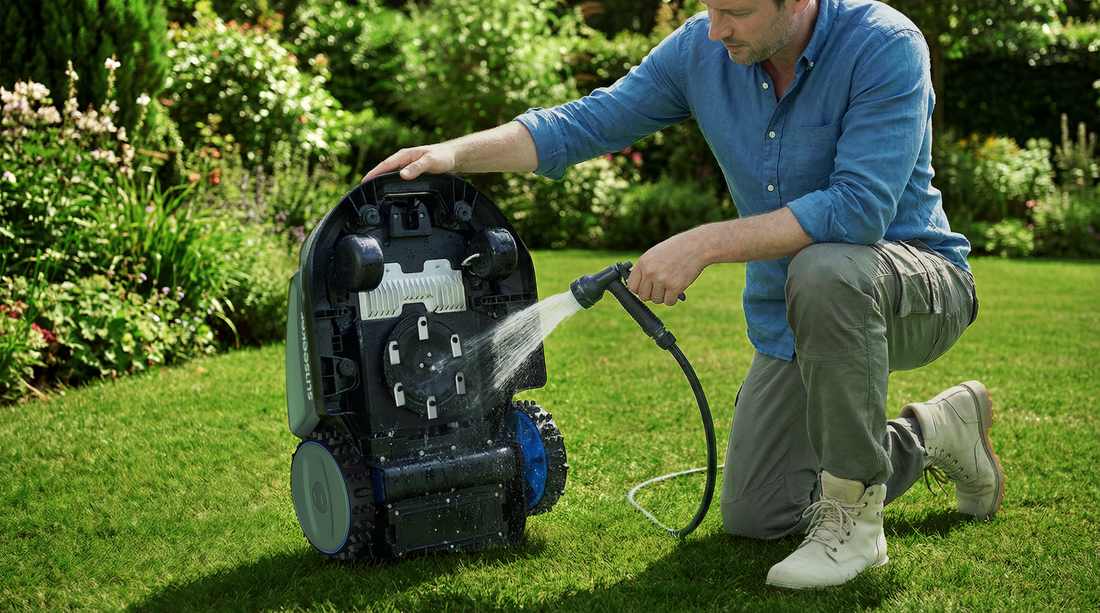
For safe and effective lawn mower deck cleaning, tilt the mower on its side, making sure the spark plug side faces upward. This prevents oil from moving into the combustion chamber. With the deck exposed, work a wooden or silicone scraper across the surface to loosen compacted clippings. Follow with a stiff brush to clear what remains. If the buildup is heavy or dried, a light rinse with a hose beforehand helps soften it before scraping.
Step 3: Clean the exterior surfaces
Stand the mower back upright. Apply a mild cleaner to the body and work it in with a cloth or soft brush. Be careful around any electrical components, as moisture near these areas can cause problems. Wipe everything down thoroughly, then rinse and dry.
Step 4: Check the air filter
The air filter has a direct impact on how the engine breathes and runs. Foam filters can be cleaned with soapy water, rinsed well, and left to dry fully before going back in. Paper filters are generally replaced rather than cleaned. If yours is visibly dirty or compressed, a new one is the better option.
Step 5: Clear the cooling fins
Grass dust and fine debris collect between the fins around the engine. A dry brush or a short blast of compressed air clears these quickly. Keeping the fins open allows the engine to regulate its temperature properly.
Step 6: Oil the moving parts
A light application of lubricant on the wheel axles and any adjustable parts on the handle keeps things moving freely and reduces the chance of corrosion between uses.
Step 7: Restore the power connection
Put the spark plug back in, or reinsert the battery. A brief test run confirms everything is back in working order.
How Often Should You Clean Your Lawn Mower?
Regular cleaning is an essential part of lawn mower maintenance during the mowing season, helping to prevent buildup, corrosion, and the spread of lawn diseases. Here's a practical schedule:
After every use: Brush or scrape fresh clippings from the deck. Once grass dries and compacts, it takes much more effort to remove.
Once a month: Full clean including deck, blade check, air filter inspection, and lubrication.
End of season: A thorough clean before winter storage is essential. Leaving the mower dirty means a much harder cleanup in spring, plus a higher risk of rust developing over the cold months.
Clean immediately after mowing if possible. Fresh clippings come off with minimal effort. Dried grass may need soaking before it releases.
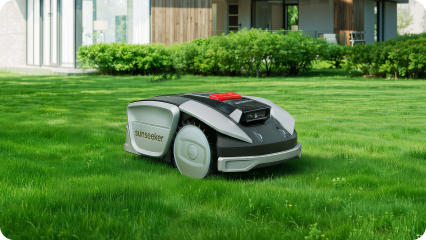
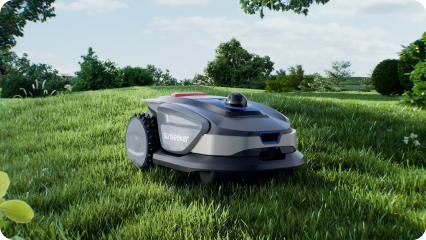
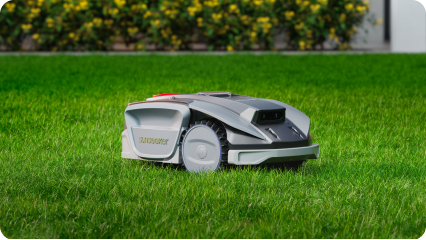
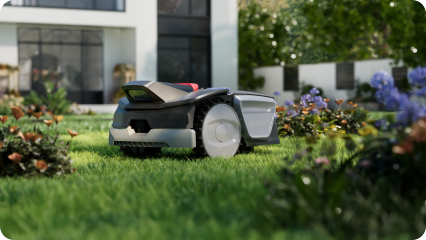
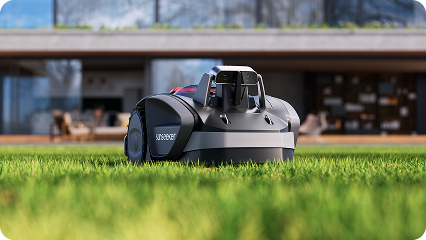
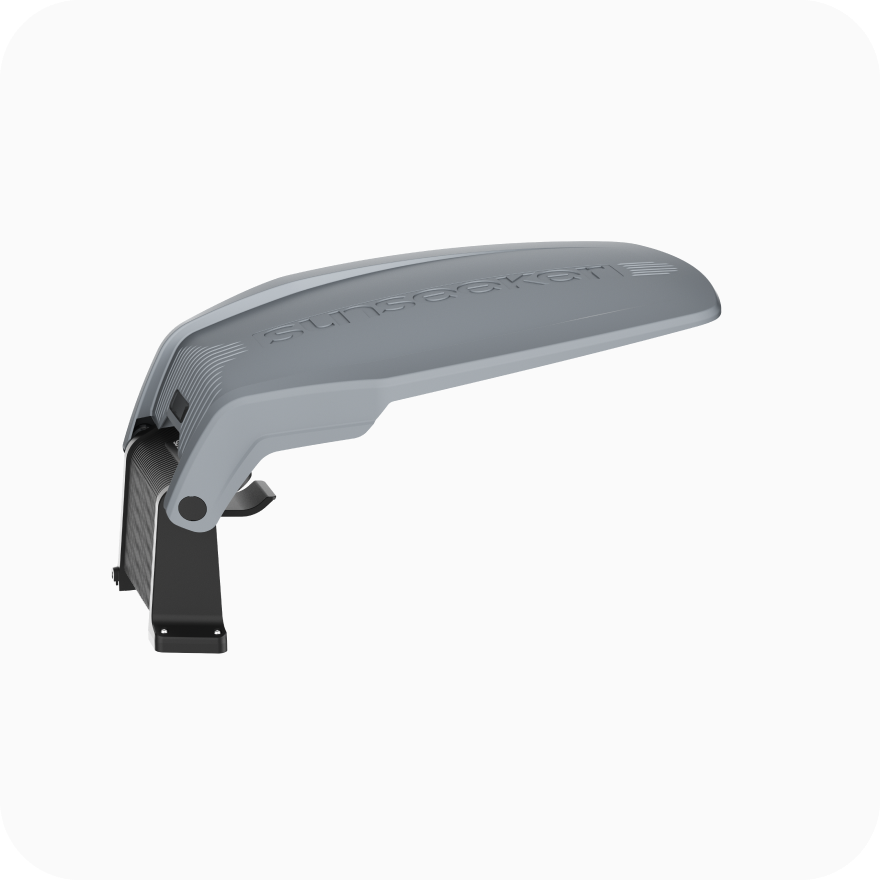
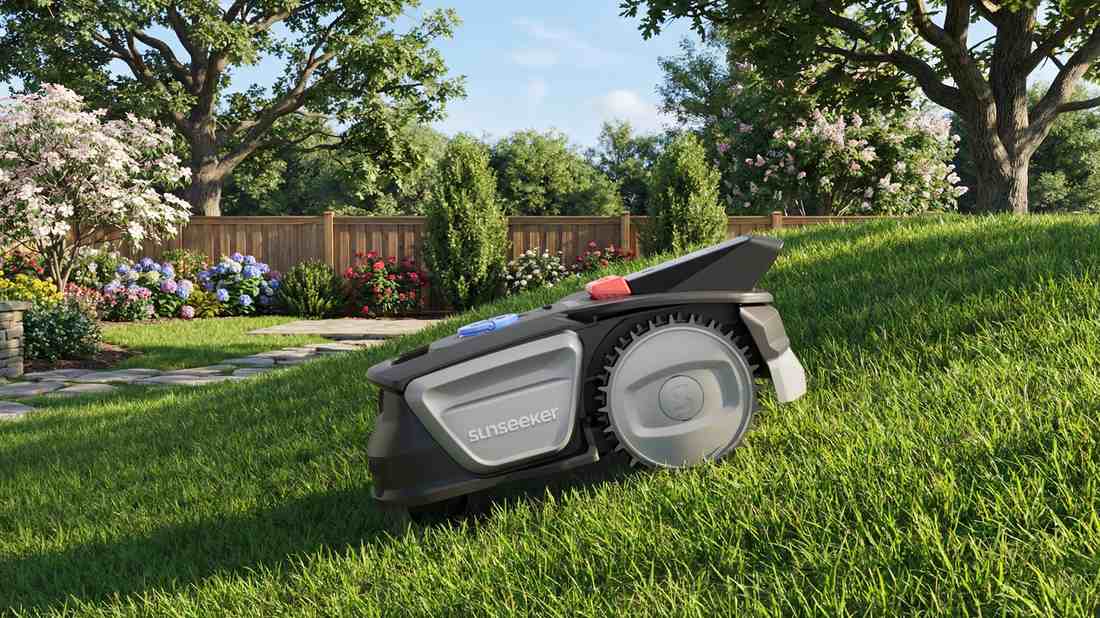
For larger gardens or those with slopes and complex layouts, the cleaning cycle adds up faster. More ground covered means more clippings, more buildup, and more frequent sessions. The Sunseeker V3 removes that cycle entirely. It mows on its own schedule with no air filter cleaning, no oil changes, and no spark plug checks. Vision AI and VSLAM navigation handle complex layouts precisely, while the floating cut disc adapts to uneven ground. It covers up to 600 m², handles slopes up to 42% / 22°, cuts between 20–60 mm across an 18 cm cutting width, all at 55 dB(A).
Pro Tips to Keep Your Lawn Mower Cleaner Longer
A few habits make each how to clean a lawn mower session faster. Keeping a clean mower throughout the season is mostly about small habits rather than big cleaning sessions.
Mow dry grass whenever possible. Wet clippings stick to the deck far more aggressively than dry ones and take much longer to remove.
Apply a light coating of lubricant or cooking oil to the underside of the deck. This creates a non-stick surface that reduces how much grass adheres during mowing. Reapply after each full clean.
Empty the grass catcher after every use to maintain airflow and reduce engine load.
Store the mower somewhere dry to prevent rust on the blade and deck.
Clean the air filter before storing for the season so the mower is ready to go next spring.
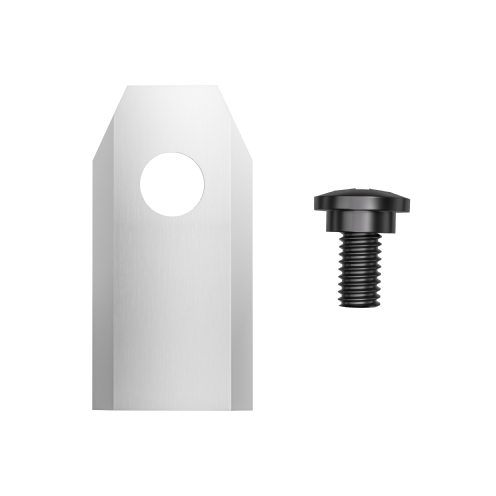
If cleaning is the part of lawn care you like least, a clean robotic mower like the Sunseeker V1 needs almost none of it. It handles gardens up to 300 m² automatically, needing only occasional blade checks and a wipe of its camera lens. No engine oil, no air filter, no carburettor. At 6.7 kg and 55 dB(A), ReadyGo™ one-click start gets it going in minutes.
Final Thoughts: A Clean Lawn Mower Means a Healthier Lawn
How to clean a lawn mower properly is a maintenance task that pays back far more than it costs in time. A clean deck produces a more even cut, a clean air filter keeps the engine running efficiently, and a sharp blade causes less stress to the grass. The full routine takes under 30 minutes. Combining a quick deck brush after each mow with a thorough monthly clean is enough to keep a gas or battery mower in reliable working order season after season.
FAQs
Is it okay to hose down your lawn mower?
A gentle rinse with a garden hose is fine for the deck and exterior. Avoid directing water at the engine, carburettor, air filter, or electrical components. High-pressure washers are not recommended as they force water into bearings and seals. A brush and damp cloth are safer for most how to clean a lawn mower tasks.
Should you clean the underside of a lawn mower?
Absolutely. The deck is where the most important cleaning happens. Compacted grass restricts airflow, reduces cutting quality, and traps moisture that leads to rust on the blade and deck housing. Clearing it after every mow takes a couple of minutes and prevents much harder work later.
What happens if you don't clean your lawn mower?
Neglecting to clean lawn mower components reduces cutting performance, causes the engine to run hotter from blocked cooling fins, and allows rust to develop on the blade and deck. Grass left on the deck traps moisture and can also spread fungal lawn diseases from one part of the garden to another.
How do you clean a lawn mower without removing the blade?
Tip the mower with the spark plug side up, use a scraper to remove compacted grass from the deck, then brush and rinse. You can clean the blade area thoroughly without removing it. Blade removal is only necessary for sharpening or close inspection.