Wrestling a stiff tire bead off a small metal rim can be miserable. Screwdrivers slip, knuckles bleed, and rims get bent. In this article, we provide you with the information for lawn mower tire changer and specific gear to change a tire on a lawn mower, so you know exactly what tools to use and what steps to follow.
What Is a Lawn Mower Tire Changer and Do You Need One?
There are two types of lawn mower tire changers available on the market: manual bench-mounted changer or standalone lawn mower tire machine. A manual lawn mower tire changer is an ideal tool if you own one lawn mower. If you manage a large property or own several riding or zero-turn lawn mowers, you will need a standalone lawn mower tire machine. If you do not have access to a lawn mower tire changer, changing the tire runs the risk of warping the rim or pinching the inner tube.
What Do You Need to Change a Lawn Mower Tire?
Before you learn how to remove lawn mower tire from a rim, you must gather the correct equipment. Using the wrong tools will ruin your afternoon and your equipment. Here are your essential items for changing the tire on a lawn mower:
- The Changer: A manual bench or floor-mounted model.
- Tire Spoons/Irons: At least two smooth, long metal bars (300 mm to 400 mm in length) to pry the rubber.
- Bead Lubricant: Tire lube or a mixture of dish soap and water to lube the rubber bead. Never skip this step.
- Valve Core Tool: To quickly pull the valve core and dump the air.
- Safety Gear: Heavy work gloves and impact-resistant safety glasses.
- Replacement Parts: Your new tire or replacement lawn mower wheels if the old rim is rusted out.
Professional Tip: Avoid using sharp screwdrivers to pry tires. They can easily gouge the rim, leading to chronic air leaks later.
How to Change a Lawn Mower Tire Step by Step
Mastering how to change a lawn mower tire does not require superhuman strength; it requires a smart strategy and the right sequence of moves. Let's walk through the process step by step.
Step 1: Prep and Deflate
Park the mower on flat concrete, engage the parking brake, jack up the axle, and secure it with jack stands before removing the wheel. Remove the dust cap and the clip holding the wheel, and use the valve core tool to twist the valve core counter-clockwise. The air will rush from the tire immediately.
Step 2: Remove the Bead
This is where changing lawn mower tire gets tough. Place the wheel on the changer, and position the bead breaker shoe on the tire sidewall as close to the rim as possible, without pressing directly on the rim. Press the handle down until you hear a loud “pop,” which means the bead has separated from the rim. Once the bead is broken on the first side, turn the wheel over and repeat the process on the other side.
Step 3: Pry the Tire Off the Rim
Spread your soapy water or lubricant evenly around the rim. Insert your first tire spoon underneath the top bead and lift that bead from the rim flange with the spoon. Keep the spoon in place. Insert a second spoon about 50 mm away from the first spoon and pry that bead off as well. Continue this around the tire until the top bead is completely over the rim flange. Follow the exact same steps on the bottom bead until all of the old tire is removed.
Step 4: Mount the New Tire
Wipe the inside of your rim to remove dirt and rust. Make sure you apply a generous amount of bead lubricant on both of the new tire's beads and position the bead at an angle on the top rim. Use the tire spoons to push the remainder of the bead down over the rim. Finally, use tire spoons to push the top bead over the other side of the rim.
Step 5: Seat the Bead and Inflate
Remove the valve core from the valve stem before inflating so air can flow in quickly. This high-volume airflow forces the tire to expand rapidly and snap the beads onto the rim seats with two loud "pops." Keep your hands and face away from the bead area while inflating, and never exceed the tire manufacturer’s recommended seating or inflation pressure. Replace the valve core and inflate your new tire to the recommended pressure. Always check the tire sidewall or mower manual for the recommended pressure. Many mower tires fall around 70–100 kPa, but the exact pressure varies by model.
Learning how to replace a lawn mower tire or understanding how to change mower tire components takes practice. Be patient while prying so you do not tear or damage the new tire bead.
When Should You Replace Lawn Mower Tires?
Do not wait until you are halfway through mowing your lawn to consider a lawn mower tire replacement. Operating a heavy piece of equipment on dry rotted/bald tires can ruin your traction and compromise your safety, especially on wet slopes. Here are the key signs that your tire needs replacement: Add tire pressure, tread wear, sidewall cracks, and wheel fasteners to your regular lawn mower maintenance checklist so problems are caught before the tire fails.
- Deep Sidewall Cracks or Dry Rot: Over time, UV light degrades the rubber in the tires leading to spider-webbing of the sidewall. If you see many small cracks on the sidewall, the structure of your tire has failed.
- Rapidly Deflating Tires: If you pull the mower out of the garage every weekend to fill your tires with air, your valve or bead is leaking air.
- Bald/Fairly Smooth Tires: Spinning tires will tear the lawn.
Attempting to inflate or service a tire with visibly damaged sidewalls is dangerous because the tire may fail suddenly and release pressure uncontrollably. If the casing is compromised, it is time to replace mower tire sets entirely.
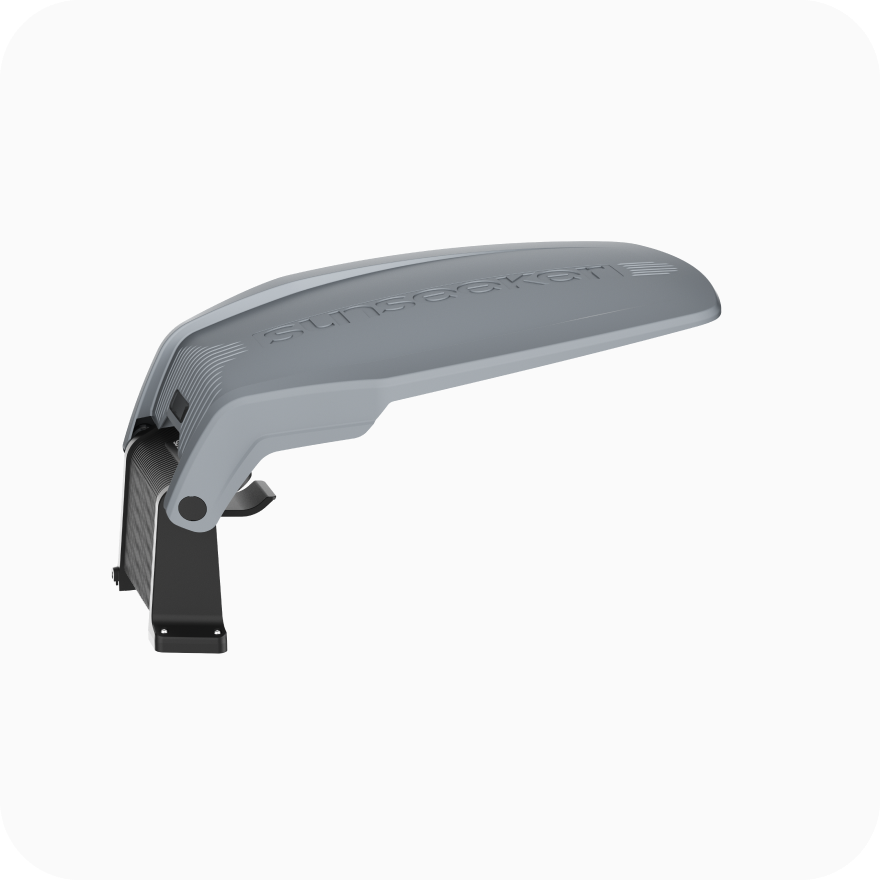
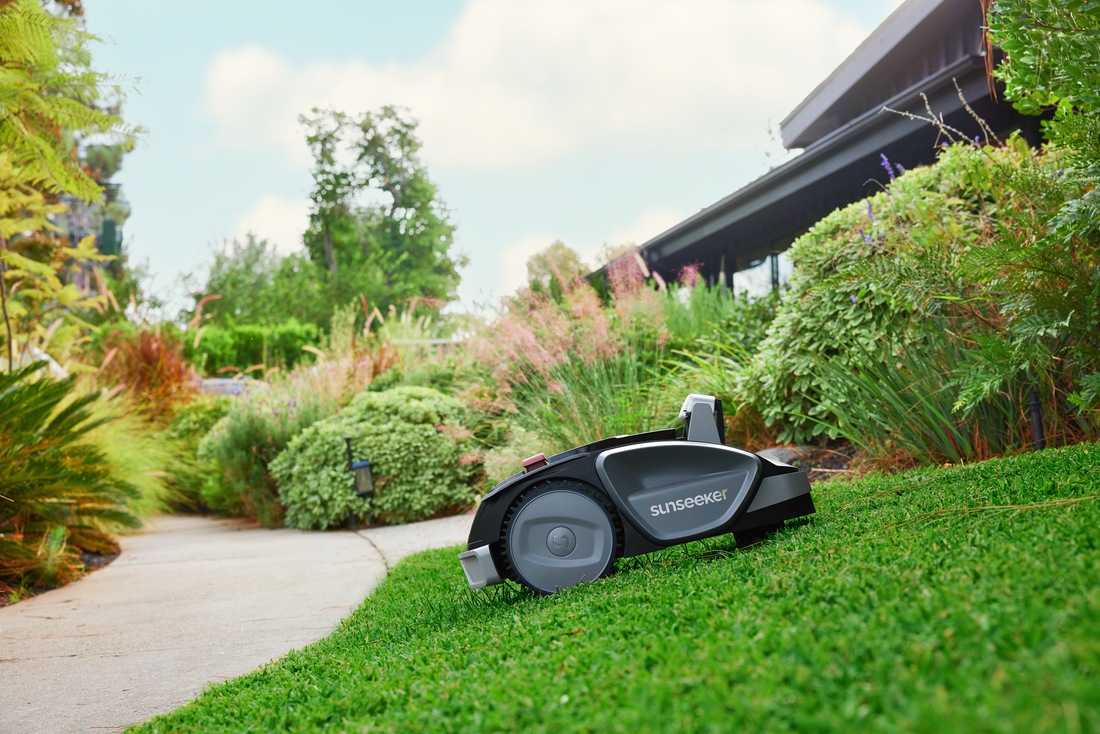
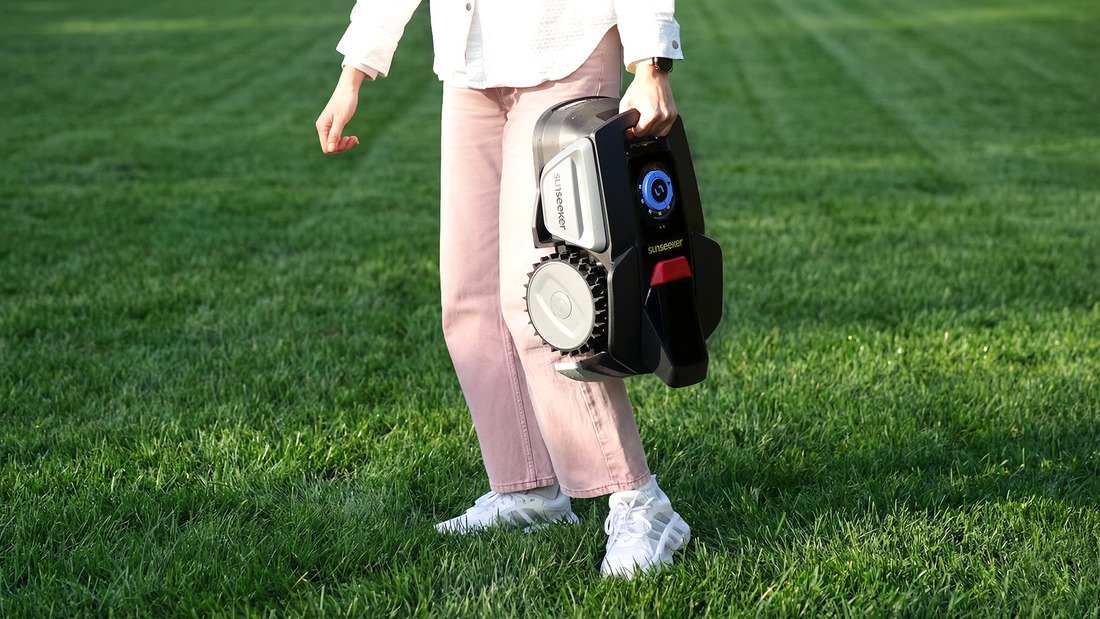
If you are tired of dealing with these tire issues and constant wheel maintenance, consider switching to a wire-free robotic alternative like the Sunseeker V1. With a Sunseeker V1, you can reduce many of the tire and wheel-maintenance problems associated with traditional mowers.
Should You DIY or Use a Professional Tire Service?
You can decide whether to roll up your sleeves and tackle changing a lawn mower tire yourself or have a professional do it. The decision really depends on what you are comfortable spending on tools and how patient you are. If the rim is bent, the axle is damaged, or the wheel hub has excessive play, the problem has moved beyond a tire change and into broader lawn mower repair, so professional service may be safer.
|
Feature
|
DIY Approach
|
Professional Service
|
|
Upfront Cost
|
Moderate (cost of tools)
|
Low per individual tire
|
|
Time Required
|
30 to 60 minutes of manual labor
|
Drive time + shop waiting time
|
|
Frustration Level
|
High on the first try
|
Zero
|
|
Long-Term Savings
|
High if you own multiple machines
|
Low
|
If you want to change tire on lawn mower on your own schedule, DIY can be a satisfying and cost-effective option. And if you would prefer to avoid using the tools necessary to perform physical labor on your lawn, then upgrading to an intelligent vision-mapped smart mower such as a Sunseeker V3 may be a more convenient option for keeping your lawn maintained with less hands-on work.
Conclusion
To keep your yard and your mower up to speed, it's important to invest in the right lawn mower tire changer. A good quality tire changer will save your knuckles and prevent rim damage, and it will aid your mower's performance. If you're patient and have the proper tools, replacing your old tires with new ones will keep your lawn looking beautiful all year.
FAQs
How much does a tire changer cost?
A standard manual mounted tire changer usually costs around €35 to €70 and weighs about 10–15 kg. Heavy-duty pneumatic commercial tire changers used by most tire repair shops typically range from €1,300 to over €3,500, depending on the model, capacity, and features.
Are manual tire changers worth it?
Yes. If you routinely maintain more than one piece of outdoor power equipment, then these changers will provide you with a big mechanical advantage of being able to break the bead by using the manual changer, so that you will not warp your wheels and also save you many hours of intense physical labor.
Can a tire shop change lawn mower tires?
Most local auto tire repair shops can and will replace or change lawn mower tires provided the store has the small, specialized tire adapters that are used to hold the small (150 mm) wheel hub. Calling ahead or going to a dedicated outdoor power equipment dealer is a good idea.