A lawn can look pale after winter or lose color during a busy growing season, making a fertilizer application seem like the obvious fix. But a bag rate is only useful when it matches the lawn area and the nutrient analysis. Applying too much can burn grass or send excess nutrients into stormwater; applying too little may not address the problem you can see.
The practical approach is to work from the label and the lawn’s actual needs. The process begins with a measured lawn area and the product analysis. This guide explains how to measure your lawn, calculate the right fertilizer amount, distribute nutrients evenly, and provide appropriate care afterward.
When Is Your Lawn Ready for Fertilizer?
Fertilize when the grass is actively growing and can use the nutrients. Cool-season lawns commonly receive their most valuable feeding in late summer and early fall, with a lighter spring application where needed. In much of the Midwest, that can mean May for spring growth and August through September for the main recovery period. Local climate, grass species, soil tests, and the product label should determine the final schedule.
Warm-season lawns such as bermudagrass, zoysia, and centipedegrass are generally fertilized during active late-spring and summer growth after green-up. Avoid feeding dormant turf or applying high nitrogen rates just before severe heat or drought. A stressed lawn may not use the nutrients effectively, and excessive leaf growth can increase mowing demand.
Look at the grass before opening the bag. New growth should be visible, the soil should not be saturated, and the lawn should not be wilting from drought. A soil test can identify pH or nutrient issues that fertilizer alone will not correct. If the lawn is pale because of poor drainage, compaction, shade, or disease, applying more nitrogen may not solve the underlying cause.
How Much Lawn Fertilizer Should You Apply?
Calculate the nitrogen target first, then convert it into kilograms of fertilizer product. The first number is a nutrient amount per 100 m²; the second is the weight of the bagged product. They are not the same. A 20-0-10 fertilizer contains 20% nitrogen by weight, so it takes 5 kg of product to deliver 1 kg of nitrogen.
Use this formula: Fertilizer product needed = desired nitrogen rate ÷ nitrogen percentage as a decimal.
For example, if the target is 0.25 kg of nitrogen per 100 m² and the product is 20-0-10, calculate 0.25 ÷ 0.20 = 1.25 kg of product per 100 m². If the lawn area is 400 m², multiply 1.25 by 4 to get 5 kg of fertilizer. This is an arithmetic example, not a universal recommendation; use the rate appropriate for your grass, soil, season, and product label.
The three numbers on a fertilizer bag represent the percentage by weight of nitrogen, phosphate, and potash. The first number drives the nitrogen calculation. Do not assume a higher first number means a better product. Soil-test results should guide phosphorus and potassium needs, and some states restrict phosphorus applications to lawns unless a qualifying condition applies.
Measure only the actual turf area. Subtract the house, driveway, patio, planting beds, and other areas that will not receive fertilizer. Break an irregular lawn into rectangles or triangles, calculate each area, and add them together. A modest measuring error can lead to a meaningful over-application when the whole lawn is treated.
How Do You Apply Granular Lawn Fertilizer Step by Step?
Granular fertilizer is relatively easy to distribute evenly when you know the lawn area, the required product weight, and your spreader's output. Before starting, prepare the spreader on a hard surface, keep fertilizer granules away from drains, and maintain a consistent walking pace during application. Although the product label provides an initial spreader setting, calibrating the equipment helps ensure the fertilizer is applied at the intended rate.
Step 1. Measure the Treatment Area
Measure the lawn in square metres and write down the total. If the front and back yards differ in shape, calculate them separately. Exclude garden beds and paved areas. Keep a record so the next application can use the same measured area rather than an estimate.
Step 2. Weigh the Required Fertilizer
Use the nitrogen calculation and the label rate to determine the total product weight. Weigh the amount with a scale instead of guessing by bag volume. If the bag contains more than one application, mark the amount reserved for each section. Do not use a larger dose to compensate for a previous missed feeding.
Step 3. Calibrate the Spreader
Check the spreader manual and product label for an initial setting. For a more reliable result, test the spreader over a measured strip or collection trays. Record the amount distributed and compare it with the target. Granule size, product density, walking speed, and spreader design all affect output, so a setting from another fertilizer may not deliver the same rate.
Step 4. Spread Fertilizer Evenly
Begin walking before opening the hopper and close it before turning. Overlap passes according to the spreader instructions to avoid stripes. For a rotary spreader, two perpendicular passes at half the target rate can help reduce missed strips; the total of both passes must equal the planned application. Keep the spreader moving at a consistent pace.
Step 5. Sweep Granules Off Hard Surfaces
Use a broom or blower to move granules from sidewalks, driveways, patios, and streets back onto the lawn at the intended rate. Never wash fertilizer into a storm drain. Clean the spreader after use and store unused product in a dry, sealed place away from children and pets.
What Changes When You Use Liquid Lawn Fertilizer?
Switching from granular to liquid lawn fertilizer changes how you prepare, distribute, and apply nutrients to your grass. Instead of weighing solid granules and calibrating a spreader, you mix the fertilizer concentrate with water and apply it using a hose-end sprayer, pump sprayer, or dedicated applicator. The product label specifies the correct dilution ratio, coverage area, and application rate, so measure the concentrate and water carefully before spraying.
Liquid fertilizer also requires more attention to spray coverage. Check the sprayer output over a known area before starting, then walk at a steady pace while maintaining a consistent nozzle distance and overlapping spray patterns. Choose a calm day to prevent wind from carrying droplets onto ornamental plants or hard surfaces. Even application helps distribute nutrients consistently across the lawn.
Post-application care may also differ depending on the formulation. Some liquid fertilizers are absorbed through grass foliage and need time to dry, while others may require watering according to the label. Granular fertilizers, by comparison, may need irrigation to move nutrients toward the soil. Liquid products are often convenient for small or irregularly shaped lawns, while granular options can be easier to measure and distribute across larger areas. Choose the format that best suits your lawn size, equipment, and maintenance routine.
What Should You Do After Fertilizing the Lawn?
The next action depends on the product label. Some granular fertilizers should be watered in to move nutrients toward the soil; others are designed for foliar uptake and need a dry period. Check the directions before irrigating, mowing, or allowing pets onto the treated area.
Water only as directed
If the label calls for watering in, apply enough to move granules off leaf blades without causing runoff.
Keep granules out of drains
Sweep hard surfaces and inspect curb lines after application.
Observe the turf
Yellowing or scorch can indicate an excessive rate, uneven overlap, or a stressed lawn.
Record the application
Note the date, product analysis, amount, and area treated so annual nitrogen totals remain clear.
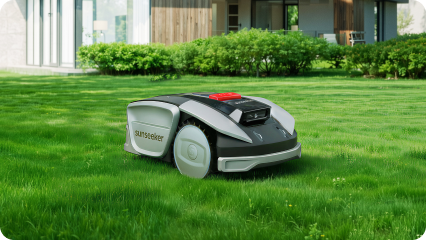
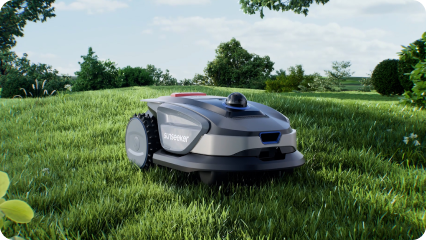
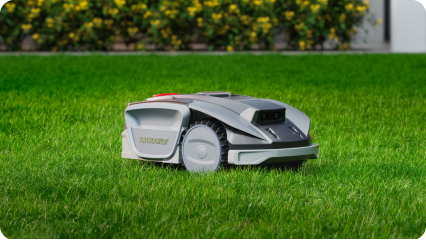
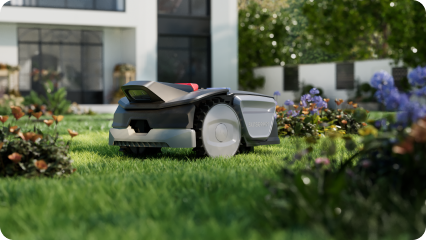
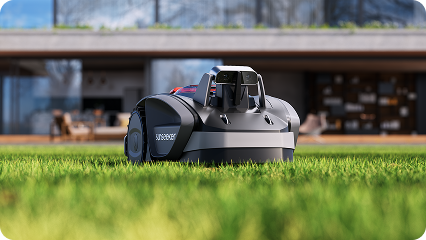
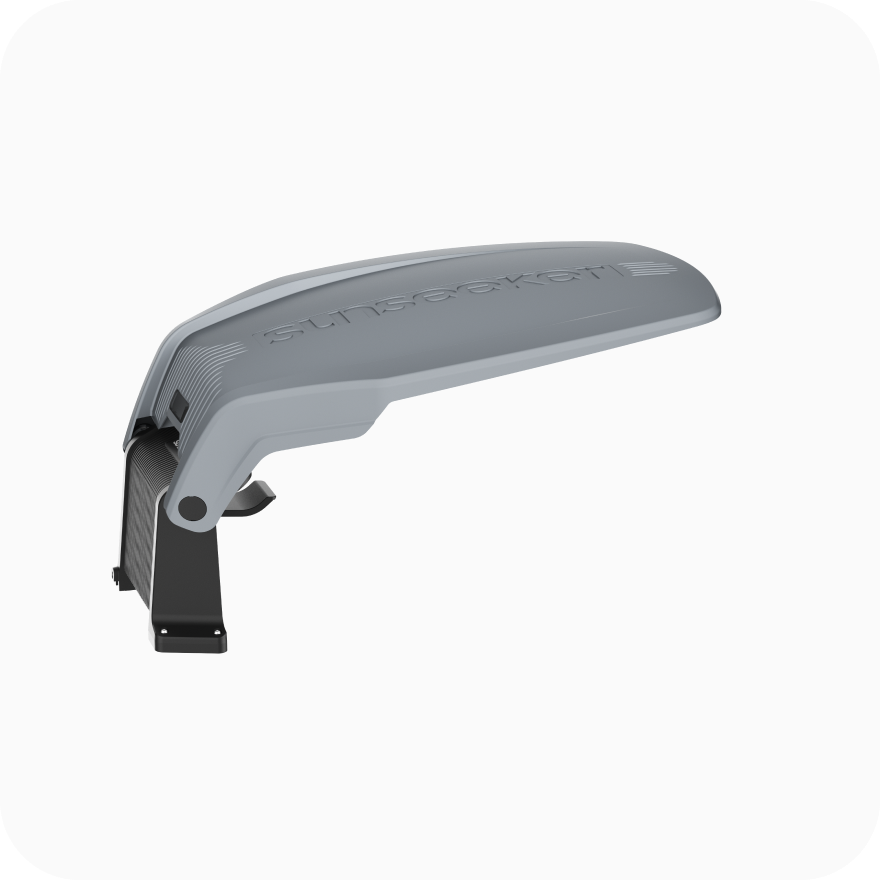
Once the lawn is growing well and ready for regular mowing, choosing a suitable mower can make ongoing maintenance easier. The Sunseeker V1 is designed for compact gardens of up to approximately 300 m² and features a 55 dB noise rating and one-click ReadyGo setup, offering a convenient option for maintaining smaller lawns.
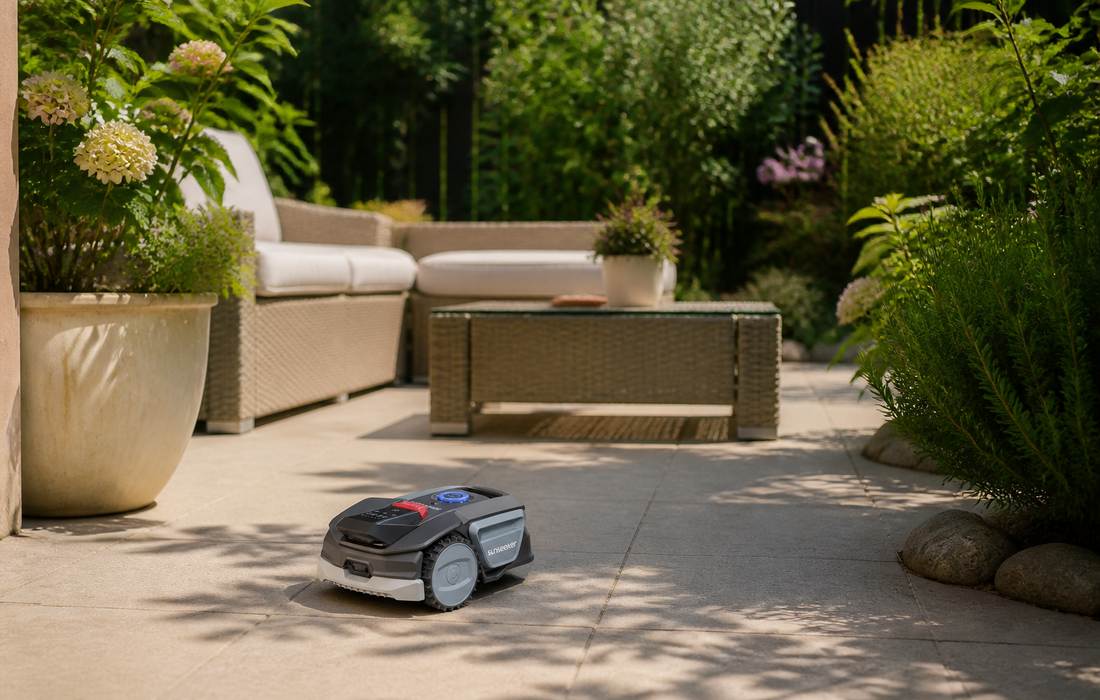
For homeowners looking to simplify routine lawn care, the Sunseeker Robot Lawn Mowers collection offers a range of models suited to different yard sizes and layouts. Explore the lineup to find a mower that fits your property and helps keep your lawn neatly trimmed throughout the growing season.
Conclusion
A good fertilizer application is measured, not guessed. Calculate the nitrogen requirement using the product's nutrient analysis, apply only the amount your lawn needs, and calibrate the spreader for the specific fertilizer you are using. Follow the label's instructions for watering and lawn access, and keep a record of each application to support future seasonal planning. Combined with consistent mowing and good soil care, a well-planned fertilization routine helps maintain healthy grass and a greener, more attractive lawn.
FAQ
Can You Apply Lawn Fertilizer by Hand?
You can hand-apply fertilizer to a very small area, but it is difficult to distribute evenly. Divide the measured product into small portions and spread it in several light directions. For larger lawns, a calibrated spreader gives more consistent coverage and lowers the risk of concentrated patches.
What Should You Do After Spilling Fertilizer on Grass?
Collect visible granules immediately and redistribute them only if you can do so at the intended rate. If a concentrated spill has dissolved, follow the label’s cleanup advice and water the affected area if directed. A heavy spill can burn turf; avoid adding more fertilizer to that spot during the next scheduled feeding.
Can You Use the Same Spreader Setting for Every Fertilizer?
No. Granule size, density, and nutrient content vary by product, and spreaders differ in output. Use the setting on the specific bag as a starting point, then calibrate when accuracy matters. Recheck the setting after changing products rather than relying on a number used for a previous fertilizer.