A healthy lawn doesn’t just happen on its own. To make your grass greener and stronger, you need to know how to aerate lawn properly. If your lawn has been looking patchy or compacted, aeration could be exactly what it needs to recover. This process allows nutrients, water, and air to reach the roots more easily, helping your grass to grow thicker and healthier.
In this article, we’ll guide you through everything you need to know, from recognizing the signs to choosing the right tools and following the step-by-step aeration methods to improve your lawn’s condition and keep it looking fresh, healthy, and well-maintained throughout the seasons.

Lawn aeration is the process of creating small holes in the soil so air, water, and nutrients can reach the roots more easily. Over time, soil becomes compacted from foot traffic and weather, which limits root growth and reduces how well grass can absorb what it needs.
By loosening the soil, aeration supports deeper, stronger roots and helps improve overall lawn health. It also allows water to drain more evenly and reduces stress on the grass during dry or hot conditions, helping the lawn stay more balanced and resilient.
There are several signs that indicate your lawn may need aeration. Paying attention to these signs early on can prevent more serious damage and help keep your grass in good condition over time:
Having the right tools before starting the aeration process will make the job easier and more effective. The type of tool you need often depends on the size of your lawn and the level of compaction.
This is the main tool you’ll need for the aeration process. There are several types you can choose from, depending on your lawn condition and needs:
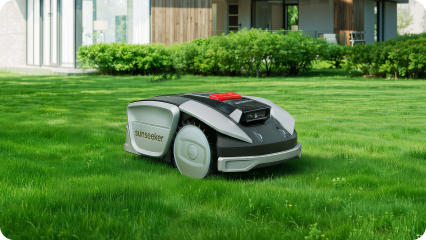
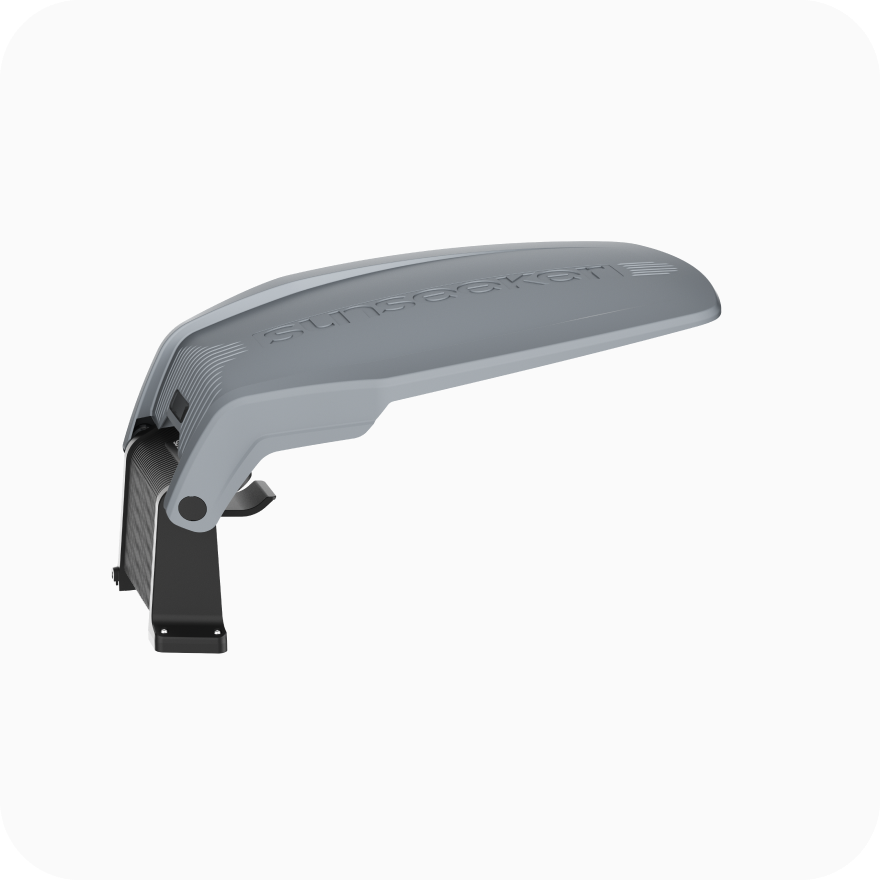
It's best to mow your lawn before aerating it. Shorter grass allows the aerator to reach the soil more easily and work more effectively. You can use a mower with new technology, such as a robot lawn mower from Sunseeker.
For a cleaner and more precise cut, use the Sunseeker S4, which offers multiple mowing patterns (Chequerboard, Custom, and Crisscross) to ensure even coverage across your lawn. The Ride-On-Edge Cutting helps in open areas, and Edge-Reach Cutting cuts the borders precisely, making sure no section is left overgrown before aeration begins.
Another option is the Sunseeker S5 with an adjustable cutting height between 20-60 mm. You can set the ideal grass length to improve soil access during aeration. Its 20 cm cutting width helps maintain an even surface, which is important for uniform aeration results.

Follow these step-by-step instructions on how to aerate lawn to ensure your grass fully benefits from aeration:
1.Moisten the Soil First: Water your lawn one day before aerating, or aerate it a day after rainfall. Moist soil makes it easier for aeration tools to penetrate the ground and remove soil plugs.
2.Choose the Right Aeration Method: Select the method based on your lawn’s condition. Core aeration is generally more effective for compacted soil, while spike aeration may be suitable for lighter conditions.
3.Work Across the Lawn Evenly: Move in a steady pattern to cover the entire area. Slightly overlap each pass to ensure consistent aeration and avoid leaving untreated sections.
4.Leave and Break Down the Soil Plugs: Allow the soil plugs to dry on the surface after aerating. Once they are dry, break them down using a lawn mower or rake to help return nutrients into the soil.
5.Maintain Your Lawn After Aeration: Continue watering and fertilizing your lawn regularly, and overseeding if needed to improve grass density.
The best time to aerate your lawn depends on the type of grass and your local climate. You can aerate your lawn at different times of the year during these two seasons:
For cool-season grasses, early spring or fall is the best time to aerate. In many regions, this typically falls between March to May or September to October, depending on the local climate. During these periods, the grass is actively growing, which helps it recover quickly and grow stronger roots after aeration.
Warm-season grasses perform best when aerated in late spring or early summer, as this is when they are in their peak growing phase. In warmer climates, the ideal timing usually falls around May or June. Aerating during this period allows the grass to heal faster and spread more evenly.
Once aeration is complete, follow these steps to support your lawn’s recovery. These practices will support healthy growth and better soil conditions.
Knowing how to aerate lawn means choosing the right time, using the right tools, and following the right steps. Aeration loosens compacted soil so air, water, and nutrients can reach the roots more easily.
What you do after matters just as much. Watering, fertilizing, and overseeding help the lawn recover and grow evenly. With the right care, the grass becomes thicker, stronger, and easier to maintain.
The most effective way to aerate a lawn is to use a core aerator, which removes small plugs of soil. This method is more effective than spike aerators at reducing compaction and allowing air, water, and nutrients to reach deeper into the roots. For the best results, aerate the lawn when the soil is slightly moist.
Most lawns benefit from aeration once a year, especially if the soil is prone to compaction or experiences heavy foot traffic from children, pets, or neighbors. However, lawns with lighter use or sandy soil only need to be aerated every two to three years to maintain healthy growth and proper soil structure.
Yes, aeration creates an ideal environment for overseeding by opening up the soil surface. The small holes allow seeds to make direct contact with the soil, which improves germination rates. As a result, new grass establishes more quickly, fills in thin areas, and helps create a thicker, healthier, and more even lawn over time.