A lawn can become thin even when it receives regular mowing and irrigation. Foot traffic may leave hard paths, water can run off instead of soaking in, and grass may struggle to fill small openings. Overseeding adds seed, but seed scattered over compacted soil often has poor contact and limited space to establish. Aeration can improve the growing environment when compaction is actually present.
The decision is not simply to run two machines every fall. Aeration and overseeding solve different problems, so the first decision is whether the lawn needs both. This guide covers the best timing for different grass types, essential preparation, the correct sequence of steps, and the watering routine that helps new seedlings establish strong roots.
Does Your Lawn Need Both Aeration and Overseeding?
Aeration and overseeding solve different problems. Core aeration removes small plugs of soil, relieving compaction and creating channels that improve water infiltration. Overseeding introduces seed into an existing lawn to increase density or repair thin areas. Use both when the soil is compacted and the turf also needs more grass plants.
Look for signs of compaction: a screwdriver is difficult to push into moist soil, puddles form after ordinary rain, water runs off slopes, or grass thins in high-traffic paths. A soil probe or small sample can confirm whether the dense layer is in the root zone. Core aeration is most useful when hollow tines remove plugs several centimetres deep; solid spikes mainly push soil aside and can leave compaction around the holes.
Overseeding is appropriate when the existing grass is mostly healthy but has thin sections, small gaps, or an aging stand. If weeds dominate, the grass species is poorly matched to shade, or large areas are dead, seed alone will not solve the cause. A full renovation may be more efficient for severe decline. If the lawn is dense and vigorous, aeration may be enough to improve soil conditions without adding seed.
When Should You Aerate and Overseed Your Grass Type?
For cool-season grasses such as Kentucky bluegrass, perennial ryegrass, and tall fescue, late summer into early fall is usually the strongest window. In many northern and central areas, plan for August through September, adjusting earlier in colder regions and later in warmer locations. Soil remains warm enough for germination while air temperatures become more favorable for young grass.
Spring can work for small repairs, particularly when soil temperatures are around 10°C, and the lawn is actively growing. However, spring seedlings face weed competition and summer heat before they have built deep roots. Larger cool-season overseeding projects are usually more reliable in late summer or early fall.
Warm-season grasses such as bermudagrass and zoysia should be aerated and seeded during active warm-season growth, generally late spring through summer after green-up. Seed species and timing vary by region; do not mix cool-season and warm-season grasses simply to fill a gap. Check local turf guidance and the seed label for the variety selected.
Avoid working frozen, saturated, or drought-stressed turf. Aerator tines need moist soil to penetrate, but the surface must be firm enough to support equipment. Water the lawn a day or two before the appointment if the root zone is too dry, then let excess surface water drain.
What Should You Prepare Before Aeration and Overseeding?
Preparation prevents avoidable damage and helps seed reach the soil. Walk the area and note irrigation heads, shallow cables, lighting wires, pet fencing, and other buried items. Mark them clearly before the aerator arrives. The following checks also help determine whether the lawn is ready for the combined work.
Grass type and seed match
Identify the existing species and choose a compatible mixture for sun, shade, traffic, and regional climate.
Soil moisture
The soil should be moist several centimetres down, not muddy or hard and dry.
Existing thatch
Measure the organic layer. If it is excessive, decide whether dethatching is needed as a separate operation; do not assume aeration removes every thatch problem.
Weed-control history
Check herbicide labels for the waiting period before seeding. Some pre-emergent products prevent desirable grass seed from germinating.
Equipment and access
Confirm aerator tine type, working depth, spreader calibration, and safe routes across the lawn.
Seed and irrigation plan
Have enough seed for the labeled overseeding rate and a way to keep the surface consistently moist during germination.
If the soil test shows a pH or nutrient issue, correct it according to the recommendation. Starter fertilizer is not an automatic requirement for every lawn. Use it only when the product and soil conditions support it, and follow local phosphorus rules.
How Do You Aerate and Overseed Step by Step?
The work is most effective when plugs are removed first, and seed is distributed into the openings and surrounding thin turf. Keep each pass controlled so the lawn receives even coverage without excessive disturbance.
Step 1. Prepare the Lawn Surface
Mow the grass to a manageable height and collect heavy clippings. Remove leaves and loose debris so the aerator can reach the soil. Mark obstacles and check that the soil is moist enough for hollow tines to penetrate. If the lawn is very tall or matted, address that condition before operating equipment.
Step 2. Core Aerate the Lawn
Use a core aerator with hollow tines that remove plugs rather than a spike machine. Make passes across the compacted areas, overlapping enough to create consistent coverage. Heavily compacted zones may need more than one direction, but avoid excessive passes that tear the turf. Leave the plugs on the surface to dry, then break them apart with a rake or allow rainfall and mowing to crumble them.
Step 3. Spread Seed at the Overseeding Rate
Use the rate on the seed label for overseeding, not the higher rate for establishing a new lawn. A drop spreader gives control around beds and narrow strips; a broadcast spreader covers larger areas. Divide the seed into two portions and apply in perpendicular directions to reduce skips. Calibrate the spreader and keep the walking pace steady.
Step 4. Settle the Seed Into the Surface
Rake lightly so seed reaches the soil and aeration holes rather than remaining on top of the grass canopy. A thin layer of screened compost or topsoil may help in sparse areas, but do not bury seed deeply. The goal is seed-to-soil contact, not a thick blanket that blocks light.
Step 5. Water the Seedbed Gently
Use a fine spray that moistens the surface without moving seed downhill. Short, light applications may be needed during the day if the top layer dries quickly. Adjust for rainfall and soil texture; heavy clay and slopes may need shorter cycles to prevent runoff. Keep the seedbed evenly moist until germination begins.
How Should You Care for the Lawn After Overseeding?
New seed needs a different watering pattern from established turf. During germination, keep the upper soil surface moist with light, frequent irrigation. Once seedlings appear and roots develop, gradually reduce the number of watering cycles and increase the amount per session so roots grow deeper.
Keep the Seedbed Moist During Germination
Check the surface in several locations, not only near the sprinkler. If the top layer turns pale and dry, adjust the next cycle. Rain counts toward the moisture requirement. Avoid creating puddles or washing seed into low areas.
Reduce Watering Frequency as Roots Develop
As seedlings establish, transition toward deeper, less frequent watering. The exact pace depends on weather and soil, but do not switch abruptly from several light cycles to a long soak. A gradual change encourages roots to follow moisture into the soil.
Resume Mowing When Seedlings Are Ready
Wait until the new grass is firmly rooted and has reached a suitable height before returning to regular mowing. Use a sharp mower blade, remove no more than one-third of the leaf blade at a time, and avoid sharp turns that could disturb the soft soil or pull out young seedlings.
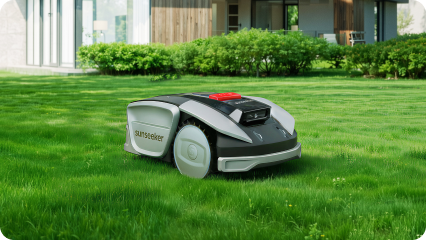
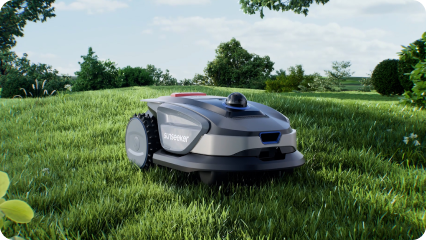
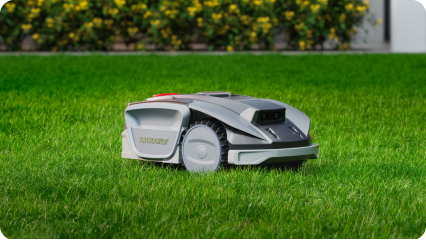
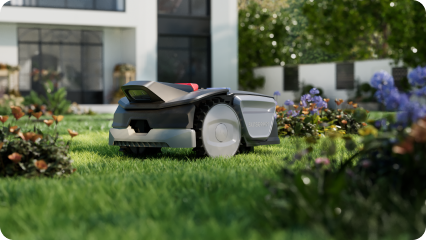
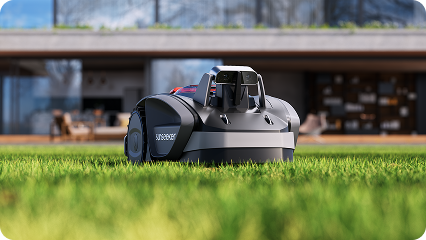
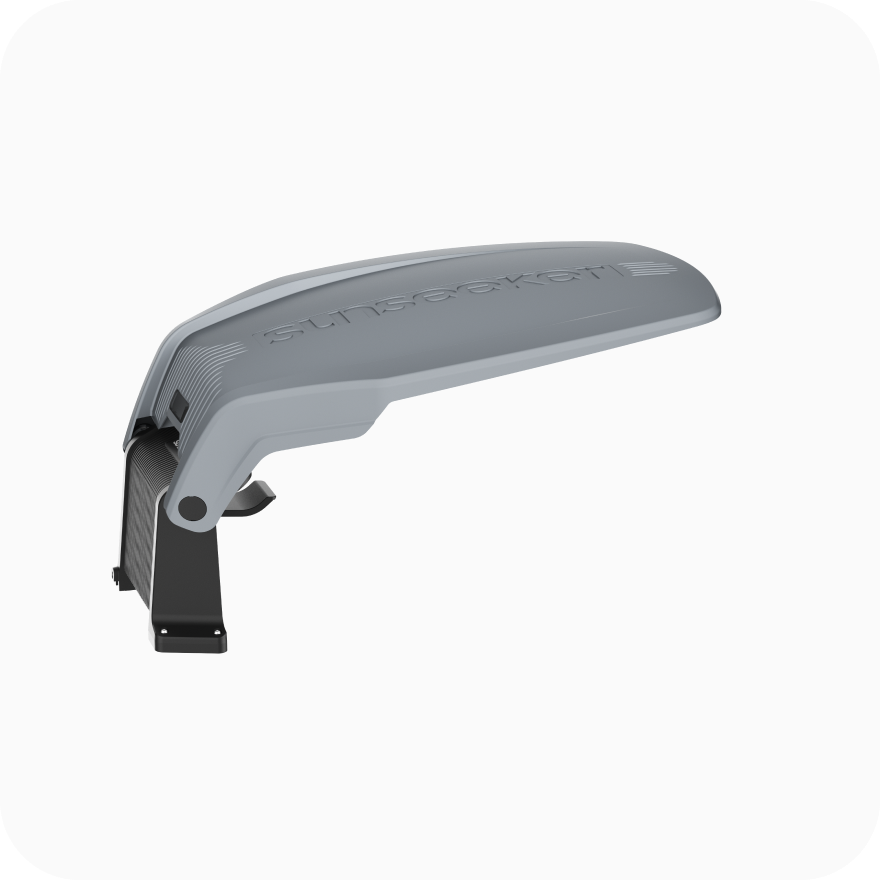
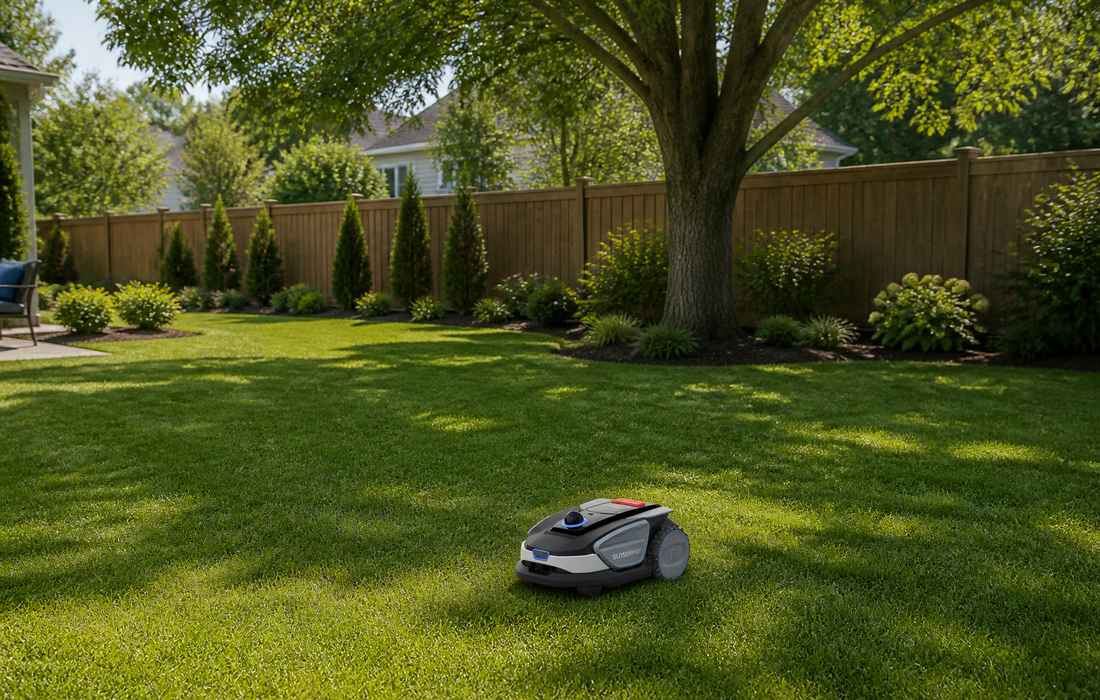
Once the lawn is established, a reliable mower helps maintain consistent grass height and encourages an even appearance. The Sunseeker S4 features AllSense™ adaptive mowing technology and a wire-free setup, offering a convenient solution for maintaining residential lawns with scheduled mowing.
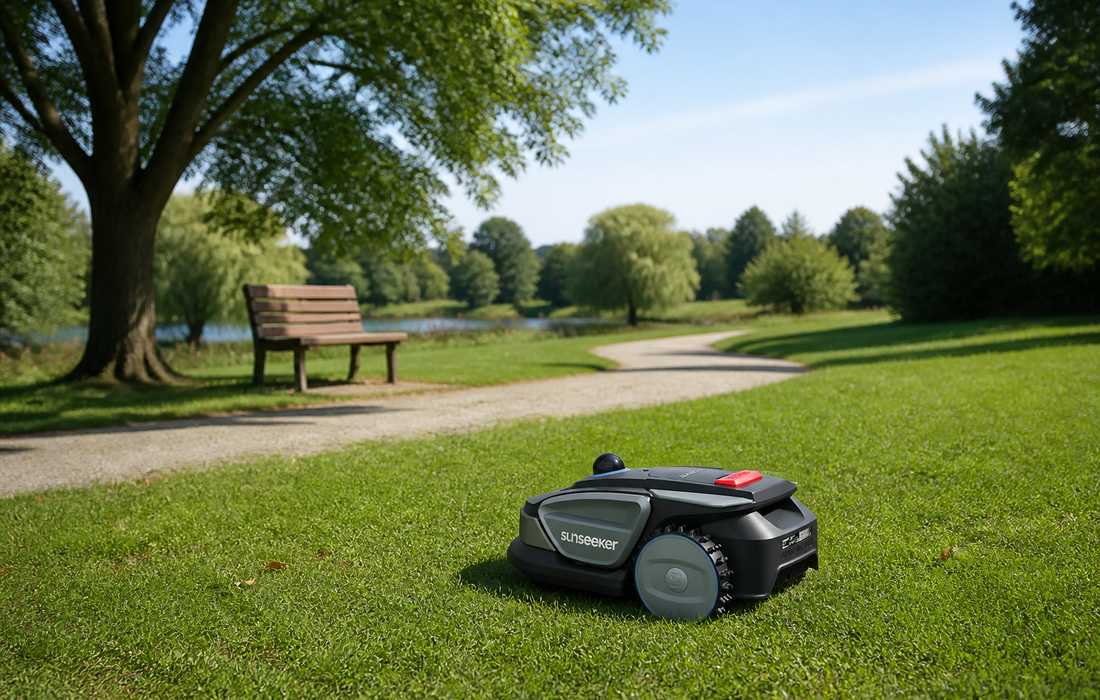
For homeowners looking to simplify regular lawn maintenance, the Sunseeker GPS Robot Mowers collection offers models designed for different yard layouts and mowing needs. These mowers provide convenient automated mowing, save time and effort, and help keep established grass neatly trimmed throughout the growing season.
Conclusion
Aeration helps relieve soil compaction, while overseeding increases grass density and fills thin areas. Combining the two treatments is beneficial when your lawn needs both healthier soil conditions and additional grass growth. Choose the right season for your grass species, prepare the soil and seed carefully, and maintain consistent moisture throughout germination. Once the new seedlings are firmly established, gradually return to regular watering and mowing. The best result comes from matching each treatment to a confirmed lawn need rather than automatically combining every renovation task.
FAQ
Should You Remove the Soil Plugs After Aeration?
Usually, you can leave the plugs on the lawn to dry and crumble. They return soil and microorganisms to the surface. If they are large or interfere with mowing, break them apart with a rake after they dry, often within a few days. Avoid removing them while wet and smeary.
Can You Overseed Without Aeration?
Yes. If the soil is not compacted and seed can reach exposed soil, overseeding alone may be enough. Rake thin areas, use the correct seed rate, and maintain moisture. Aeration is most useful when compaction restricts water movement or root growth, not as a mandatory step for every seeding project.
Can You Dethatch and Aerate During the Same Project?
They can be part of one renovation when both a thick thatch layer and compacted soil are confirmed. Plan the sequence and intensity carefully because each operation stresses the turf. In many home lawns, one treatment is sufficient. Dethatch only when the organic layer is excessive, and aerate when soil compaction is present.