Lawns, much like trees, naturally change with the seasons, and adjusting your mowing habits is key to keeping them healthy year-round. As summer heat sets in, one of the most important things to understand is how tall to mow lawn at in summer.
Many homeowners make the mistake of cutting grass too short, thinking it reduces mowing frequency, but this can actually weaken your lawn. Maintaining the right height helps protect your grass from heat and drought, keeping it strong, green, and resilient.
In this guide, you'll learn the ideal mowing heights, how often to mow, and practical tips to keep your lawn looking its best all summer long.
Why Mowing Height Matters in Summer
During summer, your lawn faces intense heat, stronger sunlight, and drier conditions, all of which can put significant stress on grass. This is why maintaining the ideal lawn cutting height is so important. The right height helps grass retain moisture, support photosynthesis, and develop deeper, stronger roots that can better withstand heat and drought.
Letting grass grow too tall can limit airflow and create damp conditions that encourage fungal problems and unwanted pests. On the other hand, cutting grass too short weakens the plant, making it more vulnerable to drought and heat damage. Finding a balanced mowing height helps your lawn stay strong, healthy, and better prepared to handle the stress of summer.
How Tall to Mow Lawn in Summer?
The ideal mowing height depends on the type of grass you have. In general, you should aim to keep your lawn slightly taller in summer than in cooler seasons.
Cool-Season Grasses
Cool-season grasses, such as Kentucky bluegrass, tall fescue, and ryegrass, typically thrive in cooler climates but can struggle during hot summer conditions. To keep them healthy, it’s important to adjust to the best height to mow lawn for this grass type during the warmer months.
In summer, these grasses should generally be maintained at a height of 8 to 10 cm. Keeping them slightly taller helps shade the soil, reducing moisture loss and keeping root systems cooler. This added protection allows the grass to develop deeper roots, improving its ability to handle heat and drought.
Warm-Season Grasses
Warm-season grasses, including Bermuda, zoysia, St. Augustine, and centipede grass, are naturally suited to thrive in hot summer conditions. Unlike cool-season varieties, these grasses perform best when kept slightly shorter, making proper lawn mower height settings especially important.
In general, warm-season grasses should be maintained at around 5 to 6 cm, depending on the specific type. This height encourages thick, dense growth, which helps crowd out weeds and creates a more even, healthy-looking lawn.
|
Season Type
|
Grass Type
|
Ideal Height in Summer
|
Mow When It Reaches
|
|
Cool-Season
|
Kentucky Bluegrass
|
8–10 cm
|
9–11 cm
|
|
Fine Fescue
|
6–9 cm
|
8–10 cm
|
|
Tall Fescue
|
8–10 cm
|
9–11 cm
|
|
Perennial Ryegrass
|
8–9 cm
|
9–10 cm
|
|
Warm-Season
|
Bermuda Grass
|
4–5 cm
|
5–6 cm
|
|
St. Augustine Grass
|
6–10 cm
|
8–11 cm
|
|
Zoysia Grass
|
3–6 cm
|
4–8 cm
|
|
Centipede Grass
|
4–5 cm
|
5–6 cm
|
|
Bahia Grass
|
6–8 cm
|
8–9 cm
|
What Happens if You Mow Grass Too High or Too Low?
Even with the right mowing schedule, cutting your grass at the wrong height can lead to unexpected problems. Understanding what happens when you mow too high or too low will help you avoid damage and keep your lawn healthy.
If You Mow Too Short
Cutting grass too short (scalping) can cause several problems:
- Soil dries out faster due to direct sun exposure
- Grass becomes weak and stressed
- Higher risk of pests and disease
- Shallow roots make recovery more difficult
If You Mow Too High
Letting grass grow too tall can also create issues:
- Poor air circulation increases disease risk
- Moist conditions may attract pests
- The lawn may look uneven or overgrown
Keeping your grass at the right height creates a balance, helping your lawn stay strong, green, and resilient throughout the summer.
How Often Should You Mow Lawn in Summer?
How often you mow your lawn in summer depends on grass type, growth rate, and weather conditions. In general, most lawns should be mowed every 7 to 10 days, but this can vary. Warm-season grasses may need mowing more frequently, about every 4 to 6 days during active growth, while cool-season grasses often grow more slowly in the heat.
A helpful guideline is the one-third rule: never remove more than one-third of the grass blade at a time. For example, if your ideal height is 8 cm, mow when it reaches about 11 cm.
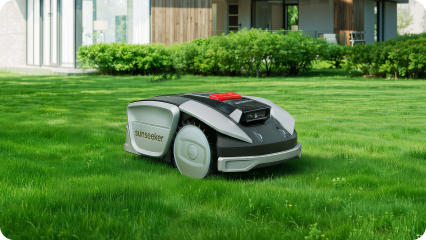
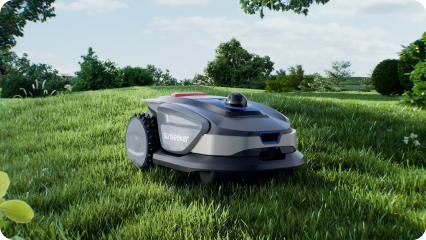
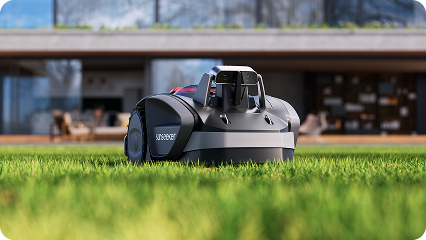
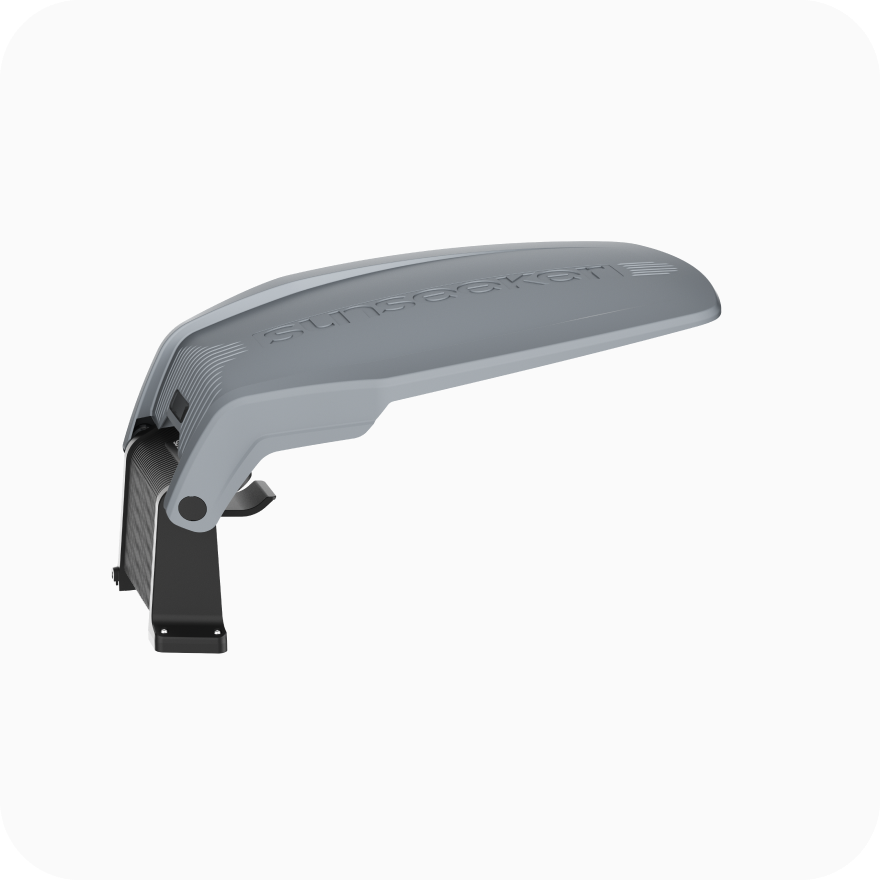
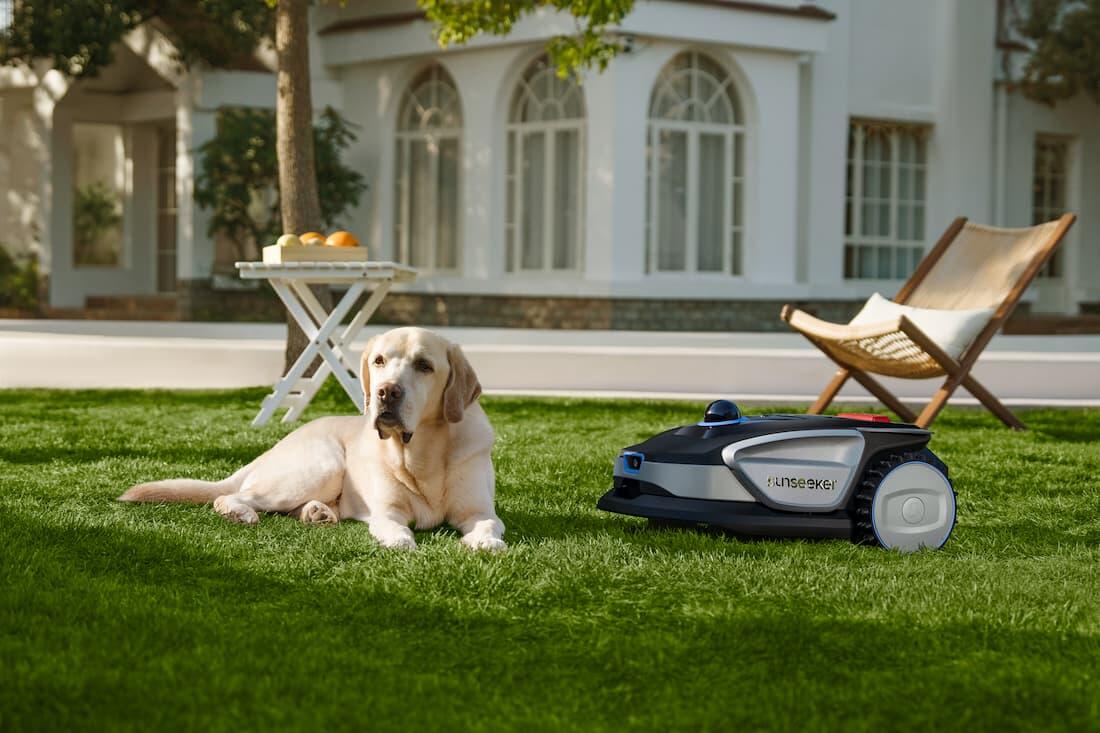
During dry periods, grass grows more slowly, so mow less often to avoid stress. After rainfall or fertilizing, you may need to mow more frequently to maintain a healthy, even lawn. To keep up with regular mowing, using a dependable mower can make a big difference. For example, the Sunseeker S3 offers consistent performance and efficient cutting, making it easier to maintain the right mowing frequency without overworking your lawn during the summer months.
Tips for Summer Lawn Care
Mowing frequency is only part of the equation, how you care for your lawn between cuts also affects its health and growth. Think of these practical tips as a heatwave survival guide for your lawn, helping protect the grass from excessive heat, moisture loss, and summer stress while supporting healthier growth.
Key Summer Lawn Care Tips
- Adjust mower height: Keep grass around 8 cm to retain moisture and encourage deeper roots
- Mow at the right time: Early morning or evening reduces heat stress
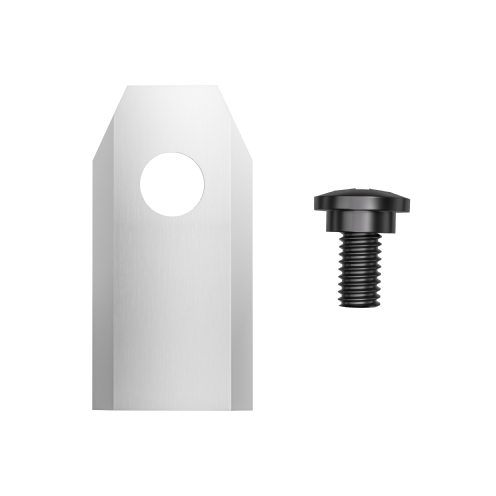
- Use sharp blades: Clean cuts prevent damage and disease
- Follow the one-third rule: Avoid cutting too much at once
Support Healthy Growth
- Water deeply: Aim for 2.5–4 cm per week, preferably early or late in the day
- Fertilize carefully: Use a balanced fertilizer without overfeeding
- Aerate if needed: Improve soil airflow and nutrient absorption
- Watch for pests: Healthy, well-maintained lawns are less vulnerable
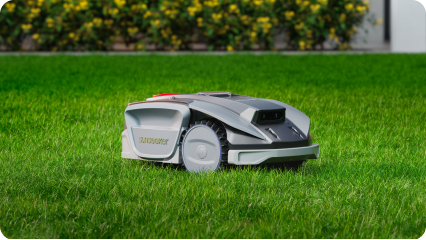
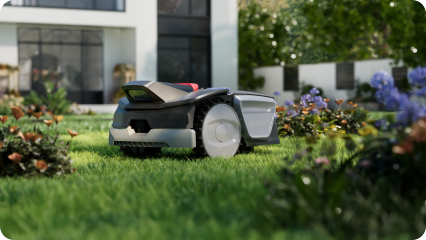
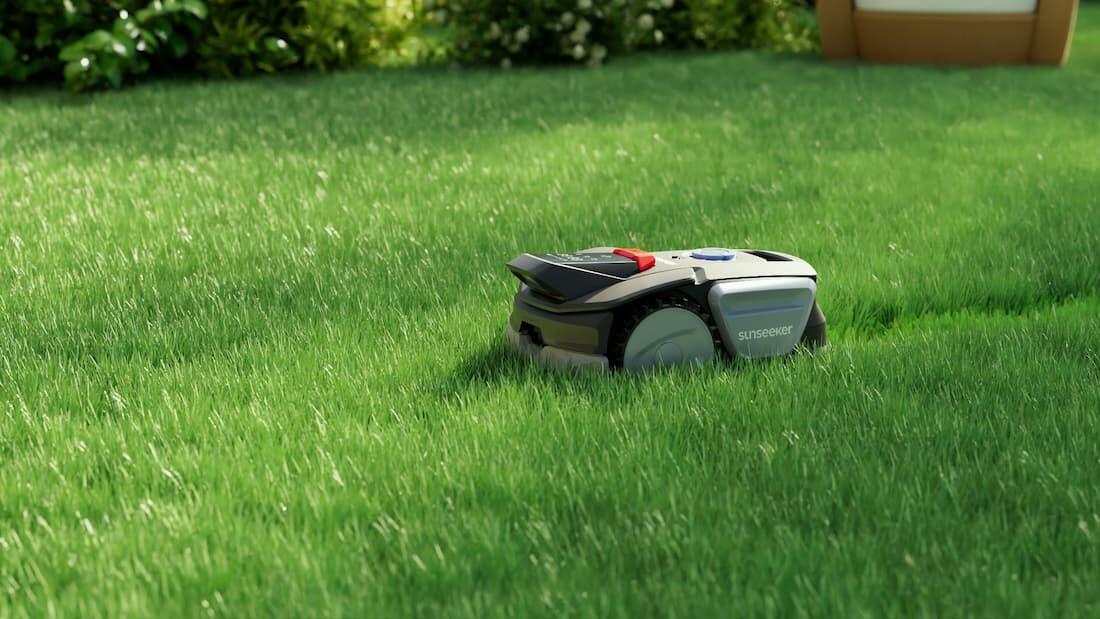
Using the right equipment also plays an important role in summer lawn care. A mower like the Sunseeker V1 allows you to easily adjust cutting height and maintain clean, precise cuts with its floating cut system, which helps reduce stress on your grass and supports healthier growth.
Conclusion
Maintaining a healthy lawn during hot months comes down to consistency and proper technique. Knowing how tall to mow lawn at in summer helps protect your grass from heat stress, improve moisture retention, and encourage deeper roots. By adjusting mowing height, following the one-third rule, and adapting to weather conditions, you can keep your lawn strong and green. Combine these practices with proper watering and care, and your yard will stay vibrant and resilient throughout the summer season.
FAQs
What is the best height to cut grass in hot weather?
The best height to cut grass in hot weather depends on your grass type, but keeping it slightly taller helps protect it from heat. Cool-season grasses should be maintained around 8–9 cm, or up to 10 cm for varieties like tall fescue. Warm-season grasses do best at about 5–6 cm. Taller grass shades the soil, retains moisture, and reduces stress, helping your lawn stay healthier during summer.
Is it better to cut your grass short or long in the summer?
It’s better to keep your grass longer in the summer than to cut it short. Taller grass encourages deeper roots, helping it absorb more moisture during hot, dry conditions. It also shades the soil, reducing evaporation and protecting against heat stress. Keeping your lawn slightly longer will help it stay greener, stronger, and more resilient throughout the summer.
Is 10 cm too high to cut grass?
No, 10 cm is not too high for some grasses, especially in summer. Cool-season grasses like tall fescue and perennial ryegrass can benefit from being kept up to 10 cm to handle heat better. However, warm-season grasses should be kept shorter, typically around 5–6.5 cm, for optimal health and growth.