The condition of your lawn can tell you a lot about the condition of your mower. When the grass starts looking torn instead of neatly trimmed, it's often due to an issue with the blade. Many homeowners focus on mowing schedules instead of blade maintenance, even though blade performance can affect lawn health. In this article, we'll guide you about how sharp should mower blades be, signs that indicate it's time for sharpening, and easy steps to sharpen your lawn mower blades at home.
How Sharp Should Mower Blades Be?
If you're wondering how sharp should a mower blade be, the answer is sharp enough to cut grass cleanly but not as sharp as a razor. A properly sharpened mower blade should have an aggressive edge that slices through grass without tearing it. Yet, you should still be able to touch the edge carefully without getting cut.
Maintaining the right lawn mower blade sharpness is important because an overly sharp edge tends to roll over more easily when it hits rocks, sticks, or other debris. This can lead to nicks, chips, and faster wear, causing the blade to lose its cutting effectiveness sooner.
Signs Your Mower Blade Needs Sharpening
A dull mower blade will often show signs before it starts causing damage to your lawn. If you notice any of the following issues, it’s time to sharpen the blade. Here are some common signs:
- Grass Tips Look Brown or Frayed
Freshly cut grass should have clean, even edges. A dull blade tears the grass instead of slicing it. The torn ends often turn brown within a day or two, making the lawn appear unhealthy.
If some areas look neatly trimmed while others appear ragged or longer, the blade may no longer be cutting efficiently. Uneven results often mean that the blade needs to be sharpened to restore cutting consistency.
- Grass Clippings Appear Torn
Examine the clippings after mowing. Cleanly cut pieces indicate a properly maintained blade, while shredded or ripped clippings suggest the edge has become dull.
How Often Should You Sharpen Mower Blades?
The ideal sharpening schedule depends on mowing frequency, lawn size, and ground conditions. The interval can also vary among types of lawn mower blades, so inspect the cutting edge instead of relying on mowing hours alone. In general, mower blades should be sharpened after every 20 to 25 hours of mowing, which typically means once or twice during the mowing season. However, lawns with sandy soil and sticks may require more frequent sharpening and maintenance.
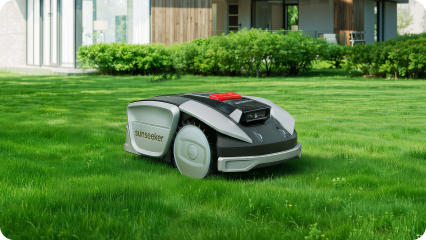
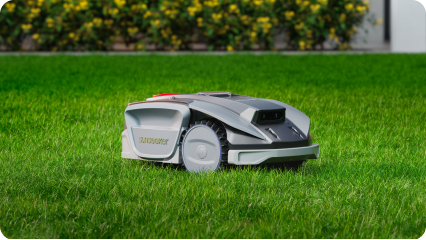
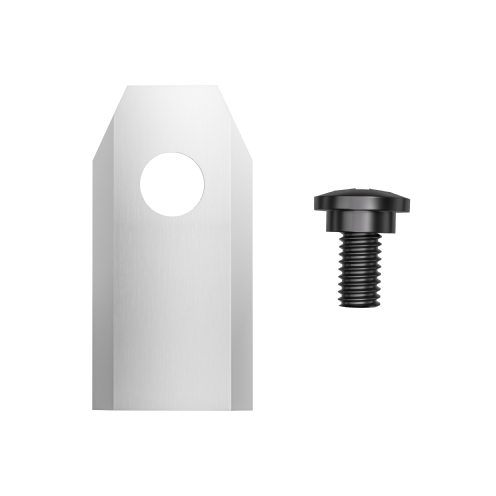
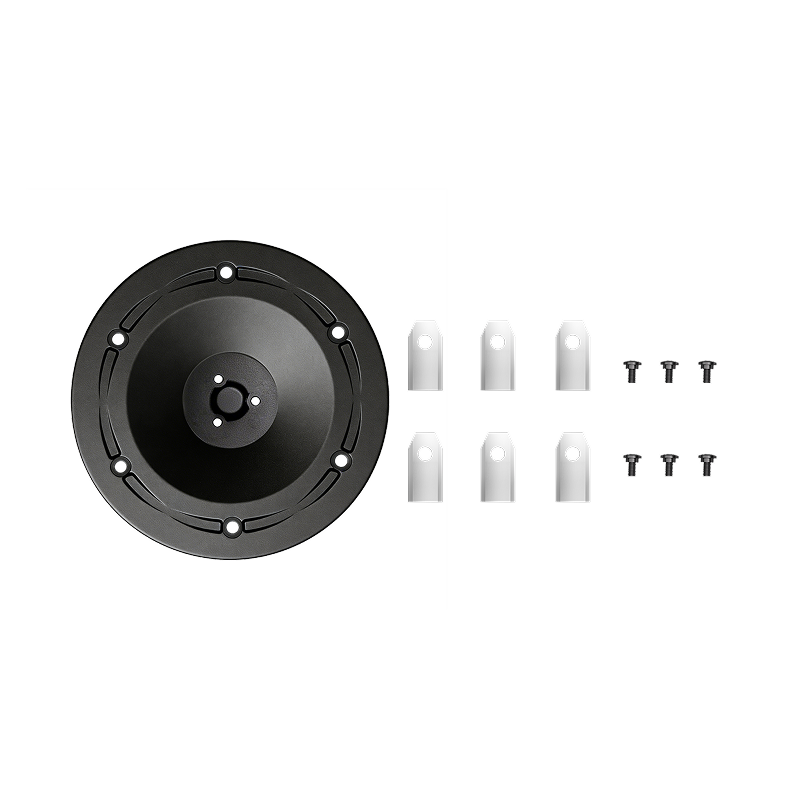
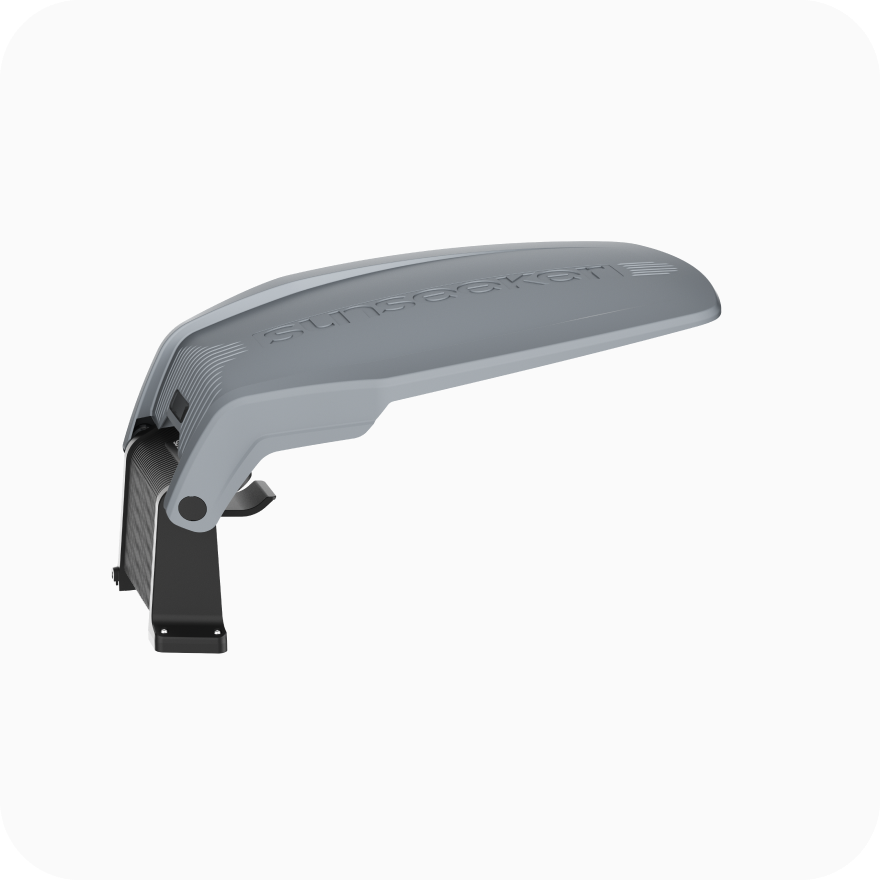
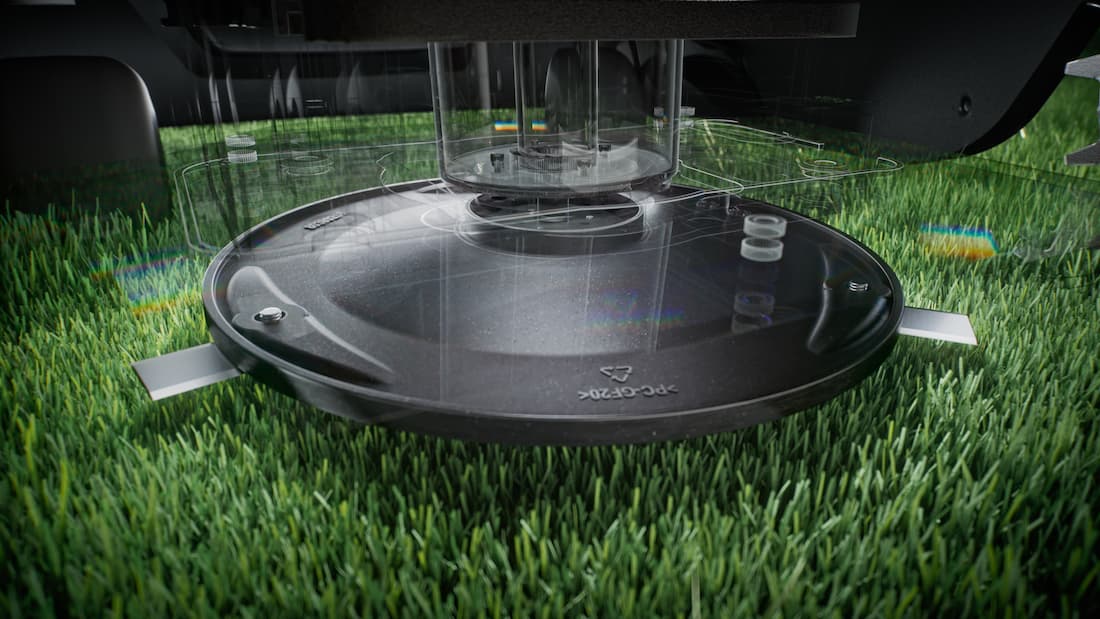
Checking how sharp lawn mower blade edges are throughout the season can help you make clean cuts and avoid unnecessary stress on your grass. For homeowners who want a more convenient way to maintain a cleaner lawn, the Sunseeker S4 robotic lawn mower offers ride-on-edge cutting for open areas, edge-reach cutting along borders, and spot-cutting for precise touch-ups. It also includes a cutting disk and blade set, making it a practical choice for a smoother mowing experience.

How to Sharpen Mower Blades Step by Step
The steps below explain how to sharpen lawn mower blades safely while preserving the existing bevel and keeping both sides balanced.
Disconnect the spark plug or battery and put on protective gloves before handling the blade.
Tilt the mower carefully and use a long-handled wrench to remove the bolt or nut holding the blade in place.
Clean the blade with a wire brush to remove dirt, grass buildup, and rust.
Clamp the blade firmly in a vise to keep it stable during sharpening.
Sharpen the cutting edge with a metal file, bench grinder, or drill-powered blade sharpener, following the existing bevel. As you sharpen, remember how sharp should lawn mower blades be: sharp enough to cut grass cleanly, but not so sharp that the edge becomes thin, weak, or razor-like.
Place the blade on a balancing tool or a horizontally mounted nail. If one side drops lower, remove a small amount of material from the heavier side until the blade balances evenly.
Reinstall the balanced blade in the correct orientation, tighten the hardware securely, reconnect the power source, and test the mower as usual.
How to Keep Mower Blades Balanced and in Good Condition
Keeping your mower blade sharp is only one part of proper maintenance. To help your blade last longer and work more effectively, follow these useful tips:
- Inspect Blades Regularly: Check for chips, dents, cracks, and excessive wear every few weeks.
- Maintain Proper Balance: Make sure that both sides of the blade are balanced. An unbalanced blade can create vibration and increase wear on mower parts.
- Clean After Each Use: Buildup of grass clippings under the deck can trap moisture and lead to rust on both the machine and the blade.
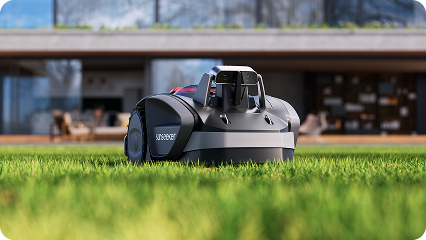
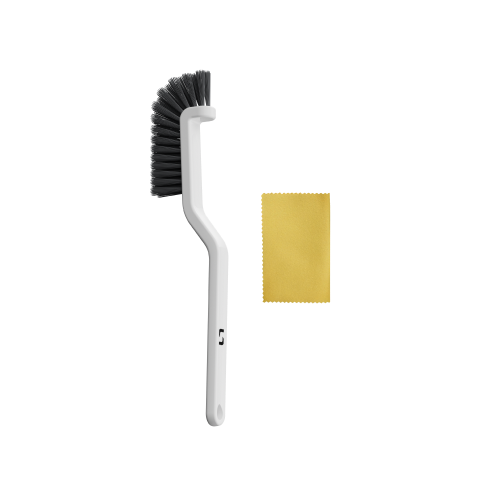
A lawn mower that requires less effort to clean can be a worthwhile investment. For example, the Sunseeker V3 robotic lawn mower features IPX5-rated waterproofing and a cleaning kit, making it easier to wash the machine without damaging it or dulling its blades. It also handles slopes up to 42% (22°) with stable traction and balanced control on uneven terrain, while edge cutting and ride-on-edge cutting help deliver more precise mowing results.
When Should You Replace Mower Blades Instead of Sharpening Them?
When considering how sharp should a lawn mower blade be, keep in mind that overall blade condition matters just as much as the sharpness of the cutting edge. While regular sharpening can extend blade life, there comes a point when replacing is a better option. You should replace your lawn mower blades every one to two years. However, if the blade shows signs of excessive wear, it’s more effective to replace it sooner rather than sharpen it again.
Conclusion
Understanding how sharp should mower blades be helps you avoid torn grass, reduce mower strain, and improve its overall cutting performance. Sharpening blades regularly, checking their balance, and replacing damaged blades when necessary will help keep your mower cutting efficiently and give your lawn a clean cut throughout the growing season.
FAQs
Should lawnmower blades be sharp to the touch?
Yes, mower blades should have a sharp cutting edge, but they don’t need to be razor sharp. Instead of testing sharpness by touch, inspect the edge visually and evaluate the quality of the cut after mowing. Also, it must be durable enough to withstand occasional contact with small sticks, rocks, and other debris commonly found on lawns.
How to tell if a mower blade is sharp?
A mower blade is sharp if it cuts grass cleanly and leaves smooth, even grass tips after mowing. You can also check the blade edge directly. It should look consistent along the cutting side, without rounded spots, dents, chips, or visible damage. If the grass tips look frayed, brown, or uneven, the blade is likely dull and needs sharpening.
How sharp is too sharp for lawn mower blades?
A lawn mower blade is considered too sharp when its edge becomes as thin as a kitchen knife or razor blade. Although this may seem beneficial, an extremely sharp edge can chip, nick, or roll over more easily when it strikes debris. A durable, moderately sharp edge provides better long-term cutting performance.